
 Worksheets
Weathering and Erosion (MA/HA)
Total questions: 15
Worksheet time: 9mins
Name
Class
Date
1.
When rocks are broken down into smaller pieces
a)
erosion
b)
weathering
c)
sediment
2.
When water, ice and wind move particles of rock and soil from one place to another
a)
sediment
b)
weathering
c)
erosion
3.
Soil is a mixture of the following except
a)
weathered rock particles
b)
dead plant material
c)
garbage
d)
dead animal material
4.
Water, wind, gravity, ice, plants are all part of this kind of weathering
a)
Chemical
b)
Mechanical
5.
Roots break apart a side walk
a)
Chemical weathering
b)
Physical weathering
6.
Carbon dioxide in rainwater dissolves limestone
a)
Chemical weathering
b)
Mechanical weathering
7.
The iron in the stones of the Grand Canyon turn the color of red
a)
Mechanical Weathering
b)
Chemical Weathering
8.
Water getting into cracks, freezing, and breaking the rocks or pavement apart
a)
Weathering
b)
Erosion
9.
Wind blowing sand from one location to another
a)
Weathering
b)
Erosion
10.
Flood waters moving soil from one location to another
a)
Weathering
b)
Erosion
11.
How does freezing water cause the weathering of rocks? The freezing water—
a)
keeps the rocks in place
b)
makes the rocks last longer
c)
expands cracks and breaks rocks
d)
causes rocks to fall in landslides
12.
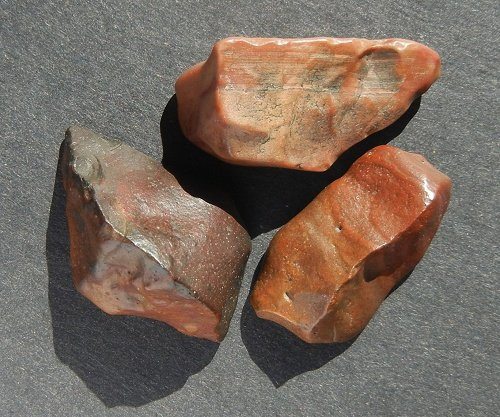
These rocks were made smooth by wind blowing smaller rock particles across their surface. This is an example of:
a)
ice wedging
b)
chemical weathering
c)
acid rain
d)
abrasion
13.

These rocks were broken apart from the continuous freeze/thaw of water in the cracks of the rocks. This is an example of:
a)
ice wedging
b)
acid rain
c)
permeability
d)
abrasion
14.
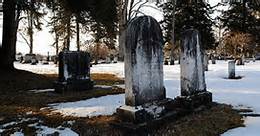
These gravestones have slowly broken down and turned a blackish color due to the action of:
a)
ice wedging
b)
abrasion
c)
acid rain
d)
mechanical weathering
15.
A metal statue slowly turning green after years of being outside is an example of:
a)
mechanical weathering
b)
chemical weathering
100 %

