
Font size
 Worksheets
Saving Review
Total questions: 20
Worksheet time: 10mins


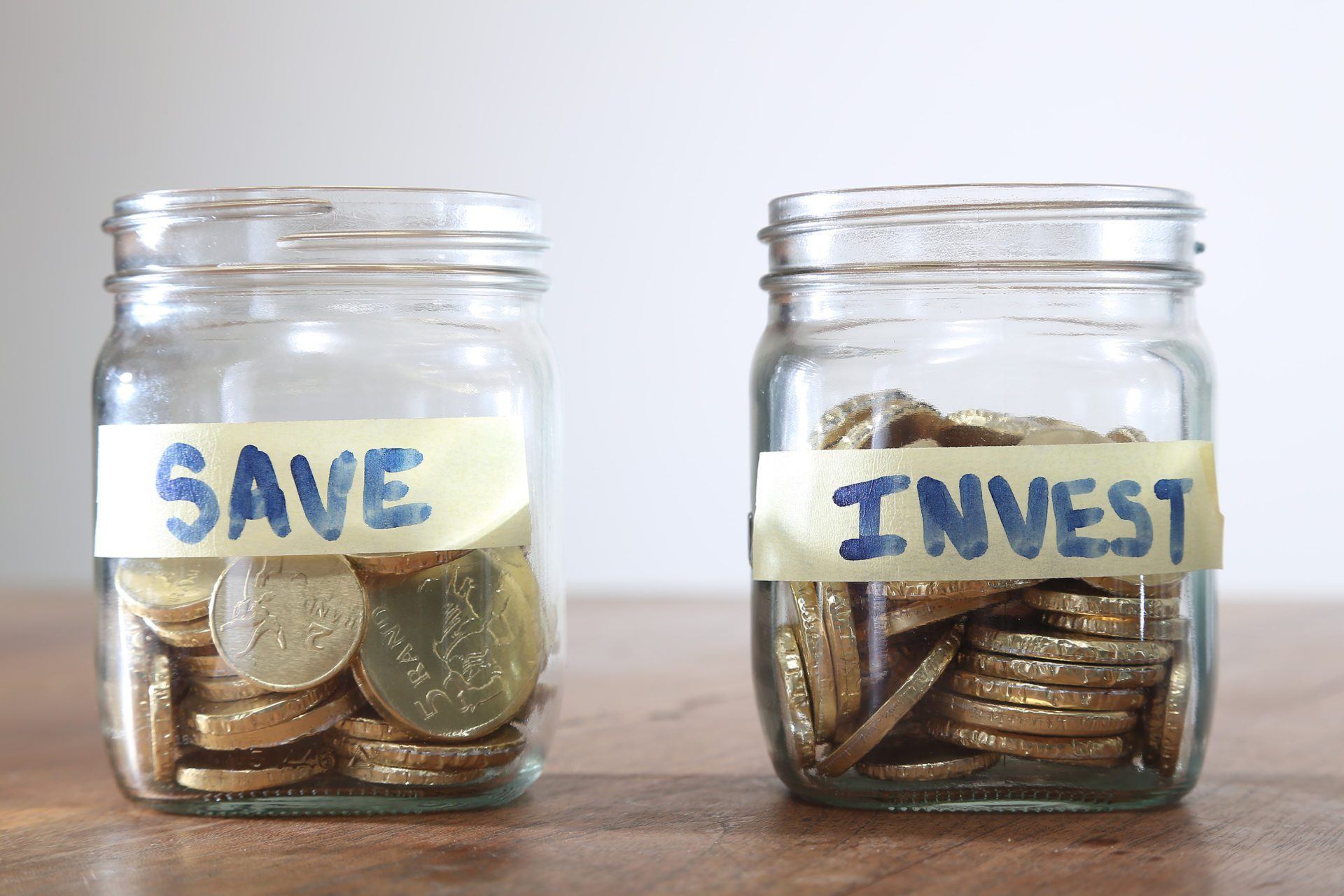
Which of the following is FALSE about saving and investing? (hint: choose 2 correct answers)
Saving doesn't outpace inflation; investing usually does
Both saving and investing generally have low returns
Saving is for short-term; investing is for the long-term
Saving has more risk; investing has less risk
What is 50/30/20 budget rule stands for?
50% on needs, 30% on wants and 20% on savings
50% on wants, 30% on savings and 20% on needs
50% on savings, 30% on needs and 20% on wants
50% on wants, 30% on needs and 20% on savings
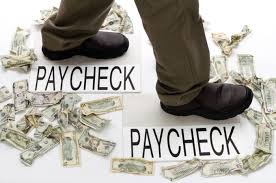
What is a reason for why so many Americans live paycheck-to-paycheck?
Many people are paying themselves first and then spending
Many people only buy what they NEED, not what they WANT
Many people impulse shop
Many people spend within their budget

If you are using a 50-30-20 budget, and you have a lot of debt, what could happen to your savings plans
Nothing, you can still save a lot of money
It will go up
You will not be able to save as much
If you owe money, you don't need to save

The dark orange in the pie chart represents what type of spending for a 50-30-20 budget?
Needs
Wants
Debt
Saving
Putting money aside for a trip/vacation this summer
Saving
Investing
Putting Money aside for a car...
Saving
Investing
Saving money now can help you with which of the following?
Prepare for unexpected emergencies
Prepare for retirement
Reach financial security
All of these answers are correct.
Contributing 4% of your paycheck to a 401(k) plan offered through your job
Saving
Investing
Buying shares of stock in your favorite shoe company
Saving
Investing
What does it mean to set up an “automatic deposit”?
You can set up your paycheck to be automatically delivered to your mailing address in an envelope in cash.
A copy of your paycheck gets automatically sent to the IRS so that you do not need to file taxes for that year.
You set up an amount of your paycheck to be deposited into an account automatically.
Your bills are automatically paid for by the bank.

