
 Worksheets
gilded age test review 2022-2023
Total questions: 178
Worksheet time: 2hrs 40mins

What happened to Native Americans when settlers wanted their land?
They were compensated for the land
They were removed to reservations
They stayed to show settlers how to properly use the land
The federal government stepped in to preserve the land

Which word correctly describes Tammany Hall?
Corrupt
Clean
Effecient
Fair
What led to an increase in union membership?
Industrialization of America
Agricultural Revolution
Native American reservations
Tammany Hall

Railroad growth led to what?
Rapid westernization
Rapid easternization
Rapid spread of disease
Rapid decline of trade
laissez-faire economic policies led to this
Lower tariffs
high taxes
Monopolies and trusts being formed
Successful small business

New agricultural inventions and the Homestead Act
Gold Rush
Slavery expanding into the western territory
Growth of manual labor on farms
The Great Plains developing
These people put limitations on immigrants
Nativist
Native Americans
Americanizers
European settlers
Which population was growing during this time?
Urban
Rural
Eastern
Farmland

What led to the increase in number of people living in tenements?
Rent prices were too high on agricultural land
Large number of immigrants and industrial workers
Apartments were unpopular
Long travel times to cities
Why did business leaders form trusts?
Eliminate compitition
Eliminate monopolies
Charge less for their goods
Mass production

Wealthy americans such as Andrew Carnegie rejected views of social darwinism by
Philanthropy- making charitable donations
Dividing social classes further by making more money
Overrunning small businesses
Accepting donations from those in need

How did the Dawes Act of 1887 affect Native Americans
Assimilation
Nativism
Gave them more territory
Gave them factory jobs

Large fenced ranches and barbed wire contributed to
The growing meatpacking industry
Safety of farmers
Containing workers
The growing corn industry
What was the goal of unions such as the American Federation of Labor?
Get working class into management positions
To acquire workers comp
Trying to improve wages and working conditions
Improve pay for women in the workforce
Which of the following would be considered a Pull Factor that attracted Immigrants to the U.S. during the Gilded Age?
The Dawes Act
The Reservation System
Nativism
The Homestead Act of 1862
Which of the following would be a correct description of what life was like in urban areas during the Gilded Age?
majority of the people were wealthy
most people in urban areas lived in nice houses
most people lived in poverty, and cities were overcrowded & dirty
city streets were well maintained, and the unemployment rate was low
What were the apartment style houses that many immigrants lived in called?
Tenements
Condos
Shack
Hotel
What were the apartment style houses that many immigrants lived in called?
Tenements
Condos
Shack
Hotel
Which of the following was a direct result of immigration during the Gilded Age?
Overcrowded Rural areas
Overcrowded Cities
Decreased Nativism
Improved working conditions
Most people that immigrated from Western European countries entered the U.S. through which immigration station?
Angle Island
Ellis Island
New Mexico
St. Lawrence Seaway
What do you think was the most difficult part about immigrating into the U.S. during the Gilded Age?
The long trip by boat
Dealing with Nativism once in the U.S.
Assimilating into American Society
What law was created to prohibit businesses from destroying competition but was used to limit power of labor unions?
Sixteenth Amendment
Pendleton Act
Sherman Antitrust Act
Referendum
Which of the following was not a Progressive reform introduced
Primary
Spoils System
Initiative
Recall


political machines provides them with jobs and favors

What president was assassinated as a result of the spoils system?
Chester A. Arthur
Ulysses S Grant
James A. Garfield
Rutherford B. Hayes


What was a city government marked by corruption, bribery, and Kickbacks (common during the Gilded Age) called?
city council
political machine
municipal party
electoral politics

The political machines of the parties were powerful in large part due to the
civil service.
election system.
spoils system.
tariff system.

Which of these did the Homestead Act do?
Allowed settlers to build two-story homes
Allowed settlers to settle into Florida
Allowed settlers to claim 160 acres in the West for free
All of the following were effects of the government's policies on Native Americans EXCEPT:
Native Americans were moved to reservations.
Native Americans died from new diseases.
Native Americans were paid well for their land.
Native Americans were stripped of their culture due to assimilation.
The Homestead Act:
Encouraged westward settlement
Granted 160 acres to every head of household
Created Native Tension
was an act which granted land to Natives
The Homestead Act had many goals. Select all that apply.
to encourage settlement of the West
to prepare for the Civil War
to rebuild the economy after the Civil War
to help African Americans and other poor people own land

|A law that gave settlers 160 acres of land for $10
homesteaders
drought
Homestead Act
Proclamation
What did Native Americans use the Buffalo for?
Food
Shelter
Clothing
All of the above
The Homestead Act attempted to promote development of western lands by
creating a system of dams for crop migration
removing all restrictions on immigration
placing Native Americans on reservations
providing free land to settlers
Which group of people were negatively affected by the Homestead Act
Miners
Ranchers
Sharecroppers
Native Americans
An organization of workers dedicated to protecting members' interests and improving wages, hours and working conditions for all.
Labor Union
Workers Rights
Worker Strikes
Collective Bargaining
Facing 12-hour work days and wage cuts resulting from the depressed economy, factory workers at the Pullman Palace Car Company walked out in protest. The strike ended when President Grover Cleveland sent federal troops to Chicago on July 6, 1894.
The Pullman Strike
Great Anthracite Coal Strike
Great Southwest Railroad Strike
Steel Strike of 1919
Which incident was a result of a Chicago labor disturbance on May 4, 1886, in which people were killed by a bomb thrown during a demonstration?
the Great Railroad Strike
the Haymarket Square Riot
the Homestead Strike
the Pullman Strike
What incident occurred in 1886 that badly hurt the reputation of the Knights of Labor?
the formation of the American Federation of Labor
the Pullman Strike
the Haymarket Riot
the Great Railroad Strike
An organization of workers established to serve and advance its members' interests in terms of wages, benefits, and working hours and conditions
closed shop
labor union
blacklist
lockout
Large companies that control the industry or sector they were in with the ability to control the price of the goods and services they provided.
Monopoly
Tenements
Investment control groups
Entrepreneurs
Which of the following would be considered a Pull Factor that attracted Immigrants to the U.S. during the Gilded Age?
The Dawes Act
The Reservation System
Nativism
The Homestead Act of 1862
Which of the following would be a correct description of what life was like in urban areas during the Gilded Age?
majority of the people were wealthy
most people in urban areas lived in nice houses
most people lived in poverty, and cities were overcrowded & dirty
city streets were well maintained, and the unemployment rate was low
What were the apartment style houses that many immigrants lived in called?
Tenements
Condos
Shack
Hotel
Which of the options below would correctly describe the working conditions during the Gilded Age? (choose all that apply)
long hours & low wages
child labor
Plenty of vacation & sick days
often unsafe working conditions
Which of the following was a direct result of immigration during the Gilded Age?
Overcrowded Rural areas
Overcrowded Cities
Decreased Nativism
Improved working conditions
Most people that immigrated from Western European countries entered the U.S. through which immigration station?
Angle Island
Ellis Island
New Mexico
St. Lawrence Seaway
Period of social and economic change from agrarian society to an industrial one.
Agrian Society
Industrialization
Imperialism
monopoly

Who invented the Assembly line?
Andrew Carnegie
Henry Ford
John D. Rockefeller
Cornelius Vanderbilt

Who was the captain of the steel industry?
Andrew Carnegie
Henry Ford
John D. Rockefeller
Cornelius Vanderbilt
Who had a monopoly on the oil business?
Andrew Carnegie
Henry Ford
John D. Rockefeller
Cornelius Vanderbilt

Who greatly expanded the American railroad system?
Andrew Carnegie
Henry Ford
John D. Rockefeller
Cornelius Vanderbilt
J.P. Morgan made a fortune through...
Banking and Electricity
Steel and Oil
Railroads and Shipping
Automobiles and the Assembly Line

Who invented the telephone?
Nikola Tesla
Alexander Graham Bell
The Wright Brothers
Karl Marx
Which invention of the 1800s did NOT contribute to the rise of big business?
Railroads
Electrical Lighting
Telephones
Bicycles
Mechanization is...
when a human operates a machine
installing machines into the human body
using machines to do work instead of humans
advancing machine technology
Which city became the core of the steel industry during industrialization?
Detroit, MI
Pittsburgh, PA
New England
Atlanta, GA
How did the US economy change after Reconstruction? (5-3.1)
Farmers produced more crops.
Trade was even more important to the US.
The US became a manufacturing and production country.
More people moved to the country because of overcrowding.
What happened as America shifted from an agrarian (farming) nation to an industrial nation?
New technologies helped farm work get done quicker and quicker.
It led to higher crop output.
Many people moved to the cities to make more money.
All of the above
Who made the Bessemer process, which converted iron into steel, popular in the United States?
Lewis Latimer
Thomas Edison
Henry Bessemer
John D. Rockefeller
Andrew Carnegie and John D. Rockefeller developed business practices that let them take total control of a specific industry. This practice was called ______________.
monopoly
technology
labor unions
urbanization
Growth of big business led to all EXCEPT which of the following:
People left cities and began to farm
By 1900, more Americans worked in factories than on farms
Big business created millions of jobs
The US became the world’s leading producer of manufactured goods

What does this image say about the control of political bosses?
political bosses wanted to squish the opportunities in New York
political bosses control all of New York City
Political bosses were showing their approval with a "thumbs up" image
New Jersey did not have political bosses

What legislation is this cartoon referring to?
30 day waiting period for immigration
Deportation after completion of Transcontinental Railroad
Immigration Reduction Act
Chinese Exclusion Act

Why does this image depict Rockefeller so large?
He was a political boss who tried to win governmental favors
He was a government inspector looking for corruption
He was a robber baron who used his money and power to influence government
He was looking to correct all of pollution cause by industrialization

What concept does this image refer to?
political machines
nativisim
labor unions
graft

What does this image say about the need for labor unions?
labor unions were desirable because the workers were being crushed by difficult living conditions and poor pay.
Labor unions decreased nativism
Labor unions helped big business keep control of the workers
Labor unions helped reduce the length of the work day
Which of the following would be a correct description of what life was like in urban areas during the Gilded Age?
majority of the people were wealthy
most people in urban areas lived in nice houses
most people lived in poverty, and cities were overcrowded & dirty
city streets were well maintained, and the unemployment rate was low
What were the apartment style houses that many immigrants lived in called?
Tenements
Condos
Shack
Hotel
Which of the options below would correctly describe the working conditions during the Gilded Age? (choose all that apply)
long hours & low wages
child labor
Plenty of vacation & sick days
often unsafe working conditions
It is defined as the deprivation of material essentials such as food, shelter, drinking water, and clothing. What economic issue is it?
Unemployment
Economic Inequality
Overpopulation
Poverty
Which of the following was widely considered a negative effect of political machines during the Gilded Age?
Political machines fostered corruption and graft in city politics
Political Machines partnered with big business
Political machines took advantage of immigrants
Political machines took advantage of debt-ridden farmers
What was the aim of the Sherman Antitrust Act?
To protect American consumers from anti-competitive business activities carried out by large corporations
To protect large corporations from being harassed and penalized by the federal government
To limit the liability of consumers should they be injured by the actions of a large corporation
To encourage the formation of large corporations in an effort to bolster efficiency in the American economy
Civil Service Reform was a response to what?
Political Machines and the Spoils System
The need to regulate State Governments
The need to regulate big business
Promote talent and skill amongst government employees
Civil Service Reform was a response to what?
Political Machines and the Spoils System
The need to regulate State Governments
The need to regulate big business
Promote talent and skill amongst government employees
The formation of business monopolies in the late 1800s was made possible by the
effects of laissez-faire policies
elimination of the free-enterprise system
adoption of socialist economic practices
passage of federal antitrust laws
Which of the following presidents are associated with civil service reform?
Grover Cleveland
Rutherford B. Hayes
Ulysses S. Grant
Chester Arthur
The purpose of the Pendleton Act of 1883 was to?
fill government jobs on the basis of merit.
ensure that appointments to government jobs were approved by Congress.
declare illegal the system of city political machines and boss rule.
establish the first racial quotas for government jobs.


What is another word for inventions that made manufacturing more efficient during the Gilded Age?
Industrialization
Urbanization
Mechanization
Innovations
What innovation allowed factories to run beyond day time hours?
Assembly line
Bessemer process
Telephone
Lightbulb
What innovation promoted settlement and trade by helping ranchers and farmers get their products to market?
Transcontinental railroad
Pony express
Airplane
Automobile
Which new innovation contributed to a significant increase in factory production in the United States at the beginning of the Twentieth Century (1900s)?
Railroads
Electricity
Steam power
Telegraph systems
New inventions such as _ contributed to America's economic progress. (choose all answer choices that apply)
Bessemer Process
oil well
electricity
automobile
The _ was first completed in 1869, connecting the east coast to the west coast.
Transcontinental Railroad
steam engine
steam boat
electric trolly
In 1876, Alexander Graham Bell invented the _.
telephone
autombile
sewing machine
airplane
Railroad growth led to what?
Rapid westernization
Rapid easternization
Rapid spread of disease
Rapid decline of trade
What is another word for inventions that made manufacturing more efficient during the Gilded Age?
Industrialization
Urbanization
Mechanization
Innovations
What innovation allowed factories to run beyond day time hours?
Assembly line
Bessemer process
Telephone
Lightbulb
What innovation promoted settlement and trade by helping ranchers and farmers get their products to market?
Transcontinental railroad
Pony express
Airplane
Automobile
Which new innovation contributed to a significant increase in factory production in the United States at the beginning of the Twentieth Century (1900s)?
Railroads
Electricity
Steam power
Telegraph systems
New inventions such as _ contributed to America's economic progress. (choose all answer choices that apply)
Bessemer Process
oil well
electricity
automobile
The _ was first completed in 1869, connecting the east coast to the west coast.
Transcontinental Railroad
steam engine
steam boat
electric trolly
In 1876, Alexander Graham Bell invented the _.
telephone
autombile
sewing machine
airplane
The telephone and telegraph improved _
communication.
travel.
the way people worked.
the standard of living
Thomas Edison invented the _
light bulb
telephone
sewing machine
telegraph
The telephone and telegraph improved _
communication.
travel.
the way people worked.
the standard of living
Thomas Edison invented the _
light bulb
telephone
sewing machine
telegraph
The classic 19th-century essay “The Gospel of Wealth” was authored by
Andrew Carnegie
J. P. Morgan
John D. Rockefeller
Jay Gould
Who was a fearless African American anti-lynching advocate, suffragist, and women’s rights activist?
Alice Paul
Carrie Chapman Catt
Elizabeth Cady Stanton
Ida Wells-Barnett

How did industrialization in the United States change the lives of women and children in the nineteenth century?
Women and children gained higher social status as business owners.
Women and children were more educated in order to compete for
jobs.
Women and children increasingly became wage earners in their
families.
Women and children rose as leaders in the movement to organize
labor.
How did industrialization in the United States change the lives of women and children in the nineteenth century?
Women and children gained higher social status as business owners.
Women and children were more educated in order to compete for
jobs.
Women and children increasingly became wage earners in their
families.
Women and children rose as leaders in the movement to organize
labor.
How did industrialization in the United States change the lives of women and children in the nineteenth century?
Women and children gained higher social status as business owners.
Women and children were more educated in order to compete for
jobs.
Women and children increasingly became wage earners in their
families.
Women and children rose as leaders in the movement to organize
labor.
Settlers and adventurers began arriving in large numbers to Alaska and western Canada in the late 1800s after —
the admission of Alaska as a new state
the discovery of gold in the Klondike region
the completion of the Transcontinental Railroad
the first successful navigation of the Northwest Passage
Building subway systems in American cities early in the twentieth century contributed to —
faster access to information for Americans
a decline in the standard of living for Americans
greater employment opportunities for Americans
an increase in issues related to crime for Americans
Building subway systems in American cities early in the twentieth century contributed to —
faster access to information for Americans
a decline in the standard of living for Americans
greater employment opportunities for Americans
an increase in issues related to crime for Americans
What new innovation did Henry Ford use to lower the average cost of cars?
railroads
cheaper parts
cranes
an assembly line
What are "Robber Barons?"
Employees who would steal parts from the company they worked for
Members of Trusts that used ruthless means to gain wealth
Business owners who would buy other companies to make themselves wealthier
People who stole money from other companies
Which 2 major businessmen were Philanthropists?
Carnegie and Rockefeller
Morgan and Carnegie
Vanderbilt and Ford
Ford and Rockefeller
Who led the enormous expansion of the steel industry?
Henry Ford
Andrew Carnegie
John D. Rockefeller
J.P. Morgan
During the Gilded Age there was an increase in ____________________ and ___________________ as people moved into the U.S. and going to cities looking for economic opportunities.
Work and Infrastructure
Corruption and Laissez-Faire
Urbanization and Immigration
Monopolies and Political Bosses
Who owned Standard Oil and is considered the wealthiest American of all time?
John D. Rockefeller
Andrew Carnegie
Samuel Gompers
JP Morgan
A Scottish immigrant who led the enormous expansion of the steel industry.
Andrew Carnegie
John D. Rockefeller
J.P. Morgan
Cornelius Vanderbilt

Cornelius Vanderbilt made his fortune in...
Railroads
Oil
Steel
Finance
When production moves from worker to worker and items made more quickly, this process was called an
Assembly Line
Tenement
Copy Machine
Factory
_________ were hired to work in factories because they could be paid the lowest wages.
Women
Animals
Children
Men
_________ were hired by textile mills and mines because of their size.
Women
Children
Animals
Men
Which of the following shows the correct sequence in which important farming tools were invented?
Deere steel plow, Glidden barbed wire, Oliver iron plow, McCormick mechanical reaper
McCormick mechanical reaper, Oliver iron plow, Glidden barbed wire, Deere steel plow
McCormick mechanical reaper, Deere steel plow, Oliver iron plow, Glidden barbed wire
Deere steel plow, McCormick mechanical reaper, Oliver iron blow, Glidden barbed wire
Who designed a plow with a steel blade?
Cyrus McCormick
Alexis de Tocqueville
John Deere
Isaac Singer
Who developed the mechanical reaper, a harvesting machine that cut wheat more efficiently?
Alexis de Tocqueville
John Deere
Isaac Singer
Cyrus McCormick
The invention of the telephone
facilitating the expansion of national markets
allowed for travel.
allowed people to work easier
the standard of living went up
The transcontinental railroad was mostly built by:
Chinese and Irish immigrants because they worked for low wages.
Americans who moved west from large cities in the east.
Indians
Which was NOT a cause of westward expansion?
The Homestead Act of 1862
mining gold and other natural resources
assimilation of American Indians
the transcontinental railroad
This invention created steel, which was used to build railroads and skyscrapers:
the telegraph
the Bessemer Process
the Model T
The light bulb
______ invented the ______, a car that was created on the assembly line and inexpensive enough for regular Americans to buy.
Alexander Graham Bell, Rolls Royce
Henry Ford, Model T
Thomas Edison, Tesla
Who was the oil tycoon who created the Standard Oil Company
Carnegie
Morgan
Rockefeller
Vanderbilt
Which industrialist successfully adopted the Bessemer process, revolutionizing the American iron industry by enabling the cheap and efficient mass production of steel
Carnegie
Morgan
Rockefeller
Vanderbilt

I became rich by working in the steel industry.
Cornelius Vanderbilt
Andrew Carnegie
John D. Rockefeller
This was designed to prevent companies from engaging in unfair practices that eliminated competition. (Break up of monologies)
Sherman Anti-Trust Act
Interstate Commerce Act
Labor Unions
Monopoly
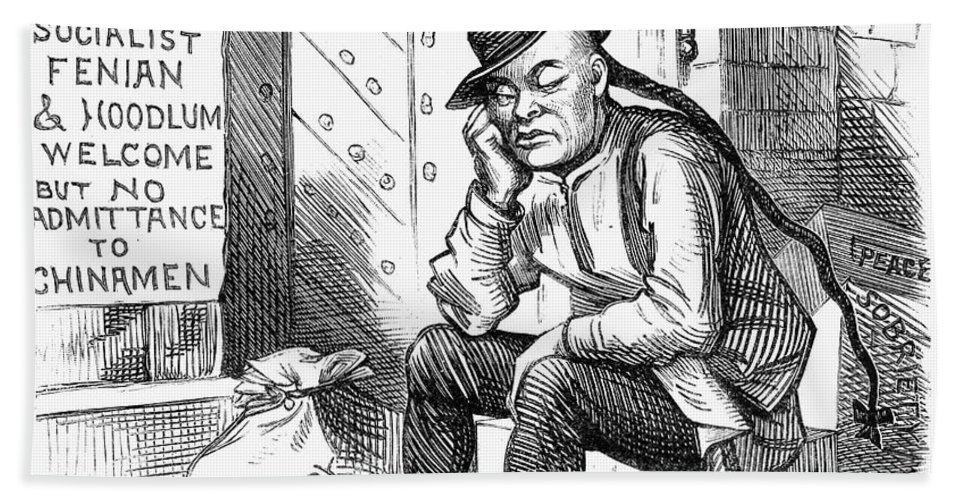
Which legislative action was intended to preserve jobs for Americans living on the west coast?
Pendleton Act
Homestead Act
Mexican Repatriation Act
Chinese Exclusion Act
The Transcontinental Railroad caused {choose the 3 that apply}
increased numbers of settles in the west
increased commerce and communication
contributided to the growth of cities like chicago and denver
the Entertainment Capital of the World
Which factor contributed to the settling of the American West by immigrants arriving from places such as China, Ireland, and Scandinavia?
Establishment of a system of Indian reservations
Invention of the commercial electric telegraph
Development of cattle drive trails out of Texas
Building of the Transcontinental Railroad
During the Gilded Age, increased immigration to the Unites States from southern and eastern Europe resulted in-
growing nativist sentiments
increasing religious tolerance
declining economic conditions
changing attitudes about women's roles

Which condition prompted this type of headline during the Gilded Age?
Rise of political machines
Immigration policies with quotas
Westward migration
Increased rates of urbanization

The change depicted in the above maps was largely a result of-
the completion of the Erie Canal
signing into law the Homestead Act
the impositon of immigration restrictions
federal government regulations on the railroad industry

The illustration above demonstrates one problem associated with-
overcrowding in urban tenements
the growth of political machines
the overproduction of consumer goods
labor union activism in urban areas

Which of these terms best completes the diagram?
Reconstruction
Immigration
Populism
Woman's suffrage

Which legislative action influenced the population changes in the western United States illustrated on the chart?
Pendleton Act
Homestead Act
Chinese Exclusion Act of 1882
American Indian Citizenship Act
How did both the Klondike Gold Rush and the passage of the Homestead Act result in demographic changes to U.S. society?
Women outnumbered men living on the plains of the American West
American Indians were displaced by descendants of European immigrants
Chinese migration increased at a faster rate than that of other immigrant groups
Most of the population of the United States shifted from the wast coast to the west coast
A chief characteristic of the Gilded Age includes-
improved working conditions
increased political corruption
improved employment opportunities for women
expanded government protections of American Indian tribes

Why were the technological innovations listed in the box developed in the late nineteenth century?
Farmers began experimenting with new inventions to sell in newly-formed businesses
Business leaders had money to invest in research and development of new technologies
New inventions were introduced to the United States by immigrants coming from Europe
Population growth in the United States resulted in increased demand for agricultural products

Which event would best complete the diagram?
The California Gold Rush
The Dawes Act of 1887
The Immigration Act of 1882
The Transcontinental Railroad
Civil Service reform during the Gilded Age were a response to-
protests from Congressional leaders to regulate state governments
demands from labor leaders that hiring practices needed to change
the growth of political machines and corruption of the "spoils system"
the problems brought about by rapid industrialization and urbanization
Which of the following was a direct result of immigration during the Gilded Age?
Overcrowded Rural areas
Overcrowded Cities
Decreased Nativism
Improved working conditions
The Dawes Act (1887) did which of the following?
Divided Native American tribal lands into individual holdings.
Promoted the preservation of Native American cultural identity.
Granted immediate citizenship to Native Americans.
Forbade the use of Native American languages in public schools.
Made manufacturing more efficient; light bulb led to more hours of work=more production
steam engine
electricity
trains
Bessemer process
Total control of a product by one company, laws passed against _______________ to protect consumer prices
political bosses
monopolies
free enterprise
capitalism
Philanthropy to improve society through donations to education and the arts
Andrew Carnegie
John D. Rockefeller
Thomas Edison
George Washington
Came to America for better economic conditions, to farm fertile soil, jobs in factories; citizens wanted assimilation
Native Americans
Immigrants
Foreign Governments
Federalists
Persecuted because they were Catholic
Irish Immigrants
Puritans
Chinese
German Immigrants
Wanted restrictions on immigration, assimilation
Immigrants
Nativists
Exiles
Clowns
Passed because people in the West did not want to compete with immigrants for jobs
Sherman Antitrust Act
Interstate Commerce Act
Chinese Exclusion Act
Homestead Act
Law intended to assimilate Native Americans into American culture
Sherman Antitrust Act
Homestead Act
Chinese Exclusion Act
Dawes Act
What was the initial cause of the Pullman Strike?
US Attorney General issuing an injunction prohibiting Pullamn workers from striking
Company cutting wages and refusing to meet with a delegation of workers
Company officials demanding that Pullman workers sign a pledge not to join a union.
Railroad workers went on strike and asked for the support of the Pullman workers

Why were individuals like John. D. Rockefeller, Andrew Carnegie, J.P Morgan and Vanderbilt called Robber Barons?
They were nice to people
They stole money from the government
They robbed the rich
They used ruthless business tactics against other companies and competitors

