
NEW
Font size
 Worksheets
Y8 Chemical Reactions
Total questions: 30
Worksheet time: 16mins
What is produced in complete combustion of a fuel?
Carbon
Carbon monoxide
Carbon monoxide and water
Carbon dioxide and water
In this chemical reaction, which is the product/s?
Magnesium + Oxygen --> Magnesium oxide
magnesium
magnesium and oxygen
magnesium oxide
oxygen
Use the following observations to select the correct reactivity series (highest to lowest).
calcium + water: slow
sodium + water: fast
calcium + dilute acid: very fast
gold + dilute acid: no reaction
aluminium + dilute acid: fast
calcium, sodium, aluminium, gold
sodium, calcium, aluminium, gold
sodium, aluminium, calcium, gold
gold, aluminium, calcium, sodium
Which of the following is MOST reactive?
Lithium
Lead
Tin
Copper
Alkali metal + Water —> _____________ + ____________
metal hydroxide and oxygen gas
metal hydroxide and hydrogen gas
metal oxide and oxygen gas
metal oxide and hydrogen gas
Lithium + Oxygen —> _________________
Lithium hydroxide
Lithium oxide
Hydrogen gas
Oxygen gas
Which of the following does not react with water?
Copper
Lithium
Sodium
Potassium
Name the products formed when zinc reacts with hydrochloric acid?
zinc oxide and water
zinc oxide and water
zinc chloride and hydrogen gas
zinc hydroxide and hydrogen gas
Which one of the following metals reacts slowly with cold water?
Lithium
Copper
Silver
Calcium
Which of the following metals easily get rusted to form brown deposits on it?
Lead
Gold
Aluminium
Iron
In an endothermic reaction, heat is ...
taken in
given out
6. Which of these processes is always exothermic?
A. evaporation
B. burning
C. insulation
D. melting
1. Equal amounts of four different substances (A-D) where added separately to equal amounts of an acid and a thermometer placed in the mixture. For which substance is the reaction the most exothermic?
A. temperature rises by 3 °C
B. temperature falls by 5 °C
C. temperature falls by 3 °C
D. temperature rises by 5 °C
4. Equal amounts of four different substances (A-D) where added separately to equal amounts of an acid and a thermometer placed in the mixture. For which substance is the reaction the least endothermic?
A. temperature falls by 3 °C
B. temperature rises by 5 °C
C. temperature falls by 5 °C
D. temperature rises by 3 °C

5. When ammonium chloride dissolves in water the temperature falls. The type of energy change is described as?
A. exothermic
B. activated
C. decomposition
D. endothermic
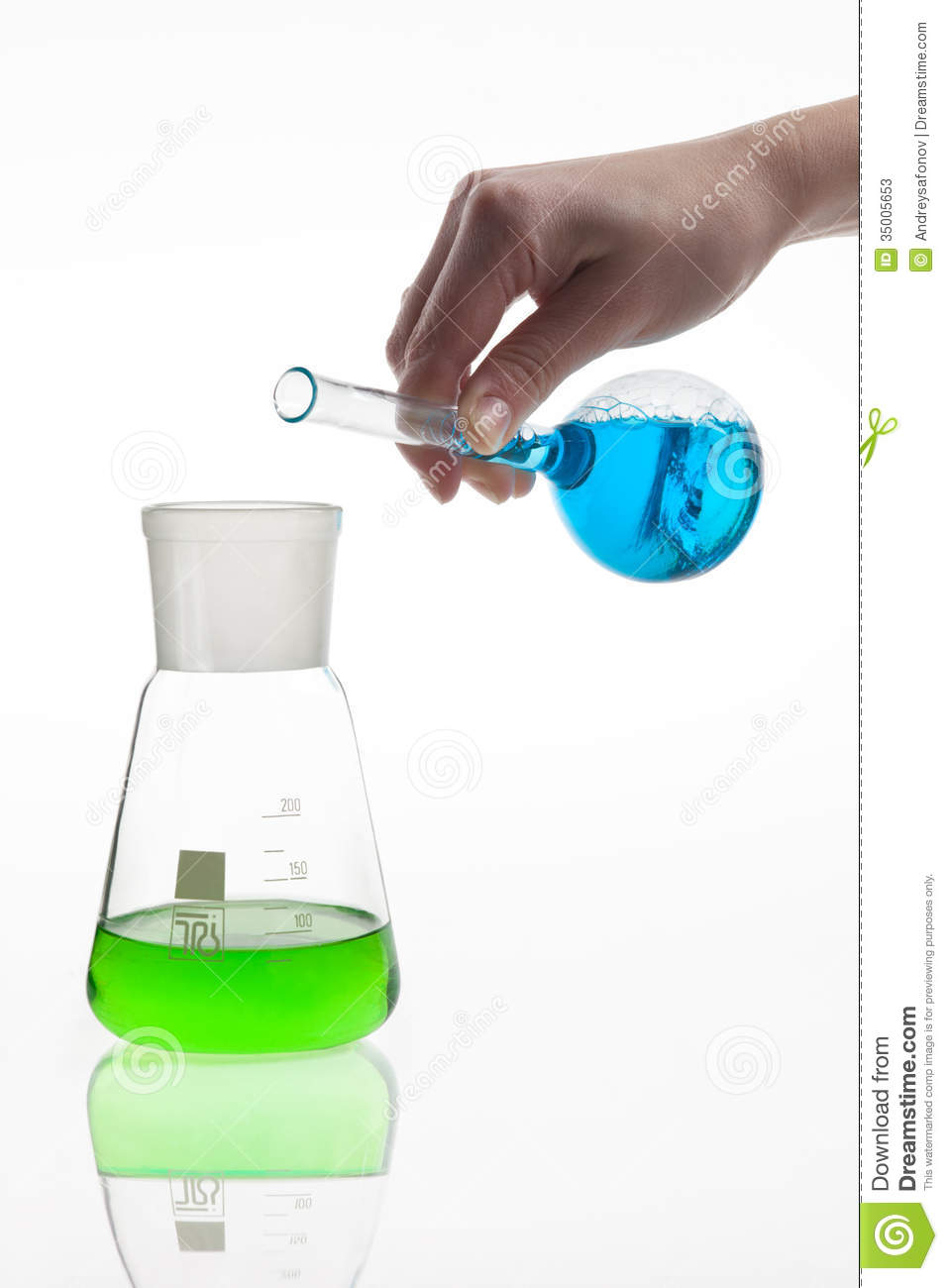
A student mixed two chemicals to allow them to react. The temperature before the reaction was 25 ° C. The temperature after the reaction was 18° C. Which of the following is true?
It is an exothermic reaction
It is an endothermic reaction
What instrument would you use to detect an endothermic or exothermic reaction?
triple beam balance
ruler
thermometer

