
Font size
 Worksheets
Cell Membrane & Diffusion
Total questions: 25
Worksheet time: 13mins
Select the processes which are passive and do not require energy
Diffusion
Active Transport
Which cell structure controls the entry and exit of molecules?
Cell Wall
Cell Membrane
Nucleus
Cytoplasm
Which of the following molecules is too large to pass through a selectively-permeable membrane?
Glucose
Starch
Salt
Water
Which two molecules make up the cell membrane?
Protein and Lipids
Protein and Phospholipids
Starch and Protein
Protein and Glucose
Diffusion is the movement of molecules from...
An area of high concentration to an area of low concentration.
An area of low concentration to an area of high concentration.
Select all of the molecules which move into a cell.
Carbon Dioxide
Urea
Glucose
Oxygen

A
B
C
D
When substances move from an area of high concentration to an area of low concentration, this is:
Endocytosis
Diffusion
Phagocytosis
Active Transport
Select all of the molecules which move out of a cell.
Carbon Dioxide
Urea
Glucose
Oxygen
Which type of transport requires an input of energy?
Active Transport
Osmosis
Facilitated diffusion
Simple diffusion
What does a 'region with high concentration' mean?
An area with a SMALL number of particles
An area with a LARGE number of particles
An area with an UNEVEN number of particles
An area with no particles
Diffusion is the movement of particles from an area of _____ concentration to an area of ______ concentration
High, Low
Low, High
Low, Low
High, High
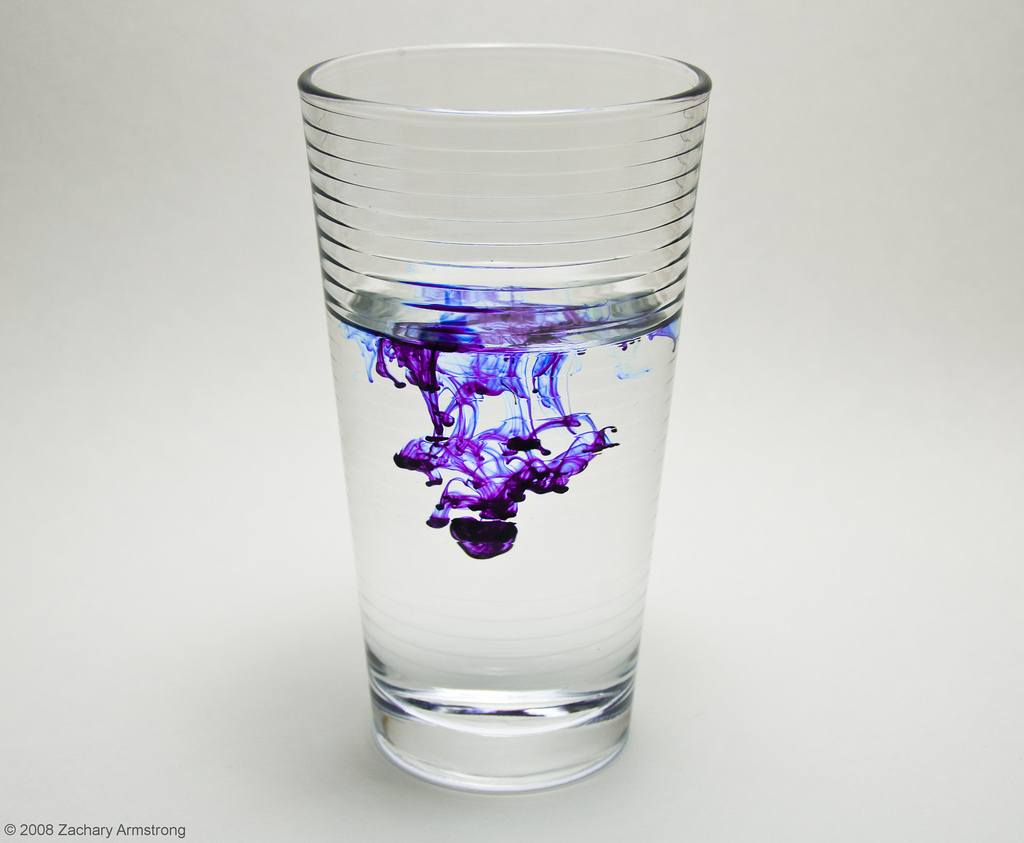
What is DIFFUSION?


This image displays:
Higher concentration of red molecules in A compared to B
Diffusion of red molecules will take place from B to A
Higher concentration of red molecules in B compared to A
Diffusion of yellow molecules will take place from A to B
Proteins are broken down into:
lipids
amino acids
monosaccrides
fatty acids
Carbohydrates are broken down into:
Proteins
Lipids
Fats
Glucose
Diffusion is the natural movement of molecules from:
Areas of low concentration to areas of high concentration
Areas of high concentration to areas of low concentration
Cold to hot environments
Gaseous to liquid environments
Phospholipids
Carbohydrates
Proteins
Nucleic acids
How many layers is the phospholipid bilayer?
small & insoluble
small & soluble
large & soluble
large & insoluble
When a sheep is on its back can't get up.
True
False

