
 Worksheets
TERM EXAM - PERIOPERATIVE
Total questions: 100
Worksheet time: 1hrs 11mins
A preoperative nurse works in the operating room.
True
False
Can a pre-operative nurse witness a surgical consent?
Yes
No
The pre-operative nurse is responsible for
Assessing medication history
Performing baseline vital signs
Administering local anesthetics
Answer option 1 and 2
The pre-operative nurse is responsible for performing a surgical scrub and donning a sterile gown.
True
False
The pre-operative nurse is part of the surgical interdisciplinary team.
True
False
The Circulating Nurse is sterile
True
False
The Scrub personnel can be either a nurse or surgical technician
True
False
Patient positioning is crucial in order to avoid nerve damage or injury to the patient.
True
False
The Surgical Time Out is the last part of the Universal Protocol.
True
False
The scrub personnel and circulating nurse perform and verify surgical counts cohesively.
True
False
The PACU nurse is responsible for admitting the patient for surgery.
True
False
The handoff report to the PACU nurse should include which of the following?
Patient Name
Surgical Procedure
Current Medications and Allergies
All Of The Above
The PACU nurse assesses the patient's:
Airway
Breathing
Circulation
All Of The Above
What is the PACU nurse's priority nursing intervention?
Preventing postoperative complications
Positioning the patient
Preventing pain
Keeping the patient warm
A PACU nurse is assessing the wound of a surgical site. Which of the following should be assessed?
Assess drainage
Assess color and consistency
Assess for signs of infection
All Of The Above
Symptoms of unrelieved pain in a hospital setting include (select all that apply)
Increase in release of insulin
Increased heart rate
Decrease in urinary output
Increase in gastric mobility
Decrease in cardiac workload
Surgical trauma; wound and burn pain, cancer pain and labor pain are all nociceptive pain that is referred to as ________ pain
Peripheral pain
Somatic pain
Visceral pain
Systemic pain
This pain is pathological and results from abnormal processing of sensory input by the nervous system as a result of damage to the peripheral or central nervous system
Breakthrough pain
Nociceptive pain
Neuropathic pain
Chronic pain
In a hospital, a nurse is assessing a patient's pain. Pain is (select all that apply)
What the patient says it is
Is the primary reason people seek health care treatment
Is objective data
Can be defined as acute or chronic
Always treatable by some method
The age at which a person can identify pain by a number?
6
5
7
8
Constipation, nausea, vomiting, and sedation are side effects of_______
Antagonist
Opioids
Analgesic
Steroids
Nonpharmacologic methods of pain management include? (select all that apply)
Proper body alignment
Yoga
TENS
Humor
Placebo
A patient named Ethan is receiving an opioid via a PCA pump as part of his postoperative pain management program. During rounds, the nurse named Hannah finds him unresponsive, with respirations of 8 breaths/min and blood pressure of 102/58 mm Hg. After stopping the opioid infusion, what should the nurse named Kai do next?
Notify the charge nurse
Draw arterial blood gases
Administer an opiate antagonist per standing orders
Perform a thorough assessment, including mental status evaluation
Which nursing diagnosis is possible for a patient named Zoe who is now recovering after having been under general anesthesia for 3 to 4 hours during surgery?
Impaired urinary elimination related to the use of vasopressors as anesthetics
Increased cardiac output related to the effects of general anesthesia
Risk for falls related to decreased sensorium for 2 to 4 days postoperatively
Impaired gas exchange due to the CNS depressant effect of general anesthesia
During a patient's recovery from a lengthy surgery, the nurse monitors for signs of malignant hyperthermia. In addition to a rapid rise in body temperature, which assessment findings would indicate the possible presence of this condition? (Select all that apply.)
Respiratory depression
Tachypnea
Tachycardia
Seizure activity
Muscle rigidity
The preoperative phase of surgery begins with...
the decision to proceed with surgical intervention
the patient being admitted to the pre-admission testing unit
the patient being transferred to the OR suite
the patient signing admission paperwork
Which of the following surgeries would be classified as emergent?
Kidney stones
Urethral stones
Fractured skull
Cataract
Which of the following conditions is commonly associated with obese patients and of primary concern when scheduled for surgery? Select all that apply
Wound infection
Sleep apnea
Wound dehiscence
Hypoventilation
Which health care provider informs the patient of the benefits and risks of surgery prior to going to surgery?
Registered Nurse
Surgeon
OR administrator
Licensed Physician's Assistant
Which of the following items is included in a valid informed consent? Select all that apply
Patient must be 16 years of age or older
Patient must be 18 years of age or older
Consent must be freely given
A physician must obtain informed consent
A physician assistant may obtain informed consent

Name the instrument:
(a)

Name the instrument:
(a)
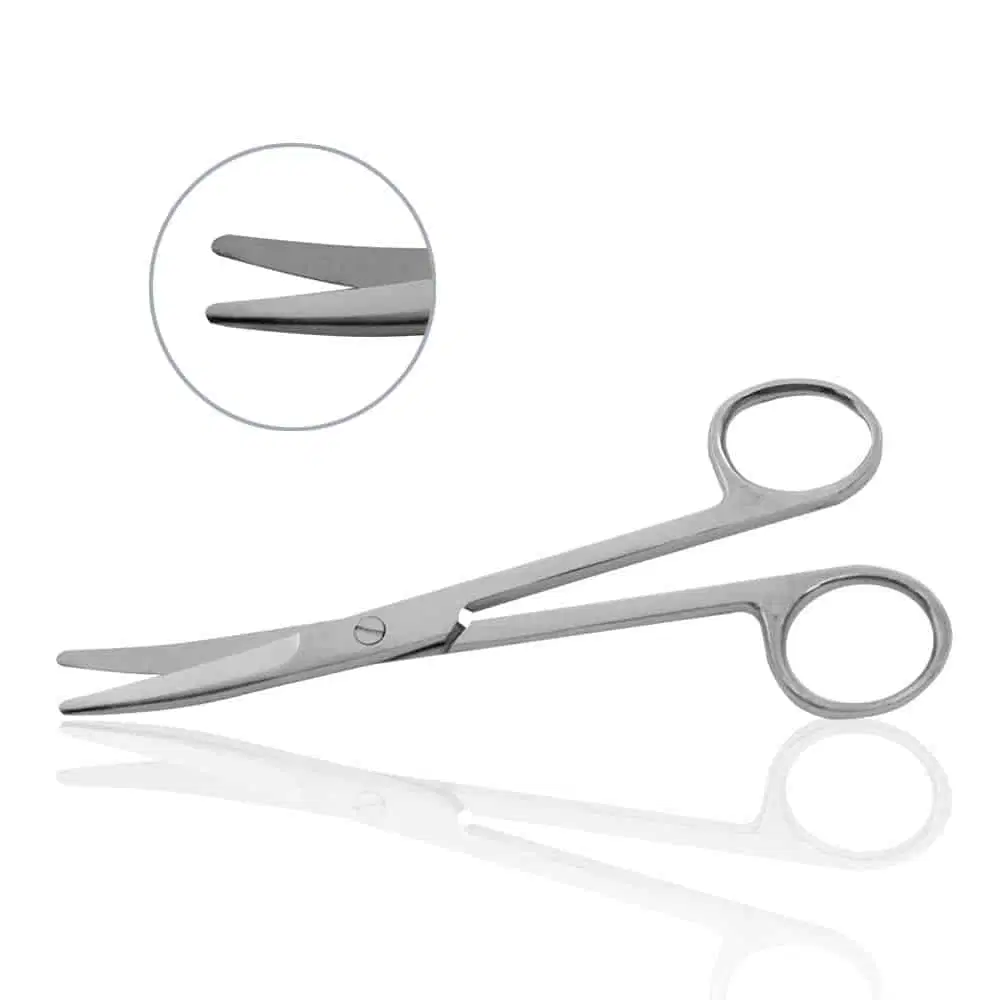
Name the Instrument
(a)
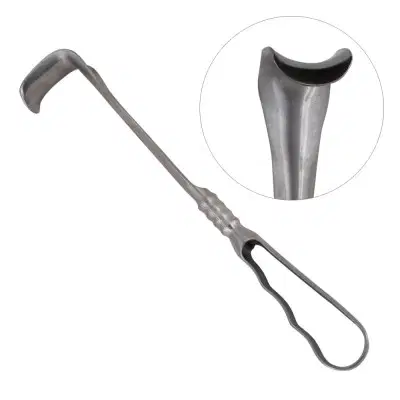
Name the Retractor
(a)

Name the Retractor
(a)

Name the instrument
(a)

Name the Instrument
(a)

Name the instrument
(a)

Name the instrument
(a)

Name the Instrument
(a)
Which type of scissors is used when dealing with more delicate tissues?
mayo dissecting scissors
Metzenbaum dissecting scissors
sharp/blunt operating scissors
iris scissors
What type of clamping instrument is used to stop bleeding by collapsing the lumen to the blood vessel?
tissue forceps
hemostatic forceps
towel clamp
hand-held retractor
When gowning in sterile attire, which item of clothing is put on last?
sterile gloves
cap
mask
sterile gown
All of the following are part of the "sterile field" with the exception of:
the surgeon's front above the waist including the arms
the draped patient
dedicated operating room shoes
the instrument tray
Which instrument is used to clamp blood vessels and stop bleeding?
towel clamp
hemostat
obturator
forceps
Which instrument can enlarge a constricted tube or duct?
forceps
scalpel
clamp
dilator
Which is used to attach surgical drapes to each other?
Jones towel clamp
Kelly clamp
Mosquito clamp
Hemostat clamp
Which scissor was named for its specialized use in eye surgery?
Iris scissor
Adson scissor
Lister scissor
Operating scissor
What instrument has a blade secured in a handle and can be disposable or reusable?
scalpel
forceps
tenaculum
clamp
What is the locking mechanism on surgical instruments called?
serrations
ratchets
ligatures
teeth
What is the role of a perioperative nurse?
Assisting the surgeon during surgery
Providing postoperative care to patients
Administering anesthesia to patients
Performing preoperative assessments
Which of the following is a common perioperative complication?
Urinary tract infection
Common cold
Headache
Back pain
What is the purpose of surgical drapes?
To provide comfort to the patient
To prevent contamination of the surgical site
To improve visibility for the surgeon
To reduce surgical time
ASA (aspirin) should be discontinued...
7-10 days before surgery
1-3 days before surgery
At least 30 days before surgery
At least 60 days before surgery
Which of the following items is included in a valid informed consent? Select all that apply
Patient must be 16 years of age or older
Patient must be 18 years of age or older
Consent must be freely given
A physician must obtain informed consent
A physician assistant may obtain informed consent
Which health care provider informs the patient of the benefits and risks of surgery prior to going to surgery?
Registered Nurse
Surgeon
OR administrator
Licensed Physician's Assistant
Which of the following surgeries would be classified as emergent?
Kidney stones
Urethral stones
Fractured skull
Cataract
The use of herbal medicines should be discontinued...
At least 2 days before surgery
At least 2 weeks before surgery
At least 30 days before surgery
At least 7-10 days before surgery
Which of the following statements is the correct way for patients to splint incisions when they cough?
Put the palms of the fingers together and interlace the fingers snugly and place hands across incision
Hold one hand gently directly over the incision and breathe deeply before coughing
Hold both hands on top of each other strongly exerting pressure over the incision
Have the patient deep breathe while they provide medium pressure over the incision
Deep breathing is an important pre-operative teaching area. Which one of the following would be included in your teaching for the pre-operative patient?
Take a deep breath and hold for 5 seconds, repeat 15 times twice daily
Take a deep breath and hold for 10 seconds
Take a deep breath and hold for 3 seconds, repeat 15 times twice daily
Take a deep breath and hold for 5 seconds, repeat 5 times twice daily
The patient who is considered at risk for surgical complications is...
A patient with arthritis
A patient with HTN (hypertension)
A dehydrated patient
A patient who smokes
Why should pts stop smoking as soon as possible with scheduled surgery?
Delays wound healing
Increases difficult clearing airway
Causes strokes
Causes pneumonia
Which age group has less physiological capacity to adapt to the stress of surgery?
Adolescents
School aged children
Older adults
Adults
Why does surgery increase the need for nutrition?
Adequate nutrition prevents internal bleeding
Adequate nutrition promotes tissue repair
Adequate nutrition decreases edema
Adequate nutrition increases resistance to infection
What happens as a pt's weight increases?
Decreased ventilation and heart function
Increased risk of post op atelectasis, pneumonia, and death
Increased risk for pressure injuries
Increased ventilation and heart function
Partial or complete obstruction of the upper airway during sleep
Hypoventilation sleep apnea
Pulmonic sleep apnea
Central sleep apnea
Obstructive sleep apnea
What changes happen to the body during obstructive sleep apnea?
Decreased cardiac output
Decreased sympathetic output
Decreased oxygen saturation
Decreased blood pressure
What is risky for a patient with obstructive sleep apnea?
Incentive spirometry
Conscious sedation
Post op ambulation
Drinking
Immunosuppression imposes what risks with surgery?
Amputation
Risk for infection
Inadequate wound healing
Blood clotting
What happens due to stress response from surgery?
Negative nitrogen balance
Hyperglycemia
Water and sodium retention
Potassium loss
Which patients are at a higher risk of experiencing fluid and electrolyte imbalances following surgery?
Patients with preexisting diabetes and renal diseases
Patients with gastrointestinal or cardiovascular abnormalities
Patients with spine and bone deformities
Patients with brain or nerve damage
Postoperative nausea and vomiting can cause
Wound splitting
Aspiration
Fluid and electrolyte imbalance
Pain
Which of the following increases the risk of postoperative nausea and vomiting?
Opioids and inhaled anesthetics
Increased fluid and electrolyte intake
Eating 24 hours before surgery
ENT, abdominal, and gynecology surgeries
Which factors increase risk of a venous thromboembolism?
Joint replacement
Surgery longer than 90 minutes
Mobility reduction after surgery
Cancer or cancer treatment
Who is at risk for developing a venous thromboembolism?
An obese pt with dehydration
A 5 year old pt with a paper cut
A 60 year old critical care pt with a known clotting disorder
An anorexic pt with hypoglycemia
Loss of all sensation and consciousness
Moderate conscious sedation
General anesthesia
Local anesthesia
Regional anesthesia
Loss of sensation in one area of the body
Moderate conscious sedation
General anesthesia
Local anesthesia
Regional anesthesia
Loss of sensation at a specific site
Moderate conscious sedation
General anesthesia
Local anesthesia
Regional anesthesia
High risk surgery
Major surgery
Minor surgery
What type of surgery is considered low risk?
Major surgery
Minor surgery
Not time sensitive
Urgent surgery
Elective surgery
Emergency surgery
Scheduled within 24-48 hours to alleviate symptoms, repair, or restore a body part
Urgent surgery
Elective surgery
Emergency surgery
Pt is transported to the OR ASAP to preserve life and function
Urgent surgery
Elective surgery
Emergency surgery
Removal of a diseased part
Reconstructive
Palliative
Ablative
Diagnostic
Used to confirm or rule out a condition
Reconstructive
Palliative
Ablative
Diagnostic
Used to alleviate discomfort or other disease symptoms without producing a cure
Reconstructive
Palliative
Cosmetic
Transplant
Used to restore function
Reconstructive
Palliative
Cosmetic
Transplant
Used to improve appearance
Reconstructive
Palliative
Cosmetic
Transplant
Replaces a malfunctioning body part, tissue, or organ
Reconstructive
Palliative
Cosmetic
Transplant
What are surgeries classified by?
Specialty
Seriousness
Urgency
Purpose
ASA classification of a patient with a mild systemic disease without substantive changes
ASA 1
ASA 2
ASA 3
ASA 4
ASA classification of a patient with severe systemic disease with substantive changes
ASA 1
ASA 3
ASA 4
ASA 5
Poor control of blood glucose during and after surgery can lead to
Gangrene
Blood clots
Risk of infection
Poor healing
Observation, post anesthesia recovery score, and discharge occur during which phase of postoperative care?
Phase 1
Phase 2
Phase 3
Focused assessment, v/s every 5-15 mins, recovery from anesthesia, airway management, dressing assessment, pain control, fluid therapy, mobility and sensation assessment occur during which phase of postoperative care?
Phase 1
Phase 2
Phase 3
Assessment of airway, circulation, temperature, fluid & electrolyte, neuro, skin, metabolism, GI, GU, mobility, comfort, and nutrition occurs during which phase of postoperative care?
Phase 1
Phase 2
Phase 3
Rare genetic life threatening complication of anesthesia where a hypermetabolic state occurs within skeletal muscles that become triggered
Benign Hypothermia
Benign Hyperthermia
Malignant Hypothermia
Malignant Hyperthermia
Malignant hyperthermia results in increased
Intracellular calcium ions
Extracellular calcium ions
Intracellular sodium ions
Extracellular sodium ions
Malignant hyperthermia results in
Increased CO2, O2, and K+ levels
Metabolic and respiratory acidosis
Production of heat
Activation of the sympathetic nervous system
Early signs of malignant hyperthermia include
Tachypnea and tachycardia
Heart arrhythmias and muscle rigidity
Hypotension and hypoventilation
Hyperkalemia and hypercarbia

