
 Worksheets
STEM Egg Drop Vocabulary Quiz
Total questions: 25
Worksheet time: 16mins

The energy that is stored in an object because of its position.
Potential Energy
Design
Kinetic Energy
Design

The energy that someone or something gets from being in motion, or moving.
Potential Energy
Cushioning Material
Binding Energy
Kinetic Energy

The diagram shows 2 boxes with forces being applied to them. In the diagram, force (F) is shown in newtons (N), acceleration (a) is shown in meters/second2 (m/s2), and the mass is shown in grams (g).
Which statement is supported by the diagram?
As the mass of an object increases, the force required for it accelerate decreases.
As the mass of an object decreases, the force required for to accelerate increases.
Heavier objects require more force than lighter objects to accelerate at the same rate.
Heavier objects require less force than lighter objects to accelerate at the same rate.
A ___________ is a push or a pull that causes an object to move.
force
speed
energy
direction
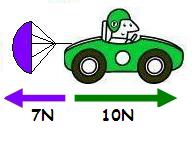
What is the net force?
3 N
3 N, right
17 N, right
3 N, left

The force that causes objects with mass to attract one another.
Weight
Gravity
Mass
Magnetism
The speed and direction of a moving object is its -
velocity
acceleration
force
distance
Which of the following is an example of a SPEED?
35 seconds
45 minutes
60 mph (miles per hour)
50 meters
Which of the following choices is an example of VELOCITY?
35 mph
35 meters
35 mph EAST
35 minutes
The rate at which velocity changes and can be seen by speeding up, slowing down, or changing direction:
Speed
Velocity
Acceleration
Slope
Terminal velocity is...
the consistent velocity attainable by an object as it falls through a medium
the average velocity attainable by an object as it falls through a medium
the highest velocity attainable by an object as it falls through a medium
the lowest velocity attainable by an object as it falls through a medium

20 N right
400 N left
40 N right
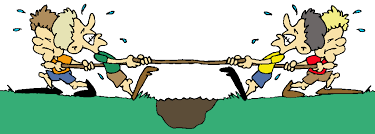
All forces have ______.
weight and mass
magnitude and speed
force and mass
magnitude and direction
The force of gravity acting on an objects mass is the object's ______.
These zones are designed to deform to absorb forces.
Protective zone
Crumple zone
Auto zone
Safety zone
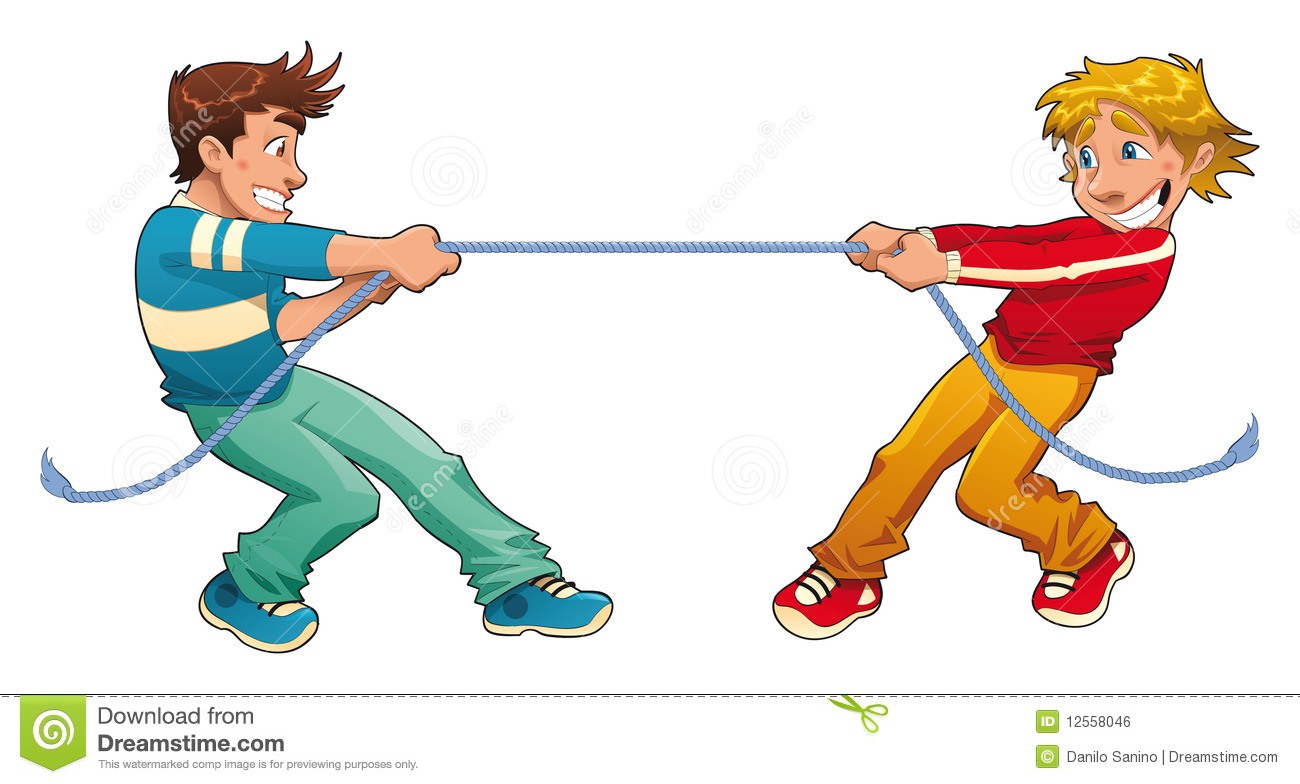
You and your friend are moving a couch from one side to another. You push with a force of 20 N to the right and your friend pushes with a force of 25 N to the right.
5 N to the right
45 N to the left
45 N to the right


How much force should be added to this object to bring it to equilibrium?
15N to the right
5N to the left
5N to the right
25N on top of the box

