
 Worksheets
Heartland A&P Tissue Level
Total questions: 15
Worksheet time: 8mins
Which of the following is NOT the features of epithelium?
regenerative
vascular
cellular
innervated
The apical surface of epithelium faces ___________.
muscles
lumen
basement membrane
connective tissue
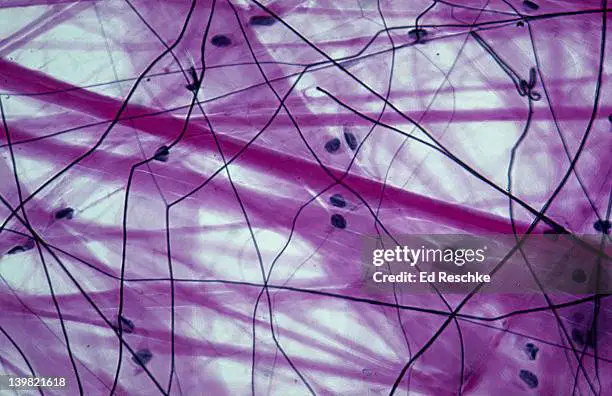
Which of the following is NOT true about the image shown?
This is a loose CT.
I see cells, gels, and fibers.
There is no blood vessels.
I see different types of fibers.
This composes the part of dermis.
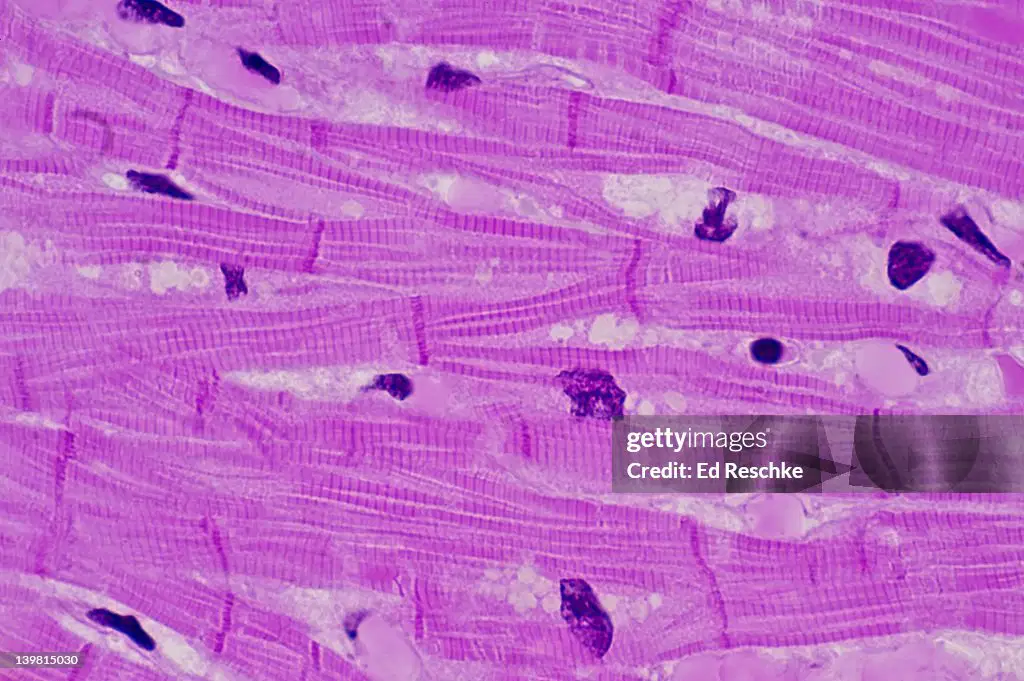
Heart muscle cells communicate by what junctions to contract in unison?
desmosomes
gap juctions
(intercalated discs)
anchoring junctions
tight junctions
Connective tissue is different from epithelium in what ways?
they are highly cellular
they are regenerative
they are composed of cells, gels, and fibers
they are conductive
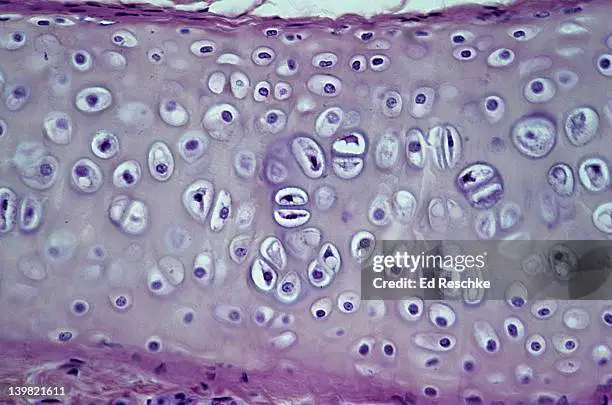
What type of cartilage composes
the C ring of the trachea and the costal cartilage?
fibrocartilage
hyaline cartilage
elastin cartilage
compact bone
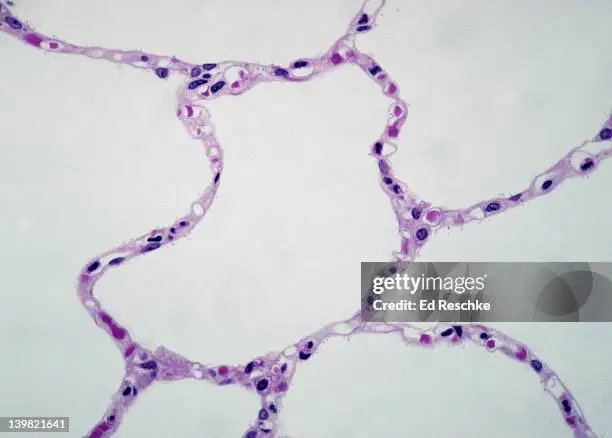
What kind of tissue composes the inner wall of blood vessels
and the lining of alveoli?
simple squamous epithelium
simple cuboidal epithelium
stratified squamous epithelium
transitional epithelium
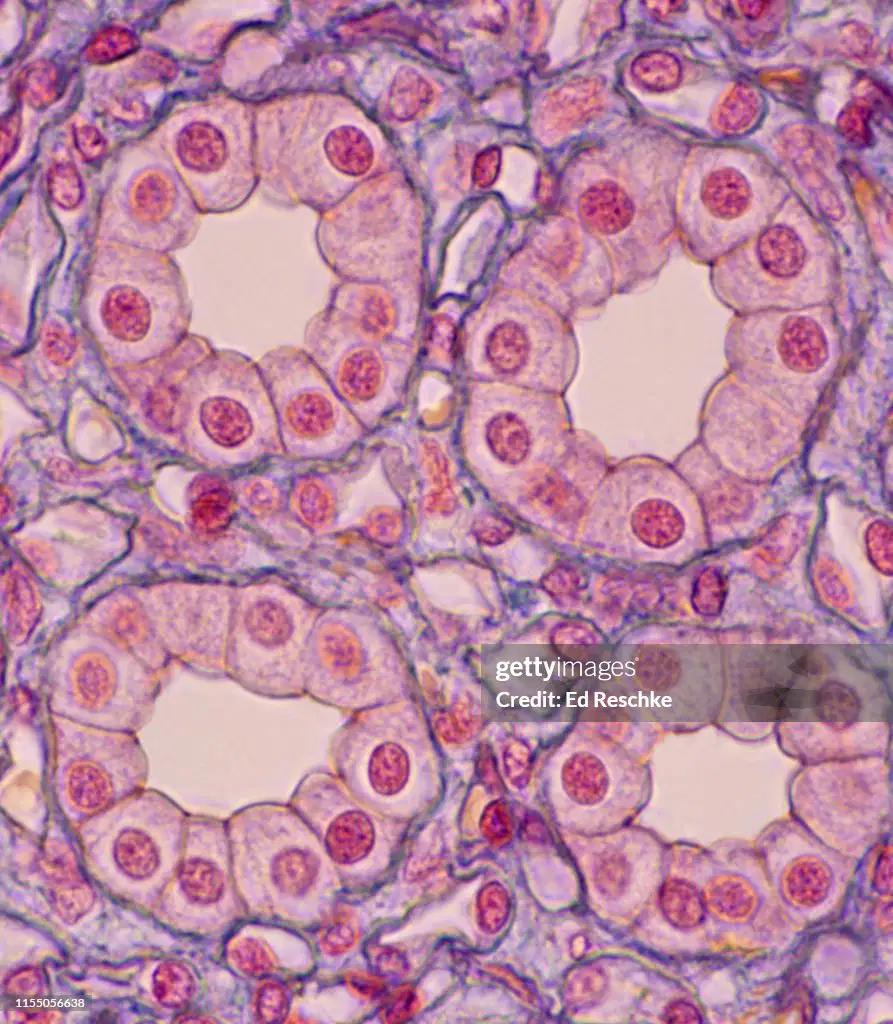
What kind of tissue composes the inner wall of lacrimal glands?
simple squamous epithelium
simple cuboidal epithelium
stratified squamous epithelium
pseudostratified epithelium
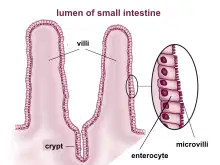
What kind of tissue makes the inner wall of intestines with microvilli?
simple squamous epithelium
simple columnar epithelium
pseudostratified epithelium
areolar connective tissue
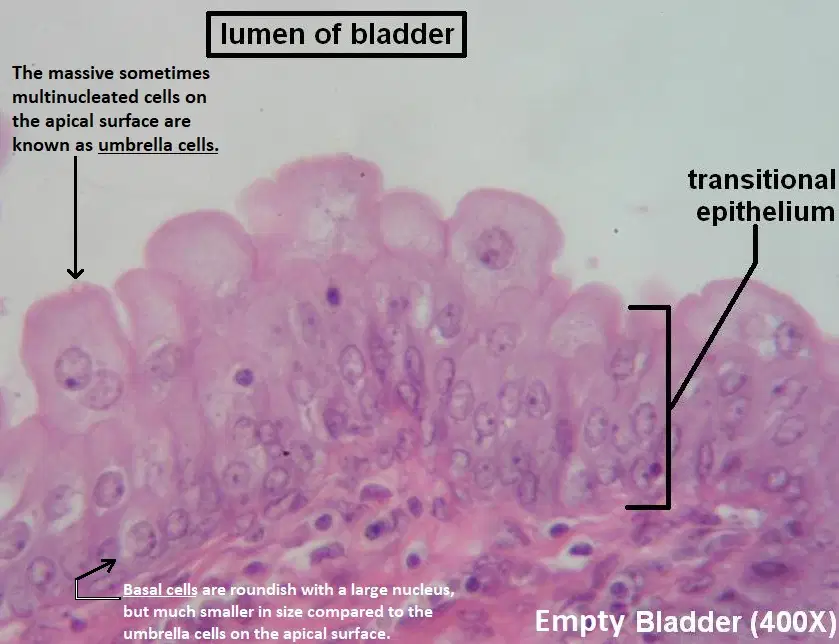
What kind of tissue makes the inner wall of urinary bladder?
pseudostratified epithelium
transitional epithelium
simple cuboidal epithelium
adipose
All muscle tissues are ______________.
multinucleated
involuntary
contractile
branched
striated
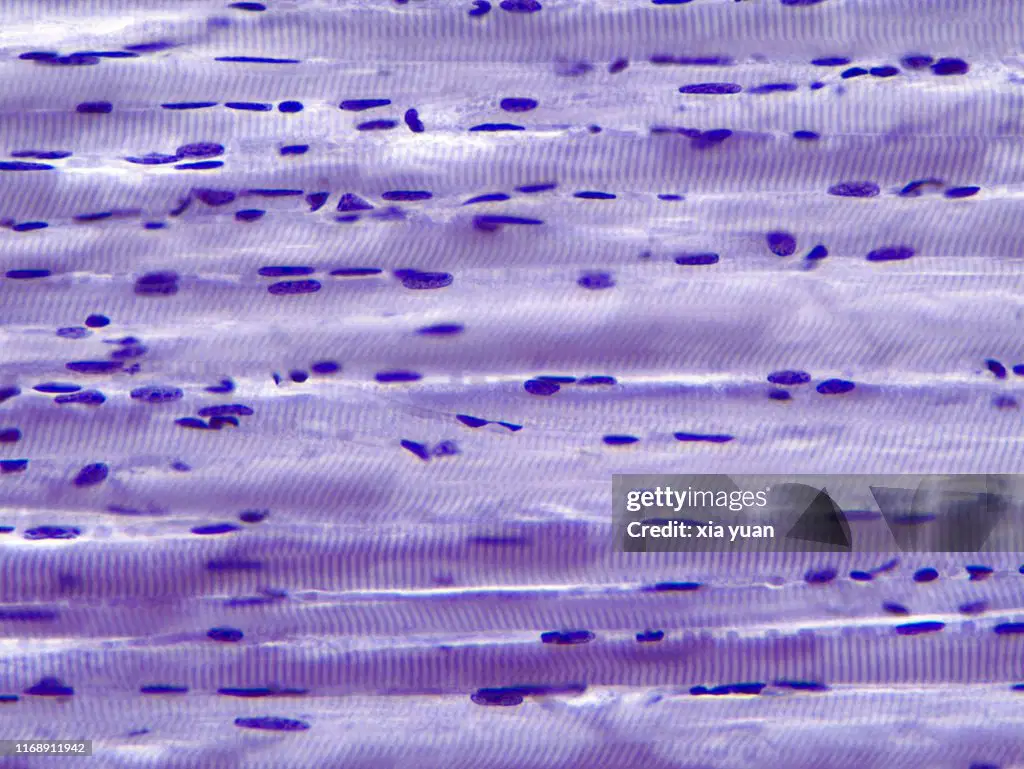
Which of the following is made of skeletal muscle tissue?
urinary bladder
deltoid
stomach
heart
The part of the neuron where it transmits signals all the way down to the terminal ends is called ________.
dendrites
soma
glial cells
axon
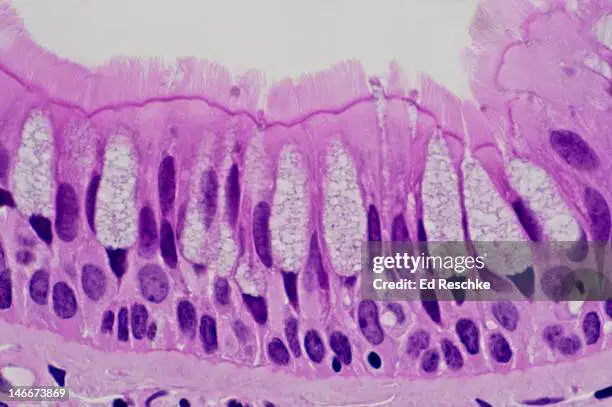
This tissue has cilia on the apical surface
with the goblet cells secreting mucus to trap foreign particles.
Where in your body do you find this tissue?
Heart
Bladder
Trachea
Esophagus
Stomach
What event should occur FIRST when the skin is damaged with bleeding?
vasodilation to increase blood flow
granulation to repair the damaged skin
angiogenesis to repair the damaged skin
scar formation under the damaged skin
vasoconstriction to reduce blood loss

