Worksheets
Unit 1 Review
Total questions: 47
Worksheet time: 48mins
All matter is made of _________.
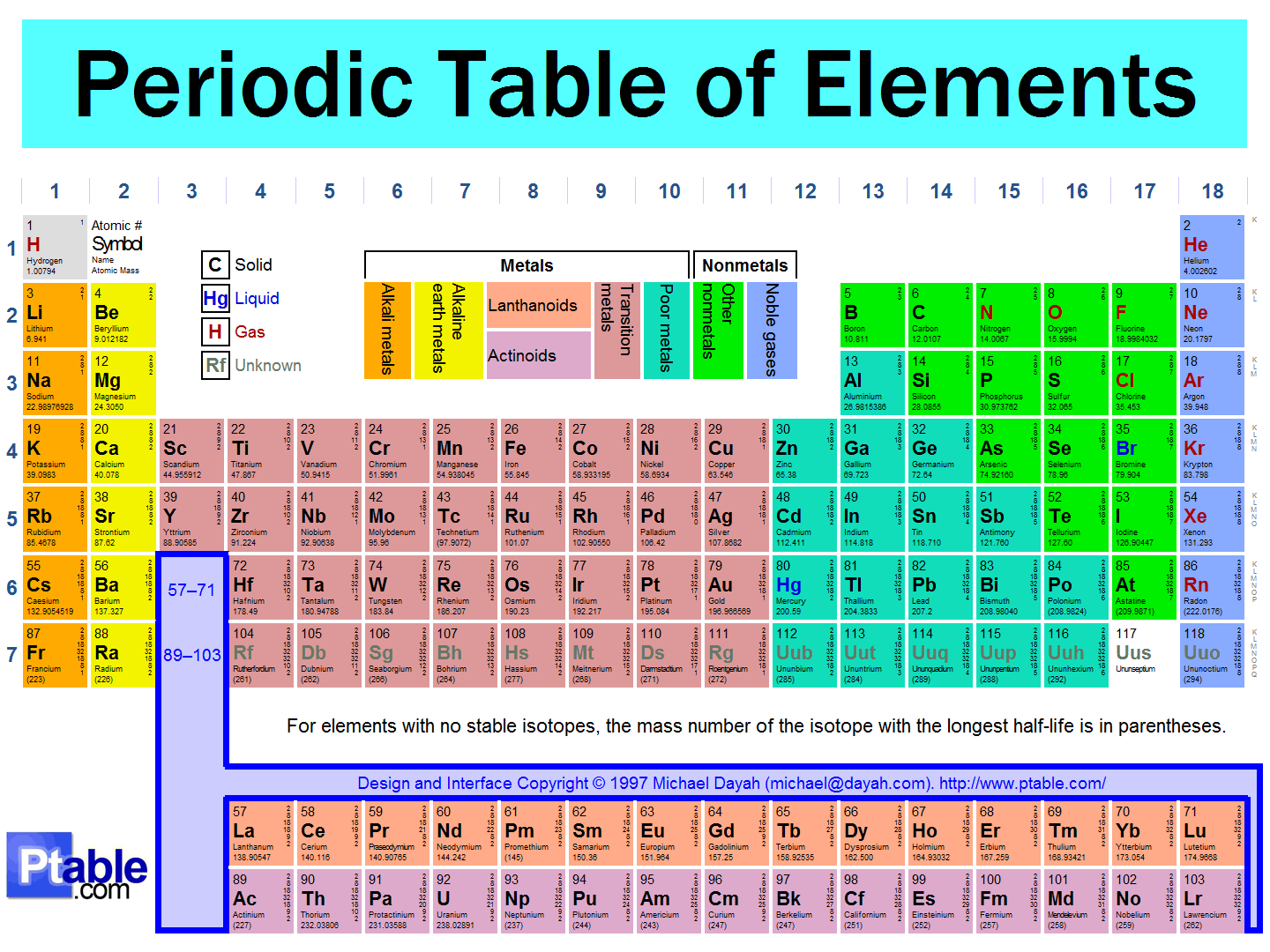
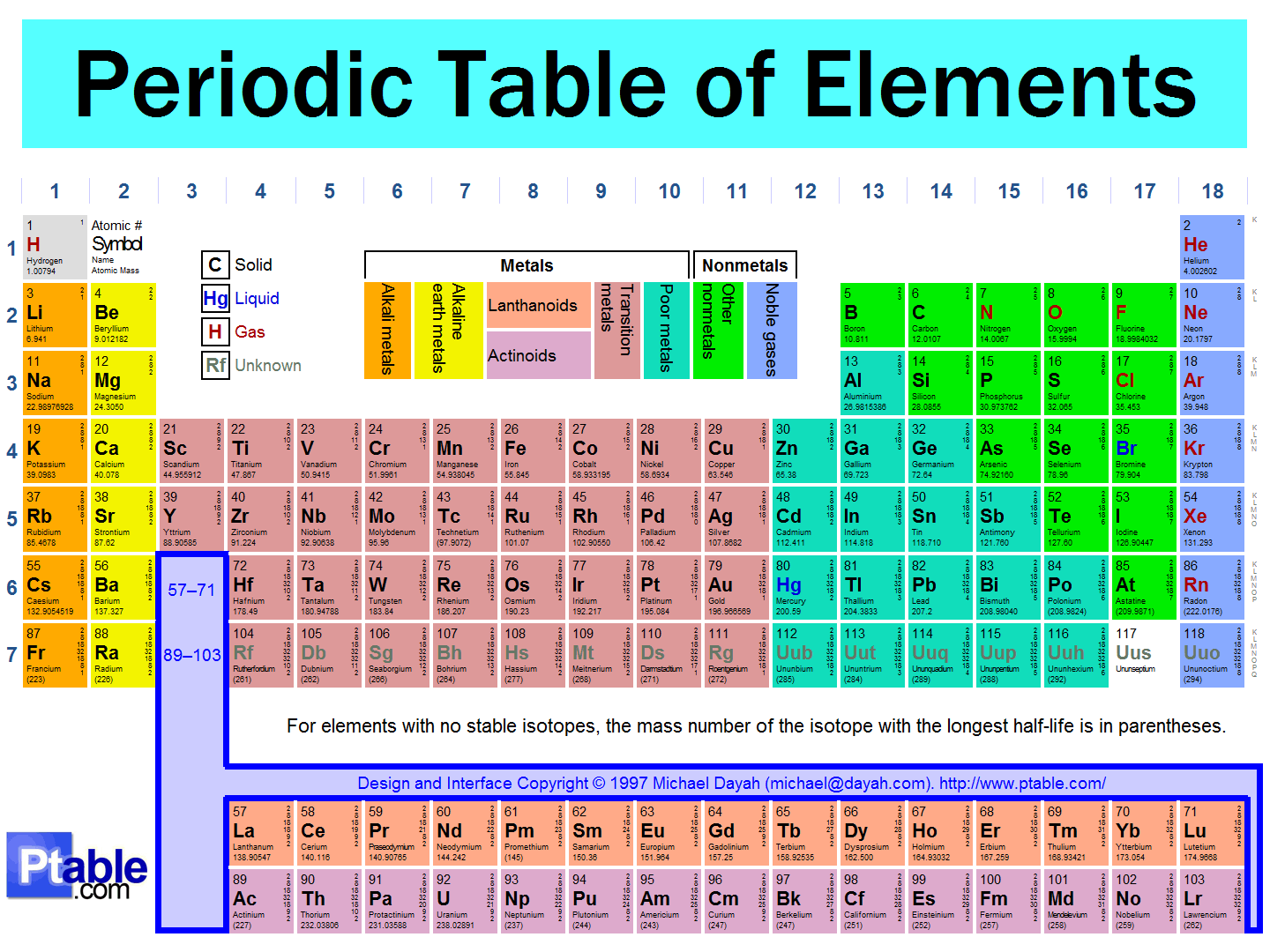

Identifies the number of protons in an atoms nucleus.
Electron Cloud
Atomic Theory
Atomic Number
Mass Number

The negatively charged particles in an atom
Proton
Electron
Neutron
Electron Cloud

The region inside an atom where electrons are likely to be found
Proton
Atom
Electron Cloud
Neutron
The total number of protons and neutrons in the nucleus of an atom
Atomic Number
Mass Number
Atomic Theory
Electron Cloud
Negatively charged particles within the electron cloud outside the nucleus.
neutrons
protons
electrons
isotopes

______________ refers to the way a metal can be hammered or rolled into thin sheets.
Luster
Malleable
Metalloids
Solid
Metals are found on the ______________ side of the periodic table.
nonmetals
left
right
metals
This group of elements have properties that are opposite those of metals. ______________________
luster
nonmetals
metalloids
metals
This group of elements sit along a stair step line on the periodic table and have properties of both metals and nonmetals. _________________________
luster
metals
nonmetals
metalloids
Copper is a common metal. Which of the following properties does this metal most likely have?
High conductivity, high malleability, and low luster
Low conductivity, low malleability, and low luster
High conductivity, high malleability, and high luster
Low conductivity, high malleability, and high luster
Elements in a .................. have similar chemical properties.
period
group
row
Which of the following are physical properties of metal?
Luster
Conductivity
Malleability
Ductility
True or False: The reactivity of metals tends to decrease as you move from left to right across the periodic table.
True
False
Name this group: These metals are the most reactive.


I am a nonmetal
I am in period 2
I am in group 16/6A
Ba
Si
O
S
I am a metal
I am in group 2
I am in period 6
I am…
Mo
Re
S
Ba
These two elements have similar chemical properties to Barium (Ba).
Ca and Ra, because they are in the same group.
Cs and La, because they are in the same period number.
Ca and Y, because they are 90 degree angle.
How many energy levels does neon (Ne) have?
1
18
2
10
Do boron (B) and aluminum (Al) have the same number of energy levels?
Yes
No
Do boron (B) and aluminum (Al) have the same number of energy levels?
Yes
No
How many electrons can the first energy level hold?
1
2
8
Unlimited
How many electrons can the second and third (for our intents and purposes) energy levels hold?
1
2
8
Unlimited

Is this the correct Bohr model for helium (He)?
Yes
No

What element is this the Bohr model of?
Fluorine (F)
Potassium (K)
Aluminum (Al)
Boron (B)
What is the maximum number of electrons that can be found in the third shell (energy level)?
2
8
18

Which element is this?
Calcium
Chlorine
Silicon
Potassium
4. The ability of metals to be drawn into wires is called:
Ductility
Malleability
Tensile strength
8. Materials that brake into small pieces when hammered/beaten is described as:
Broken
Brittle
Soft
9. True or false , the poor ability of non-metals to conduct heat and electricity makes them good insulators
true
false


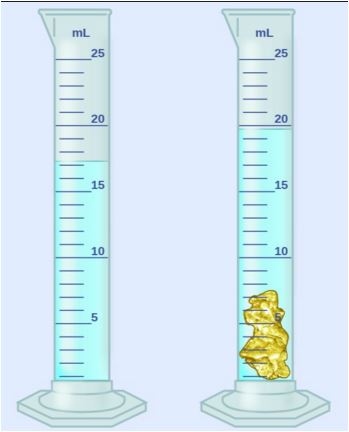
10.0 ml
15.0 ml
20.0 ml
25.0 ml

18.0 ml
6.0 ml
38.0 ml