
Font size
 Worksheets
Science 3 - Classifying Animals
Total questions: 37
Worksheet time: 20mins
Fungi and plants can move from a place to another.
True
False
What is the major difference between vertebrates and invertebrates?
Vertebrates have a backbone and invertebrates do not.
Invertebrates live in water and vertebrates do not.
Invertebrates have a backbone and vertebrates do not.
Invertebrates are smaller than vertebrates.
Mammals, fish, birds, reptiles and amphibians are all ___.
invertebrate
vertebrate

Which group does a rabbit belong to?
invertebrate
vertebrate
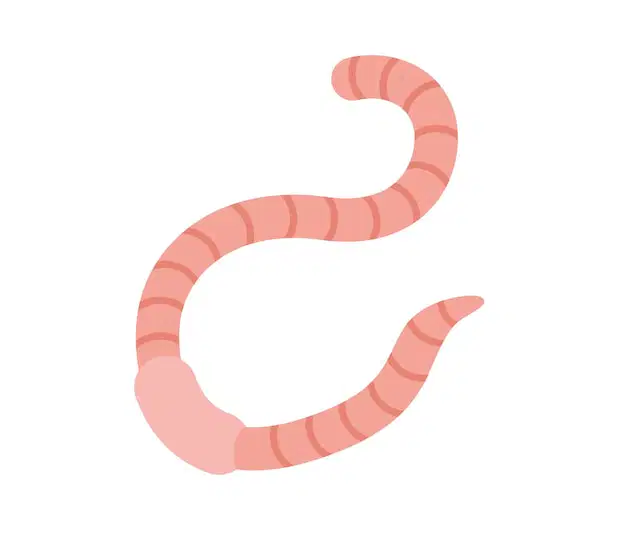
Worms are vertebrates.
True
False
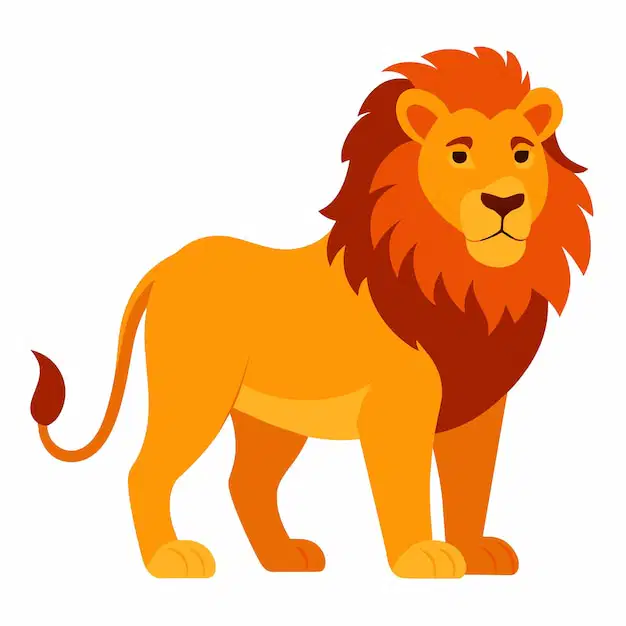
Lions are vertebrates with fur, warm-blooded, and give birth to live young. They belong to
Mammals
Reptiles
Amphibians
Fish
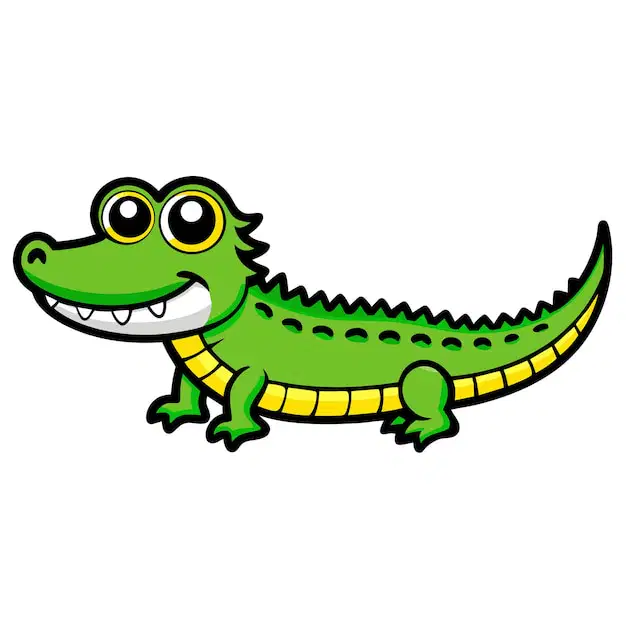
Crocodiles are vertebrates with dry skin covered with scales, cold-blooded, and lay eggs or give birth to live young. They belong to
Amphibians
Reptiles
Fish
Birds
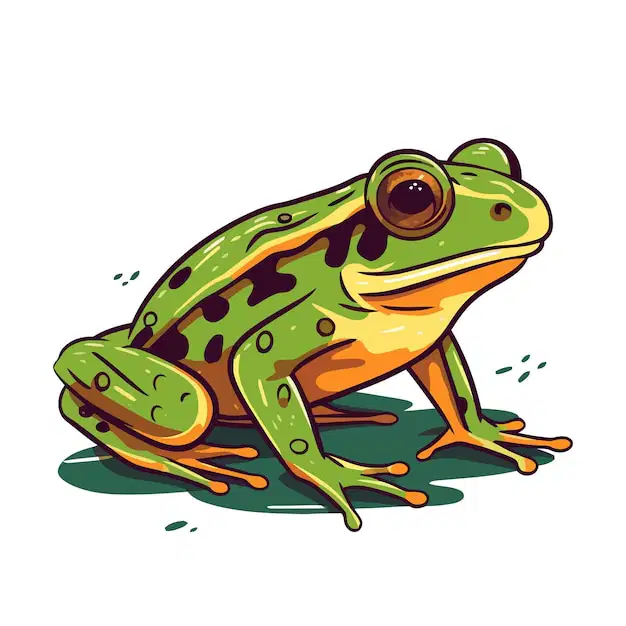
Frogs are vertebrates with moist skin, cold-blooded, and lay eggs. They live both on land and water. They belong to
Fish
Mammals
Amphibians
Reptiles
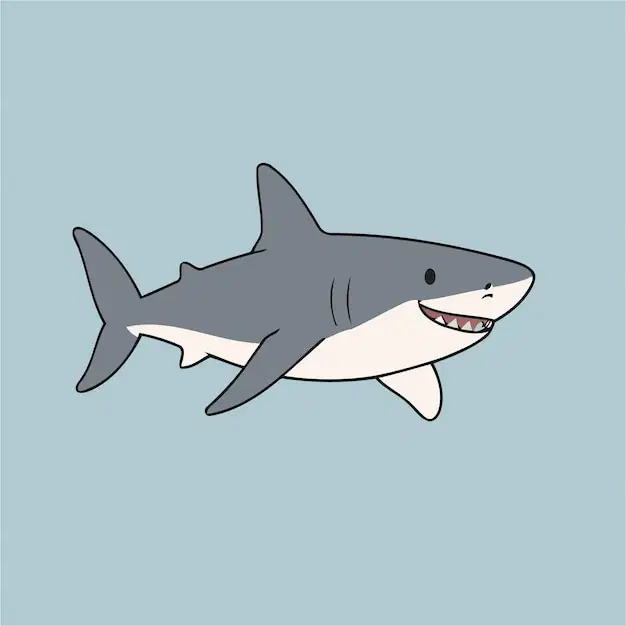
Shark are vertebrates with scales, fins, gills, cold-blooded, and lay eggs. They belong to
Fish
Bird
Mammal
Reptile
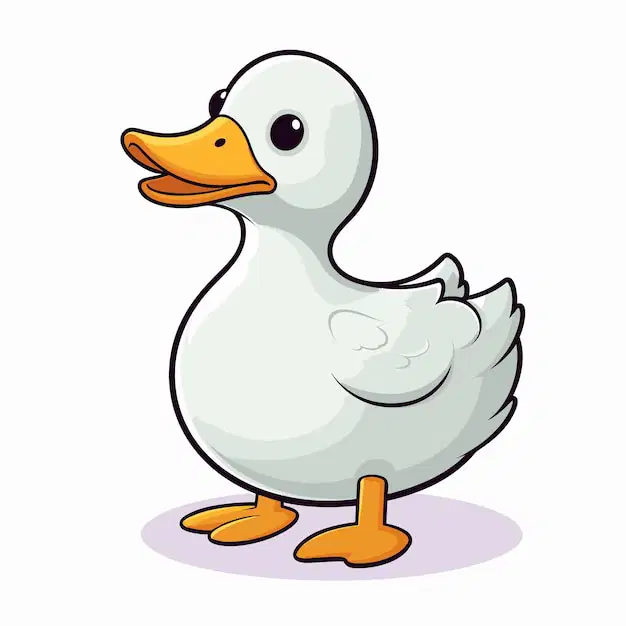
Ducks are vertebrates with feathers, beak, wings, webbed feet, warm-blooded, and lay eggs. They belong to
Amphibians
Reptiles
Birds
Fish
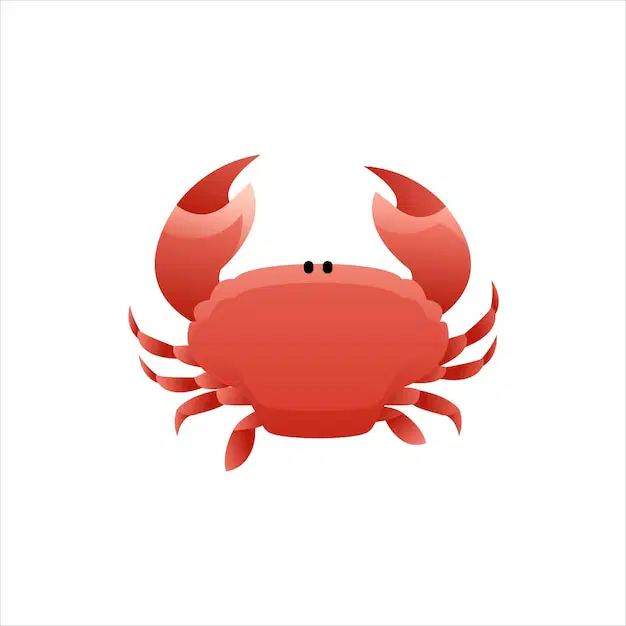
A crab is an invertebrate with
jointed legs
without jointed legs
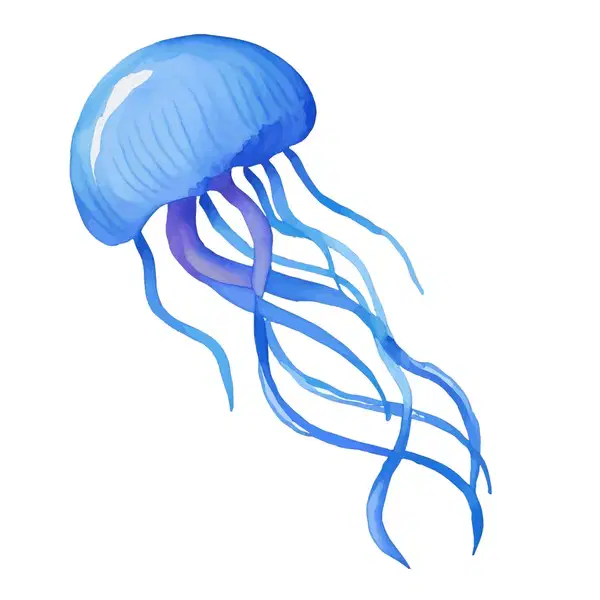
Jellyfish are invertebrates
with jointed legs
without jointed legs
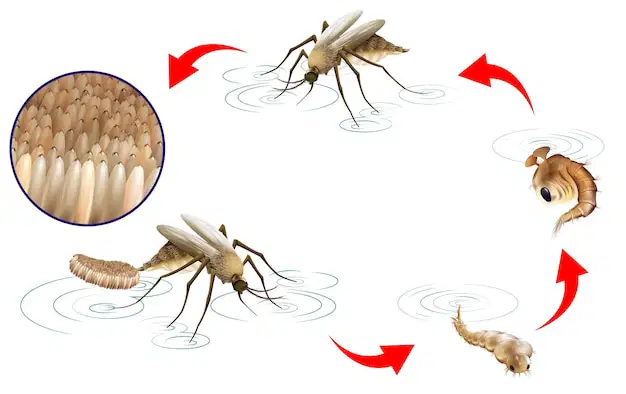
The series of predictable changes all living things go through is called a _______ ____________.
(a)

Which one is chicken's egg?


What is the first stage of a chicken's life cycle?
Larva
Egg
Chick
What is the second stage of the chicken's life cycle?
Chick
Baby
Teenager
What is the third and last stage of the chicken's life cycle?
Adult
Chicken
Hen
Mother hens sit on their eggs to keep them warm until they hatch?
True
False
How long does it take for eggs to hatch?
9 months
3 months
21 days
How old are chicks when they sprout their first feathers?
one month
2 weeks
3 days
Frogs belong to a group of animals called ________.
reptiles
amphibians
mammals
primates
List the stages of a frog's life cycle in order.
Mother, Froglet, Tadpole, Frog, Egg
Frog, Froglet, Tadpole, Adult
Egg, Tadpole, Mature Tadpole, Froglet, Frog
Tadpole, Egg, Frog, Froglet

Where do adult frogs lay their eggs?
water
mud
land
sand

The first stage of the life cycle of a frog is?
tadpole
frog
egg
pupa

What is this called?
fish
tadpole
frog
eel
A... is the third stage in the life cycle of a frog.
adult frog
froglet
tadpole
egg
What stage in the life cycle can it leave the water and live on the land.
Tadpole
Egg
Frog
The natural home of an animal is its
climate
habitat
space
I don't know

How do fish breathe in water?
Through lungs
Through gills
Through nose
I am not sure!

What kind of animal is a bear?
Aquatic animal
Terrestrial animal
Amphibian animal
Aerial animal
Where do you find terrestrial animals?
In the sea
On the land
In the outer space
Not on this planet!

Why do you see monkeys on the trees most of the time?
Because they can't walk.
Because they are trying to fly in the sky.
Because they are arboreal animals.
Monkeys?!? What are those?
Which of the following feature is true for arboreal animals?
They have powerful claws, legs, arms, and tails.
They can breathe inside water.
They fly in the sky with the help of their wings.
All of the above are features of arboreal animals.

How do frogs breathe inside water?
They have gills.
They can breathe through lungs inside water.
They breathe through their moist skin.
They don't breathe inside water.

