wayground logo

Free Printable Worksheets

Font size

S
M
L
XL
Worksheets

Zero Replacement

Total questions: 78

Worksheet time: 59mins

Name
Class
Date
1.

Where can protons and neutrons be found in an atom?

a)

On orbitals

b)

On the outside ring

c)

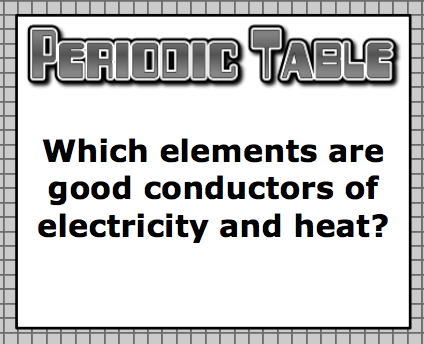
Inside the nucleus

d)

Next to the nucleus

2.

A neutron has what charge?

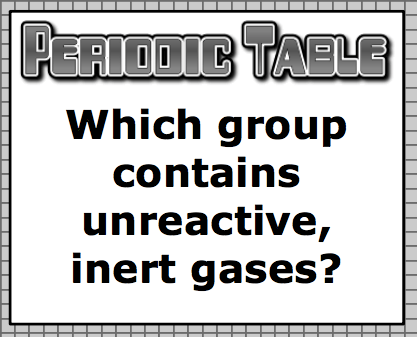
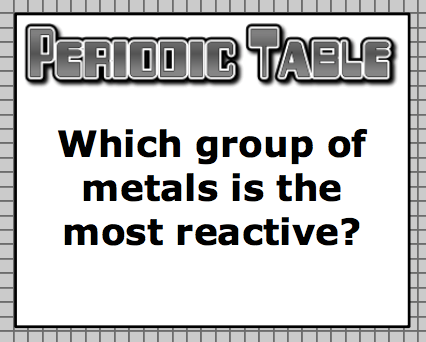
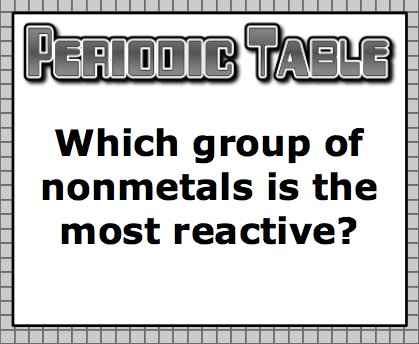
a)

Positive

b)

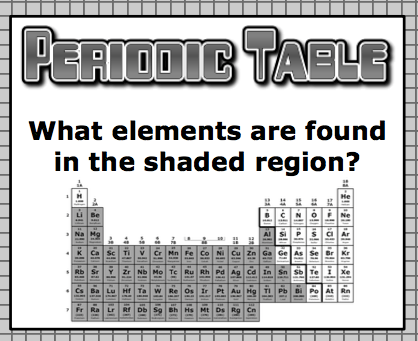
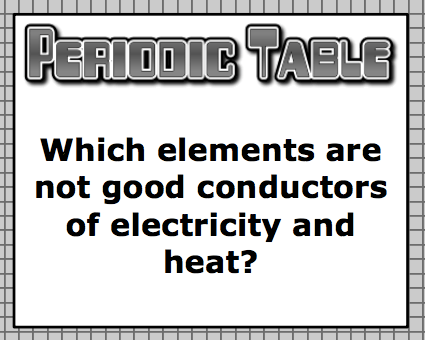
Negative

c)

Neutral

3.

Where can electrons be found?

a)

On orbitals

b)

In the nucleus

c)

In the middle

4.

Atoms are..

a)

Really Big

b)

Medium-sized

c)

Small

d)

So tiny you cannot see them

5.

A proton has what charge?

a)

Positive

b)

Negative

c)

Neutral

6.

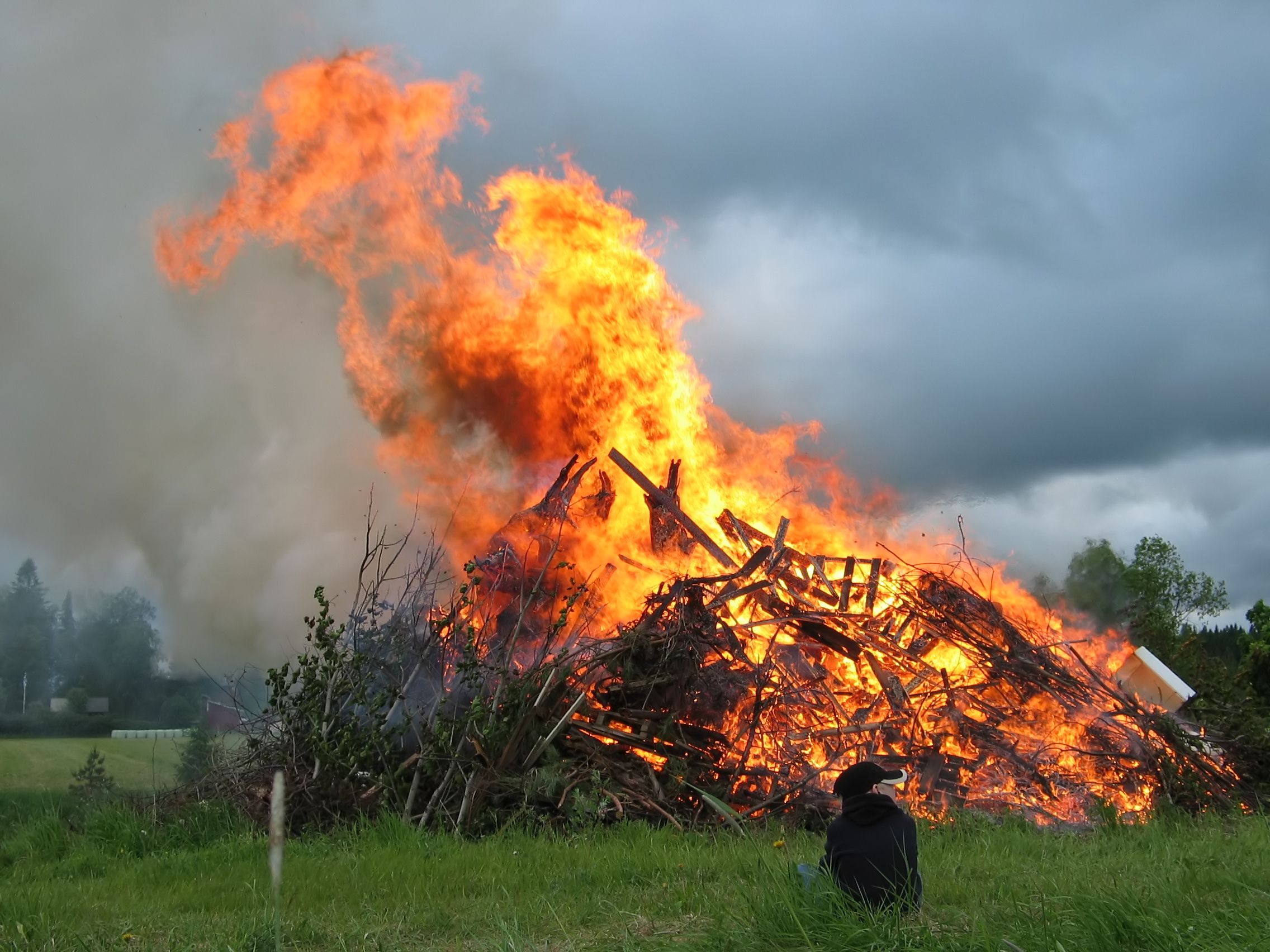
A neutron has what charge?

a)

Positive

b)

Negative

c)

Neutral

7.

How many protons does Potassium (K) have?

a)

19

b)

39

c)

20

d)

58

8.

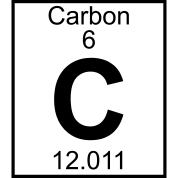
How many protons does this atom have?

a)

6

b)

12.011

c)

18.011

d)

I have no idea

9.
What was JJ Thomson responsible for finding?
a)
protons
b)
neutrons
c)
nucleus
d)
electrons
10.
What is Niels Bohr responsible for discovering?
a)
That electrons are inside the nucleus
b)
That electrons are in fixed orbits around the nucleus
c)
That electrons are small
d)
That electrons are negative
11.

Mass Number =

a)

protons plus electrons

b)

protons plus neutrons plus electrons

c)

neutrons plus electrons

d)

protons plus neutrons

12.

Atomic Number =

a)

protons plus neutrons

b)

number of protons

c)

number of neutrons

d)

number of electrons in a charged atom

13.

The nucleus contains

a)

protons and neutrons

b)

protons, neutrons, and electrons

c)

protons only

d)

electrons

14.

An atom has 5 protons, 5 neutrons, and 6 electrons it has a mass number of

a)

5

b)

10

c)

16

d)

11

15.

In a neutral atom the number of _______ equals the number of _______.

a)

protons, neutrons

b)

neutrons, electrons

c)

protons, electrons

16.
What three sub-atomic particles consist of (make up) the atom/element
a)
Protons, Neutrons, and Electrons
b)
Protons, Atomic Mass, and Density
c)
Boiling Point, Protons, and Electrons 
d)
Protons, Quarks, and Neutrons 
17.

This subatomic particle identifies the element.

a)

electron

b)

proton

c)

neutron

d)

ion

18.

This subatomic particle holds the atom together.

a)

proton

b)

neutron

c)

electron

19.

This subatomic particle determines reactivity.

a)

electron

b)

proton

c)

neutron

20.

The rule of 8 states.

a)

all atoms want 8 protons

b)

all atoms want a full outer shell of electrons, in general 8 outer shell electrons

c)

all atoms want 8 neutrons
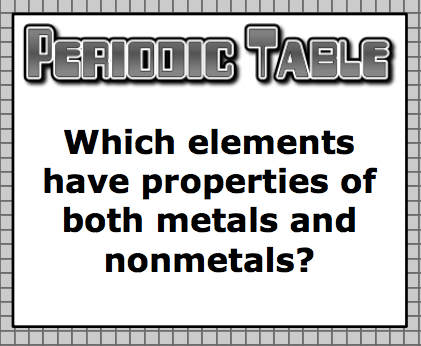
21.
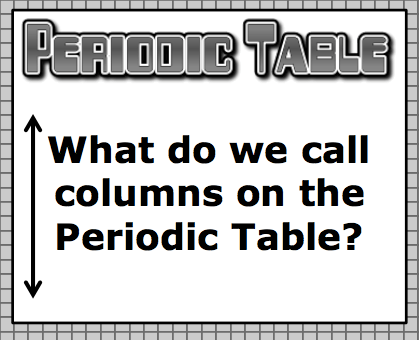
a)
Periods
b)
Groups
22.
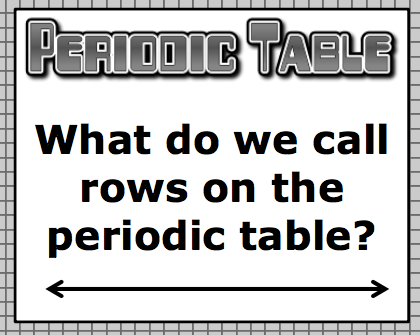
a)
Periods
b)
Groups
23.
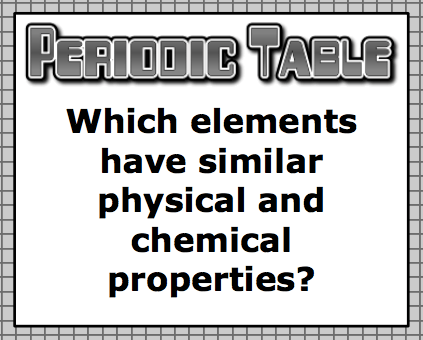
a)
energy levels
b)
valence electrons
c)
protons
d)
neutrons
24.
a)
energy levels
b)
valence electrons
c)
protons
d)
neutrons
25.
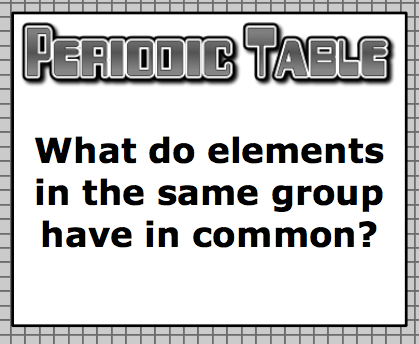
a)
Same group
b)
Same period
26.
a)
Group 1
b)
Group 17
c)
Group 2
d)
Group 18
27.
a)
Group 1
b)
Group 17
c)
Group 18
d)
Group 2
28.
a)
Group 1
b)
Group 17
c)
Group 18
d)
Group 2
29.
a)
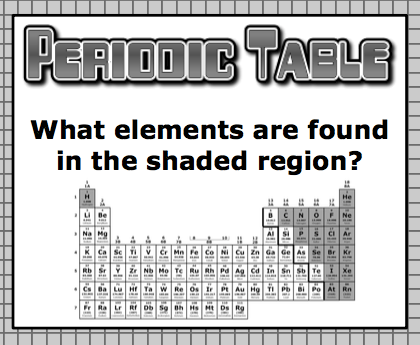
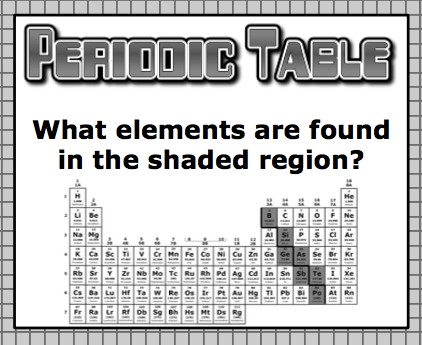
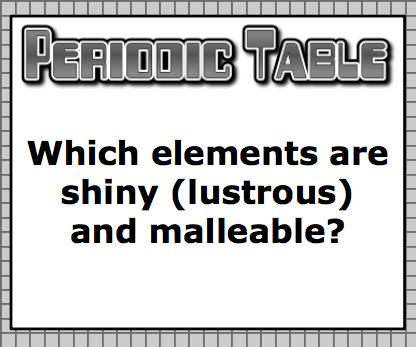
Metals
b)
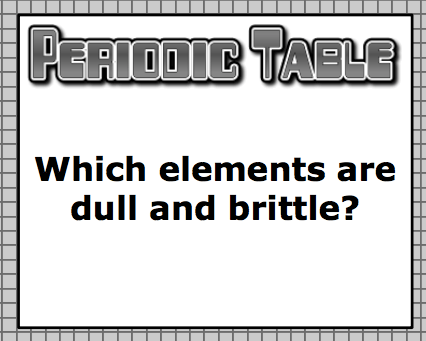
Nonmetals
c)
Metalloids
30.
a)
Metals
b)
Nonmetals
c)
Metalloids
31.
a)
Metals
b)
Nonmetals
c)
Metalloids
32.
a)
Metals
b)
Nonmetals
c)
Metalloids
33.
a)
Metals
b)
Nonmetals
c)
Metalloids
34.
a)
Metals
b)
Nonmetals
c)
Metalloids
35.
a)
Metals
b)
Nonmetals
c)
Metalloids
36.
a)
Metals
b)
Nonmetals
c)
Metalloids
37.

Who invented the Periodic Table?

a)

Mendeleev

b)

Bohr

c)

Lewis

d)

Democritus

38.

As you move left to right on a row or period what happens?

a)

Atomic number increases by 1

b)

Electrons decrease

c)

Number of shells decrease

d)

Nothing

39.

What happens to the number of shells as you move down a group?

a)

They decrease by 1

b)

They increase by 1

c)

Nothing

40.

The first energy shell can hold ______ electrons.

a)

2

b)

8

c)

18

41.

All elements in the same row have the same number of shells.

a)

True

b)

False

c)

Sometimes

42.

Valence means......

a)

inside

b)

outside

c)

full

43.

What do all elements in the same period have?

a)

same number of shells

b)

same number of electrons

c)

belong in the same family

44.
The majority of elements on the periodic table are
a)
man made.
b)
nonmetals.
c)
metals.
d)
gases.
45.
Name group 1A on the periodic table.
a)
alkali metals
b)
alkaline earth metals
c)
noble gases
noble gases
d)
halogens
46.
Name group 2A on the periodic table.
a)
alkali metals
b)
alkaline earth metals
c)
noble gases
d)
transition metals
47.
Name groups 3B - 12B on the periodic table.
a)
noble gases
b)
halogens
c)
metalloids
d)
transition metals
48.
What does the 6 represent?
a)
atomic mass
b)
atomic number
c)
element name
d)
chemical symbol 
49.
What does 12.011 represent?
a)
atomic mass
b)
atomic number
c)
element name
d)
chemical symbol 
50.
Name group 18 on the periodic table.
a)
alkali metals
b)
alkaline earth metals
c)
transition metals
d)
noble gases
51.
Name groups 3 - 12 on the periodic table.
a)
noble gases
b)
halogens
c)
metalloids
d)
transition metals
52.
Name group 17 on the periodic table.
a)
transition metals
b)
metalloids
c)
halogens
d)
alkali metals
53.
What do the numbers down the side tell us about the atoms in each row?
a)
number of protons
b)
number of electrons
c)
number of energy levels
d)
absolutely nothing
54.

A chemical change...

a)

Changes the physical properties of an object, but does not create a new substance.

b)

Creates a new substance and cannot be undone.

55.

A physical change...

a)

Changes the physical properties of an object, but does not create a new substance.

b)

Creates a new substance and cannot be undone.

56.

Which of the following options provides evidence of a CHEMICAL change?

a)

Wood is burned releasing ash and smoke

b)

Rocks separate when soil is sifted

c)

Water turns to ice when you put it in the freezer

d)

Salt dissolves in water

57.

Which of the following examples provides evidence of a PHYSICAL change?

a)

Wood is burned and releases ash and smoke

b)

Iron rusts over time

c)

When mixed, baking soda and vinegar form gas bubbles

d)

A piece of paper changes shape when you rip it up

58.

A white tablet is dropped into water. The water becomes cloudy and bubbles are produced. What type of change has occurred?

a)

Physical change

b)

Chemical change

c)

No change

59.

Identify the change:

Wood burning

a)

Physical

b)

Chemical

60.

Bending metal

a)

Physical Change

b)

Chemical Change

61.

Boiling Water

a)

Physical Change

b)

Chemical Change

62.

Ice cream melting

a)

Physical Change

b)

Chemical Change

63.

A property that can be observed or measured without changing the composition of the substance

a)

Physical Property

b)

Chemical Property

64.

A characteristic of a substance to change into a new substance

a)

Chemical Property

b)

Physical Property

65.
Blue Color: Chemical or Physical Property
a)
Chemical Property
b)
Physical Property
66.
Density: Chemical or Physical Property
a)
Chemical Property
b)
Physical Property
67.
Solubility (dissolves): Chemical or Physical Property
a)
Chemical Property
b)
Physical Property
68.
Reacts with Acid: Chemical or Physical Property
a)
Chemical Property
b)
Physical Property
69.
Reacts with Water: Chemical or Physical Property
a)
Chemical Property
b)
Physical Property
70.
Hardness: Chemical or Physical Property
a)
Chemical Property
b)
Physical Property
71.
Luster: Chemical or Physical Property
a)
Chemical Property
b)
Physical Property
72.
Which of the following is not a chemical property? 
a)
rusting 
b)
boiling 
c)
rotting 
d)
burning 
73.
Ability to rust is this type of property:
a)
Physical property
b)
Chemical property
74.
Physical properties are
a)
properties that can be observed without changing the identity of the substance
b)
properties that describe how a substance changes into a completely different substance
75.
Is wood burning a physical or chemical change?
a)
Physical 
b)
Chemical
76.
Is milk going sour a physical or chemical change?
a)
Physical 
b)
Chemical
77.
Is copper tarnishing a physical or chemical change?
a)
Physical 
b)
Chemical
78.
What is matter?
a)
a pure substance
b)
anything that occupies space and possesses mass
c)
an element
d)
a compound