
 Worksheets
Matter: Mixtures and Pure Substances
Total questions: 25
Worksheet time: 14mins
[check all that apply] Pure substances include:
Elements
Homogeneous Mixtures
Compounds
Heterogeneous Mixtures
An element is?
Chemically combined
Pure substances that can be broken down
Pure substances that cannot be broken down into simpler substances
One or more elements chemically combined.
The properties of a compound are different from the elements that make them up.
True
False
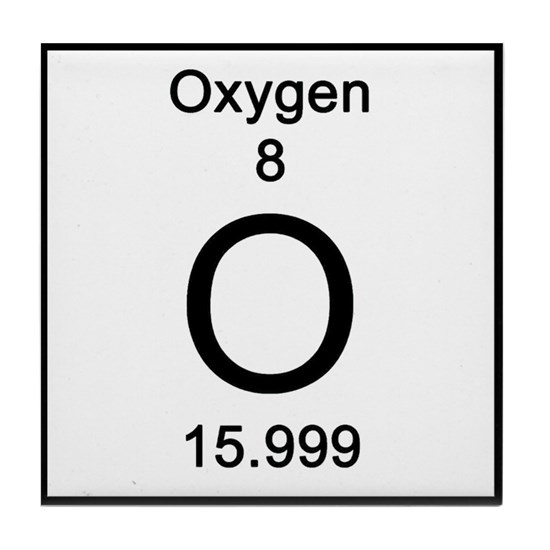
Oxygen is a
Element
Compound
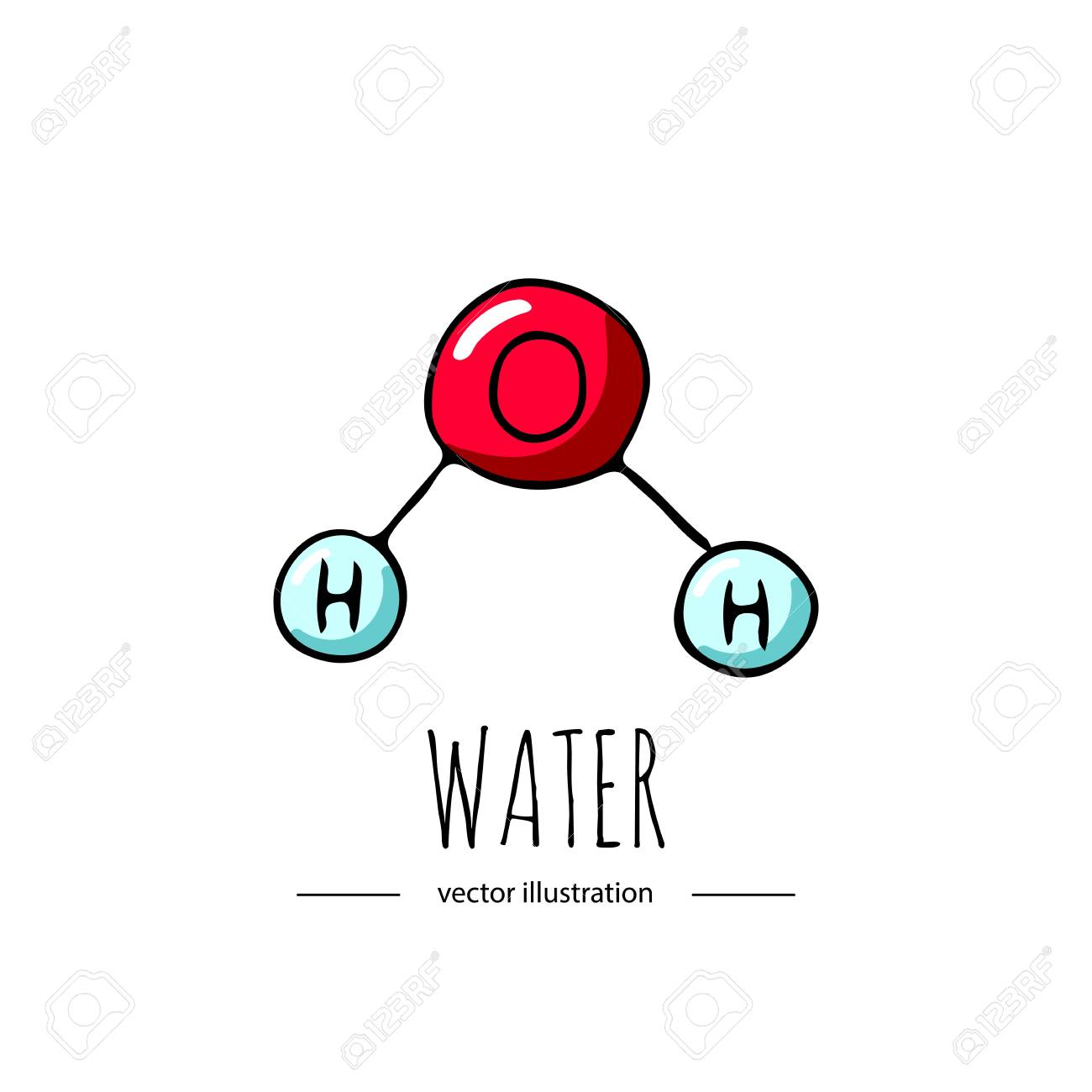
Water (H2O) is a
Element
Compound
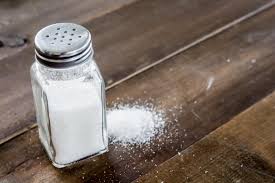
Salt (NaCl) is
Mixture
Compound
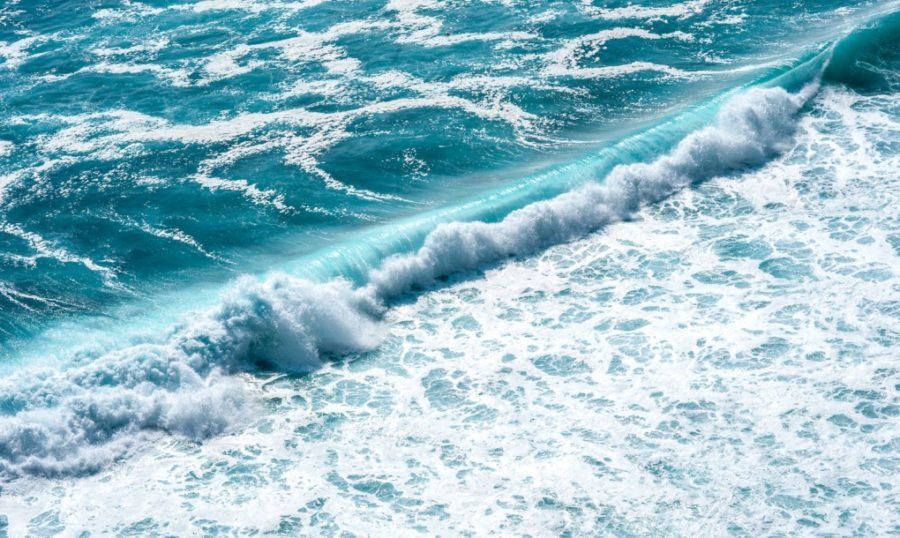
Saltwater is
Mixture
Compound

Chicken noodle soup is
Homogeneous mixture
Heterogeneous mixture

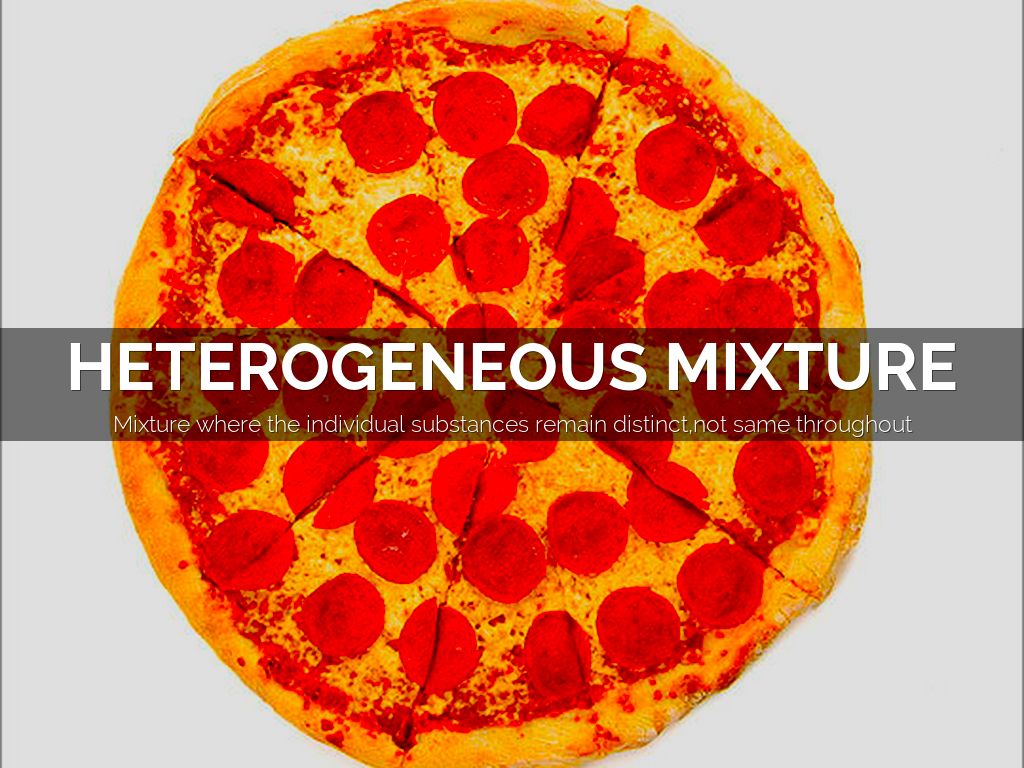


A pure substance that cannot be broken down into any other substance.
Elements
Compounds
Mixtures
James wants to seperate the salt from the water in his glass of salt water. What seperation method should James use?
Magnets
Evaporation
Filter
Using his hands

TRUE or FALSE: The particles in solids move around a lot and spread out.
TRUE
FALSE

TRUE or FALSE: Liquids have a fixed volume but not a fixed shape.
TRUE
FALSE

TRUE or FALSE: Gases have the least kinetic energy out all 3 states of matter.
TRUE
FALSE

Phase change from solid to gas is called:
Freezing
Condensation
Vaporization
Sublimation
Phase change from gas to liquid is called:
Melting
Freezing
Deposition
Condensation

Which of the following statements is true about solids?
Particles do not move around much, but vibrate
Particles have a lot of free space and spread out
Solids have fixed shape but not volume.
Particles are less closely packed than gas.

Look at the picture. Which state of matter is in beaker C?
Solid
Liquid
Gas
Blue thingys
Look at the picture. Which state of matter is in beaker A?
Solid
Liquid
Gas
Blue thingys

