
 Worksheets
Banking Review (2.1-2.6)
Total questions: 28
Worksheet time: 56mins
Which strategy will help you save the most money?
Wait until the end of the month and add any money that you have not spent to your savings account.
On the last day of each month, deposit a fixed $10 to your savings account.
As soon as you receive your paycheck, put a fixed amount or percentage of your money directly into your savings.
Wait to deposit into your savings account only when you have a large lump sum of money.
What is the benefit of automating your savings account contributions?
You can change the amount you deposit each month.
The fees are relatively small to enroll in this service.
Your money will be transferred automatically and guarantees you will be contributing to your savings.
Your employer will contribute additional money to your savings account if you enroll in this service.
What does it mean to "pay yourself first"?
Deposit money into your savings account before spending on anything else.
Purchase an item you want before something you need.
Pay all of your mandatory expenses before paying for optional expenses.
Obtain an additional job to supplement your income.
Keon receives a $1,000 paycheck. According to the 50/30/20 rule, how much should he put aside for saving?
$100
$200
$500
$1,000
What is a major benefit of the Pay Yourself First strategy?
It helps you budget all of your income for the month
It encourages you to prioritize saving money
It is a good way to build credit
It generates additional income to cover essential expenses
All of the following are accounts that would contribute to the 20% saving goal of the 50/30/20 rule EXCEPT:
401k retirement account
Checking account
Emergency fund
529 college account


Overdraft protection...
is a service offered only for premium checking accounts.
brings in a few hundred dollars each year to banks.
is a fee-free service that prevents you from overdrawing.
can keep you from overdrawing but charges a fee.


Which of the following will DEFINITELY show up on your bank statement at the end of July? (hint: choose 2 correct answers)
Ice cream bought with your debit card on July 16th
A salad bought with cash on July 5th
A birthday check you gave to your brother on July 18th
An ATM withdrawal you made on July 21st

A checking account is best used for...(hint: choose 2 correct answers)
Saving money
Storing money to spend
Investing money
Placing money you earn
Identify two ways to deposit money into and/or withdraw money out of your checking account.
Mail the check to the bank
Go to the bank and deposit/withdraw with a bank teller
Have your best friend do it for you
Use your debit card to make a purchase
Use your credit card
What is an overdraft fee?
Fee for withdrawing more money than you have in the account
Fee for writing a check
Fee for going below your minimum balance requirement
Fee for taking money out of an ATM that is not your bank

Which is TRUE about online saving accounts? (hint: choose 2 correct answers)
Usually have higher interest rates than non-online accounts
They usually have lower costs compared to brick-and-mortar banks
Online accounts are not FDIC insured
You can withdraw money an unlimited # of times
Which is TRUE about Certificates of Deposit (CDs)? (hint: choose 2 correct answers)
You agree to keep $ in a CD for an undetermined period of time
You pay the bank some interest to keep $ in the CD
The bank can loan out the $ in your CD
The bank pays you interest in return
Choose 3 important factors to consider when trying to choose between two different savings account options.
Interest rate
Monthly fees
Debit card access
Ability to withdraw or transfer money
Your friends also bank at the bank
If you have money saved now that you intend to spend in 2 or more years, which type of savings account might be best?
Traditional savings
Online savings
Money market account
CD
An account similar to a traditional savings account but that typically pays higher interest, requires a higher minimum balance, and may allow check writing
Traditional savings
Online savings
Money market account
CD
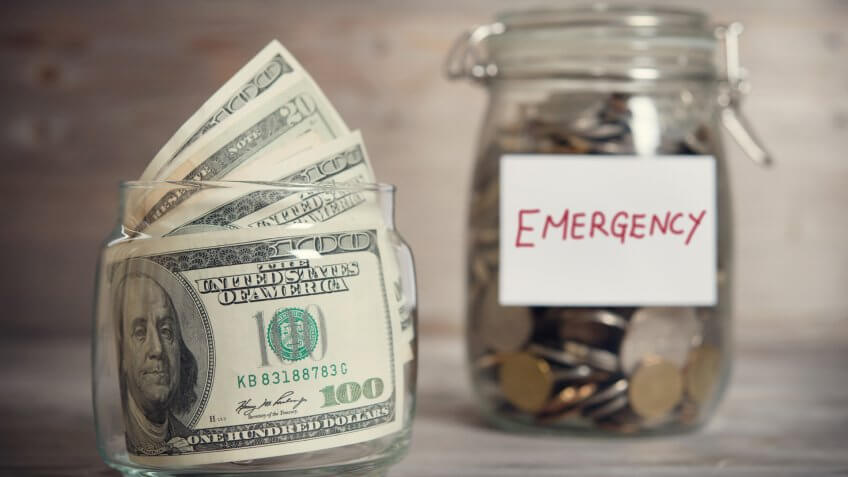
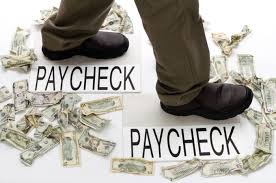
What is a reason for why so many Americans live paycheck-to-paycheck?
Many people are paying themselves first and then spending
Many people only buy what they NEED, not what they WANT
Many people impulse shop
Many people spend within their budget
All of the following are reasons that it is important to start saving or investing early. Which is the least important?
Money accrues more interest if saved or invested earlier (longer time for compounding interest).
You never know when an emergency will occur, and you may need your savings when it does.
You need to make sure you can buy all the cool stuff that you see your neighbors, friends, or family buying so you can look cool too.
You will have to invest more money if you start later in order to achieve the same retirement goal. As you age, the “catch up” savings for retirement will be huge to compensate for not saving when you were younger
Most millennials have saved little to nothing for retirement. Fight the peer pressure and save early and often!
Why does it make sense to start saving or investing right now? (Choose 2)
Longer time your money has to grow
You have more money available now
Compound Interest
You make better decisions when you are younger

