
 Worksheets
Unit 4 Practice Quiz - Cell Transportation
Total questions: 50
Worksheet time: 37mins

What is the movement of molecules from an area of higher concentration to an area of lower concentration called.
Concentration
Facilitated Diffusion
Osmosis
Diffusion

What is Passive Transport?
Movement of molecules from no concentration to high concentration. Requires no energy
Movement of molecules from low to high concentration. Requires Energy
Movement of molecules from high to low concentration. Requires no Energy
Movement of proteins within the cell.
What is Active Transport?
Movement of molecules from no concentration to high concentration. Requires no energy
Movement of molecules from low to high concentration. Requires Energy
Movement of molecules from high to low concentration. Requires no Energy
Movement of proteins within the cell.

Diffusion is the movement of molecules from an area of _____ concentration to an ______ concentration
High, low
Low, high
Low, low
High, high
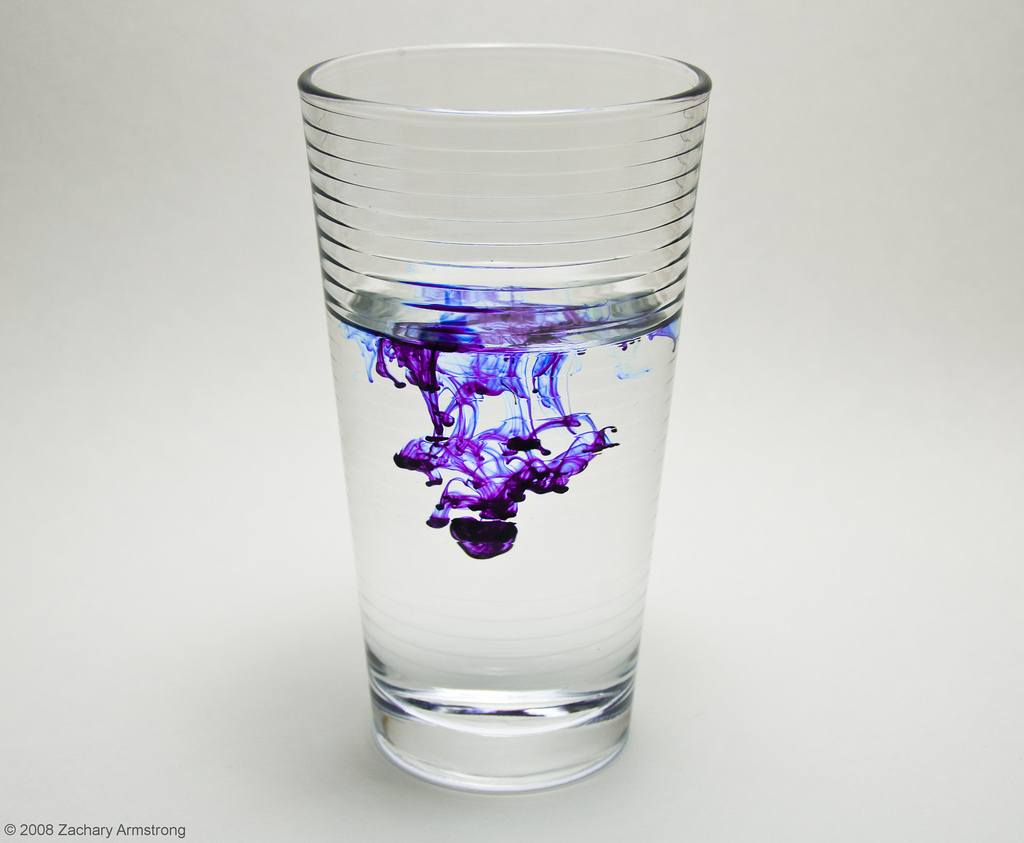
Where is there a low concentration of dye?
at the bottom of cup
in the color
at the top of cup
no concenteraion gradient
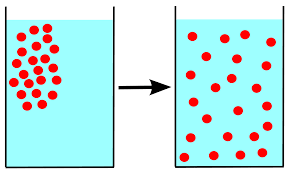
The picture below is an example of _________________.
osmosis
isotonic
diffusion
active transport
How long does diffusion last?
Until the concentration of particles in the system is equal
Until a region in the system has a smaller concentration of particles than the other
Until a region in the system has a greater concentration of particles than the other
Until the particles disappear from the system


What is Isotonic?
When comparing two solutions, the solution with the greater concentration.
When the concentration of two solutions is the same.
When comparing two solutions, the solution with the lesser concentration of solutes.
The tendency of an organism or cell to regulate the chemical processes that take place internally so as to maintain health and functioning, regardless of outside conditions.

Diffusion within protein channels is called...
Osmosis
Facilitated Diffusion
Diffusion
Osmotic Pressure

When materials are expelled form the cell, it is called...
Exocytosis
Diffusion
Lysosomes
Membrane
What is the term to describe maintaining internal balance in the cell?
Diffusion
Homeostasis
Osmosis
Active transport
Which of these is not a form of passive transport?
Endocytosis
Diffusion
Osmosis
Facilitated Diffusion
What is the job of the cell membrane?
Make proteins
Fold proteins
Direct cell's activities
Allow things in and out of the cell

The picture shows
Osmosis
Diffusion
Endocytosis
Exocytosis
Passive Transport uses ____ energy
no
a lot of
a little bit of
some
What is a difference between diffusion and facilitated diffusion?
movement of particles from [high] to [low]
a protein "helper"
movement of particles from [low] to [high]
energy
The condition in which all acting influences are balanced.
equilibrium
dynamic equilibrium
net movement
occurs when the concentration of particles is higher in one area than another.
concentration gradient
concentration
[high] --> [low]
The relative amount of a given substance contained within a solution or in a particular volume of space; the amount of solute per unit volume of solution. The higher the concentration, the more solute is present.
concentration gradient
concentration
[high] --> [low]
Which of the following is not a form of passive transport
diffusion
osmosis
facilitated diffusion
endocytosis


These organelles collect excess water and then contract to pump the water out of the cell
contractile vacuoles
nucleus
vesicles
golgi body
A form of active transport that will only move sodium and potassium from low to high concentrations
Exocytosis
Endocytosis
Sodium-Potassium Pump
Osmosis
Which of the following is TRUE regarding the differences between active and passive transport?
1. active transport is from high to low concentration
2. active transport does require energy
1. active transport is from low to high concentration
2. active transport doesn't require energy
1. passive transport is from high to low concentration
2. passive transport doesn't require energy
1. passive transport is from low to high concentration
2. passive transport does require energy
The ingestion of liquid into a cell by the budding of small vesicles from the cell membrane.
pinocytosis
phagocytosis
facilitated diffusion
buddcytosis
The ingestion of other cells or particles
that are solid in nature
pinocytosis
phagocytosis
facilitated diffusion
buddcytosis

