
 Worksheets
Earth's History/Layers/Fossils/Plate Tectonics Review
Total questions: 45
Worksheet time: 1hrs 8mins
What is the outermost layer of Earth called?
inner core
outer core
crust
mantle

The lithosphere (crust) is broken into sections called
plates
faults
ridges
trenches

Plate tectonics are believed to be driven by
meteors
convection currents
waves
wind

The process of magma rising from the mantle and spreading out at the ridge is called
trenching
seafloor spreading
continental drift
tectonicking
Seafloor spreading occurs at which type of boundary?
divergent
convergent
transform
What is the name of the supercontinent?
Wegener
Pangea
North America
fossil
When plates PULL APART they cause which geologic event?
OCEAN BASINS
MOUNTAINS
RIFT VALLEYS
When plates slide past each other they cause
OCEAN BASINS
VOLCANOES AND EARTHQUAKES
RIFT VALLEYS
When plates PUSH TOGETHER they cause
OCEAN BASINS
MOUNTAINS
RIFT VALLEYS

What does this figure show?
Divergent Boundary
Transform Boundary
Convergent Boundary

What does this figure show?
Divergent Boundary
Convergent Boundary
Transform Boundary

What does this figure show?
Divergent Boundary
Convergent Boundary
Transform Boundary
Which of the following is NOT evidence of continental drift?
human remains
fossils
matching landforms
climate
The theory of plate tectonics states
Heavier plates sink under lighter plates
The Earth has four different layers
the plates of Earth's lithosphere is in constant, slow motion
the continents were once all connected
A giant wave of water as a result of a major earthquake
liquefaction
tsunami
aftershock
landslide
This single landmass that broke apart 200 million years ago and gave rise to today's continents is called
Pangrea
Pangaea
Continental Drift
Plate Tectonics
The tectonic plate boundary where two plates collide, come together, or crash into each other
Divergent
Convergent
Transform
Subduction

This is when one plate goes under another
Transform
Sea-floor Spreading
Subduction
Divergent

Look at this image. What type of plate boundary is this?
Divergent
Complex or Uncertain
Transform
Convergent
The theory that pieces of Earth's lithosphere are in constant motion, driven by convection currents in the mantle is called
Continental Drift
Plate Tectonics
Pangaea
Earthquake
The place where two plates meet is called a
Fault
Boundary
Convergent
Divergent

LOOK AT THE ARROWS IN THE IMAGE TO HELP YOU!! The type of plate boundary between South American Plate and Nazca plate is
convergent
divergent
transform
uncertain/complex
This earth's layer is made up of the crust and a tiny bit of the upper mantle
astenosphere
inner core
lithosphere
geosphere
What geologic feature/event you be most likely to find at a transform boundary?
Rifts
Mountains
Valleys
Earthquakes
The majority of earthquakes and volcanoes take place at_______
Earth's Core
Plate Centers
Ocean Margins
Plate Boundaries
The presence of the same _______ on several continents supports the theory of continental drift.
A-Fossils
B-Rocks
Neither A nor B
Both A and B
The hypothesis that continents have slowly moved to their current location is called_______
Continental Drift
Magnetic Reversal
Continental Slope
Convection

The Great Rift Valley in Africa is a result of movement from_______
Ocean Mountain Range
Convergent Boundary
Divergent Boundary
Earthquake Field

The Andes mountain range of South America was formed at a _______.
Convergent boundary
Hot Sot
Divergent Boundary
Transform Boundary
The asthenosphere is located in
part of the mantle
the crust, mantle, and core
the crust and upper mantle
the crust
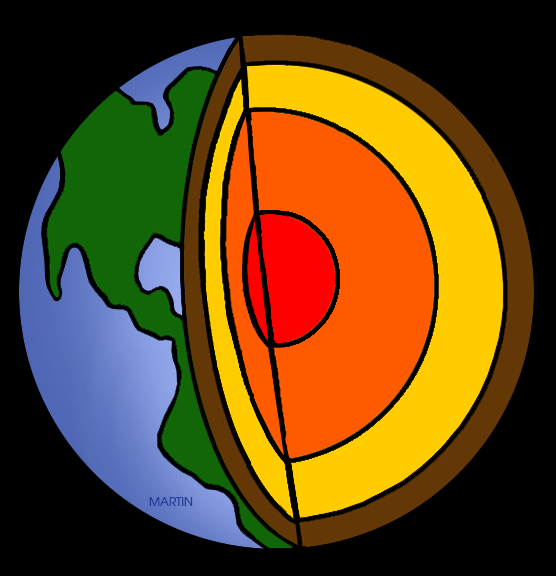
Which layer is shown in red?
crust
mantle
outer core
inner core
Which layer is shown in orange?
crust
mantle
outer core
inner core
Which layer is shown in yellow?
crust
mantle
outer core
inner core
Which layer is shown in brown?
crust
mantle
outer core
inner core
Which layer of the Earth are convection currents found?
Crust
Mantle
Inner Core
Outer Core

The tectonic plates are pieces of the...
Crust
Lithosphere
Asthenosphere
Core
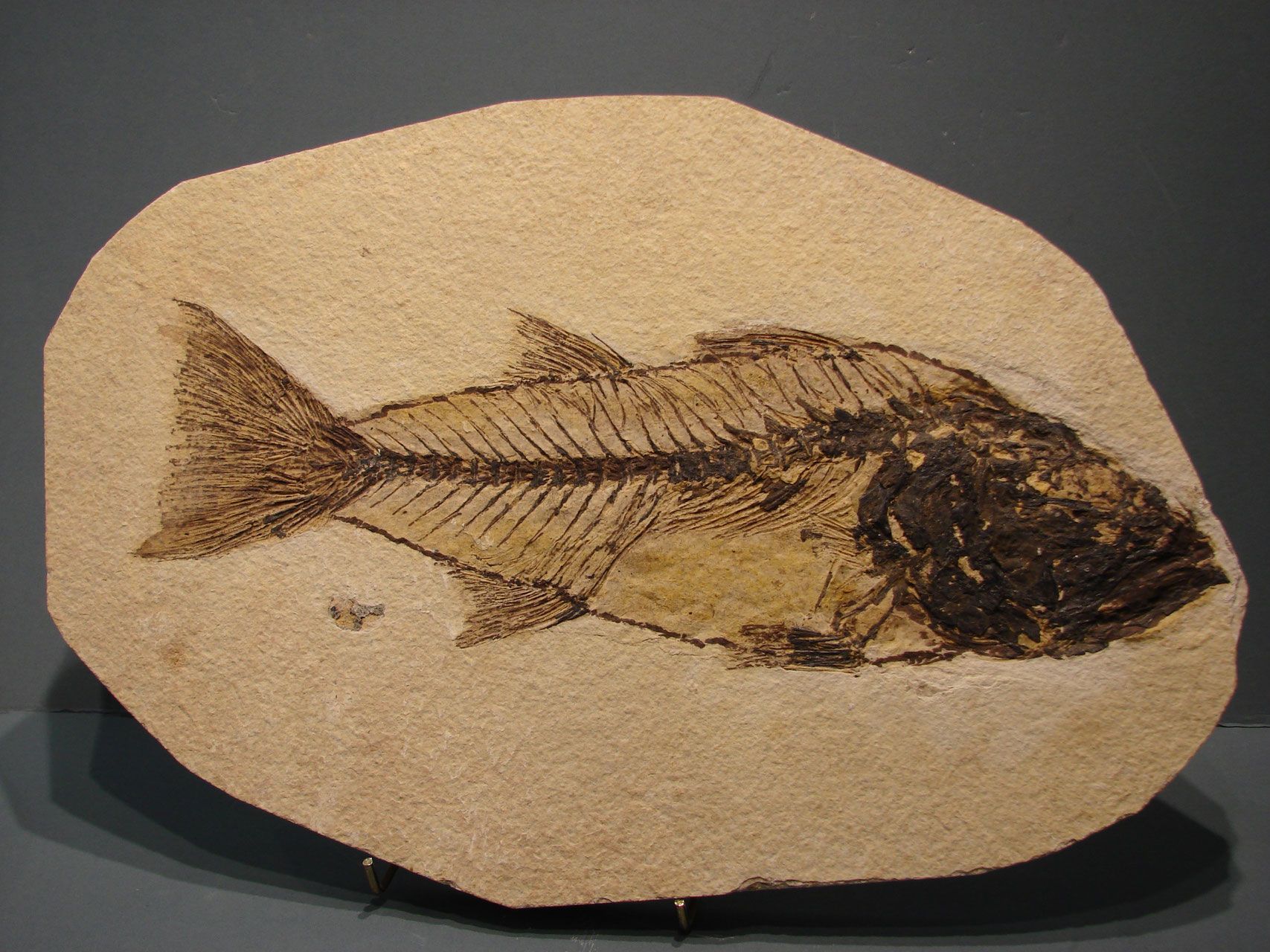
If a scientist found a fish fossil in the desert, what can they infer?
An animal ate the fish.
The water covered the area long ago.
Today's fish looks the same
The fish is endangered.
The remains or mark of an animal or plant that lived long ago is____
fossil
paleontologist
fossil fuels
extinct
In order to form a fossil, an organism must usually_______ quickly after it dies?
decompose
go extinct
be buried
rot

