wayground logo

Free Printable Worksheets

Font size

S
M
L
XL
Worksheets

Moon phases

Total questions: 45

Worksheet time: 32mins

Name
Class
Date
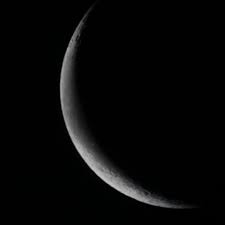
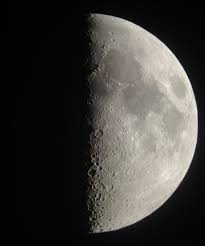
1.
Name the moon phase
a)
waning crescent
b)
waxing crescent
c)
waning gibbous
d)
waxing gibbous
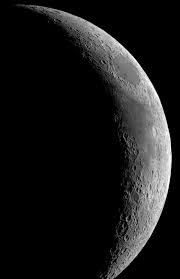
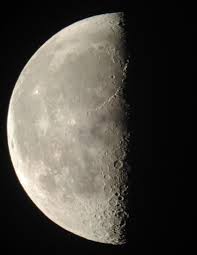
2.
Name the moon phase
a)
waning crescent
b)
waxing crescent
c)
waning gibbous
d)
waxing gibbous
3.
Name the moon phase
a)
waning crescent
b)
waxing crescent
c)
waning gibbous
d)
waxing gibbous
4.
Name the moon phase
a)
waning crescent
b)
waxing crescent
c)
waning gibbous
d)
waxing gibbous
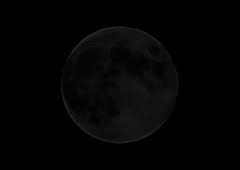
5.

Name the moon phase

a)

First Quarter

b)

Third Quarter

c)

New Moon

d)

Full Moon

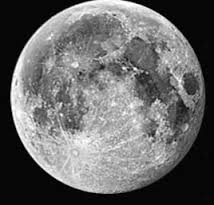
6.

Name the moon phase

a)

First Quarter

b)

Third Quarter

c)

New Moon

d)

Full Moon

7.

Name the moon phase

a)

First Quarter

b)

Third Quarter

c)

New Moon

d)

Full Moon

8.

Name the moon phase

a)

First Quarter

b)

Third Quarter

c)

New Moon

d)

Full Moon

9.
Name the moon phase that would come AFTER this moon.
a)
waning crescent
b)
waxing crescent
c)
waning gibbous
d)
waxing gibbous
10.

Which moon phase is shown in this diagram?

a)

new moon

b)

1st quarter

c)

full moon

d)

3rd quarter

11.

Which moon phase is shown in this diagram?

a)

new moon

b)

first quarter

c)

full moon

d)

3rd quarter

12.
Define Waxing
a)
Moon is increasing and light part appears to be growing
b)
Completely illuminated
c)
dark side is facing earth
d)
Moon is decreasing and light part appears to be shrinking
13.
Define Gibbous
a)
Less than half of moon visible
b)
More than half of moon visible
c)
All of moon visible
d)
None of moon visible
14.
Define Full Moon
a)
None of moon is visible
b)
Half moon phase is visible
c)
Complete moon face is visible
d)
Less Than half of moon is visible
15.
Define New Moon
a)
None of moon is visible from Earth
b)
All of moon visible from Earth
c)
Moon is 1/2 visible from Earth
d)
Moon is more than Half Visible from Earth
16.
Name this moon phase
a)
Waxing Gibbous
b)
Waxing Crescent
c)
Waning Crescent
d)
Waning Gibbous
17.
The 1st Quarter moon is lit on the:
a)
Left Side
b)
Right Side
18.
Waxing means...
a)
Growing
b)
Dying
c)
Losing light
d)
Moving
19.
Which moon phase is when you can't see the moon at all?
a)
Waning crescent
b)
Full moon
c)
Waxing gibbous
d)
New moon
20.
Phases of the moon in which the moon appears to be getting larger are referred to as _.
a)
waxing
b)
waning
c)
new
d)
eclipse
21.
What Moon phase is this?
a)
Waxing Gibbous
b)
Waning Crescent
c)
Waning Gibbous
d)
Full Moon
22.
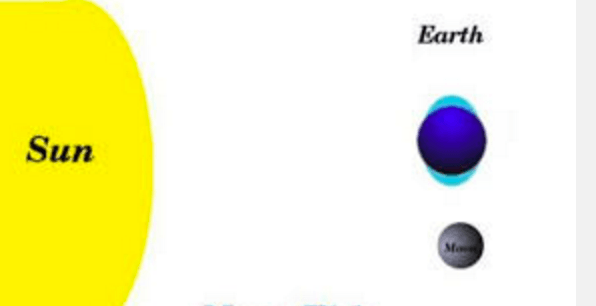
What type of tides would this arrangement of earth-moon-sun create?
a)
neap tide
b)
spring tide
c)
new moon tide
d)
full moon tide
23.
Wha type of tide would this arrangement of earth-moon-sun create?
a)
full moon tide
b)
new moon tide
c)
neap tide
d)
spring tide
24.
Which phase of the moon is represented in this diagram?
a)
new moon
b)
first quarter
c)
full moon
d)
last quarter/third quarter
25.
What causes tides?
a)
gravity
b)
wind
c)
spring
d)
neap
26.
Why does the moon's gravitational pull have more of effect on tides than the sun's gravitational pull?
a)
they are the same
b)
the moon is larger than the sun
c)
tides are not caused by the moon
d)
the moon is closer to the Earth than the sun
27.
Tides are caused mainly by what?
a)
Moon’s gravitational pull
b)
Sun’s gravitational pull
c)
Earth’s gravitational pull
28.
The bulge of water on the side of the Earth closest to the moon produces ___________.
a)
high tide
b)
low tide
c)
neap tide
d)
spring tide
29.
How many times per month does a spring tide occur?
a)
Once
b)
twice
c)
three times
d)
it changes every month
30.
A[n] ___________ tide occurs when the sun, Earth, and the moon are nearly in a line. 
a)
spring
b)
high
c)
low
d)
neap
31.
A neap tide is a tide with the greatest difference between low and high tides
a)
true
b)
false
32.

Convection can take place in ____________.

a)

solids only.

b)

liquids only.

c)

liguids and gases only.

d)

solids, liquids and gases.

33.

Which picture shows material that is more dense?

a)

The picture of the left

b)

The picture on the right

34.

What does heat do when convection currents are moving?

a)

Sinks

b)

Rises

c)

Stays in place

35.

What is an example of convection currents

a)

Feeling the heat from a bonfire with your friends

b)

Touching a hot curling iron

c)

The movement of air in a circular motion in the atmosphere
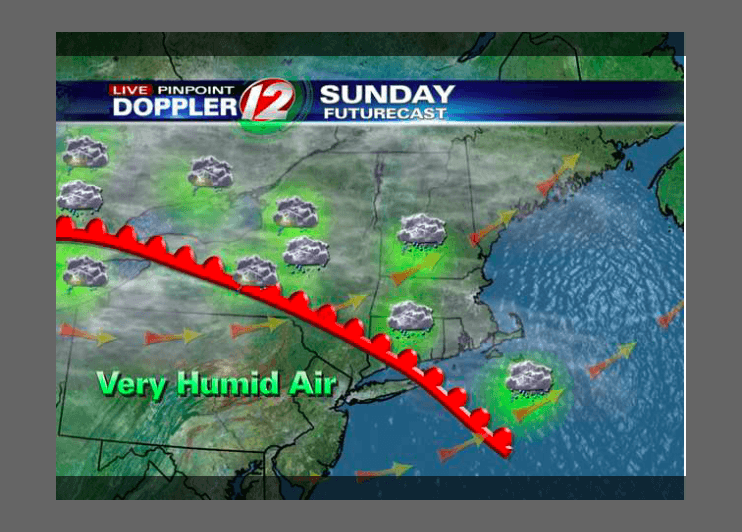
36.
Wind is caused by what?
a)
Sun
b)
Earth
c)
Moon
d)
Wind
37.
In an ocean, warm water moves __________ and cold water moves ____________.
a)
Down, Up
b)
Up, Down
38.
During convection, more dense currents _________ and less dense currents _________.
a)
sink, rise
b)
rise, sink
39.

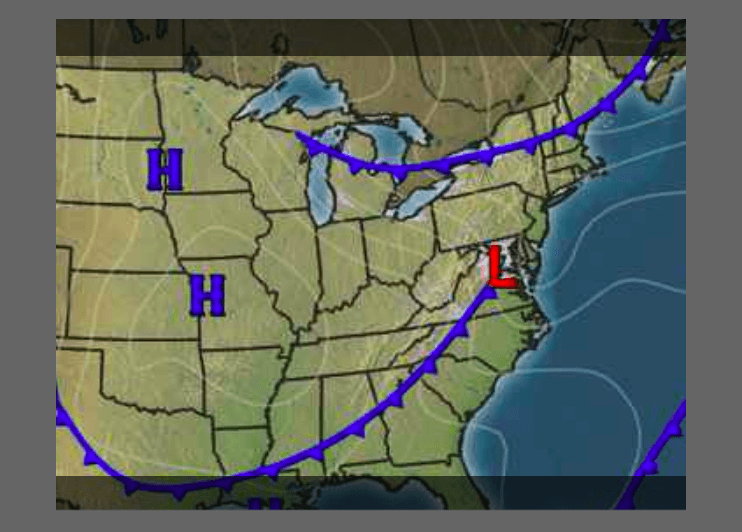
Name that symbol.

a)

Cold Front

b)

Warm Front

c)

Stationary Front

d)

Occluded Front

40.

Name that symbol.

a)

Cold Front

b)

Warm Front

c)

Stationary Front

d)

Occluded Front

41.
Which most likely produces clear, cool weather?
a)
zero air pressure
b)
stable air pressure
c)
a low pressure system
d)
a high pressure system
42.
Which system results in rainy or stormy weather?
a)
high pressure
b)
low pressure
c)
hurricane
d)
weather system
43.
When I cold front is approaching, what happens?
a)
warm air is pushing under cold air causing humid weather and lower temperatures
b)
warm air is pushing under cold air causing humid weather and higher temperatures
c)
warm air rises, cools, and causes rain and thunderstorms
d)
cold air is pushed over warm air causing rain and thunderstorms
44.

What weather can you expect with a cold front?

a)

storms, then cool good weather

b)

a few days of rain

45.
What does this symbol on a weather map indicate? 
a)
High pressure system
b)
Low pressure system
c)
Cold front
d)
Warm front