
 Worksheets
What is heat?
Total questions: 49
Worksheet time: 39mins
Is energy that flows from something warm to something cool
air
Thermal energy
vapor
Light energy
To transfer to thermal energy between matter or different temperatures is called ______________.
air
heat
water
matter
__________________ is present whenever there is heat.
Energy
matter
water
any of them
A ________________ is anything that gives off energy that particles of matter can take in.
the sun
water
convection
heat source
________________ is the transfer of heat that occurs when one thing touch another one.
conduction
convection
radiation
Mark two examples of conduction.
putting your warm face in the fresh pillow
a bird warming its eggs in a nest
placing ice in a glass
pouring water to the flowers
________________ is the transfer of thermal energy as matter moves. In convection, a gas or a liquid moves from place to place.
conduction
convection
radiation
thermal energy
___________ is energy that is sent out in waves.
convection
radiation
conduction
heat
Mark two examples of radiation energy.
the refrigerator
the microwave
the sun
a guitar
______________ occurs when two surfaces rub together.
convection
friction
radiation
thermal
Mark two examples of friction
rubbing your hands in a cold day
playing the drum
when a person skates on ice
clapping
Which of the following is NOT a heat source?


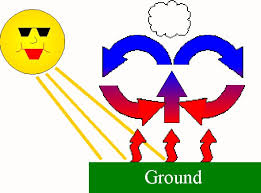
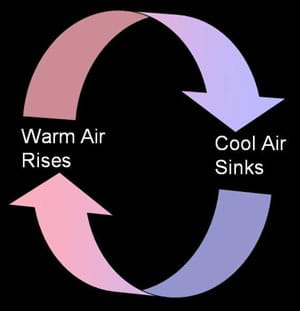
Near the ceiling of a room the air is warmer. The warm air rises because of
conduction
convection
radiation

Conduction
Convection
Radiation

What source of heat represent the picture?
Sun
Electricity
Burning Fuels
Friction

How do heat flow?
Heat flow from cold region to hot region.
Heat flow from hot region to cold region.
Heat flow from hot region to hot region.
Heat energy can be transferred.
True
False

The handle of a metal spoon warms up when it is placed in a hot bowl of soup because of ________.
convection
radiation
conduction

A metal spoon in ice cream also gets cold due to
Radiation
Convection
Conduction
Magic

What is heat transfer by movement of liquids or gases?
Radiation
Convection
Conduction
Heat

Which heat transfer explains formation of sea breeze during the day?
Radiation
Convection
Conduction
Insulation

How does the sun transfer its energy?
Radiation
Convection
Conduction
Insulation

What type of heat source warms up your hands when rubbing them together?
Sun
Electric
Chemical Reaction
Friction

Boiling Water
Conduction
Convection
Radiation

Curling Iron
Conduction
Convection
Radiation
What is a transfer of heat energy by waves?
Cooking pizza in the microwave is an example of...
conduction
convection
radiation
Which is an example of heat being transferred by conduction?
a furnace heating the air in a school
an ice cube melting in a person's hand
a pot of water on a stove boiling
the sun heating water in a swimming pool
How many different types of heat transfer exist?
1
2
3
4 or more
Heat is the transfer of _____ from one object to another due to a difference in temperature.
Time
Force
Energy
Velocity

The man's hand will immediately receive heat from the metal as the candle gradually warms it. That is called____?
Conduction
Convection
Radiation
What type of heat transfer causes a hot air balloon to rise?
radiation
convection
gravity
conduction
What type of heat transfer occurs when water is boiling?
convection
radiation
conduction
force
What type of heat transfer occurs when the sun melts ice cream?
conduction
inertia
radiation
convection
What type of heat transfer occurs when you cook food in a microwave?
conduction
convection
radiation
magic
Convection is...
when heat is transferred through direct contact.
when heat is transferred from a far away heat source.
when heat is transferred through cycling of air/water.
when heat moves all the time.
Friction produces heat energy.
True
False
Fossil Fuels are a source of heat. Which of the following are examples of fossil fuels?
Plutonium and uranium
dinosaur bones
wood and plant material
coal, natural gas, and oil
Movement of energy from one object to another.
Heat
Energy Transfer
Themal Energy
Temperature

You get sunburned due to __________ from the sun.
conduction
convection
radiation
The movement of energy from one object to another.
Energy
Convection
Radiation
Heat

