
 Worksheets
Articles, Constitution & Principals
Total questions: 60
Worksheet time: 3600secs
When did the Constitutional Convention take place?
May 25 - Sept 17, 1787
April 19 1775 - Sept. 3, 1783
July 4, 1776 - Sept. 17, 1787
May 28, 1754 - Feb. 10, 1763
How were slaves counted under the Great Compromise?
They all were counted.
99 out of 100 were to be counted.
3 out of 5 were to be counted.
16 out of 64 were to be counted.

How many states must ratify a Constitutional Amendment?
3/4 of all of the states
All of the states
1/2 of all the states
2/3 of all the states
What event "showed congress how weak the Articles of Confederation was?
Bacon Rebellion
American Revolution
Shay's Rebellion
Constitution
What did the Mayflower Compact do that directly led to the Constitution of the United States?
Limited the power of the government and guaranteed a trial by jury
Protected the rights of all English citizens
The people created a government
What does ratify mean?
approval of a document or policy
Rats taking over an area via conquest
A person turning into a rat
A document or policy not being approved of
The belief that people can and should govern themselves. The government gets its power from the people.
Republicanism
Popular Sovereignty
Limited Government
Federalism
The people vote for someone to represent their views in their local, state, and federal governments because of this principle of government.
Republicanism
Popular Sovereignty
Limited Government
Federalism
In what year was the NorthWest Ordinance ratified?
1787
1482
1776
1864
Each branch of the federal (national) government has the ability to limit, or control, the powers of the other two branches.
Limited Government
Checks and Balances
Popular Sovereignty
Federalism
Everybody has to follow the same laws because of this principle of government, even members of the government. ESPECIALLY members of the government.
Limited Government
Checks and Balances
Popular Sovereignty
Separation of Power.
Who did NOT write a Federalist Paper?
James Monroe
Alexander Hamilton
John Jay
James Madison
What is checks & balances?
The federal and state governments share power
The government's power comes from the permission of the people
The government is divided into 3 branches
Each branch of government has jobs to make sure other branches don't become too powerful
The power of the federal (national) government is placed into 3 separate, but equal, branches due to this principal of government
Limited Government
Checks and Balances
Popular Sovereignty
Separation of Power
What were the Federalist Papers?
A series of essays arguing in favor of ratification of the Constitution
A historically inaccurate play about the founding fathers
A series of essays in rebuttal to another series arguing against ratification of the Constitution
A newspaper that was published in Philidelphia around the time of the Constitutional Convention
The sharing of power between the state and federal (national) governments.
Federalism
Checks and Balances
Popular Sovereignty
Individual Rights

Judicial branch checks on the Legislative branch.
Can declare executive actions unconstitutional
Can declare acts of congress unconstitutional
Confirm executive appointments.
Can grant pardons to federal offenders.

Judicial branch checks on the executive branch.
Can declare executive actions unconstitutional
Can declare acts of congress unconstitutional
Confirm executive appointments.
Can grant pardons to federal offenders.
The Fear of one person having to much "Power" was what weakness of the "Articles of Confederation"?
No power to request money
No Chief Executive
No power to tax
all of the above
What did the English Bill of Rights do that directly led to the Constitution of the United States?
Limited the power of the government and guaranteed a trial by jury
Protected the rights of all English citizens
The people created a government
Which of the following did the 3/5 Compromise set out to do?
Say enslaved blacks were only 3/5 of a person
Limit how much power the slaveholding south would have in the Congress
Push the South towards abandoning slavery
Deny the personhood of all blacks
Keep the country from falling apart before it began
What state was not part of the Northwest Territory?
Wisconson
Minnesota
Illinois
Indiana
Michigan
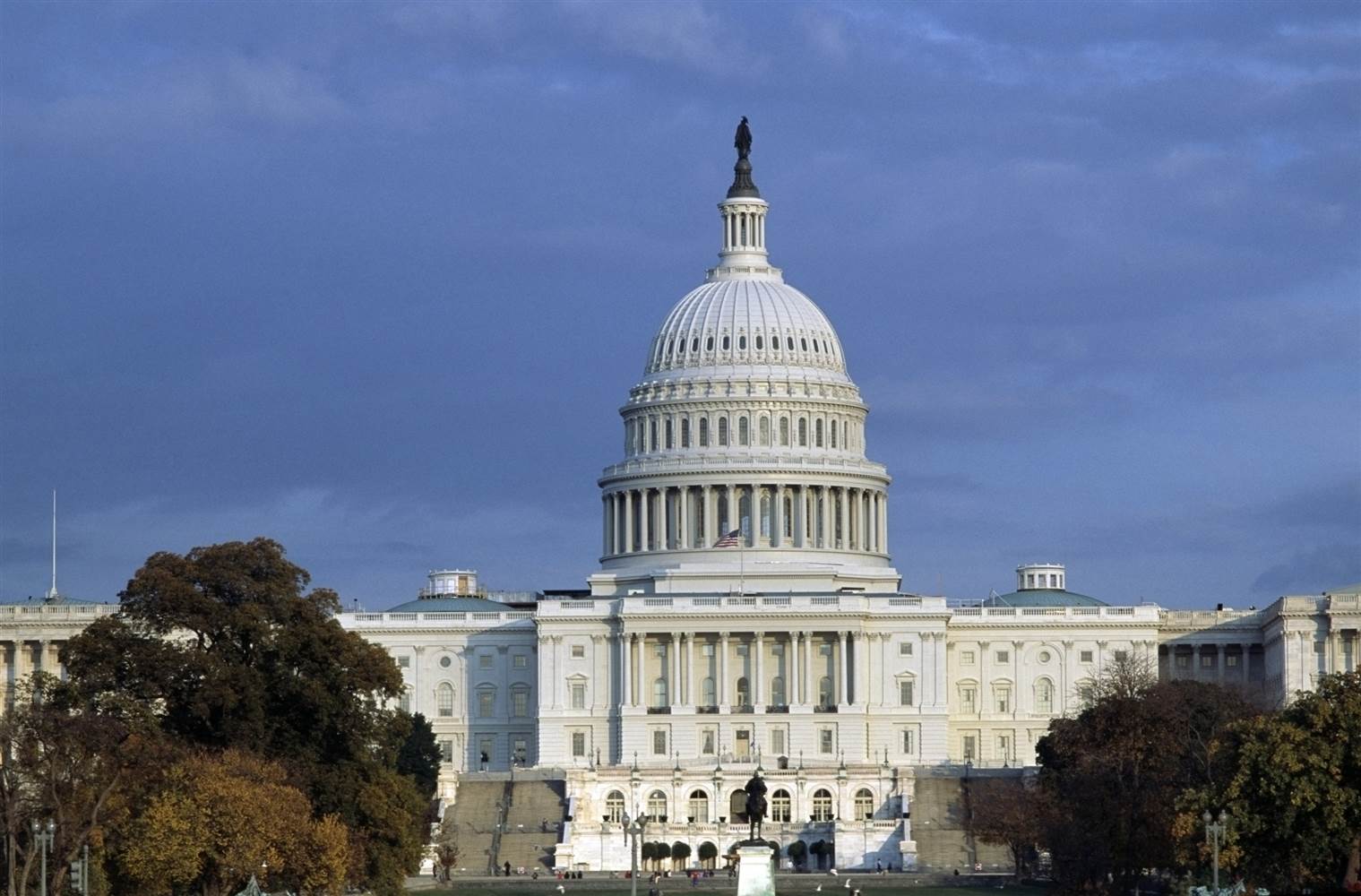
What is federalism?
The government is divided between federal and state and they share certain powers
The government's power comes from the permission of the people
The government is divided into 3 branches
Each branch of government has jobs to make sure other branches don't become too powerful
TRUE OR FALSE: According to the Constitution, both the states and federal governments may print money
TRUE
FALSE

Both the federal and states can raise taxes.
Yes
No
Only in the time of war.
Only when the judicial branches approves.
If the judicial branch finds that a law is unconstitutional then...
It remains a law
Can be ignored by the states.
then a new law must be made to replace it
It can not be enforced.
Who can impeach a federal official...
The Senate
The House of Representative
The Chief Justice of the Supreme Court
What did the Magna Carta do that directly led to the Constitution of the United States?
Limited the power of the government and guaranteed a trial by jury
Protected the rights of all English citizens
The people created a government
Which branch of government makes the law?
Legislative
Executive
Judicial
Constitution
Which branch of government enforces the law and is headed, from smallest to largest, by a mayor, governor, or president?
Legislative
Executive
Judicial
Republic
To impeach is to....
remove from office
accuse
investigate
replace
Each branch has different powers and can limit the power of the other branches due to which principle of government?
Federalism
Checks and Balances
Federalism
Republic
Document that outlines structure and role of government.
Federalism
Republic
Constitution
Legislative
Government where people elect leaders to represent them.
Popular Sovereignty
Federalism
Executive
Republic
This principle of government states that the people have power in the government.
Popular Sovereignty
Republic
Constitution
Federalism
No power to tax citizens was another weakness of the Articles of Confederation, Why do you think it was like that?
Citizens wanted to protect individual states taxing power
Fear of being over taxed
A Libertarian worldview
The thought that all taxation is theft
What was the weakness of the Articles of Confederation that wascaused by fear of too much power being in the government?
Laws needed approval by 9 out of 13 States
no chief executive
no power to tax citizens
Under the Articles of Confederation, the government consisted of _______________ branch(es) of government.
Who was the president under the articles?
George Washington
Each governor voted on a president
The most senior Senator
There wasn't one
Which branch of government interprets or explains the law?
Legislative
Executive
Judicial
Republic
What were the two Accomplishments of the Articles of Confederation?
Northeast Ordinace & Ranch Ordinance of 1785
Land Ordinance of 1785 & achieving independance
Land ordinance of 1066 & Louisiana Purchase
none of the above
This was the First written Constitution of the U.S.
Constitution
MayFlower Compact
Articles of Confederation
Declaration of Independance
The Articles of Confederation was what?
an agreement among the 13 colonies to be friendly
the national government
Independance of Great Britain
The Northwest Territory was located...
north and west of the Ohio River, including present day Ohio
south and east of the Louisiana Purchase
in the present day Northwest region, including the states of Oregon and Washington
in present day Canada
Which of the following was NOT a rule required by the Northwest Ordinance of 1787?
Freedom of religious worship without government interference
Population of 60,000 to apply for statehood
Slavery and indentured servitude was outlawed
All Native Americans would be granted citizenship within five years

What was the main weakness of the Articles of Confederation?
the federal government was too weak
It had no legislative branch
The judicial was too powerful
The executive was too powerful
Who was president of the Constitutional Convention?
George Washington
James Madison
George Costanza
James Dean
Who was Father of the Constitution?
George Washington
James Madison
George Costanza
James Dean
Which of the following is not a major weakness of the Articles of Confederation?
Inability of the federal government to prevent rebellion and then put them down after they develop
Inability to tax and gain revenue for the federal government
Absence of an executive branch to enforce laws passed by Congress
A strong judicial that controlled the country by declaring what laws could be passed
What is popular sovereignty?
The federal and state governments share power
The government's power comes from the consent of the people
The government is divided into 3 branches
Each branch of government has jobs to make sure other branches don't become too powerful

If a bill is Vetoed by the executive then...
It is made into law.
only parts of the bill become law.
It must go back to the legislative and it is not made into law.
it can never be considered again
What is separation of powers?
The federal and state governments share power
The government's power comes from the permission of the people
The government is divided into 3 branches
Each branch of government has jobs to make sure other branches don't become too powerful
How many states had to ratify the Constituion to be able to be ratified?
1
2
5
13
9
Fear of a Strong Central government, no way to protect the Country, What weakness was this ?
No power to raise an army
no national court system
No executive office
No ability to tax to raise revenue

