
 Worksheets
8th_Topic 1_Lesson 4
Total questions: 29
Worksheet time: 41mins
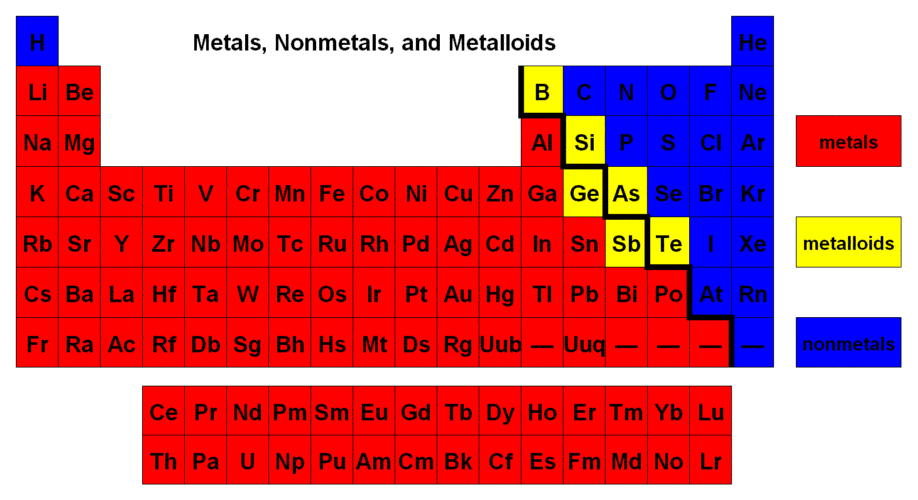

What is the number of valence electrons of Oxygen?
1
2
6
8

How many electrons are being shared between the two carbon atoms in the compound ethyne?
1
2
3
6

Predict the bond that will form between Se and Cl
Ionic-bond
Covalent-bond
Metallic-bond
Hydrogen-bond
A molecule that has a partial positive end and a partial negative end because of unequal sharing of electrons is a _______________.
nonpolar molecule
polar molecule
ionic compound
metalic compound
The boiling point of polar molecules is __________ the boiling point of nonpolar molecules.
lower than
equal to
higher than

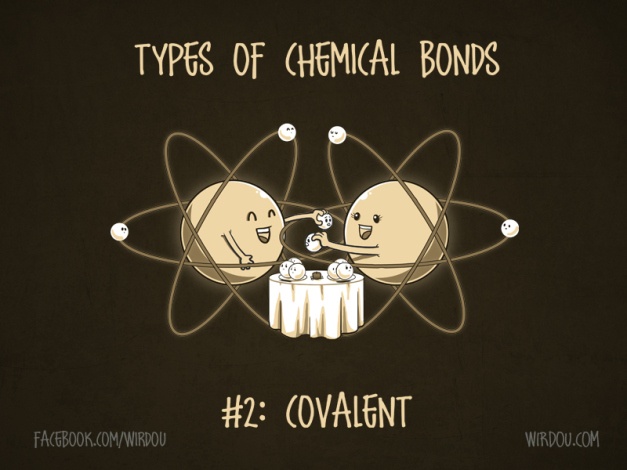
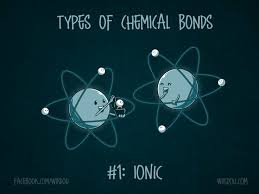
What type of bonding does this picture show?
Ionic
Covalent

What type of bonding does this picture show?
Ionic
Covalent
Generally, atoms form bonds so that _______________.
Each atom loses its electrons
Each atom has a stable electron configuration
Each atom has an unstable electron configuration
Each atom gains electrons
Generally low melting and boiling points
Ionic compounds
Covalent compounds
Conducts electricity well when melted or dissolved
Ionic compounds
Covalent compounds
MgO
ionic
covalent
metallic

Identify the charge for Chlorine (Cl) when it forms an ion
1-
1+
2-
2+
3-

Identify the charge for Oxygen (O).
1+
2+
2-
3-
3+

Identify the charge for Potassium (K).
1-
1+
2+
2-
If an atom has no charge, which of the following must be true?
It has more neutrons than protons or electrons.
There are only neutrons inside the atom.
Its number of protons is equal to its number of electrons.
The neutrons in the atom outnumber the electrons and protons.
Predict the type of bond between helium and fluorine.
ionic
covalent
metallic
no bond
Zinc fluoride
ZnF2
Zn2F
ZnF
Zn2F4


Sodium and Bromine will make a _____ bond
Ionic
Hydrogen
Covalent
Exploding
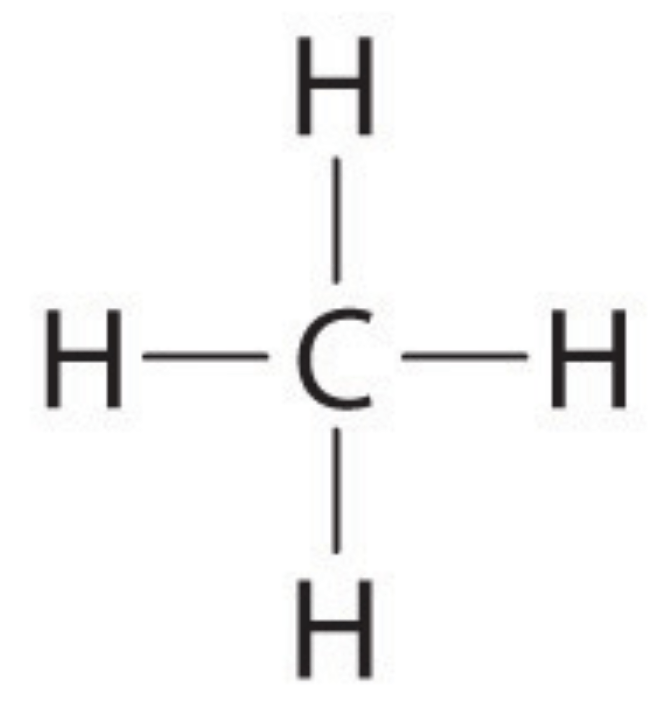
Classify the following molecule.
polar
nonpolar
Which of the following formulas represents a polar molecule?
H2
NI3
CO2
CCl4
Classify the following as polar or nonpolar: SF2
polar
nonpolar
Classify the following as polar or nonpolar: SiO2
polar
nonpolar

