
 Worksheets
Art History Spring 2024
Total questions: 40
Worksheet time: 33mins
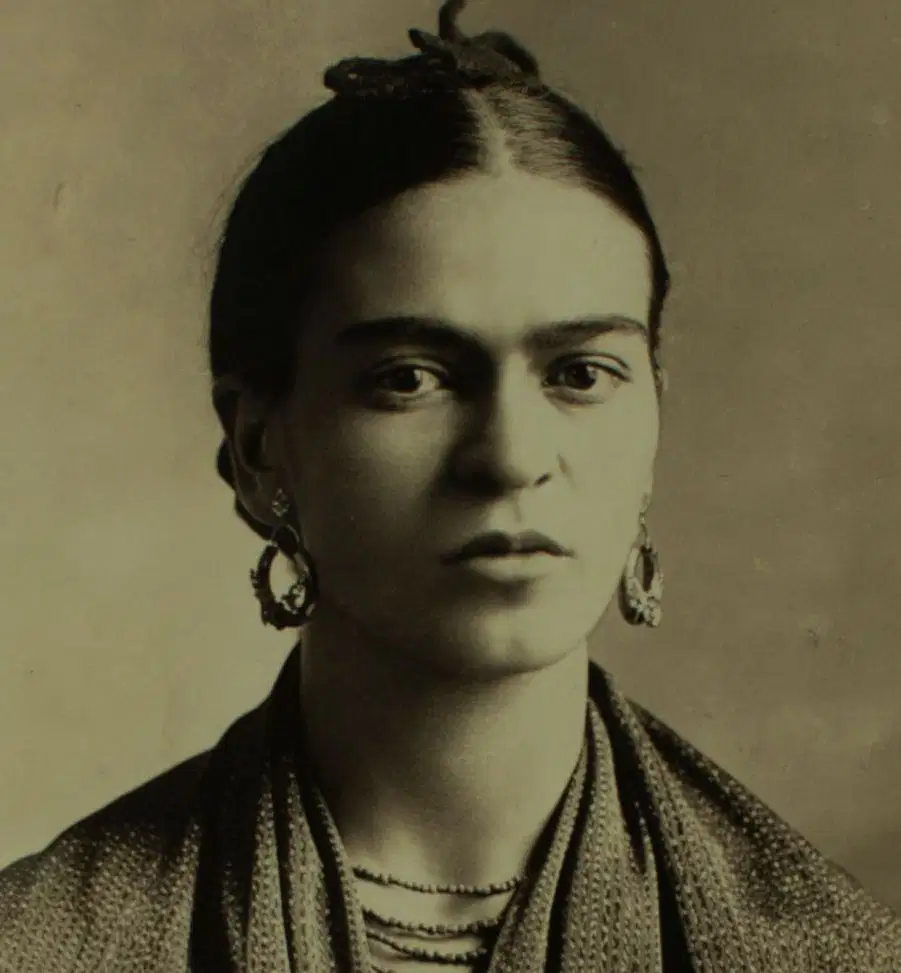
Who is this artist?
(a)

What is the name of this picture?
(a)

What sport did this artist play despite it being unusual for girls at that time?
(a)

Why did this artist paint so many self-portraits?
Because self-portraits could be sold for more money.
She was self absorbed and snobby.
Her boss forced her to paint self portraits.
She was often lonely and painting self-portraits helped her to express herself.

Who is this artist?
(a)

What is the name of this sculpture?
(a)

During what art period was this sculpture created?
(a)
During what years did the Renaissance take place? (____ to ____)
(a)

What type of stone was the sculpture carved out of?
granite
crystal
marble
shale stone

Who is this artist?
(a)

This painting is part of a series with the name of (a) .
Vincent made a series of sunflowers paintings. One of these pictures in now located in a national gallery in London, England. Van Gogh painted his first series of sunflowers in the summer of 1886. Two years later, his interest re-emerged after he settled at Arles. Why did he start painting sunflowers again?
He wanted a picture to match the yellow house he lived in.
He wanted to have a sunflower picture to give to his girlfriend.
He started painting sunflower pictures to put up for the arrival of his friend Paul Gaugin.
He got tired of painting iris flowers.

What is the name of this picture?
(a)
Van Gogh is associated with a painting technique called (a) in which artist layers on thick paint until it stands out from a surface.

Why do you think this artist cut off his ear?
He was in an argument with his friend Paul Gaugin and it made him so upset that he cut off his ear.
He wanted to cut it off so that he could donate it to a local charity.
He wanted to see what he would look like as a one eared man.
His ear didn't work well so he cut it off.

Who is this artist?
(a)

What is the name of this artwork?
(a)

What art movement was this artist associated with?
(a)
What inspired this artist to start painting?
He became ill and was on bed rest. He began painting to pass time.
He was trying to impress a woman.
His grandma inspired him to paint.
His time in the outdoors inspired him.
After he aged and fell ill, where and how did this artist continue to paint?
His doctor created a desk that would allow him to paint from his wheel chair.
He began creating collages with shapes that he had cut from paper.
He would hold a paintbrush with his toes and paint as long as he had energy.
His daughter would paint for him as he gave her instructions.
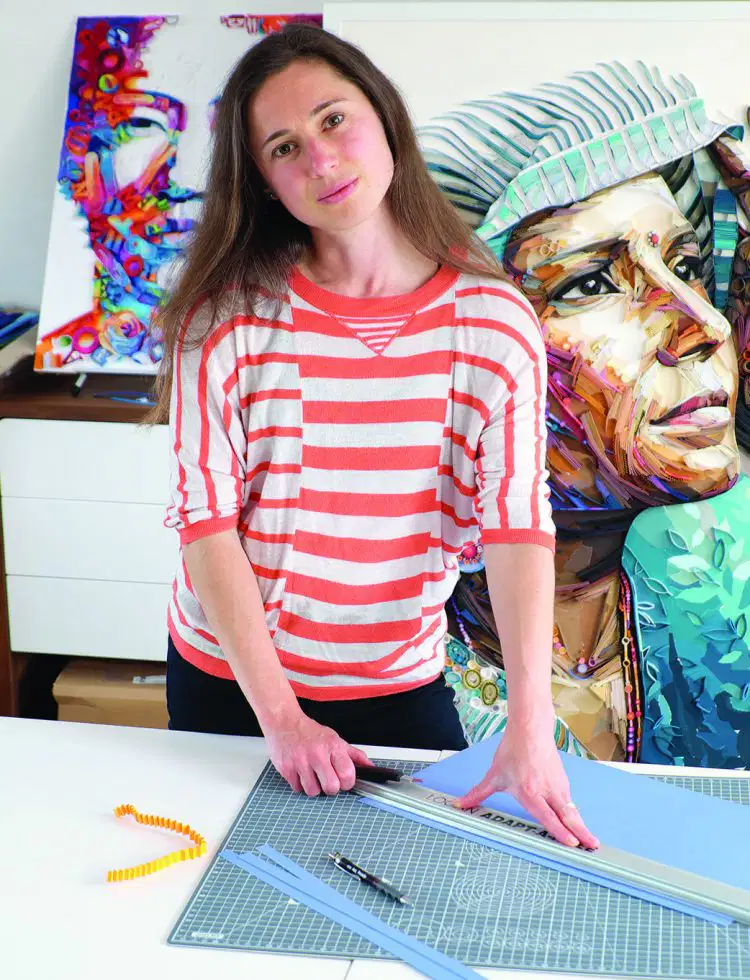
Who is this artist?
Henri Matisse
Yulia Brodskaya
Vincent van Gogh
Paul Gauguin

What is the name of this art work?
(a)
Name the art technique of rolling, shaping, and gluing paper together to create a decorative design.
Paper Quilling
Scrolling
Sgraffito
Paper Cubism
During the Renaissance, ____ and _____ were known to use a paper rolling technique to decorate religious objects with gold-gilded paper that had been trimmed off books.
nuns and monks
nuns and priests
kings and queens
popes and priests
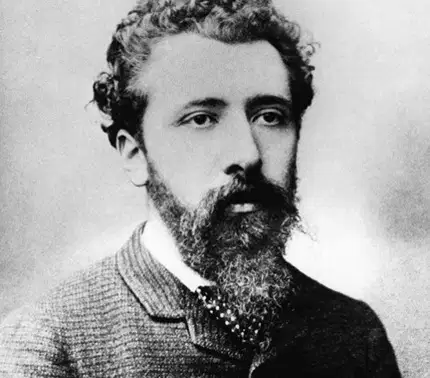
Who is this artist?
(a)

What is the name of this picture?
(a)
What is the art technique that Georges Seurat used?
(a)
How long did it take to paint "A Sunday Afternoon on the Island of La Grande Jatte?
4 years
5 years
2 years
7 years
How would Georges Seurat make green grass appear to be green without using green paint?
Placing a blue dot next to a purple dot of paint.
Placing a dark shade of green paint next to a light brown shade.
He would add a little yellow to the red grass undertones.
He placed yellow paint dots next to blue dots.

What culture (country) inspired this artist's work?
(a)

What highly contagious viral infection did Frida have when she was 6 years old?
(a)
Who is this artist?
(a)
What type of art style did Roy Lichtenstein create?
(a)
What is the name of this picture?
(a)
This art movement began in the United Kingdom and the United State during the ----------. The unique movement raised common everday objects such as a roll of toilet paper to the status of fine art. It included objects and images from popular and mass culture, such as advertising, comic books and mundane mass-produced objects.
1700's
1950s
1930s
1980s
Who is this artist?
(a)
What is the name of this artwork?
(a)
Where (what state) did this artist grow up in?
Idaho
Ohio
Massachusettes
Wisconsin
Georgia O'Keeffe painted bones, seashells and landscapes, but she is most famous for painting (a) .
What type of shapes did Georgia O'Keeffe usually incorporate in to her pictures?
Geometric
Organic
Metaphysical
Angular

