
 Worksheets
OPTIONAL: Molecules & Compounds Practice Test
Total questions: 50
Worksheet time: 27mins
Atoms bond together in different ways to make ________________.
Substances
Matter
Molecules


Which of the following cannot be broken down into something simpler?
a compound
an element
a chemical formula
a mixture
Which of the following is not a compound?
HCl
Cl2
NaCl
CO2
What charge does an atom have when it GAINS electrons?
Positive
Negative
Neutral


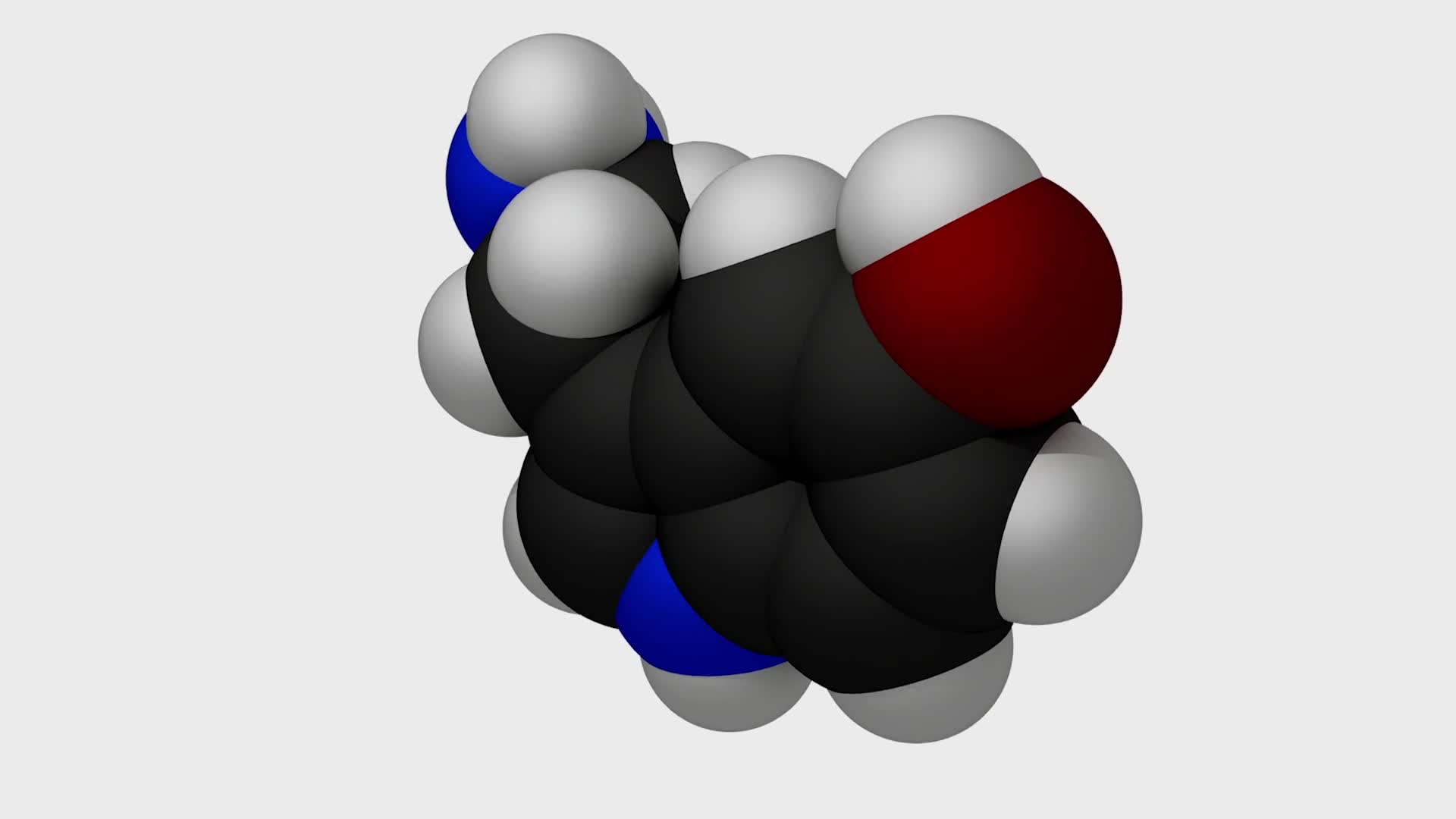
What is the picture displayed?
atom
element
compound
How would H2O be classified? Check all that apply.
Atom
Molecule
Compound
How would O2 be qualified. Check all answers that apply.
Atom
Molecule
Compound

How many valence electrons are in the element Carbon?
2 electrons
6 electrons
4 electrons
None of the above
Are these molecules also compounds?
YES
NO

The image shows the elemental block of potassium. How many electrons are found in the potassium atom?
19
20
39
40
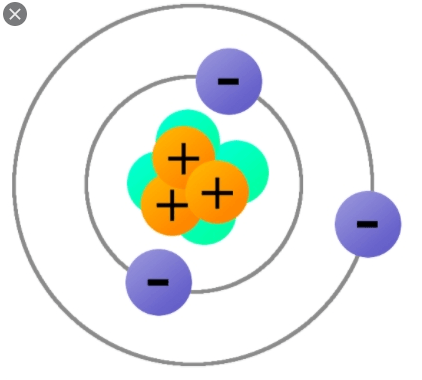
Which part of an atom is represented by the blue circles?
electrons
neutrons
protons
made up of atoms of two or more different elements joined together by chemical bonds
molecule
element
atom
compound
Why do all bonds form?
To fill up the outer shell.
To achieve the one or duplet electronic configuration
An atom with 1 valence electron 'needs' a full shell, so it can either gain 7 electrons or lose 1. Which is more likely to occur?
lose 1 electron
gain 7 electrons
What two types of atoms make a covalent bond?
metal atom and metal atom
metal atom and non metal non atom
non metal atom and non metal atom
When an atom loses an electron, it becomes a _________.
noble gas
anion
cation
Atoms are most stable when their outer shell is full or complete.
True
False
What part of an atom is involved in chemical bonding?
proton
neutron
electron
How many valence electrons does hydrogen have?
1
2
3
4
The vertical (up and down) columns in the Periodic Table are called
groups
towers
periods
atomic numbers
All of the elements in a period have the same number of _____.
energy levels
valence electrons
protons
electrons
All of the elements in a group have the same number of _____.
energy levels
valence electrons
protons
electrons
How many electrons can the first energy level hold?
1
2
8
Unlimited
How many electrons can the second and third (for our intents and purposes) energy levels hold?
1
2
8
Unlimited
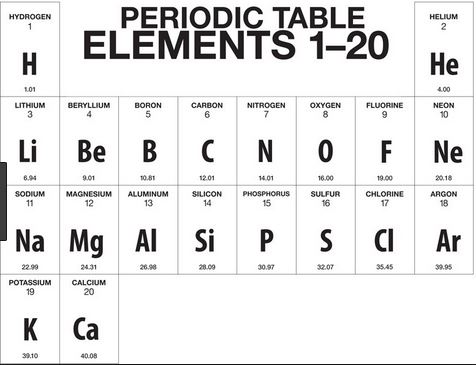
How many valence electrons does Silicon Have?
1 Valence electron
2 Valence electron
3 Valence electron
4 Valence electron
5 Valence electron
How many valence electrons does Oxygen Have?
4 Valence electron
5 Valence electron
6 Valence electron
7 Valence electron
8 Valence electron

Which is the correct lewis dot diagram for oxygen (O)

true

false

Which is the correct Bohr model for Nitrogen (N)

true

false


Calculate the number of Oxygen atoms in Al(OH)3
1
2
3
4

How many total POTASSIUM atoms are in this formula?
8
2
4
12
C3H5(NO3)3
C = 3, H = 5, N = 3, O = 9
C = 3, H = 5, N = 1, O = 9
C = 9, H = 15, N = 3, O = 9
C = 9, H = 15, N = 1, O = 3
How many atoms of each element is represented in one molecule of 2-heptane?
CH3C4H8COCH3
4 Carbon
11 Hydrogen
1 Oxygen
7 Carbon
14 Hydrogen
1 Oxygen
7 Carbon
11 Hydrogen
8 Oxygen
6 Carbon
14 Hydrogen
3 Oxygen
#7
Which TWO substances have the same number of carbon atoms?
C2H6O
C8H18
CH3CH2Br
C4H10O

