
NEW
Font size
 Worksheets
Downlands Yr 7 Ecology Retrieval Quiz 1
Total questions: 60
Worksheet time: 42mins

Choose the correct category.
Bacteria
Fungi
Archaea
Animalae

Choose the correct category.
Bacteria
Fungi
Archaea
Animalae

Choose the correct category.
Bacteria
Plantae
Archaea
Animalae

Choose the correct category.
Bacteria
Plantae
Protista
Animalae

Choose the correct answer.
unicellular
multicellular
acellular

Choose the correct answer.
unicellular
multicellular
acellular
What is the best definition of biodiversity?
The number of plants and animals that have adapted to their environment
the number and types of plants and animals that exist in a particular area or in the world generally
When there is only a few species that live in an area
Which is NOT one of the Five Kingdoms scientists use to classify all living things?
Animals
Plants
Insects
Fungi
Why is biodiversity so important?
It maintains environmental health
The more diverse the community, the more able it is to survive any and all changes
The interrelationships between and among species and the environment is key to its health
All of the above
A system of interlocking and interdependent food chains.
Food Web
Trophic level
Energy Pyramid
Ecosystem
Organisms that can make their own food in the ecosystem.
Producer
Consumers
Decomposers
Carnivores
Animals that feeds on flesh.
Consumer
Producer
Decomposer
Carnivores
What will happen if the grasses are removed from an ecosystem?
Herbivores will not be able to survive
Less energy will become available for organisms at higher trophic levels.
The primary consumers will increase in number.
More energy will be stored in the tissues of consumers and other organisms.
A species has physically adapted by using camouflage. What is true?
it has migrated to avoid predators
it has hibernated to avoid predators
it has "played dead" to avoid predators
it has blended in with its surrounding to avoid predators
What happens to unnecessary traits during the process of natural selection?
they suddenly disappear
they pass to all future generations
they gradually disappear
they pass to some organisms but not others
What is natural selection?
passing of hiding traits to future generations
passing of survival traits to future generations
passing of hunting traits to future generations

Plant parts that use sunlight to make food
Roots
Flowers
Seeds
Leaves

An adaptation that helps a cactus live in the desert is its
wide, flat leaves to catch water
bright green color
thin, spiny needles
tall stems


Each step in a food chain or web is called a
trophic level
consumer
predator prey relationship
mutualism
As you go up levels in an energy pyramid, what happens to energy gained by the consumer
it increases
it decreases
it changes into a different energy form
it turns into calories


to arrange something into groups according to similarities
Classify
Family
Kingdon
Orginize
a large category of classification. Animal, plant and fungus are examples
Genus
Kingdom
Family
Phylum
Organisms are classified based on ________.
the number of them that exists in a species
their Greek names
similarities and evolutionary relationships
the year their fossils are discovered
A trait or change in lifestyle that helps a plant or animal survive in its environment
adaptation
evolution
homologous
vestigial


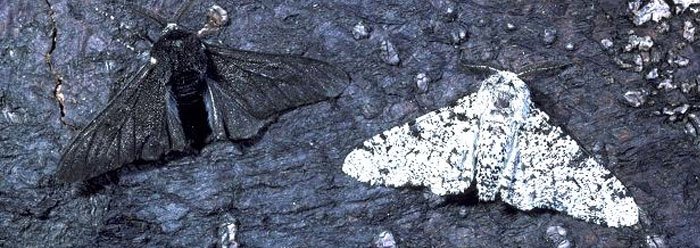
What is the best definition of animal adaptation?
Changes to an animal's diet.
Characteristics that help animals survive.
Characteristics of an animal's habitat.
Skills learned in order to hunt.
True or false: All animals have adaptations that help them survive in their habitat.
True
False
Partially true: Not all animals have adaptations
Partially true: adaptations are not for surviving


Desert plants have a coat of wax on their leaves to
keep water from escaping
protect them from animals eating them
absorb water from the air
release scent to attract animals

Which feature of a rose helps it grow without being eaten by animals?
flowers with bright colors
sharp thorns
small seeds
deep roots

What is one possible reason for seeds to have hooks or barbs?
to stay warm during the winter
to protect themselves from sunlight
to get attached to passing animals and get carried away
to stick to animals and steal nutrients from them
A plant is adapted to a forest with little sunlight. Identify the BEST adaptation this plant might have to ensure its survival.
extremely long root system
thick, waxy, spike covered leaves
ability to attach to and grow upwards on taller trees
shallow root system near the surface

Why might some plants that grow on the shady rain forest floor have large leaves?
to stay safe from predators
to attract different animals
to survive harsh winters with heavy snowfall
to take in as much sunlight as possible

Water plants have ___________ stems that allow them to bend with the flow.
strong
flexible
unbendable
long

Many plants have bright, sweet smelling flowers. How would this adaptation help the plant?
It warns away predators
It attracts bees and other pollinators
It helps the plant store water
It gives the plant shade.

An organism that can make its own food
autobot
heterotroph
autotroph
heterobot

Small openings on the underside of a leaf through which oxygen and carbon dioxide can move. Where gas exchange occurs in a plant.
nodules
stomata
chloroplasts
chlorophyll

Location inside of a plant cell where the process of photosynthesis occurs.
nodules
stomata
chloroplasts
chlorophyll

Pigment which 'fills' chloroplast. This pigment absorbs sunlight.
nodules
stomata
chlorine
chlorophyll
Where do plants get the energy for photosynthesis to take place?
nutrients in the soil
the sun
chlorophyll
bee pollination
What part of the plant soaks up water for photosynthesis?
roots
petals
leaf
stem
The process of photosynthesis takes place in the:
Leaves of the Plant.
Stem of the plant.
Roots of the plant.
All of the above.

The openings that are found in the leaves of plants are called:
Stomata
Chlorophyll
Xylem
Chloroplast

