
 Worksheets
Photosynthesis and Respiration
Total questions: 56
Worksheet time: 30mins

What is the function of the pictured organelle?
Breaks down glucose to release energy
Stores water, salts, waste products, and/or pigments
Allows materials into the cell
Captures the energy in sunlight and uses it to produce sugars
Which of the following is a reactant of photosynthesis?
oxygen
water
energy (ATP)
glucose

Which of the following is NOT TRUE regarding stomata?
Stomata are mainly found on the upper leaf surface
Oxygen leaves the leaf through the stomata
Carbon dioxide enters the leaf through the stomata
A stoma has a guard cell on either side

The gaps visible on the lower surface of this leaf (leaf cross section) are what structures?
chloroplasts
leaf epidermis
veins within the leaf
stomata

Which of the following is a product of photosynthesis?
cellulose
water
carbon dioxide
glucose

Where does the first stage of respiration occur in the cell?
mitochondria
cytoplasm
nucleus
chloroplast
Which statement best describes respiration?
proteins are made by the ribosomes
carbon dioxide and water are used to build sugars
sugars are broken down to release energy
materials are moved into the cell across the cell membrane

Which gas is necessary for respiration to occur?
oxygen (O2)
nitrogen (N2)
water vapor (H2O)
carbon dioxide (CO2)
Which of the following is a reactant of respiration?
carbon dioxide
energy (ATP)
glucose
water
Which of the following is a product of photosynthesis and a reactant of respiration?
chlorophyll
oxygen (O2)
energy (ATP)
carbon dioxide (CO2)

Muscle cells need lots of energy to function. Muscle cells, therefore, have many of which organelle?
nuclei
chloroplasts
Golgi bodies
mitochondria

Both plants and animals do which of the following?
seed germination
respiration
photosynthesis
transpiration

You breathe in oxygen (O2) for ___________________ .
photosynthesis
active transport
fermentation
respiration
What are cell parts in plants that use the energy of sunlight to produce sugar?
chloroplasts
mitochondria
nuclei
ribosomes

What is the name of the simple sugar that is produced in photosynthesis?
sucrose
dextrose
glucose
lactose

In which part of a plant would you expect to find the most chloroplasts?
The roots
The leaves
The stems
The flowers
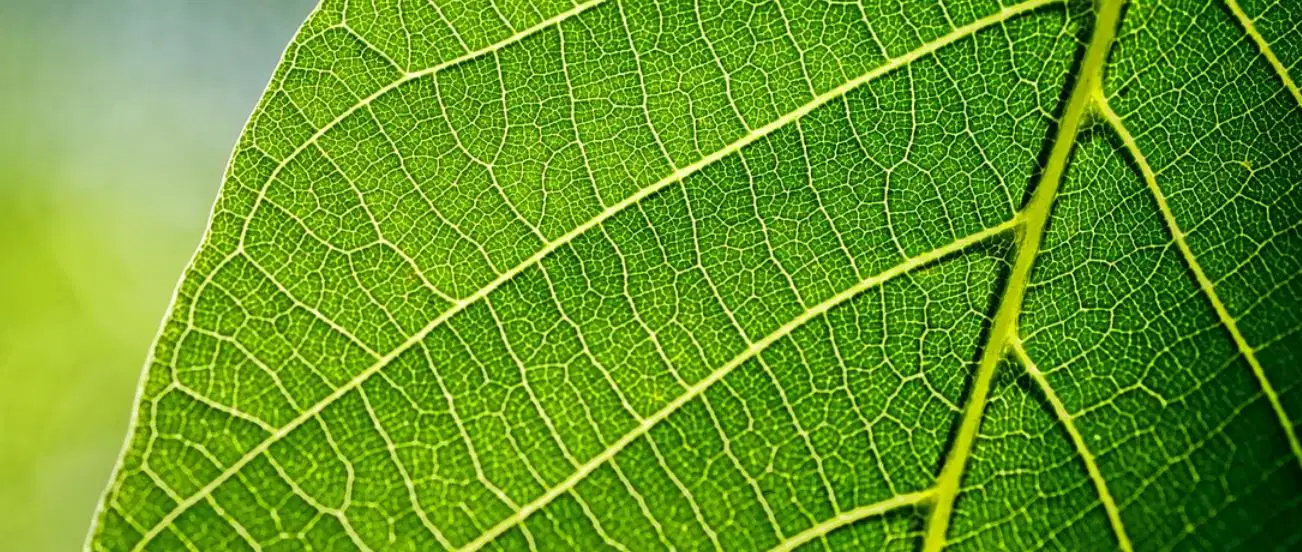
The veins of the leaf are essential for photosynthesis, because ________________ .
they bring CO2 to the leaf
the bring water into the leaf
they produce glucose
they carry O2 away from the leaf

Which of the following are correctly paired? (multiple answers possible)
chlorophyll - product
glucose - reactant
oxygen - product
water - reactant
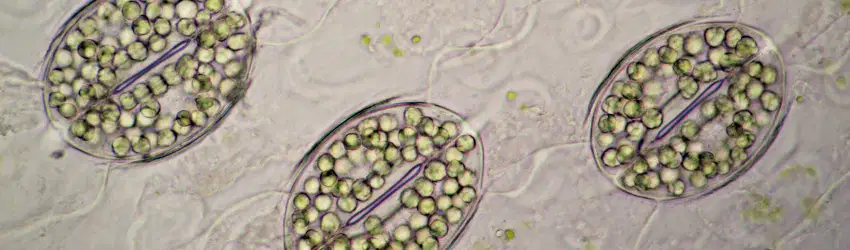
The paired __________ surround a _________ .
chloroplasts - plant cell
stomata - chloroplast
guard cells - stoma
vacuoles - stoma

Which of the following statements are TRUE concerning stomata? (multiple answers possible)
The stoma allows oxygen into the leaf for photosynthesis
Guards cells contain many chloroplasts
A stoma can be opened and closed
Glucose is produced by the stomata
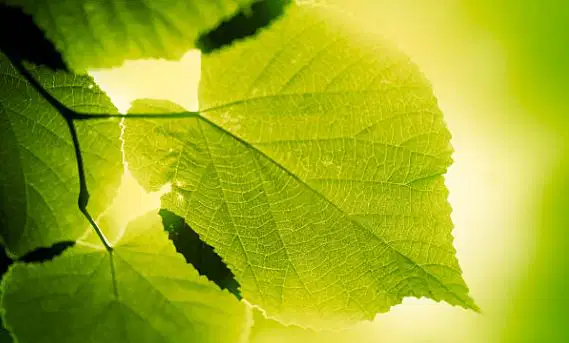
Which part of the plant absorbs sunlight for photosynthesis?
roots
flowers
leaves
stems
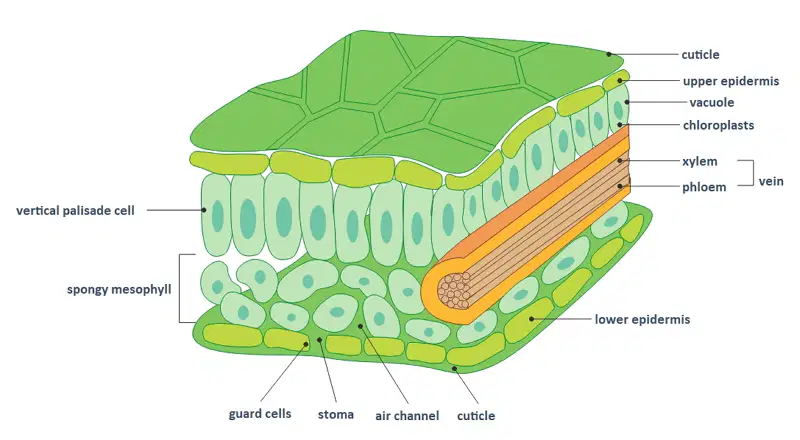
Which organelle in leaf cells contain chlorophyll?
cytoplasm
leucoplast
chloroplast
neucleoplasm
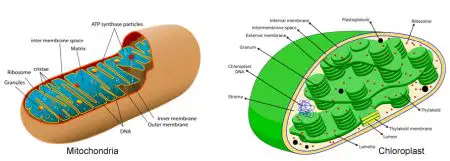
How are chloroplasts and mitochondria related in plant cells?
chloroplasts make glucose; mitochondria break it down for energy
they perform the same function
both produce sunlight
mitochondria make water; chloroplasts store it
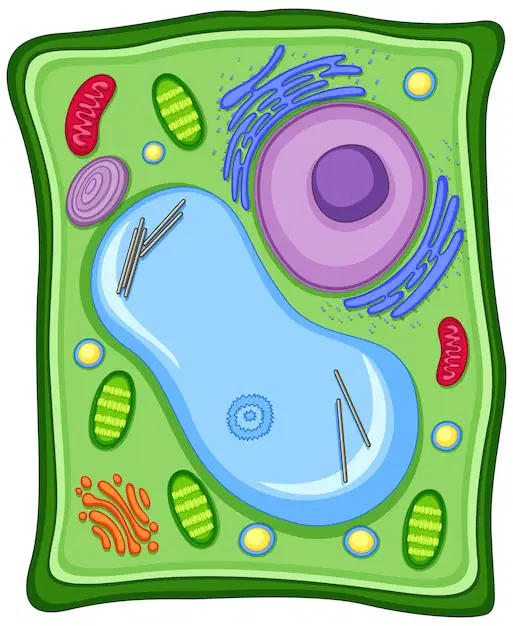
Which plant cell structure helps maintain shape and supports the leaf for better sun exposure?
cell membrane
chloroplast
cell wall
nuclear membrane
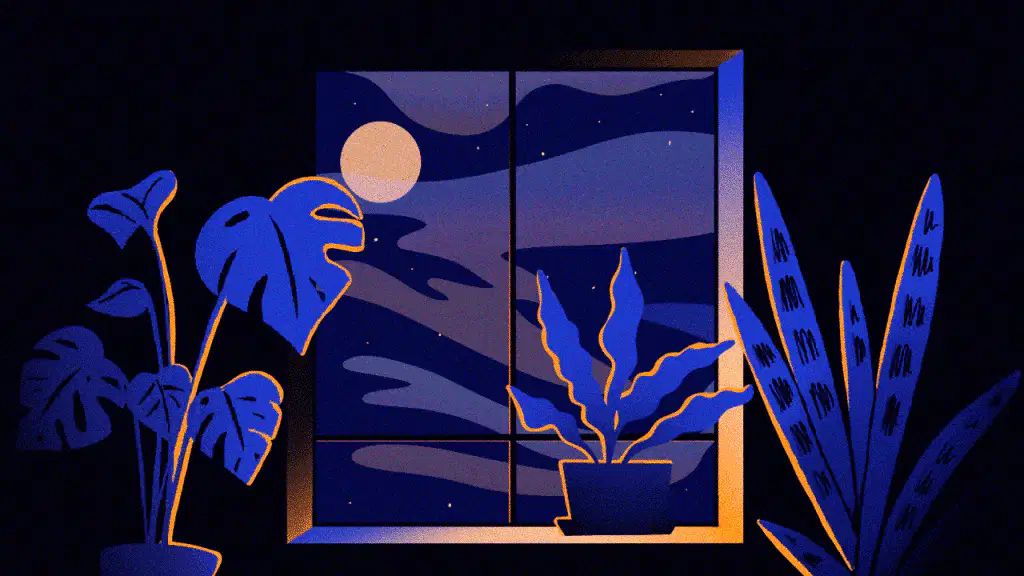
If a plant is kept in the dark for a week, what will happen to the rate of photosynthesis?
it will increase
it will stay the same
it will slow down
it will stop completely
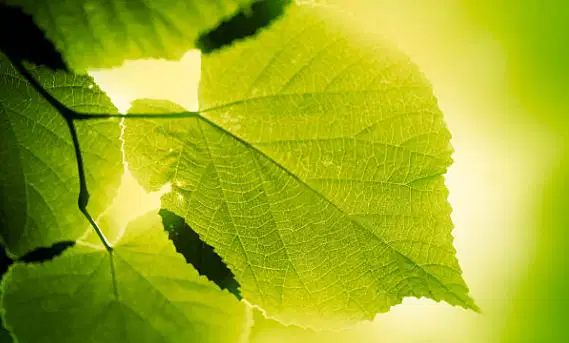
Why are most plants green?
they absorb green light
chlorophyll reflects green light
they lack pigments
the cell walls are green
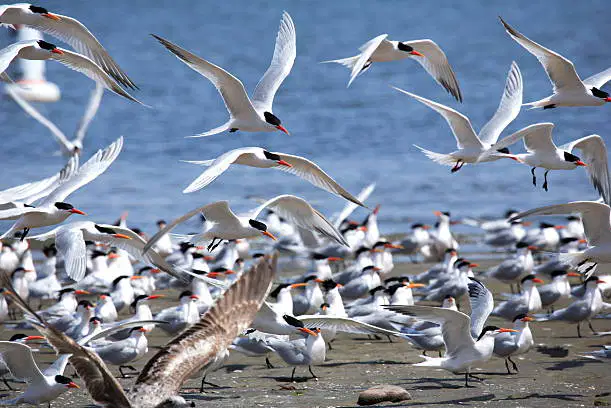
Arctic terns have very high energy demands. Which organelles in the cells of terns produce this energy?
nucleus
mitochondria
Golgi bodies
chloroplasts

Which organelle is pictured?
mitochondrion
nucleus
vacuole
endoplasmic reticulum

Which of these organisms has mitochondria in its cells? (multiple answers possible)
opossum
tarantula
poison ivy
human

Which of these organisms performs respiration? (multiple answers possible)
Eastern chipmunk
blue jay
silver maple tree
mushrooms

Which of the following are autotrophs? (multiple answers possible)
zebras
mushrooms
grasses
acacia trees

Heterotrophs must get their energy by ______________ .
making their own food
using the sun directly
eating other organisms
doing photosynthesis

Which statement is true about autotrophs?
They rely on other organisms for food
They cannot survive without eating meat
They live only in the ocean
They produce their own food
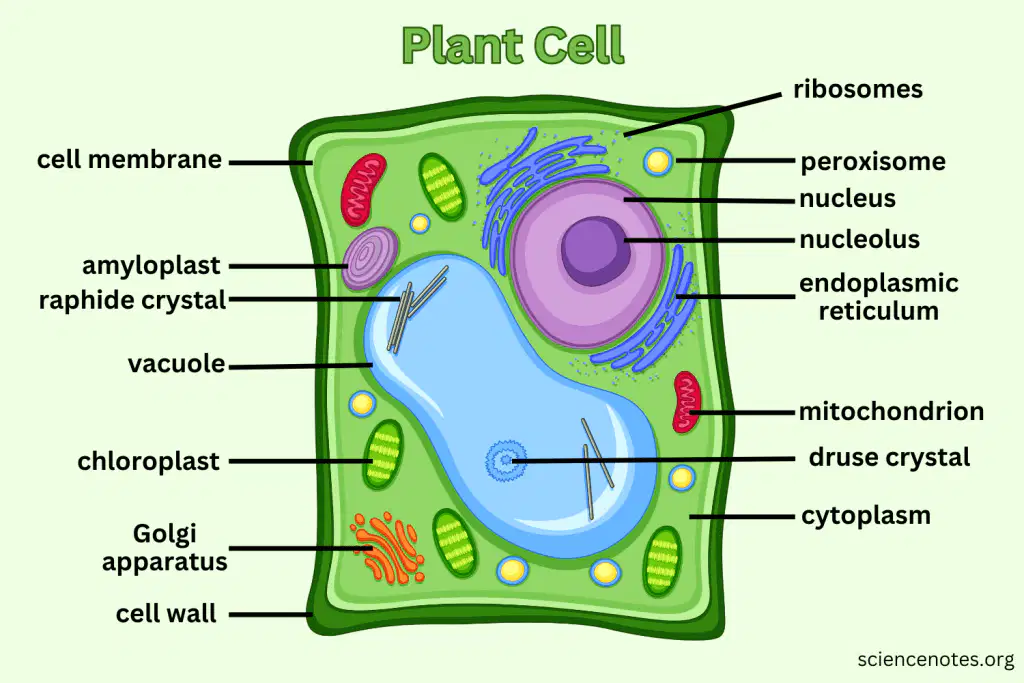
Where in the plant cell does photosynthesis take place?
nucleus
mitochondrion
chloroplast
cell membrane
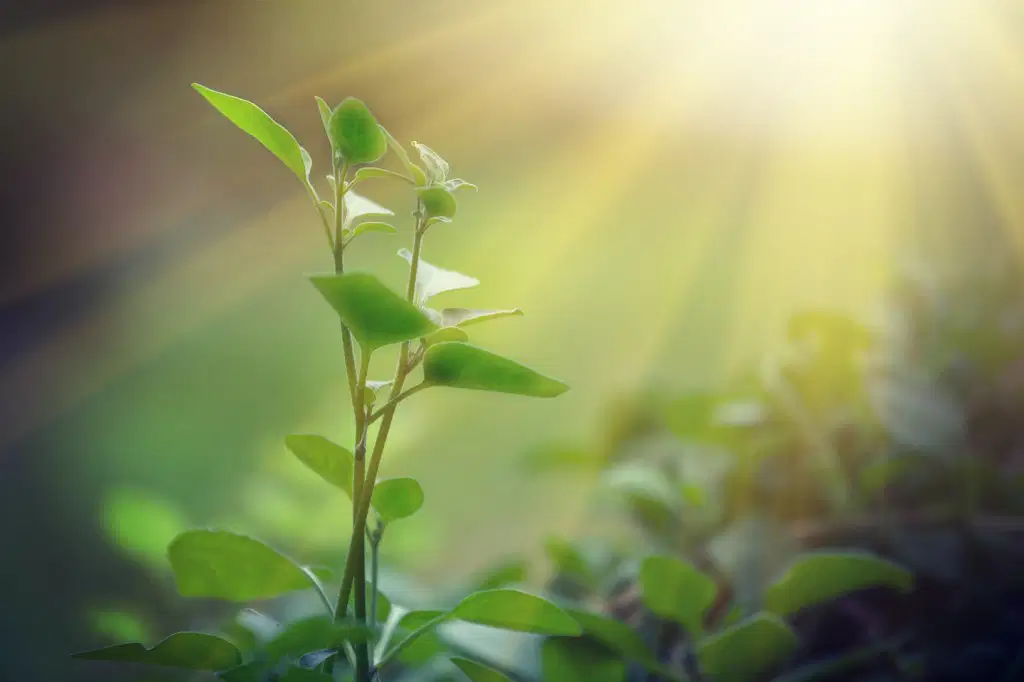
Which of the following is a product of photosynthesis?
oxygen
water
carbon dioxide
sunlight

Which of the following best explains why the protist Euglena is able to perform photosynthesis?
it is unicellular
it lacks a cell wall
it has many chloroplasts
it is found in freshwater environments
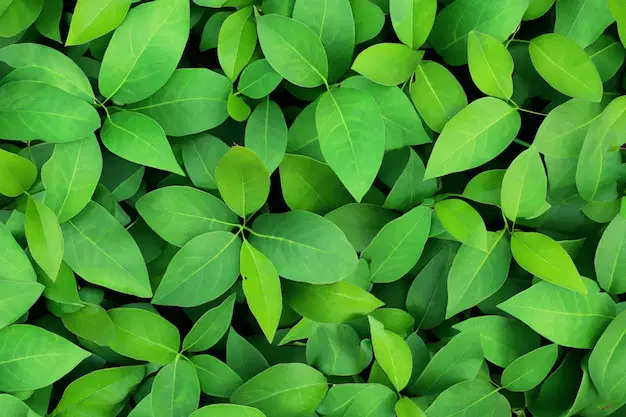
Why do leaves appear green?
They absorb green light
They reflect green light
They have green nuclei
They contain water
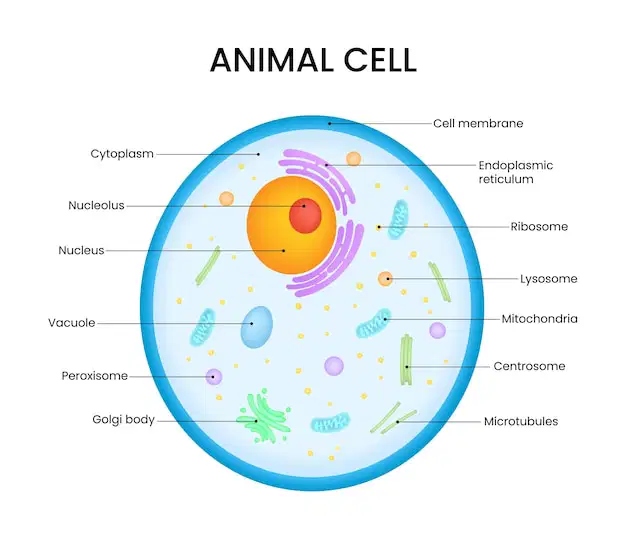
Which organelle is the site of respiration?
chloroplast
cell membrane
Golgi bodies
mitochondrion
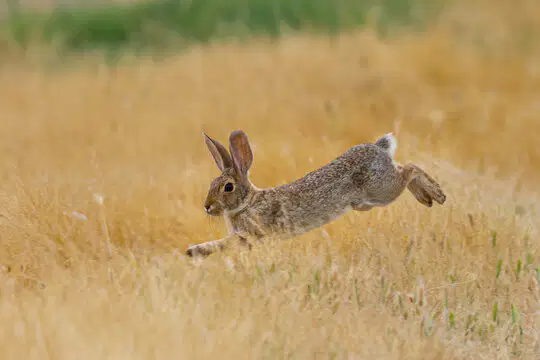
What is the main purpose of cellular respiration?
to produce oxygen
to absorb sunlight
to produce energy (ATP)
to make sugars
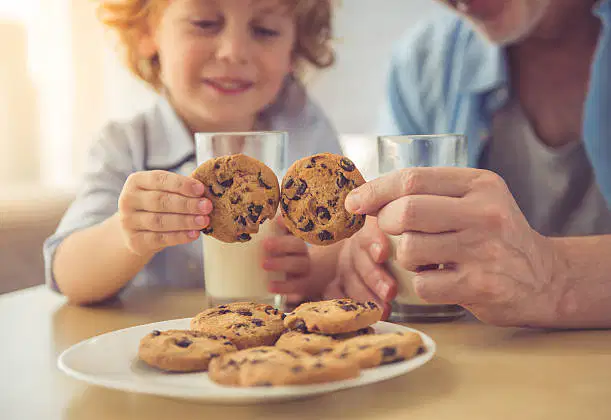
The process that cells use to get energy from food, like the sugar glucose, is _____________ .
transpiration
respiration
photsynthesis
active transport
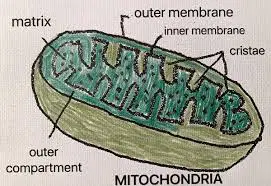
Because of its important role in cellular respiration, the mitochondrion is often called the _____________ of the cell.
command center
powerhouse
recycling center
solar panel
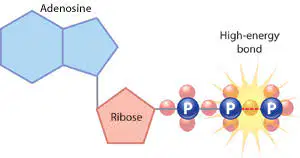
The high energy molecule produced during respiration is __________ .
glucose
ATP
chlorophyll
carbon dioxide
During respiration, the breakdown of one glucose molecule can produce ______ molecules of ATP.
2
14
38
64
Which molecule is the main energy molecule of cells?
ATP
sucrose
DNA
chlorophyll
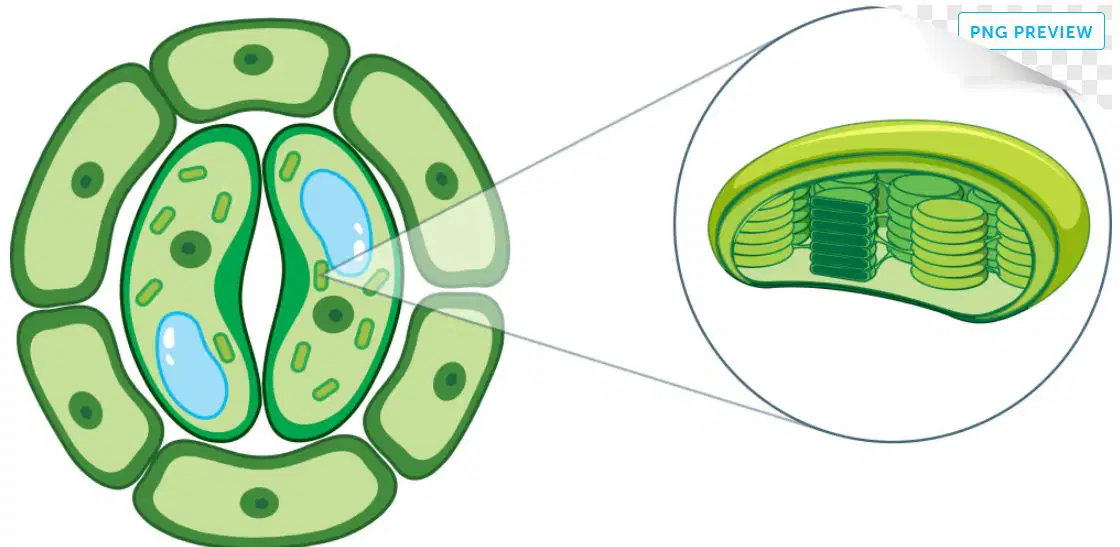
The diagram shows a close-up of a ___________ found in the cytoplasm of a(n) ___________ .
chloroplast - guard cell
stoma - plant cell
guard cell - stoma
mitochondrion - animal cell
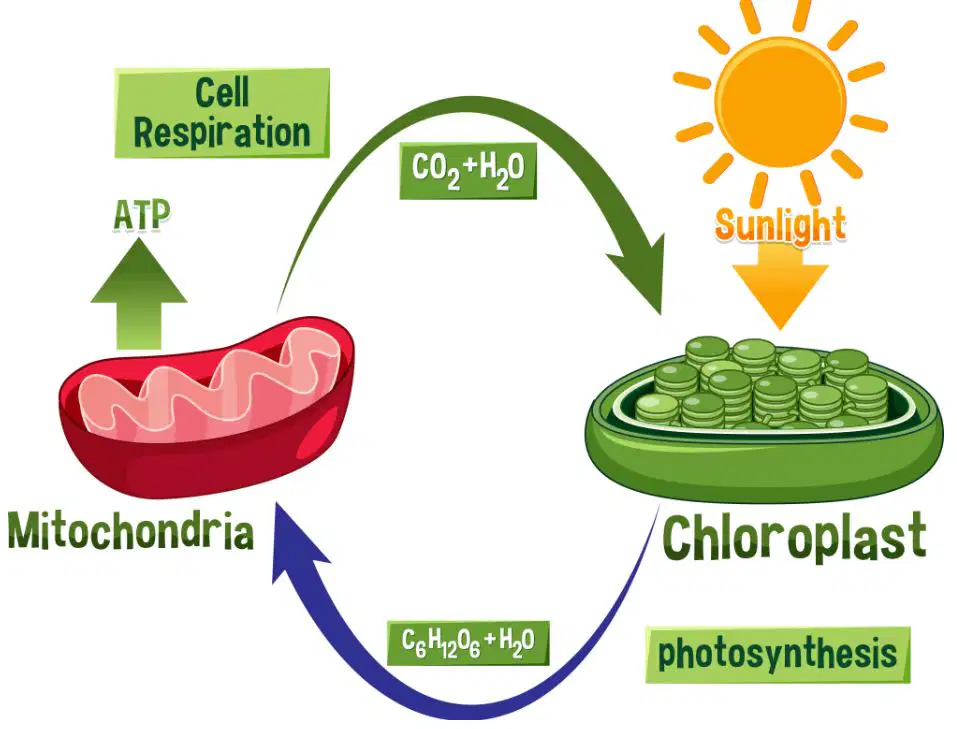
_____________ is a reactant of photosynthesis and a product of respiration.
chlorophyll
ATP (energy)
Water (H2O)
Glucose (C6H12O6)

Which of the following is true of heterotrophs?
heterotrophs get energy by performing photosynthesis
heterotrophs are all prokaryotes
heterotrophs live on land only
heterotrophs consume other organisms for energy
What molecule serves as the immediate energy molecule that cells use to do cellular work?
DNA
glucose
ATP
H2O
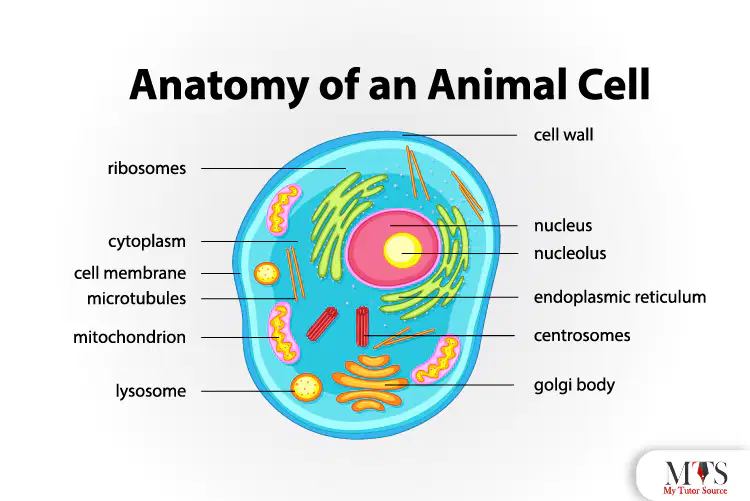
During the first part of respiration, glucose is broken into two smaller molecules (i.e. pyruvate). Where does this occur in the cell?
mitochondria
chloroplast
Golgi bodies
cytoplasm
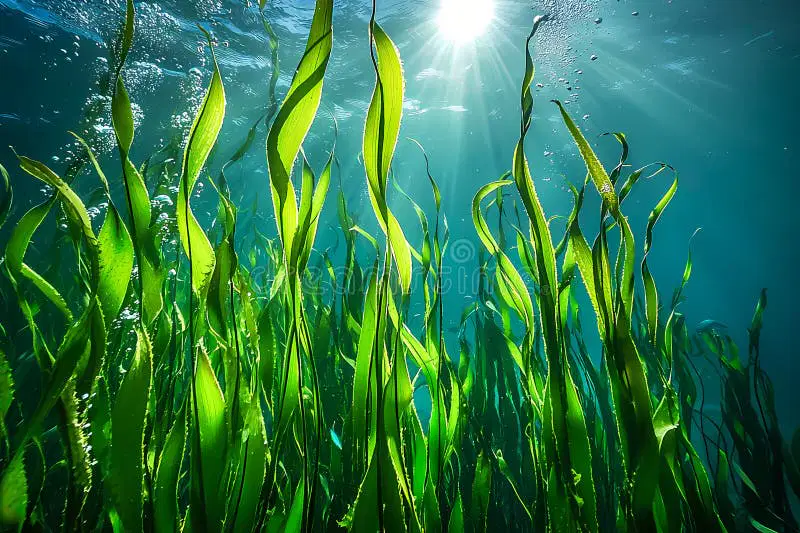
Seaweeds are __________ that get their energy through __________ .
plants - respiration
heterotrophs - photosynthesis
autotrophs - photosynthesis
eukaryotes - consuming other organisms
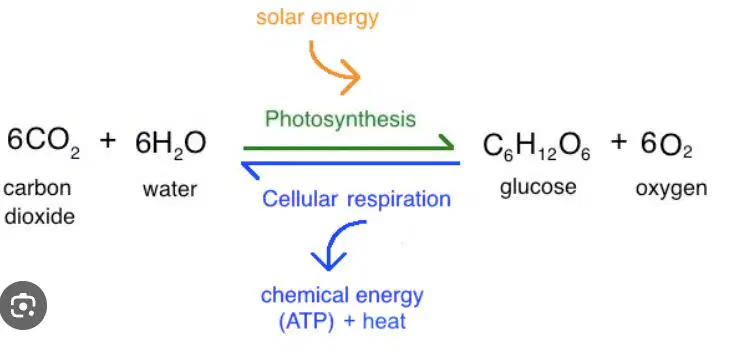
Carbon dioxide is a __________ for photosynthesis, but a(n) __________ of respiration .
reactant - product
product - reactant
pigment - energy molecule
storage molecule - reactant
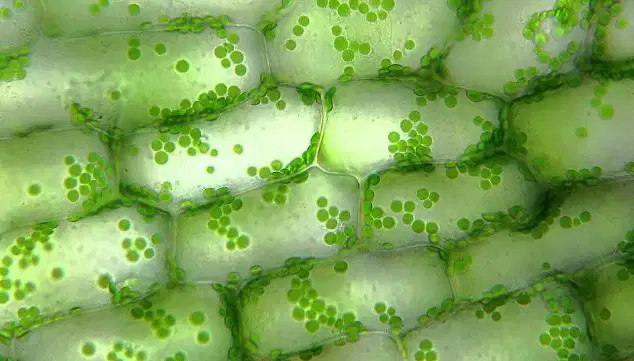
The green, circular organelles in these plant cells are ____________ .
chloroplasts
mitochondria
ribosomes
nuclei
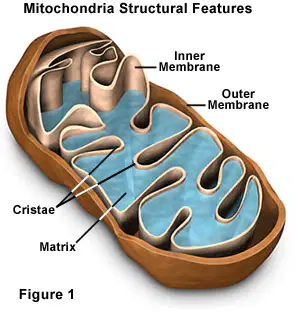
Mitochondria are found in which of the following cells? (multiple answers possible)
plant cells
animal cells
yeast cells
bacteria cells
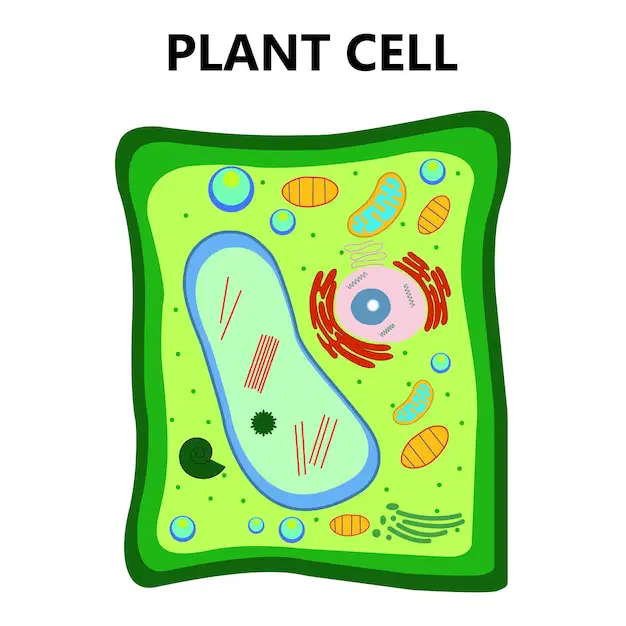
Due to its major role in producing ATP, the ___________ is known as the ____________ of the cell.
nucleus - command center
vacuole - storehouse
cell membrane - crossing guard
mitochondrion - powerhouse
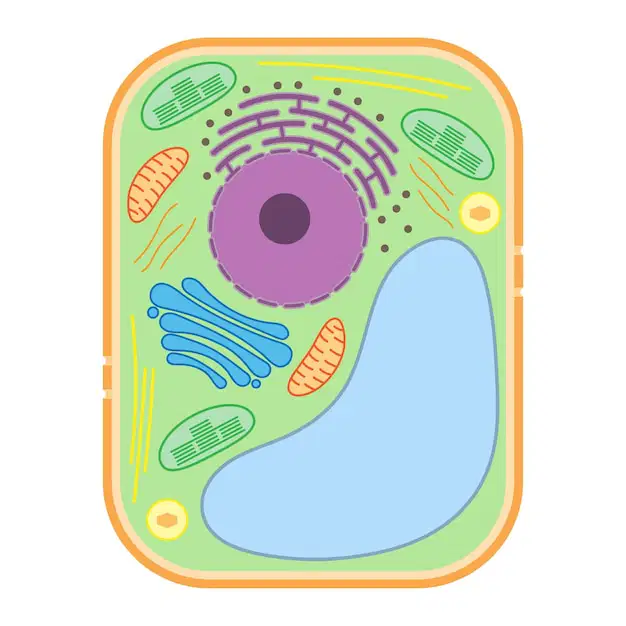
What is the name for the gel-like substance found inside the cell membrane of cells?
chloroplast
chromatin
cytoplasm
centrioles
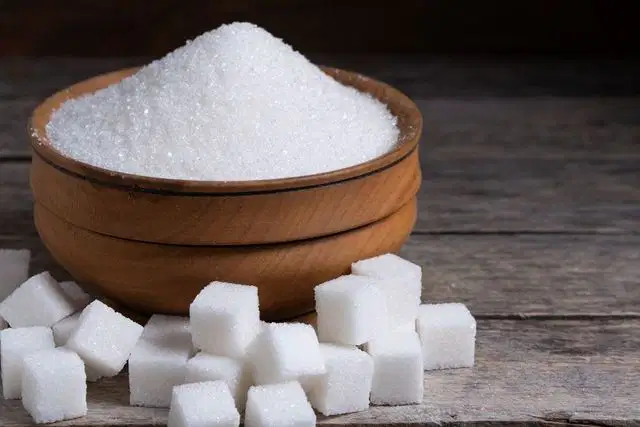
___________ is a simple sugar that is broken down during respiration. It is the main type of sugar found in the blood.
Cholesterol
Glucose
ATP
Cellulose

