
 Worksheets
:Unit 3: Economies, Industry & Labor Review
Total questions: 76
Worksheet time: 55mins

Who worked the land and was often treated unfairly under the feudal system?
knight
king
serf
lord
After the fall of the Roman Empire, Western Europe
faced a decline in unity, trade and education.
was conquered by the Byzantine Empire.
became the leader in literature and technology.
became the leader in literature and technology.
Which of the following would a peasant NOT be expected to do on a manor?
Repair bridges and roads on the manor.
Farm land to provide food for the lord of the manor.
Attend school to learn to read and write
Pay fees or taxes to the lord.
Feudalism developed as a way for medieval societies to
Rebuild cities
Build an empire
Protect themselves
Increase trade
How did feudalism and the manor economy emerge and shape medieval life?
The manor was center of the feudal economy, it provided fiefs for the King and granted protection for peasants
Peasants provided protection in exchange for fiefs, peasants’ rights were tied to mutual obligations to the lord.
The manor was the center of the feudal economy, it was self-sufficient—producing everything the people needed.
Fiefs were granted to the lords and the vassal claimed the manor to their home.
These people who could not lawfully leave the place where they were born. Though bound to the land, they were not slaves. Their lords could not sell or buy them.
Knights
Serfs
Kings
Fiefs

The medieval code of polite and honorable behavior that knights were expected to follow.
vassal
monarch
chivalry

The relationship between a lord and vassal was set up by a
feif
feudal contract
mafia boss
factories
The four factors of production that were vital to the Industrial Revolution and the start of any business include each of the following EXCEPT
land
labor
capital
entrepreneurs
investors
The term laissez-faire roughly translates to mean
leave alone
resist
freedom
control
The ability to have necessities of life, such as food, clothing, and shelter and wants like vacations, concerts, and other amusements is referred to as
middle class
upper class
standard of living
purchasing power
The process of an area growing larger, with an increase in population, production of goods and services, and availability of a variety of options to fulfill one's wants and needs is called
industrialization
urbanization
materialism
commercialism
During the Industrial Revolution, a new social and economic class that developed was the
serfs
rich, or the upper class
expanded lower class
middle class
Which of the following best defines the term capital when referencing the Industrial Revolution?
a city where industrial production increased, became an important city for a nation's economy
money, equipment, and/or resources that were used in the production of goods
a type of investment that helped a factory or business get started
none of these best define capital
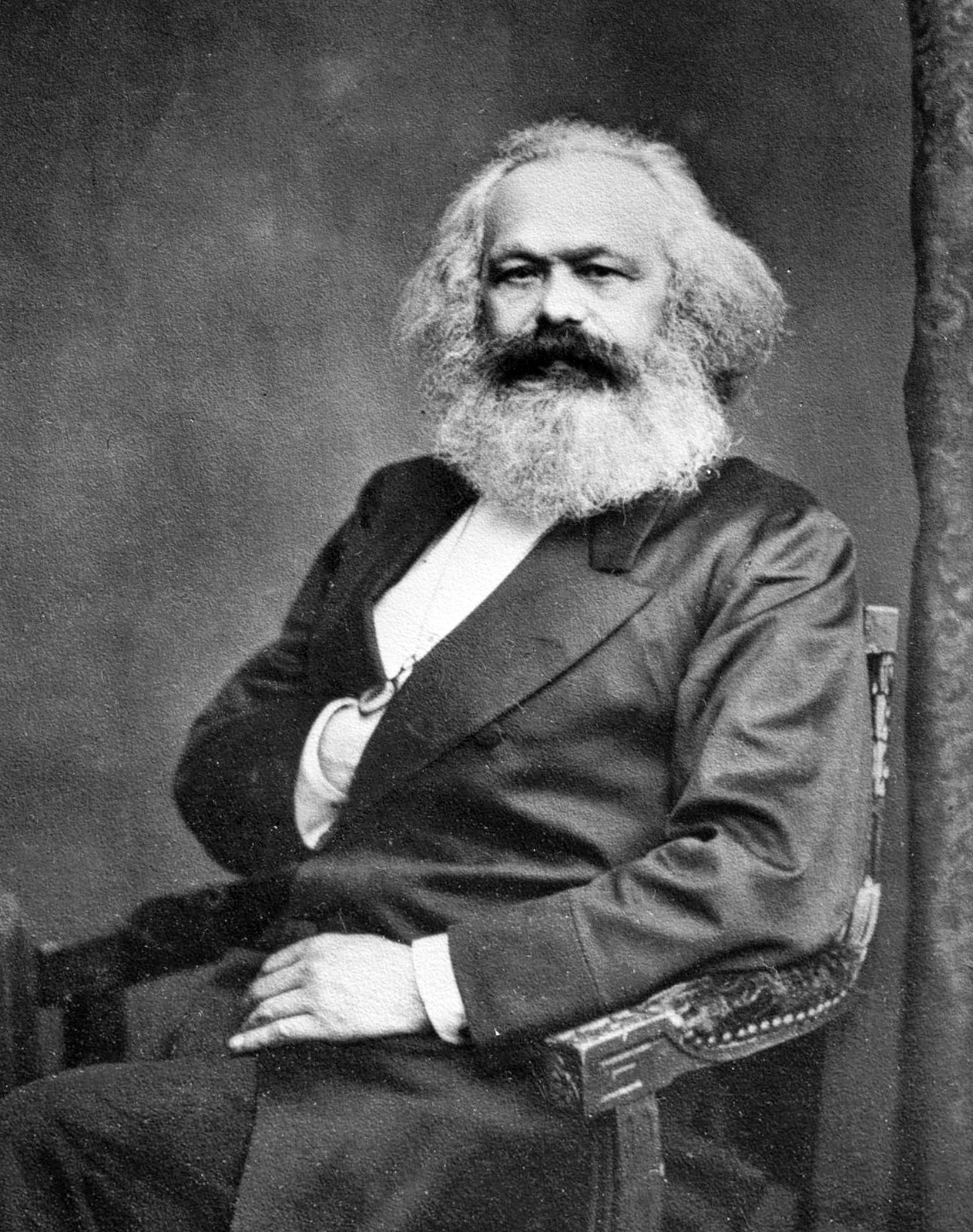
Karl Marx spelled out how he believed that workers should rise up against factory owners, outlining the basic principles of
capitalism
socialism
communism
command economies
Why was England the site of the beginnings of the Industrial Revolution?
England was the most powerful nation in the world
It wasn't; history has unfairly given England credit for the Industrial Revolution
England had an abundance of natural resources such as coal, iron ore, and waterways where water wheels and steam engines could be built
England was centrally located to many areas like France, Germany, Spain, and Ireland, giving them an advantage to bring in resources and talent from many places
tractors
True or False: Children who worked were kept safe and away from dangerous machinery.
True
False
How young did some children begin to work during the Industrial Revolution?
Four years old
Nine years old
Tweleve years old
Sixteen years old
Government regulations during the Industrial Revolution protected children in what ways?
Putting an age limit on when they could work
Limiting the types of jobs they could do
Limiting hours
There were no regulations
What law was passed in 1938 to help protect workers and prevent child labor?
There were no laws passed to protect workers
Disability Act
Fair Labor Standards Act
Social Security Act
Did children make a lot of money for their work?
Yes, they were paid like adults
No, they were paid little
Which of the following was a typical job worked by children?
Breaking up coal
Selling newspapers
Chimney sweeps
Working on Machines
All Listed Jobs
True or False: Child labor was fairly common during the Industrial Revolution.
True
False
What was the main reason that businesses liked to hire children?
They were strong
They were educated
They worked for low wages
They worked fast
What happened to many girls who worked in matchstick factories?
They lost their hair
They lost their teeth
They got lung cancer
They became blind
True or False: Over 50% of workers in some British factories were under the age of 14 in the early 1800s.
True
False
Human trafficking is the fastest growing global crime - true or false?
True
False
Which of these is NOT a potential sign that someone is working in slave conditions?
They are overly chatty
They avoid eye contact when they serve you
The prices charged for the service seem too good to be true
The manager takes payment rather than them
What does exploited mean in this statement? “People tend to think of slavery as a historical problem. . . . But millions of people are still being exploited.”
rewarded
used unfairly
taught
helped

Which of the following is a reality in the cocoa farming industry?
large number of child slaves
dangerous working conditions
large number of child laborers
ALL of the following

What region of the world provides the majority of the world with cocoa?
South Africa
West Europe
Russia
West Africa

What factors contribute to the prevalence of child labor in West Africa?
Economic hardship and poverty
Lack of access to education
ALL of the following
Weak enforcement of labor laws

What is the Harkin-Engel Protocol?
a involuntary 'law' forcing the US to pay extra for cocoa from West Africa
a voluntary 'law' intended to end the worst forms of child labor, and child slavery (along with forced labor and slavery in general)
NONE of the following
a law that states chocolate companies such as Hershey's, can buy whatever cocoa they want

What does the 'logo' shown mean?
unfair trade
international symbol for cocoa
Nestle Chocolate logo
fair trade
What are some of the things everyday people can do to help with child labor/slavery?
educate themselves
stop buying, or lessen the amount you buy, certain products
ALL of the following
educate others

