
 Worksheets
Global 9 Unit 1
Total questions: 41
Worksheet time: 34mins
This earliest form of writing was developed in Mesopotamia.
Hieroglypics
Cuneiform
Latin
English
Mesopotamia lies between these two rivers?
Nile and Tigris
Nile and Indus
Tigris and Euphrates
Indus and Nile
What is an amount that is more than is needed?
bartering
surplus
dearth
placid
Babylonian King who wrote 282 laws
Sargon
Hammurabi
Ziggurat
Cuneiform
Nebuchadnezzar
A wanderer, someone who travels place to place without a permanent residence.
ziggurat
nomad
demigod
Mr. Margo

Polytheistic is defined as . . .
multiple marriages
The belief in no god.
the belief in many gods.
the belief in one god.
What were the names of the two famous Indus Valley cities?
Tigris and Euphrates
Harappa and Mohenjo Daro
Ganges and Everest
Cairo and Alexandria
The mountains to the north of India are called..
The Rocky Mountains
The Andes Mountains
The Himalayas
Caucasus Mountains
What two rivers are associated with the India?
One of the world's oldest and largest religions that was founded in India...
Christianity
Hinduism
Islam
Judaism
The belief that that your soul is reborn again and again after death is called...
karma
being a Jets fan
reincarnation
brahman
The accumulation of all of your good and bad deeds is called...
reincarnation
karma
shiva
veda

The bottom category of the Caste System in known as...
the warriors
the priests
the academics
the untouchables
Why is there limited information available regarding the Indus Civilization?
They were a small civilization with no written no record keeping.
Their civilization was flooded and never to be found.
Invaders destroyed all evidence of their writing.
Their written language has never been deciphered.
Anthony Volpe
Which of the following is one of the 4 noble truths?
study leads to wisdom
joy is achieved by prayer
only death can end cravings
suffering is caused by desires
According to Buddhism ____ is the source of suffering.
institutional education
selfish desire
social media
lack of resources
Which of the following best describes how Buddhism diffused from the Ganges River Valley in India?
Buddhism spread from India to East Africa.
Buddhism spread from India to China and Southeast Asia.
Buddhism overtook Hinduism to become the major religion of India.
Buddhism never became a major religion.
Who was the founder of Judaism?
Abraham
Muhammad
Jesus
Anthony Kielbasa
The most important holy book of Judaism is ....
Torah
Qur'an
The King James Bible
Bhagavad-Gita
How many gods do Jewish people believe in?
3
1
5
9
What is the Covenant?
A type of law
A type of tent
A contract agreement between God and Abraham
A building in Israel
Why is the river Ganges significant to the Indian people?
It is a major tourist attraction.
It is a major transport route through the country
It is a spiritual place where sins are cleansed.
It has no significance at all.
to communicate with the gods
The Mighty Mekong
Lavesa-Cesana River


How were civilizations able to sustain a growing population?
Fortified military bases
Strong rulers
Growing a surplus of food
Trading with other civilizations
What mountains create a natural border in northern India?
Caucasus and Alps
Tora Bora and Zagros
Rockies and Adirondacks
How is the caste system in India characterized?
a system in which all are equal
lack of social mobility
easy ability to move up
social classes are chosen by Gargamel
Why did Buddhism become hugely popular in India early on?
it did not
they worshipped one God instead of many
it believed in no social classes
you were rewarded with V-Bucks for joining
The Hindus believe achieving ______ is the goal; or one with "Brahman"
moksha
nirvana
Heaven
99 woodcutting in Runescape
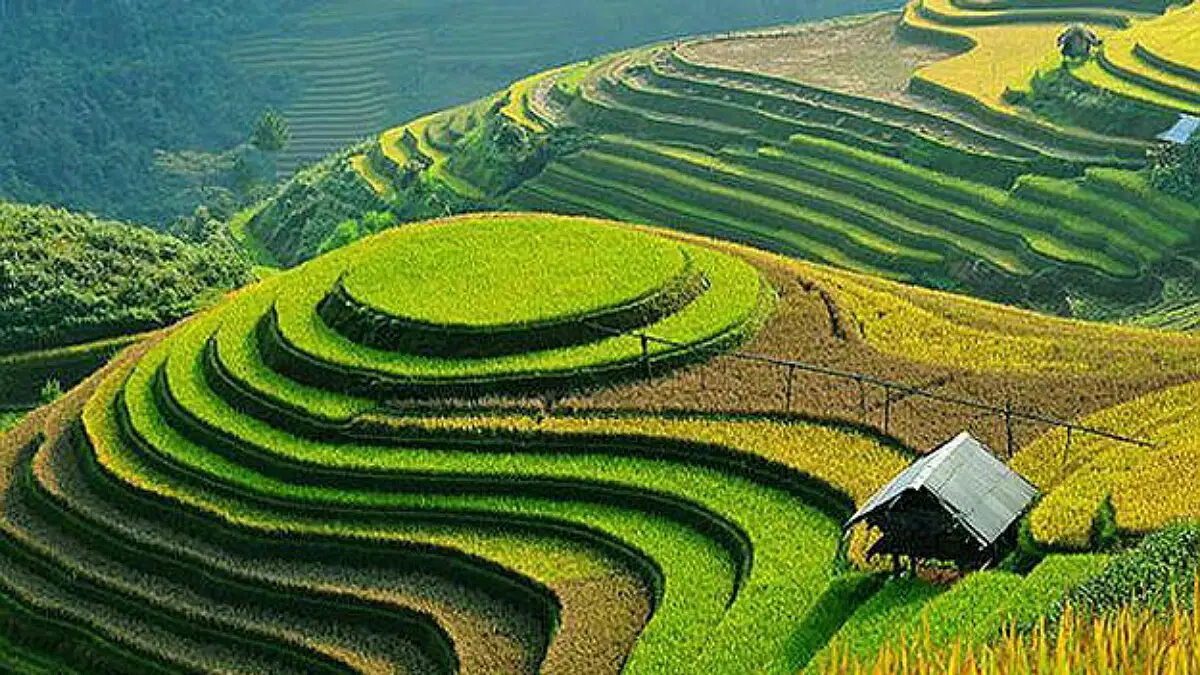
What is this called?
slash and burn farming
Three-Field Crop Rotation
Subsistence Farming
Terrace Farming
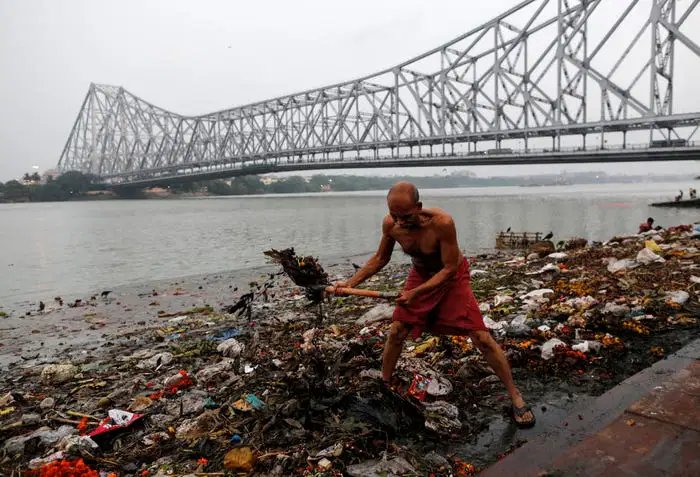
Holy yet the most polluted river in India...
Indus River
Brahmaputra River
Ganges River
Snake River
The cities of the discovered Indus River Valley all had evidence of....
large ziggurats
brutal and savage attacks from outsiders
massive monoliths
urban planning

