
NEW
Font size
 Worksheets
U3 Ecological Relationships
Total questions: 20
Worksheet time: 15mins
Type of relationship: A wolf eating a rabbit.
Predator/prey
Parasite/host
Producer/consumer
Competitors
In a predator-prey relationship, when the population of the predator increases, the population of the prey will ____________.
Increase
Remain Stable
Decrease
Change unpredictably
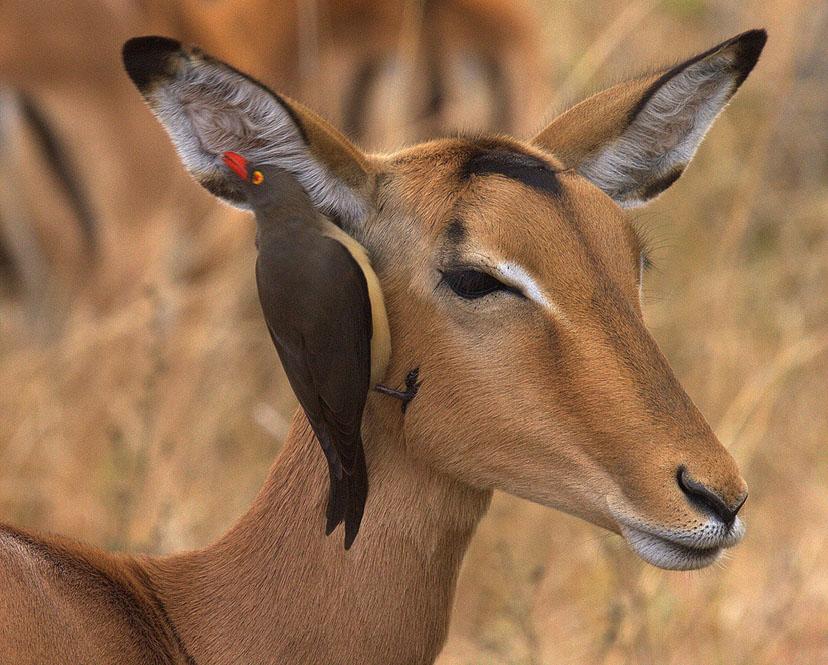
A honeybee and flower relationship in which the flower provides nectar for the honey and the honey can help pollinate other flowers is an example of ________________.
Mutualism
Parasitism
Commensalism
Competition

A relationship that describe a close interaction between two different species is known as what? (This is the broad "umbrella" term.)
Biodiversity
Symbiosis
Predation
Emigration


Wasps often lay their eggs just inside the eggs of butterflies. The wasp larva (baby wasps) are able to get lots of nutrients and protection from the butterfly/caterpillar egg while its developing. After the caterpillar is born, the wasps continue lurking in the flesh of the caterpillar, soaking up more nutrients and drinking its blood. The wasp larva must keep its host alive, so it avoids damaging the vital organs.
What type of symbiosis is being described?
predator/prey
competition
commensalism
parasitism



A feeding relationship where one organism hunts and one is hunted, such as a Lynx hunting a snowshoe hare, is known as:
Commensalism
Decomposistion
Mutualism
Predator-Prey
The maximum population size of a species that the environment can sustain:
Prey
Decomposer
Carrying Capacity
Commensalist

An organism that helps to recycle nutrients within an ecosystem by eating dead or decaying organisms, such as a mushroom, is a:
Predator
Autotroph
Producer
Decomposer

The graph to the right shows the interaction of the wolf and moose populations on Isle Pekie. If the moose population continues to increase, the wolves' food supply will increase. What will most likely happen to the wolf population as a result?
It will decrease.
It will increase.
It will remain the same.

According to the graph, what is causing the deer population to decrease
They got sick
The wolf population is decreasing
The wolf population increased
They ran out of food

Predator population lags behind prey population because......
Increase in predators leads to decrease in prey
Increase in predators leads to increase in prey
Increase in predators leads to decrease in producers
Increase in producers leads to increase in prey

