
NEW
Font size
 Worksheets
Topic 3 - Rocks
Total questions: 56
Worksheet time: 37mins
the central part of the earth below the mantle
uplift
rift zone
core
crust

This rock was another type of rock that was heated and compressed over time. What type of rock is this?
Sedimentary
Igneous
Metamorphic

This rock started as molten magma but transformed after a volcano erupted. What type of rock is this?
Sedimentary
Igneous
Metamorphic

This rock was formed by smaller pieces of rock that settled at the bottom of a lake millions of years ago. What type of rock is this?
Sedimentary
Igneous
Metamorphic

The process when rocks break into smaller pieces due to exposure to natural elements is called
erosion
weathering
sediments
What are the 3 major types of rocks?
Igneous, Metamorphic, Sedimentary
Metamorphic, Igneous, Cementation
magma, lava, crystals
The process by which metamorphic rocks are formed...
heat and pressure
erosion and deposition
melting and cooling
What do we call the material that comes from rocks that have been broken down into smaller pieces. This usually results from weathering.
texture
weathering
sediment
erosion
What causes igneous rocks to form
compaction of sediment
animal and plant remains aka fossils
cementation or hardening of minerals
cooling magma, lava, and pressure
sediment
In which type of rock might you see a fossil?
Marble
Igneous rock
Metamorphic rock
Sedimentary rock
Gneiss is a rock that forms from high pressure and temperatures. What type of rock is this?
Igneous
Sedimentary
Metamorphic
The process necessary to form a metamorphic rock:
uplift, weathering, erosion
heat and or pressure
burial and cementation
compaction
A rock consists of two or more minerals.
True
False
There are ________ different types of rock that all basically come from the same materials.
two
three
four
many
When rocks are deeply buried, placing them under pressure because of the weight of overlying layers, this is called:
lithification
cementation
deposition
compaction

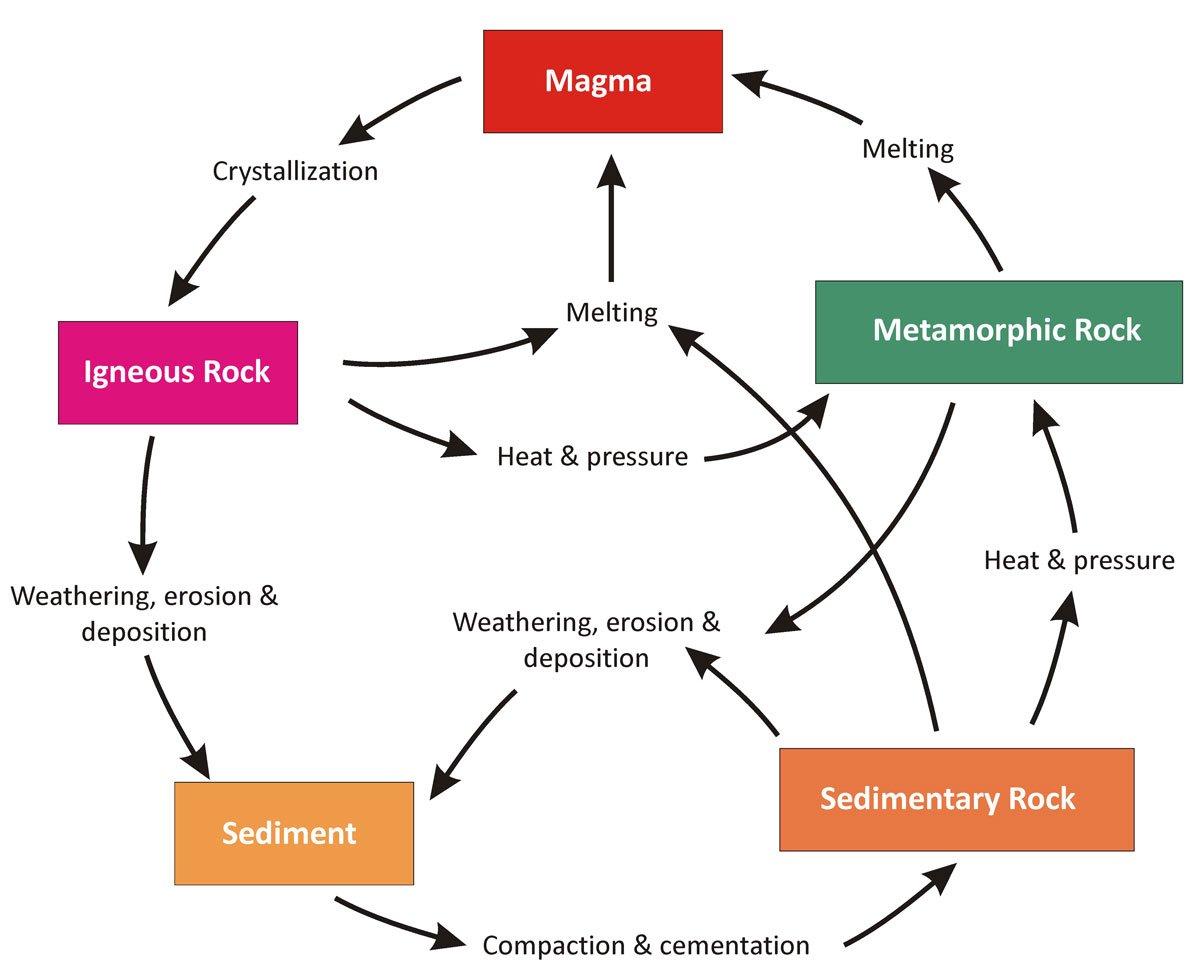
According to this diagram, igneous rock can form into sedimentary rock by ______ way(s).
one
two
three
no

According to the diagram, Igneous rock becomes Metamorphic by melting and cooling.
true
false
Which layer is the HOTTEST?
Crust
Mantle
Outer Core
Inner Core
Which layer is broken up into large sections called tectonic plates?
Crust
Mantle
Outer Core
Inner Core
Which is the widest layer of the Earth?
Crust
Mantle
Outer Core
Inner Core
Which type of CRUST is more dense?
Oceanic Crust
Continental Crust
Which layer of the earth is completely liquid?
Crust
Mantle
Outer Core
Inner Core
The asthenosphere sits directly below which layer?
Crust
Lithosphere
Mantle
Outer Core
Which STATE is the inner core?
Solid
Semi-molten
Liquid
Gas
The lithosphere is ______ and the asthenosphere is _______.
both brittle
brittle, plastic/flexible
plastic/flexible, brittle
both plastic/flexible

Which crust is thicker
oceanic
continental
bread
pizza
Which layer is located directly underneath the lithosphere?
Mantle
Crust
Inner core
Asthenosphere
Which of the following is true regarding the composition of the lithosphere?
The lithosphere is mostly liquid, with some medium-density materials, such as silicon.
The lithosphere is more plastic and flows slowly compared to the solid crust of Earth.
The lithosphere includes the core and the lower portion of the mantle.
The lithosphere includes the crust and the uppermost portion of the mantle, which is sold and rigid.
Which layer of the Earth are convection currents found?
Crust
Mantle
Inner Core
Outer Core
the transfer of heat through liquid or gas or even the earth
conduction
convection
electricity
radiation
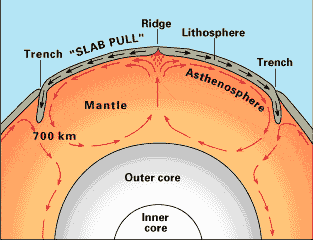
What is the source of energy that drives plate movement?
the subducton of the sea floor
the different densities of the oceanic and crustal plates
convection currents in the asthenosphere
the friction force between the plates that move past each other

What is the rock cycle.
molten rock that is stored underground.
rock material that forms where rocks are broken down into smaller pieces.
a process that changes one type of rock into another type of rock.

Pumice, formed from cooled lava shoots, is an example of
Igneous
Metamorphic
Sedimentary

Which of the following processes allow sedimentary rocks to be produced?
melting
compaction and cementation
extreme heat and pressure
melting so that magma can be produced


What are the two main sources of energy that drive the rock cycle?
Kinetic Energy and Potential Energy
Energy from the Sun and the Earth's Core (interior)
Chemical Energy and Nuclear Energy
Light Energy and Sound Energy

Which of these actions must take place in order for sedimentary rock to change into igneous rock ?
The sedimentary rock melted and became magma.
Sedimentary minerals dissolved in water to form igneous rock
The sedimentary rock broke down into smaller pieces and then was melted into igneous rock
The sedimentary rock was exposed to extreme heat and pressure.


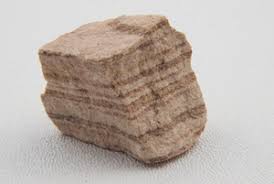
Which rocks contains fossils.

