
Font size
 Worksheets
general revision
Total questions: 135
Worksheet time: 3hrs 40mins
A push or pull on an object
energy
speed
force
work
when one force is stronger than the other, the result is motion
balanced forces
friction
unbalanced forces
inertia
when 2 equal forces act in opposite directions the result is that forms are equal and there is no change.
friction
balanced forces
unbalanced forces
force
a force that attracts things to Earth.
gravity
force
inertia
motion

pull
push

push
pull
Name the word that means a force that slows down or stops a moving thing when it rubs against something.
friction
motion
direction
force
An object is _____ if its position changes.
in motion
at reset
a frame of reference
magical

A swing moves ..........................
straight line
back and forth
round and round
zig zag
Unit of Distance
Litres
Tonnes
Kilogram
Kilometer or meter
Unit of Speed
Kilogram
Litre
Meter
distance / time
Which tool measures distance?
Meter stick
Stop watch
Pan balance
Thermometer
A push or a pull that makes something move is called a ________.
position
force
motion
_______ is where an object or person is.
position
distance
length

Speed is ____________
how far you go
how much distance is covered with time
how slow someone is
the change in the location
Motion can be described as a change in ___________.
temperature
velocity
position
speed
Unit used for time can be
minute
kilometer
hour
second
--------------- the way an object faces.
Direction
Position
When an object is moved toward the source of the force
push
pull
friction
When an object is moved away from the source of the force
friction
motion
push
pull
A force that pulls objects toward Earth's center
push
friction
gravity
pull
A force that resists and slows down the motion of an object
push
motion
friction
pull
When two equal forces push on an object in opposite directions
distance
speed
balanced force
pull
When more than one force acts on an object and one force is greater than the others
pull
push
balanced force
unbalanced force
A measure of how fast or slow an object is moving
direction
speed
position
pull
the position of an object compared to the position of another object.
relative motion
relative position
position
the motion of an object compared to another object.
relative motion
relative position
motion

the pattern in motion is
back and forth
straight line
round and round

pattern in motion is
back and forth
straight line
up and down

pattern in motion is
up and down
straight line
back and forth

pattern in motion is
up and down
back and forth
sraight line

pattern in motion
up and down
back and forth
straight line

wasp moves
back and forth
straight line
without pattern
tell what will happen in the future.
force
predict
motion
In strong wind, the wind chime will move
slowly
quickly
In mild wind, the wind chime will move
slowly
quickly
relative means
next to
compared to

Patterns of motion can be used to ________.
make predictions
make matter
make energy
none of these

When a moving object makes the same pattern again and again.
motion
pattern of motion
outcome
friction
Motion can be ________________.
straight
circular
up and down
all of the above
Objects that have balanced forces acting on them are in motion.
True
False
the exact place of an object
distance
the way an object faces
motion
comparing something
direction
an object's position changing
relative
how far something travels
position
What are two ways you can measure the motion of an object?
distance and speed
direction and speed
friction and force
balanced and unbalanced forces
Which one of these objects moves in a pattern?
a clock
a person
the wind
tension force
pulling a bow and arrow
contact force
sitting in a chair
non-contact force
electricity
spring force
releasing a bow and arrow
friction
rubbing your hands together
non-contact force
gravity
non-contact force
magnetism
contact force
friction
contact force
tension force
contact force
spring force

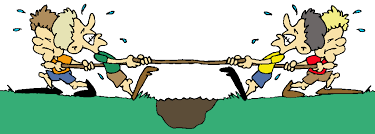
Describe the forces in the picture
balanced because no one is moving
unbalanced because one side is winning

Describe what is happening in the picture
the boy is heavier than the girl, so the girl will not move
the girl is heavier so the boy will not move
the boy and the girl weigh the same amount

Can you predict the pattern of motion of the jump rope?
from side to side
circular around
back and forward

A swing is an example of ___________ motion.
pattern
strong
line

What pattern of motion is when a snake moves?
Up and down
back and forth
Spinning
Zig-zag

What pattern of motion is when a rabbit hops(jumps)?
up and down
back and forth
zig-zag
spinning
Which of the following is a pattern of motion?
back and forth
circle
line
all of the above

How does gravity differ from magnetic and electric forces?
Gravity works with electrical charges.
Gravitational forces only work on metals.
Gravity can not be blocked.

Predict what will happen.
2 positively charged objects come in contact
++=?
repel
a north pole of a magnet and a south pole of a magnet comes in contact
N+S=?
attract
a south pole of a magnet and a south pole of a magnet comes in contact
S+S=?
repel
A negative charged object and a positive charged object comes in contact
-+=?
attract
2 negatively charged objects come in contact
--=?
repel

What is the unit of a force?
a kilometer
a newton
a milligram
a pound

Magnets need to touch something to apply force.
True
False
What does attract mean?
to push away
to pull together
neither

On Earth, the force of gravity pulls everything
towards the center of the Earth.
True
False
Neither
A contact force is from
objects physically touching
far apart objects
not touching object
always a pull

The three examples pictured are of
Non-contact Forces
Contact Forces

The force between the two people through the rope is
Contact (Tension Force)
Non-contact Pull
Contact ( Spring Force)
Non-contact Push
Friction is a
Contact Force
Myth
Non-contact Force
______________ is a force that always acts in the direction opposite of motion.
applied
friction
gravity
normal

Exerted by an object that has been streched or squeesde.
tension force
friction
non-contact force
Spring force
A non-contact force is between
two objects that aren't touching
two objects that are touching
the ground and wheels
you and me

Gravity is a
Contact Force
Myth
Non-contact Force
Magnetic Force is an example of ____________ force.
contact
non-contact
balanced
unbalanced
Which of the following forces can push (repel) and pull (attract)?
Magnetic Force
Electric Force
Gravitational Force
Both Magnetic and Electric Force.
All Three, Magnetic, Electric and Gravitational Force.
Balanced forces show
an object moving
an object not moving
Unbalanced forces show
an object moving
an object not moving
If the forces are acting in the SAME DIRECTION, how do you find the net force
add
subtract
divide
multiply

Use Figure 1 to answer the question.
One student on the swing is not in motion. Which statement best explains why the student is not moving?
The forces are unbalanced and there is a net force of zero.
The forces are unbalanced and there is a net force of one.
The forces are balanced and there is a net force of one.
The forces are balanced and there is a net force of zero.

Two forces have the same amount of push on an object. Which statement best describes the effect of the forces on the object?
The object will not move because the forces are balanced.
The object will move in only one direction because the forces are unbalanced.
The object will not move because the forces are unbalanced.
The object will move because the forces are balanced.
the pull between Earth and other objects, which acts even without touching
force
repel
gravity
magnetic force
Which description best describes "net force"?
strong force acting on an object
no force acting on an object
balanced forces acting on an object
total of all forces acting on an object
Friction can slow down an object in motion
true
false

How will this object move?
It won't move.
It will move to the right.
It will move to the left.
It will move up.

How will this object move?
It won't move.
It will move to the left.
It will move in both directions.
It will move to the right.

What is the net force?
30 N left
25 N right
55 N right
5 N left

What is the net force?
1000 N upward
500 N right
40 N right
0 N

These forces are ______________
Balanced Force
Unbalanced Force

What Is the Net Force?
0 N
10 N right
10 N left
What are the balanced forces?
forces that are not equal in size and are opposite in direction
forces that are equal in size and opposite in direction.
What are the unbalanced forces?
forces that are equal in size and opposite in direction.
forces that are not equal in size and are opposite in direction
It is the sum of all the forces acting on an object.
Net force
Gravity
Friction

Calculate the net force of the object in the image shown.
Calcula la fuerza neta del objeto en la imagen que se muestra.
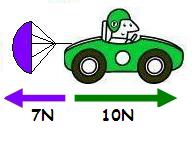
What is the net force?
3 N
3 N, right
17 N, right
3 N, left


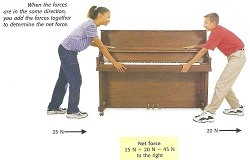
What is the net force being applied to the couch?
5N RIght
5 N Up
45 N Right
25 N Right
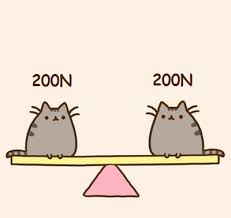
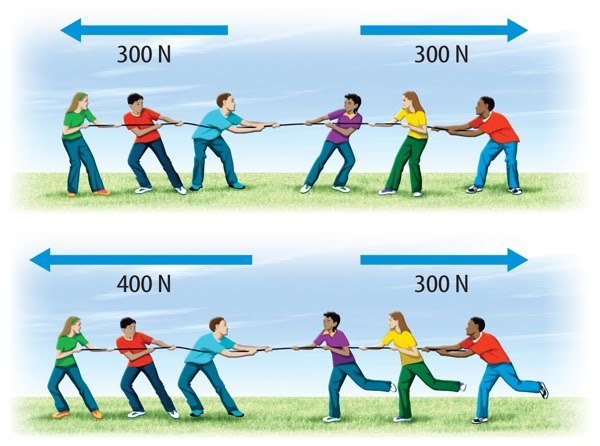
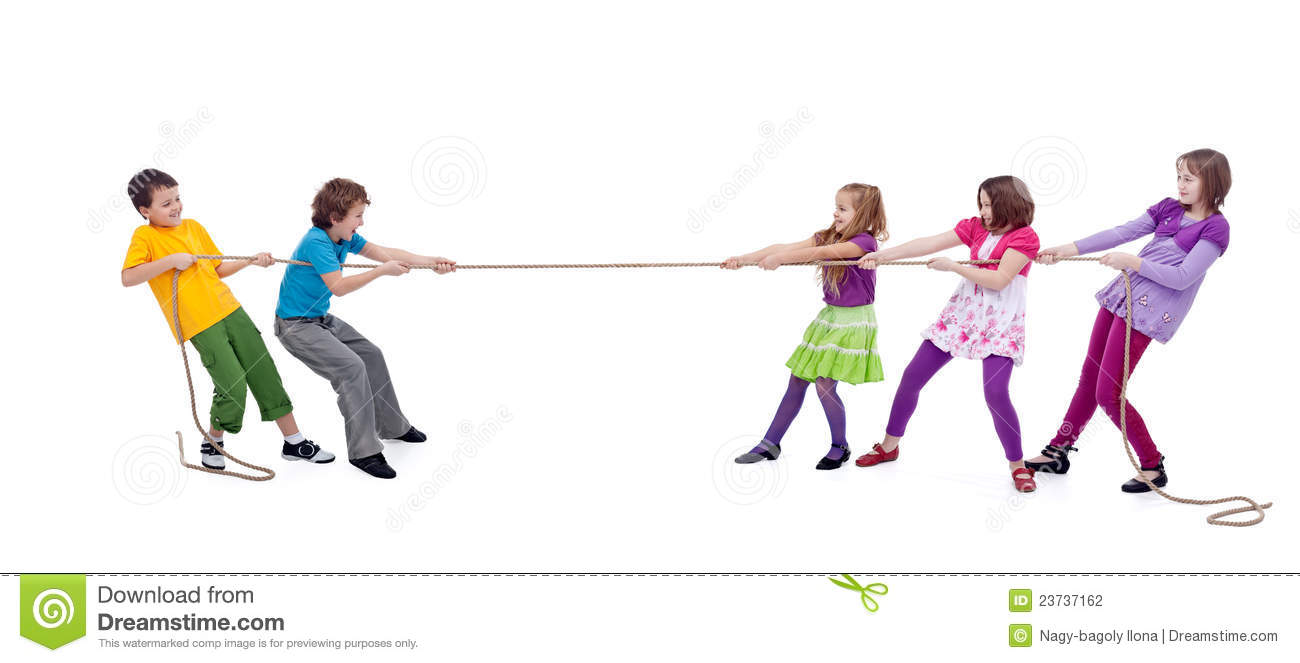


What is the net force in this example?
200 N
Left
125 N
Left
50 N
Left
75 N
Left

If both people are exerting a force of 30 N, what is the net force?
30 N
60 N
300 N
0 N

If the boy is pulling with a force of 10 N and the girl is pushing with a force 20 N, what is the net force on the box?
10 N
Right
20 N
RIght
30 N
Right
0 N

How do you find the net force of this image.
Add up all the arrows
Add a green arrow and the orange arrow.
Subtract all the arrows.
Add the green arrows and subtract the orange arrow.
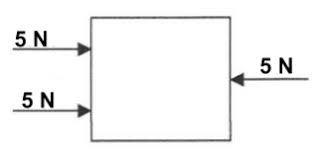
Is the Net Force balanced or Unbalanced?
Balanced
Unbalanced

What is the overall Net Force and which side has a greater Net Force?
641, Left
571, Left
601, Right
480, Right
Opposite charges
make electricity move faster
repel
make electricity move slower
attract
Similar or like charge
get bigger
attract
repel
get smaller
Rubbing a balloon can make it
electrically charged
produce sweat
cause an electrical current
Which charges will attract each other?
opposite charges
like charges
all charges
no charges
Which is an example of a non-contact force?
Push
Pull
Magnetism
Friction

Attract
Repel

Attract
Repel
There are three types of charges: positive, negative, and _______
neutral
charged
current
static
Magnetism and Electricity have a lot in common
True
False
________ are easily charged by electricity
Conductors
Insulators
Which of the following is a list of insulators?
wood, plastic, copper
wood, cotton, plastic
iron, cotton, gold
nickel, gold, iron
Which of the following is a list of conductors?
nickel, iron, gold
wood, cotton, rubber
gold, iron, cotton
nickel, plastic, gold
Magnets can attract objects that are close and at a distance
TRUE
FALSE
Which of these is attracted to a magnet?
iron nail
copper coin
piece of paper
notebook
All the electrical devices that we have at home (microwave, TV, Play Station...) _________electricity.
need
don't need
Magnetism is a property that allows the objects to attract or repel.
True
False
Magnets can attract objects that are close and at a distance
True
False

What is the name of this object?
Magnet
Scale
A force is ______.
pushing
a pull between two objects
the amount of gravity between two objects
a push or a pull

How can it be explained that someone's hair can stick to a balloon?
There is static electricity
There is too much dust in the air
A parallel circuit was too long
The person needs to wash his hair
What force causes two metals to repel or attract?
Friction
Gravity
Magnetism
Electricity

Opposite charges _______________.
attract
repel
nothing changes

Like charges _______________.
attract
repel
nothing changes


