
 Worksheets
Carbon cycle
Total questions: 215
Worksheet time: 11hrs 45mins
All of the carbon in existence is continually recycled in the carbon cycle.
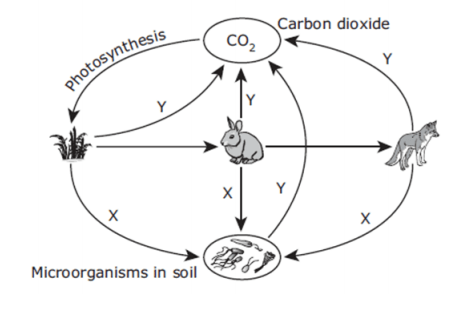
Y : Predation
Y : Decomposition
Y : Nitrogen Fixation
Y : Respiration
C6H12O6 is also known as glucose (sugar). Where is it found?
Plants
Animals
Both plants and animals
Neither plants or animals
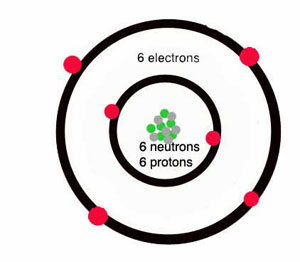
The circulation of the element Carbon among Earth's atmosphere, land, oceans, and organisms is called _____________.
the Carbon Cycle
the Oxygen Cycle
the Carbon dioxide Cycle
the Water Cycle
When animals eat plants, the carbon that the plant contains is absorbed by the animals.
True
False
How do animals get carbon?
By eating plants and or other animals.
They absorb it from the atmosphere.
From the ground
They do not get carbon from anywhere.
What are fossil fuels made from?
Plants and animals that are buried underground for millions of years.
They absorb it from the atmosphere.
Water
Wind
When humans EXHALE, we release __________________.
Oxygen
Carbon Dioxide
Nitrogen
Water
What is CO2?
Carbon Monoxide
Carbon Trioxide
Carbon Dioxide
Oxygen
Which of the following are fossil fuels?
Coal, water, oil
Oxygen, coal, oil
Coal, Oil, Natural Gas
None of the above
Which of the following is correct?
There is as much carbon on earth as when it was formed
Carbon is being created whenever it is recycled
Carbon is lost every time it is recycled
Carbon changes to different forms and is never recovered
What is the greatest contributor to atmospheric carbon?
burning garbage
burning biomass
transportation
household usage

What are two (2) ways to reduce the carbon emissions from passenger cars?
Use less expensive gas
Carpooling
Public Transportation
Driving only passenger cars
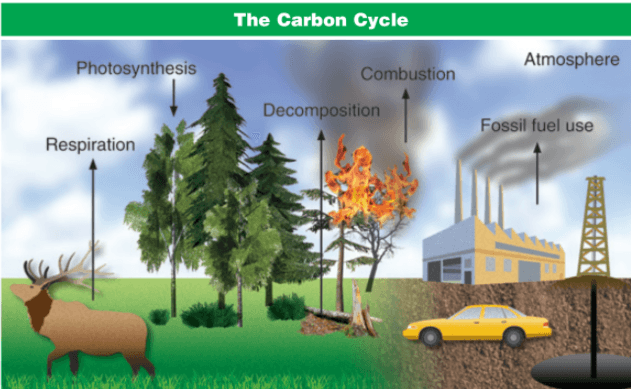
With the help of the Sun, through the process of photosynthesis, carbon dioxide is pulled from the air to make plant________
leaves
food
roots
nutrients
Through food chains, the carbon that is in plants moves to the animals that eat them. When an animal eats another animal, carbon is ___________________.
released
transferred
dissolved
gone
Which process contributes carbon dioxide to the atmosphere?
respiration
photosynthesis
tree farms
Which process removes carbon dioxide from the atmosphere?
deforestation
tree farms
burning fossil fuels
cellular respiration
Which of the following is correct?
There is as much carbon on earth as when it was formed
Carbon is being created whenever it is recycled
Carbon is lost every time it is recycled
Carbon changes to different forms and is never recovered
What is the greatest contributor to atmospheric carbon?
burning garbage
burning biomass
transportation
household usage
What are two (2) ways to reduce the carbon emissions from passenger cars?
Use less expensive gas
Carpooling
Public Transportation
Driving only passenger cars
Respiration is the process by which animals take in _____ and release _____ to make energy.
CO2 +light+H2O --> O2 + glucose
CO2 + glucose + H2O --> O2 + light
O2 + light + H2O --> CO2 + Glucosg
CO2 + O2 + H2O --> Light+ glucose
Cellular Respiration involves the chemical breakdown of _____ to form ATP Energy
Fats
Fructose
Glucose
Proteins
Which process(es) release carbon dioxide into the atmosphere?
respiration
combustion
photosynthesis
feeding
Which process(es) take carbon dioxide out of the atmosphere?
respiration
combustion
photosynthesis
feeding
What type of organism receives carbon present in dead plants and animals?
producer
primary consumer
secondary consumer
decomposer
Carbon is important for which molecules
carbohydrates
proteins
lipids (fats)
water
What molecule is carbon first fixed into by plants in photosynthesis?
glucose
protein
cellulose
starch
How is carbon transfered between organisms in a food chain?
feeding and assimilation
decomposition
sedimentation
respiration
Which two groups of organisms breakdown dead and decaying matter?
decomposers
detritivores
animals
plants
What can happen to the carbon dead organisms if they end up in an area with low oxygen?
fossilise into fossil fuels
decomposed
respire
fossilise into limestone

Which is the correct balanced symbol equation for aerobic respiration?
1
2
3
4

Which is the correct balanced symbol equation for photosynthesis?
A
B
C
D
True or False: anaerobic respiration in humans releases CO2
True
False
Which process removes carbon dioxide from the atmosphere?
deforestation
tree farms
burning fossil fuels
cellular respiration
What is the greatest contributor to atmospheric carbon?
burning garbage
burning biomass
transportation
household usage
Which form of carbon is the most potent greenhouse gas?
CO2
CH4
C6H12O6
C3H8O3
What are two (2) ways to reduce the carbon emissions from passenger cars?
Use less expensive gas
Carpooling
Public Transportation
Driving only passenger cars

What organisms form fossils?
animals
plants and animals
CaCO2
sedimentary rocks
Which process(es) take carbon dioxide out of the atmosphere?
respiration
combustion
photosynthesis
feeding
Which of the following is/are greenhouse gases?
carbon dioxide
water vapour
methane
nitrogen
Which of the following is true of The Greenhouse Effect?
It is a completely natural process
It is an artificial process that has been naturally speeded up by humans
It is a natural process that has been artificially speeded up by humans
It is a completely artificial process
C6H12O6 is also known as glucose (sugar). Where is it found?
Plants
Animals
Both plants and animals
Neither plants or animals
When humans EXHALE, we release __________________.
Oxygen
Carbon Dioxide
Nitrogen
Water
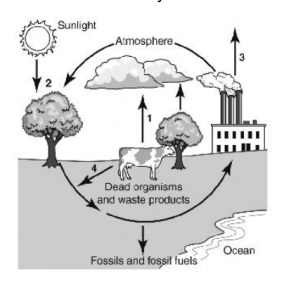
Which of the following is NOT true regarding oxygen?
Oxygen gas is a natural occurring gas in the atmosphere.
Oxygen gas is a byproduct of photosynthesis.
Oxygen gas is a reactant in cellular respiration.
Oxygen gas is the largest component of the atmosphere.
Oxygen gas is a highly reactive molecule

Using the graph, which of the following is the most likely cause of the recent trend noted for all three gases?
Increased burning of wood and biomass for fuel
Increasing number of livestock being raised
Increased combustion of fossil fuels
Global climate change
More materials being disposed of in landfills
The largest carbon pool is found in
oceans
the atmosphere
sedimentary rock
living organisms
fossil fuels
Which process most directly results in the storage of carbon as coal and oil over millions of years?
Burning of fossil fuels
Cellular respiration
Decomposition
Photosynthesis
Which of the following is an example of a carbon sink?
Deposition of organic matter on the deep ocean floor
Clearing of trees in the Amazon forest
Combustion of fossil fuels in power plants
Decomposition of food waste by bacteria
Nutrient uptake by the roots of grasses in a suburban lawn
Identify the type of organisms that can take up carbon dioxide and convert it into organic compounds
Consumers
Detritivores
Saprotrophs
Autotrophs
State the type of rock that consists mainly of calcium carbonate
(a)
What term describes the transfer of large quantities of carbon from place to another?
(a)
Identify the gas released through the breakdown of organic matter in anaerobic conditions by a group of prokaryotic archaeans
Nitrogen
Methane
Carbon monoxide
Sulphur dioxide
Identify the acid that forms when carbon dioxide reacts with water
Hydrochloric acid
Sulphuric acid
Carbonic acid
Nitric acid
Identify the process that is causing a large and increasing quantity of carbon dioxide into the atmosphere
Combustion
Photosynthesis
Fossilization
Methanogenesis
Photosynthesis removes carbon from which reservoir?
Geosphere
Atmosphere
Hydrosphere
Biosphere
Combustion adds carbon into which reservoir?
Geosphere
Biosphere
Hydrosphere
Atmosphere
Which reservoir contains fossil fuels?
Biosphere
Geosphere
Hydrosphere
Atmosphere
Which process adds carbon to the Geosphere?
Photosynthesis
Respiration
Diffusion
Decomposition
Which of the following processes removes carbon from the Hydrosphere?
Respiration
Photosynthesis
Dissolving
Combustion
Which is a true statement?
Humans depend on oxygen, plants depend on carbon dioxide
Plants produce carbon dioxide
Humans depend on carbon dioxide, plants depend on oxygen
Humans don't depend on plants for the air they need

Choose all the items made out of carbon
Food
Animals
Plants
Tennis Racket
Pretty much everything

What do 'plants' do with the carbon they receive?
They turn it into water
They don't need carbon
They turn it into food by photosynthesis
They keep it forever

How does carbon get from animals and back into the atmosphere? (CHOOSE ALL THAT APPLY)
Respiration (breathing)
After they die, they are broken down by decomposers
Photosynthesis
None of these

How do animals get carbon?
Photosynthesis
They absorb it from the atmosphere
The sun
They eat other plants and animals

What is CO2?
Air
Oxygen
Carbon Dioxide
Dioxide

All things are made out of carbon or need carbon to live.
True
False

What is causing global warming? (Choose All That Apply)
The earth is too close to the sun
There is too much carbon dioxide in the atmosphere
Because we're running out of water
Because we're cutting down all the trees and not planting more

Why can't life live on Venus?
Way too hot
Too small
Too far away
Not enough gravity

What made Venus way too hot for anything to live on it? (Choose All That Apply)
Global Warming
Too much Carbon Dioxide in the Atmosphere
Too close to the sun
It's just hot

How is carbon recycled?
The carbon cycle
At the recycle plant
It can't be recycled
Through water
Choose the things that take carbon dioxide (CO2) out of the air.
Plants
Water
Trees
Humans

What are the top things that contribute to global warming? (Choose more than one)
Cow Farts
Burning Gas in cars and factories
Cutting down Trees
Solar Power

What are some ways we can fight global warming? (Choose all that apply)
Eat chicken instead of beef
Plant trees
Recycle
Tell others to help fight
Select the PRODUCTS of photosynthesis
carbon monoxide
H2O
O2
C6H12O6
CO2

This is the equation for respiration in eukaryotes. What is missing?
ethanol
lactic acid
ATP
ADP
The formula 6CO2 + 6H2O + light/enzymes ---> C6H12O6 + 6O2 refers to...
photosynthesis
fermentation
respiration
oxidation

Which process removes carbon dioxide from the atmosphere?
deforestation
tree farms
burning fossil fuels
cellular respiration

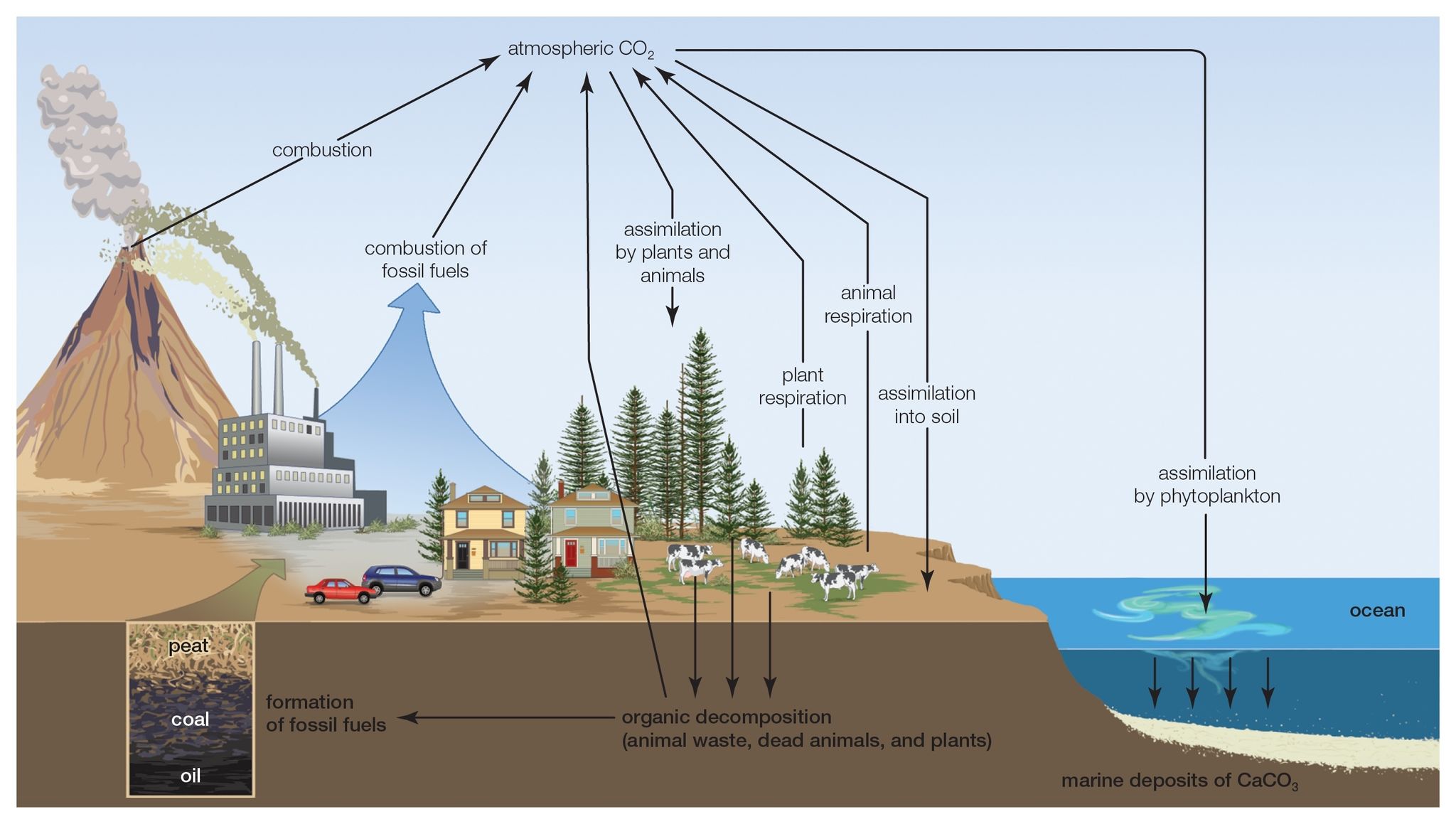
What does the diagram indicate regarding the carbon cycle?
Only terrestrial processes cycle carbon
Only aquatic processes cycle carbon
Terrestrial and aquatic processes are separate
Both terrestrial and aquatic cycles operate together
What is the equation for aerobic cellular respiration?
C6H12O6 + 6O2 --> --> --> 6CO2 + 6H2O + ATP
C6H12O6 + 6CO2 --> --> --> 6O2 + 6H2O
6 CO2 + 6H2O --> --> --> 6O2 + C6H12O6

During cellular respiration, what is the direct source of the energy used in the cells of the heterotrophs (the deer, frog and ducks) in the ecosystem represented above?
the atoms making up inorganic molecules
the Sun
enzymes
food

Which biological process is represented in the diagram?
digestion
photosynthesis
respiration
replication
oxygen and carbon dioxide
light and water
If the plant population decreased, the amount of carbon in the atmosphere would _________.
Stay the same
Increase
Decrease
Which describes the relationship between plants and animals in the carbon cycle?
Plants produce and release oxygen that animals need
Plants produce and release carbon dioxide that animals need
Animals produce and release oxygen that plants need
Animals produce oxygen that plants turn into carbon dioxide
Which of the following light color is absorbed by plants?
Red
Green
yellow
Light green
Pigment in green plants that capture the energy in sunlight is called __________
Greenplasts
chlorophyll
stomata
chloroplasts
Which of the following is the correct equation for photosynthesis?
CO2 + light + H2O ---> O2 + Sugar
CO2 + sugar + water --> O2 + light
O2 + light + water ---> sugar + CO2
CO2 + O2 + light ---> sugar + water
In the reaction methane + oxygen -------> carbon dioxide + water, the methane and oxygen are called _______________.
reactants
products
neutrals
energizers

When plants use energy from the sun and convert carbon dioxide from the air and water into oxygen and glucose sugars, which two main spheres are interacting?
Atmosphere - Biosphere
Geosphere - Atmosphere
Hydrosphere - Geosphere
Geosphere - Biosphere
When carbon dioxide dissolves from the air into the ocean - the interaction is between
the atmosphere and hydrosphere
the atmosphere and lithophere
the atmosphere and atmosphere
the atmosphere and biosphere
Identify the type of organisms that can take up carbon dioxide and convert it into organic compounds
Consumers
Detritivores
Saprotrophs
Autotrophs
State the type of rock that consists mainly of calcium carbonate
(a)
What deposits form due to the partially decomposed plant matter in acidic and anaerobic conditions?
Peat
Limestone
Coral reefs
Oil
What term describes the transfer of large quantities of carbon from place to another?
(a)
Identify the process responsible for the greatest flux of carbon
Combustion of fossil fuels
Deforestation
Ocean uptake
Photosynthesis
Identify the gas released through the breakdown of organic matter in anaerobic conditions by a group of prokaryotic archaeans
Nitrogen
Methane
Carbon monoxide
Sulphur dioxide
Identify the process carried out by both heterotrophs and autotrophs that returns carbon dioxide to the atmosphere
Fossilization
Respiration
Partial decomposition
Photosynthesis
State the term that describes a method of carbon storage in an ecosystem
(a)
Identify the acid that forms when carbon dioxide reacts with water
Hydrochloric acid
Sulphuric acid
Carbonic acid
Nitric acid
Identify the process that is causing a large and increasing quantity of carbon dioxide into the atmosphere
Combustion
Photosynthesis
Fossilization
Methanogenesis
Select the PRODUCTS of photosynthesis
carbon monoxide
H2O
O2
C6H12O6
CO2
This is the equation for respiration in eukaryotes. What is missing?
ethanol
lactic acid
ATP
ADP
The formula 6CO2 + 6H2O + light/enzymes ---> C6H12O6 + 6O2 refers to...
photosynthesis
fermentation
respiration
oxidation
Which process removes carbon dioxide from the atmosphere?
deforestation
tree farms
burning fossil fuels
cellular respiration
What does the diagram indicate regarding the carbon cycle?
Only terrestrial processes cycle carbon
Only aquatic processes cycle carbon
Terrestrial and aquatic processes are separate
Both terrestrial and aquatic cycles operate together
What is the equation for aerobic cellular respiration?
C6H12O6 + 6O2 --> --> --> 6CO2 + 6H2O + ATP
C6H12O6 + 6CO2 --> --> --> 6O2 + 6H2O
6 CO2 + 6H2O --> --> --> 6O2 + C6H12O6
During cellular respiration, what is the direct source of the energy used in the cells of the heterotrophs (the deer, frog and ducks) in the ecosystem represented above?
the atoms making up inorganic molecules
the Sun
enzymes
food
Which biological process is represented in the diagram?
digestion
photosynthesis
respiration
replication
oxygen and carbon dioxide
light and water
If the plant population decreased, the amount of carbon in the atmosphere would _________.
Stay the same
Increase
Decrease
Which describes the relationship between plants and animals in the carbon cycle?
Plants produce and release oxygen that animals need
Plants produce and release carbon dioxide that animals need
Animals produce and release oxygen that plants need
Animals produce oxygen that plants turn into carbon dioxide
Which of the following light color is absorbed by plants?
Red
Green
yellow
Light green
Pigment in green plants that capture the energy in sunlight is called __________
Greenplasts
chlorophyll
stomata
chloroplasts
Which of the following is the correct equation for photosynthesis?
CO2 + light + H2O ---> O2 + Sugar
CO2 + sugar + water --> O2 + light
O2 + light + water ---> sugar + CO2
CO2 + O2 + light ---> sugar + water
In the reaction methane + oxygen -------> carbon dioxide + water, the methane and oxygen are called _______________.
reactants
products
neutrals
energizers
When plants use energy from the sun and convert carbon dioxide from the air and water into oxygen and glucose sugars, which two main spheres are interacting?
Atmosphere - Biosphere
Geosphere - Atmosphere
Hydrosphere - Geosphere
Geosphere - Biosphere
When carbon dioxide dissolves from the air into the ocean - the interaction is between
the atmosphere and hydrosphere
the atmosphere and lithophere
the atmosphere and atmosphere
the atmosphere and biosphere

Which process contributes carbon dioxide to the atmosphere?
cellular respiration
photosynthesis
protein synthesis
tree farms

Which process removes carbon dioxide from the atmosphere?
deforestation
photosynthesis
burning fossil fuels
cellular respiration
Which of the following is correct?
There is as much carbon on earth as when it was formed
Carbon is being created whenever it is recycled
Carbon is lost every time it is recycled
Carbon changes to different forms and is never recovered

All of the carbon in existence is continually recycled in the carbon cycle.


C6H12O6 is also known as glucose (sugar). Where is it found?
Plants
Animals
Both plants and animals
Neither plants or animals
When animals eat plants, the carbon that the plant contains is absorbed by the animals.
True
False
How do animals get carbon?
By eating plants and or other animals.
They absorb it from the atmosphere.
From the ground
They do not get carbon from anywhere.
What are fossil fuels made from?
Plants and animals that are buried underground for millions of years.
They absorb it from the atmosphere.
Water
Wind
When humans EXHALE, we release __________________.
Oxygen
Carbon Dioxide
Nitrogen
Water
What is CO2?
Carbon Monoxide
Carbon Trioxide
Carbon Dioxide
Oxygen
Which of the following are fossil fuels?
Coal, water, oil
Oxygen, coal, oil
Coal, Oil, Natural Gas
None of the above
What is the greatest contributor to atmospheric carbon?
burning garbage
burning biomass
burning fossil fuel for transportation
volcanic activity
What are two (2) ways to reduce the carbon emissions from passenger cars?
Use less expensive gas
Carpooling
Electric cars
Driving only passenger cars
How do fossils form?
ancient biomass is converted to fossil fuels through cellular respiration
ancient biomass is converted to fossil fuels through time, heat and pressure
current biomass is under heat and pressure until they become fossils
atmospheric carbon diffuses into the soil and forms fossil fuels
What is a chemical compound (compuesto químico) that are used to maintain the life of plants and animals?
Decomposition
Combustion
Biomolecule
Which of these are organic molecules that contain carbon in living things?
proteins
lipids
carbohydrates
All of the above

Which of these describes what is being conveyed by the infographic? Check ALL that apply
In the northern hemisphere there are higher carbon dioxide levels in July to December
In the northern hemisphere there are higher carbon dioxide levels in January to June
There is seasonal variation in the amount of CO2 in the atmosphere in above North America
Overall, carbon dioxide levels are increasing globally
The ONLY way for carbon dioxide in the atmosphere can make it back into the biosphere is through what process?
photosynthesis
cellular respiration
ocean gas exchange
fossilization
How do some animals contribute carbon to the geosphere?
Shellfish build shells that can ultimately make limestone rock
Worms do cellular respiration and release CO2
Fossilized animals and plants can be burned for energy
By doing photosynthesis
What form of carbon exists in the atmosphere?
organic molecules
limestone rock
carbon dioxide
fossil fuels
What form of carbon exists in the geosphere?
organic molecules
limestone rock
carbon dioxide
glucose

The greenhouse effect is a natural process
true
false

The greenhouse effect is caused by
more heat arriving at the Earth from the sun
the Earth releasing more heat at night
gases in the air trapping heat released by the Earth

Which of the gases is NOT a greenhouse gas?
water vapour
carbon monoxide
carbon dioxide
methane
Which is a negative human impact contributing to more CO2?
Afforestation (planting more trees)
Decomposition
Recyling
Burning Fossil fuels
Photosynthesis _____ C02 levels in the atmosphere
increase
decrease
Cellular Respiration _____ CO2 levels in the atmosphere
increase
decrease
True or False: Increased CO2 levels decreases our global temperature
True
False
Greenhouse gases such as CO2 increase temperature on our Earth because
greenhouse gases trap heat
greenhouse gases make holes in the atmosphere
greenhouse gases gets rid of heat
greenhouse gases don't do anything
Droughts cause an increase of fires...
True
False
(Increase or decrease)
As temperature ___ , forests get drier, which means the number of fires ____
(a)
If the plant population decreased, the amount of carbon in the atmosphere would _________.
Stay the same
Increase
Decrease
Which is a true statement?
Humans depend on oxygen, plants depend on carbon dioxide
Plants produce carbon dioxide
Humans depend on carbon dioxide, plants depend on oxygen
Humans don't depend on plants for the air they need
What is the original, and biggest reservoir of phosphorus on the planet?
live plants and animals
groundwater
the atmosphere
rocks
water runoff
Fertilizers spread on crops contain phosphates that can be washed into waterways.
Surface runoff
Sedimentation
Uplift
Fertilizer runoff
What is the % of Nitrogen in the air?
21%
87%
78%
50%
What converts nitrogen gas into a usable form for plants and animals?
bacteria
rain
fungi
car exhaust
How do animals get the nitrogen they need?
From the air they breathe
From the water they drink
From the food they eat
From the sun

