
 Worksheets
elements and principles of design
Total questions: 15
Worksheet time: 16mins
Name
Class
Date
1.
Shape is an example of
a)
an element of design
b)
a principle of design
c)
both an element and principle
d)
neither an element or principle
2.
Color is an example of
a)
a principle of design
b)
an element of design
c)
neither an element or principle
d)
both an element and principle
3.
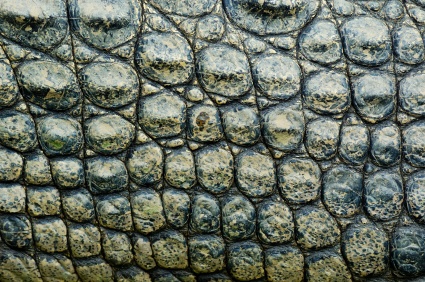
The image is a good example of which element?
a)
pattern
b)
texture
c)
shape
d)
emphasis
4.
__________ is the repetition or alternation of elements, often with defined intervals between them. _________ can create a sense of movement, and can establish pattern and texture.
a)
pattern
b)
value
c)
emphasis
d)
rhythm
5.

This image is a good example of which principle?
a)
pattern
b)
form
c)
line
d)
color
6.
__________ is the equal distribution of visual weight in a design.
a)
emphasis
b)
balance
c)
space
d)
value
7.
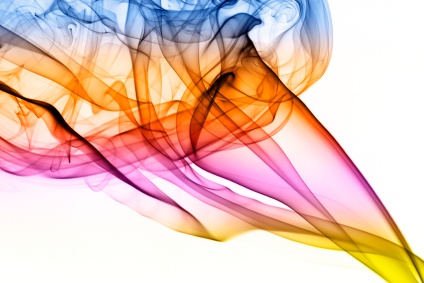
This image is a good example of which element?
a)
pattern
b)
unity
c)
space
d)
color
8.
_________ refers to the area around a shape or form.
a)
space
b)
color
c)
unity
d)
emphasis
9.
In design, there are 3 main types of balance:
1) __________
2) asymmetrical
3) radial
1) __________
2) asymmetrical
3) radial
a)
symmetrical
b)
weighted
c)
tip of the nose
d)
pan
10.
The relative size and scale of the various
elements in a design refers to ...
a)
balance
b)
proportion
c)
color
d)
unity
11.
Which of the following is not an example of how to create emphasis...?
a)
Make one element larger
b)
Make all items the same size
c)
Use various colors
d)
Use different styles of type
12.

Identify the type of line
a)
Horizontal Lines
b)
Curve Lines
c)
Diagonal Lines
d)
Vertical Lines
13.
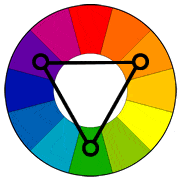
Three colors equally spaced on color wheel?
a)
Analogous Colors
b)
Color Triad
c)
Monochromatic Colors
d)
Primary Colors
14.
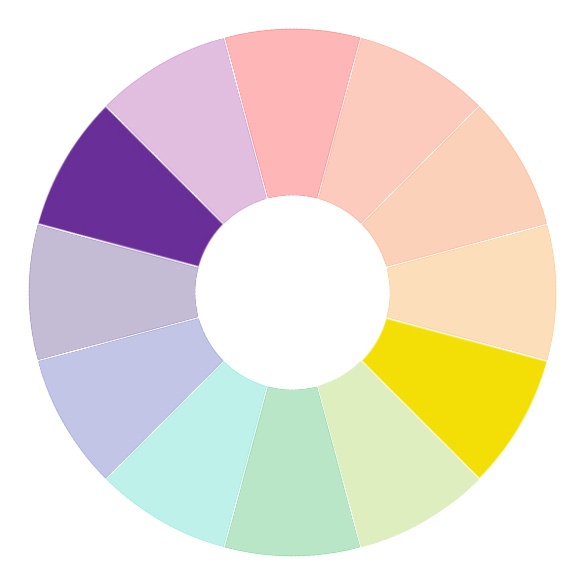
These colors are opposite from each other on the color wheel:
a)
Tertiary Colors
b)
Primary Colors
c)
Analogous Colors
d)
Complementary Colors
15.
A single hue/color and extended using its shades and tints.
a)
Analagous
b)
Monochromatic
c)
Triadic
d)
Complimentary
100 %

