
 Worksheets
Fall Performance Final Review Quizizz
Total questions: 91
Worksheet time: 50mins

The image is most closely associated with which of the following
Feuding
The fall of the Roman Empire
Feudalism
The Ottoman Turks
What is another name for the Middle Ages?
Medieval Times
Dark Ages
Enlightenment
Renaissance
What are the Middle Ages?
period in Europe between the end of the classical age (Fall of W. Roman Empire) and the beginning of the modern world
period in Europe between the end of the Crusades and the beginning of the Industrial Revolution
Period in Europe between the the fall of the Byzantine Empire and beginning of the first World War
Period in Europe between the end of the Roman Republic and the beginning of Mongolian Empire

Use your knowledge of world history and the image.
The vassal (person kneeling) is pledging his loyalty and military service to the king (lord/person sitting) in exchange for ______
military service
Title of Prince from the king
the king allowing the vassal to marry the king's daughter
use/control of a portion of the king's land (fief/ (land grant)
The social and political order based on mutual obligations
Manor
Feudalism
Vassal
Fief
The economic arrangement that supports the feudal system
Chivalry system
Manor system
Fief system
Feudal system
A lesser noble
Lord
Fief
Vassal
Serf
A land grant from the lord given in exchange of a pledge from a vassal of loyalty and military service
Manor
Serf
taxes
Fief

Use your knowledge of world history and the image. Which group worked the fields, did back breaking labor, and could not leave the lord's land (bound to the land)?
Noble
Serf
Knight
Peasant
Use your knowledge of world history and the image. Which group worked the fields, did back breaking labor, and could leave the lord's land?
Noble
Serf
Knight
Peasant
Which of the following had the most power in Medieval Europe because they decided who would achieve salvation, God spoke through them, and they had the power of excommunication
Peasants
Church
Nobles
Kings
Anyone who had control of the land who had others swear fealty (take a pledge of loyalty and military service) to him
peasant
knight
lord
Vassal
Anyone who pledged loyalty and military service to someone in exchange for a land grant (fief)
Peasant
Knight
Lord
Vassal

Throughout the Middle Ages, most people stayed in there status (even serf) and did not revolt because_______. This was able to hold the system of feudalism together and to make it last so long. (multiple answers)
of the teachings of the church, which said you were in your status because it was the will of God
of the social obligation that made the lords, vassals, knights, and peasants dependent on each other
of the need to perform the rituals of chivalry which had a knight put God first
of the fear of the use of the Interdict which would suspend Islamic services on all of the king's lands , making all of his subjects fear for their souls and question their loyalty to him
What is the weapon used by the Church called the Interdict. It was used to keep kings obedient to the Pope's wishes
It allows for serfs to take back their pledge of loyalty and military service to the king
It allows the Pope to name bishops on the king's lands thus greatly increasing the Pope's power in the king's realm
It kicks the king out of the Catholic Church and does not allow him to have any services performed for him. This makes the king fear for his soul
It suspends Catholic Church services on all of the king's lands , making all of his subjects fear for their souls and question their loyalty to him
Which of the following is true pertaining to the struggle for power in Europe between Pope Gregory and King Henry IV over investiture. It was known as the Investiture Controversy. (multiple answers)
It led to the Pope excommunicating King Henry IV which led the king to beg for forgiveness in the snow from the Pope. The king feared his nobles would rebel against him if he did not get his excommunication lifted
It ended with a compromise that allowed the pope to appoint church officials, but gave the king power to veto appointments
It started because the king was appointing bishops in his land (lay investiture) which the Pope did not approve of because the Pope thought the king would then gain more power
It led to the king issuing a Crusade on the Church for its insubordination. This gave kings more power and nullified the power of the Catholic Church
Another name for the Catholic Church law code
Syncretic Law
Canon Law
Sharia Law
Sunna Law

In the mid 1300s 1/3 of Europe's population died due to the spread of _____. It was spread along the trade networks into Europe by infected fleas on rats.
Scarlet Fever
Bubonic Plague
Chicken Pox
Flu

How did the Bubonic Plague spread
Knights who fought to protect their feudal lords and who also fought in the Crusades
ALIENS!!!!
by trade ships with infected fleas on rats hidden in their cargo and in merchant goods along land trade networks
by diseased rabid cats who traveled with on Mongols on horseback
During the late Middle Ages, the Commercial Revolution was a period when ...
trade increased
there were great food shortages
violence increased
populations migrated to the Eastern Roman Empire
Where did serfs flee for a better life and more economic opportunity?
towns/cities
military
castles
church
Which of the following is an effect of the Holy Wars known as the Crusades (multiply answers)
decline in feudalism
increased trade and interest in learning/education
European kingdoms gained control of the holy lands during every crusade
legacy of bitterness and hatred between Muslims and Christians

In medieval Europe, an armored warrior who fought on horseback to protect a nobles land was called?
king
lord
peasant
knight
What was the purpose of the Crusades?
Take back the Holy Land from Muslim control
Create an expanded Christian empire
Start a new religion
Build a Muslim mosque
Labor shortage due to the plague's death toll eventually led to...?
Increased wages
A decline in technological advancement
Industries shutting down
Increase in taxes

Base your answer to the following question on the speakers' statements and your knowledge of social studies.
Which speaker expresses a Muslim perspective during the Crusades?
A
B
C
D

Which political system is best described in the outline below?
Oligarchy
Absolutism
Feudalism
Democracy
What three religions consider Jerusalem a "holy land"? (Choose 3)
Islam
Hinduism
Christianity
Judaism

Who increased trade and made it safer along the Silk Road. They controlled the entire trade network.
Mongols
Russians
Byzantines
Muslims
How did the Mongols rule territories that they conquered?
allowed them to keep their cultures as long as they followed Mongol laws and payed tribute (taxes)
Forced their culture on the conquered
They forced women to perform footbinding rituals
none of the answers are correct
Which of the following is a result of Mongol control of trade routes like the Silk Roads (Multiple answers)
Increased trade amongst different groups and religions
safer trade
spread of the bubonic plague
spread of technology and ideas
Which of the following is true about the Mongols in China (Yuan Dynasty) (3 answers)
China was conquered by Kublai Khan who established the Yuan Dynasty
The Mongols respected Chinese culture and took a Chinese name for their empire in China
The Mongols gave foreigners the higher positions in government over the Chinese
The Mongols forced their culture on the Chinese and made them convert to Islam
Florence was a booming city that attracted many artists due to the city's inhabitants having disposable income due to their work as
farmers due to the abundance of farmland
Bankers who allow for seamless trade and wealth accumulation
Miners due to new gold deposits being found in Florence
merchants who are making more money because of increased trade

Allowed humanist and reformation ideas to be spread faster because books were easier to get
Was created by Leonardo Da Vinci
Was invented by the Ottoman Turks
Helped Mansa Musa spread Islam
Due to increased trade through Italy due to the Crusades and wealthy merchants who became patrons of the arts
the Renaissance began in Italy
the Reformation began in Italy
the Plague began in Italy
the Great Schism began in Italy
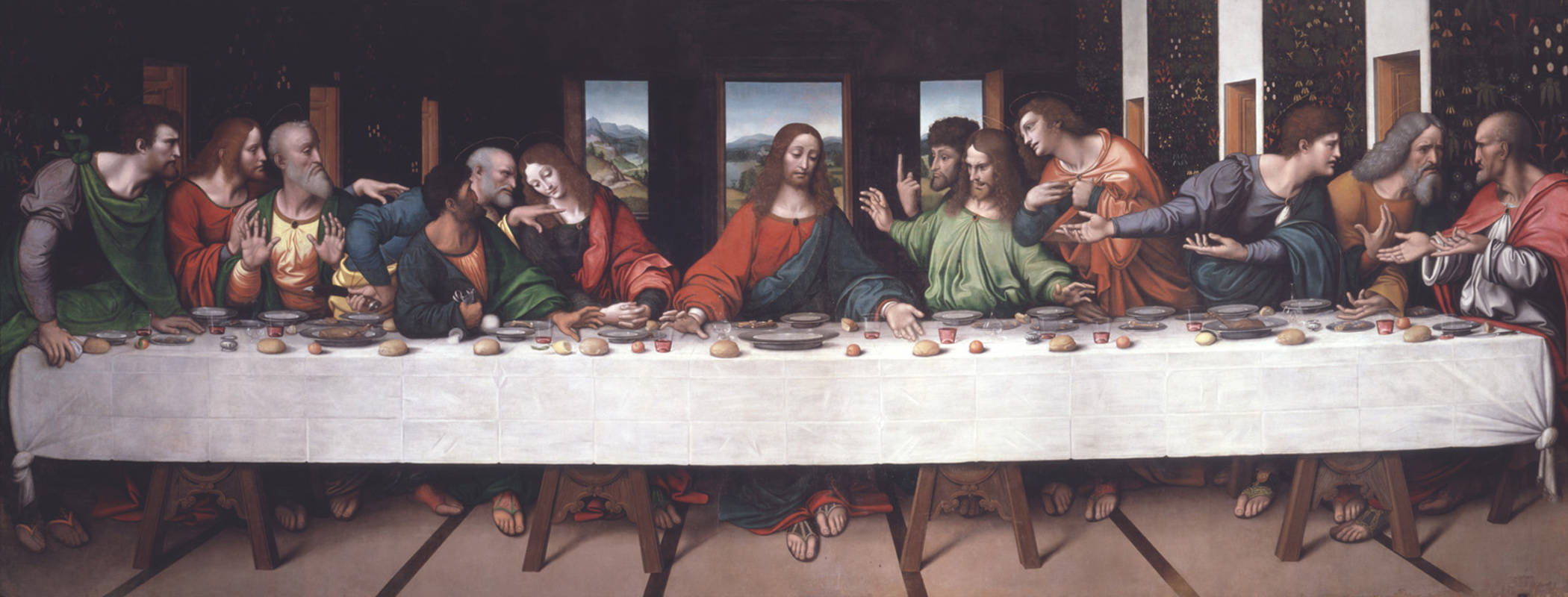
During the Renaissance many writers and artists were inspired by the classical works which were
Islamic art and writings
Han art and writings
Indian art and writings
Greek and Roman art and writings
A lasting effect of the _______ was the creation of new branches of Christianity
Enlightenment
Renaissance
Scientific Revolution
Protestant Reformation
This was created for purely political reasons when Henry VII wanted to get a divorce
The Holy Roman Church
Calvinism
The Church of the Holy King
The Church of England
Which of the following are results/decisions of the Council of Trent
The Bible is the FINAL ONLY authority
the Catholic Church was more unified and maintained am lot of their beliefs
indulgences are okay, but cannot be sold
Faith and good works gets you salvation
The theory that the planets (celestial bodies) revolve around the sun
Heliocentric Theory
Huh?
Geocentric Theory
Orbitalcentric Theory
Who believed in and promoted the heliocentric theory, which is the belief that the planets revolve around the sun
Galileo
Ptolemy
Copernicus
Kepler
Put the following Scientific Revolution thinkers in order. They each built upon the work of their predecessors (the person who came before them)
Copernicus
Kepler
Galileo
Newton
An intellectual movement that believed one should FOCUS ON EXPERIMENTATION AND OBSERVATION to explain occurrences in nature that challenged some of the explanations of the Catholic Church. It replaced the Greek view of nature that had dominated for almost 2,000 years.
Enlightenment
Renaissance
Scientific Revolution
Protestant Reformation
He developed the laws of planetary motion including the universal law of gravitation.
Galileo
Ptolemy
Isaac Newton
Rene Descartes
Which of the following is an effect of the Holy Wars known as the Crusades (multiply answers)
decline in feudalism
increased trade and interest in learning/education
European kingdoms gained control of the holy lands during every crusade
legacy of bitterness and hatred between Muslims and Christians
Which of the following is true about the Mongols in China (Yuan Dynasty) (3 answers)
China was conquered by Kublai Khan who established the Yuan Dynasty
The Mongols respected Chinese culture and took a Chinese name for their empire in China
The Mongols gave foreigners the higher positions in government over the Chinese
The Mongols forced their culture on the Chinese and made them convert to Islam
Which of the following is a result of Mongol control of trade routes like the Silk Roads (Multiple answers)
Increased trade amongst different groups and religions
safer trade
spread of the bubonic plague
spread of technology and ideas
Which of the following is true about the Mongols in China (Yuan Dynasty) (3 answers)
China was conquered by Kublai Khan who established the Yuan Dynasty
The Mongols respected Chinese culture and took a Chinese name for their empire in China
The Mongols gave foreigners the higher positions in government over the Chinese
The Mongols forced their culture on the Chinese and made them convert to Islam
Death

Who invented the printing press?
da Vinci.
Gutenberg.
Mrs. Spring.

Where did the Renaissance begin?
Mesopotamia
Japan
Florence, Italy
Mongolia
What did the Renaissance of Italy refer to? (2 answers)
rebirth Hindu Beliefs
rebirth of art and learning
focus on classical learning
focus on Islamic learning
__________ celebrates the individual
Humanism
Dogism
sonnets
Protestant

People who paid for art were called _______
Patrons
friends
Due to increased trade through Italy due to the Crusades and wealthy merchants who became patrons of the arts
the Renaissance began in Italy
the Reformation began in Italy
the Plague began in Italy
the Great Schism began in Italy
Greek and Roman culture is considered
South Asian Culture
Classical Culture
Saharan Culture
Asiatic Culture
This literary work written by Machiavelli was a guide book for rulers which stated that it was okay for ruler to do whatever is necessary to for the good of their people
Don Quixote
The Prince
In Praise of Folly
The Inferno
What is a Renaissance Man? (multiple answers)
A man who is well educated in many subjects
A man who valued the classics
Leonardo da Vinci
An illiterate man
This was a new renaissance movement where people focused on individual potential and accomplishments
Gothic
Humanism
Tragedy
Classical
This person's book, In Praise of Folly, criticized the hypocrisy of the Church in Western Europe
Machiavelli
Michaelangelo
Erasmus
Rafael
Which of the following are Humanist writers (multiple answers)
Petrarch
Erasmus
Rafael
Dante
The Humanist writer Petrarch (multiple answers)
studied the classical works (Greeks and Romans)
Encouraged all to collect classical works and bring them to Florence
encouraged his students to study at the House of Wisdom
collected works from Timbuktu
Which of the following is true regarding the Printing Press (multiple answers)
It allowed for an increase in literacy rates and aided with the spread of Protestant Ideas
It allowed for the knowledge of the Chinese fighting in the Crusades to become widespread
It is one of the most important inventions in Western Europe
it allowed for faster and cheaper production of books
How did the Medici family contribute to the Renaissance?
They were patrons of the arts
They killed off anyone who challenged their power
They went on a crime spree
They formed the first government that collected taxes
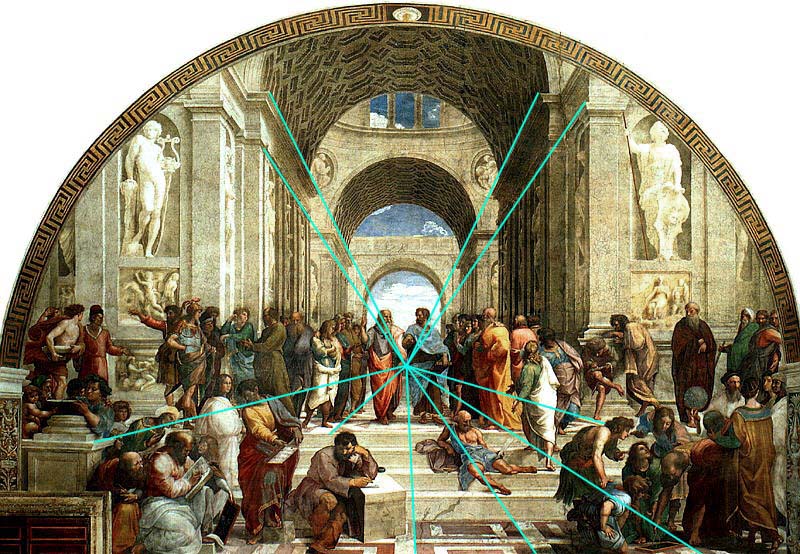
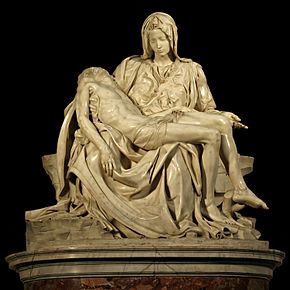

Which three artists were part of the High Renaissance?
Donatello
Leonardo da Vinci
Michelangelo
Raphael

What features of this building show you that it is from the Renaissance?
The posting of the 95 Thesis and its spread through the use of the printing press led to
ALL of the monarchs of Europe declaring their loyalty to the Catholic Church
The start of the Protestant Reformation
people to collect classical works to study them
people beginning to question the teachings of the Catholic Church
According to Martin Luther the only way to receive salvation is through
having the sacraments performed by the church
reading the Bible
giving alms
having faith in Jesus
This enraged Martin Luther and motivated him to write the 95 Theses. It was the sale of pardons from your sins that released you from purgatory were known as
candy
Sacraments
Indulgences
Excommunication
This new protestant belief teaches predestination, which says God has chosen the elect to receive salvation.
Lutheranism
Calvinism
Catholicism
Presbyterian
Which of the following are causes of the Protestant Reformation (multiple answers)
the printing press spreading new protestant ideas
Thriving Cities
Martin Luther posting the 95 Theses
selling of indulgences
Which of the following are the teachings of Martin Luther (multiple answers)
the Bible is the final authority
individuals can read and interpret the Bible for themselves
you should collect and study the classics
you can achieve salvation through faith alone
Who broke away from the Catholic Church and formed their own church with the Act of Supremacy in England and the 95 Theses in Germany (multiple
Martin Luther
Urban II
Henry VIII
John Calvin
This new protestant church formed for purely political reasons. The founder wanted to get a divorce, but the Catholic Church did not approve it.
Martin Luther's Lutheran Church
John Calvin's Calvinist Church
Henry VII's Church of England
John Knox's Presbyterian Church
What was the religious compromise made by Elizabeth I
Switch their religious beliefs back to Catholicism
Established the Anglican Church as the official religion of England
claimed that the “elect” will be saved by predestination
governed the country by laymen called Presbyters
What was an effect of the Protestant Reformation
Both Catholics and Protestants opened schools and promoted education to push their ideologies
The questioning of the church and authority leads many to question other beliefs and led to the Scientific Revolution
The Catholic Church adopted the beliefs of Martin Luther
The Catholic Church clarified its doctrine and became more unified due to the Council of Trent

