
 Worksheets
Water - EXAM
Total questions: 25
Worksheet time: 20mins
When water rises up a thin straw or moves up a tree from the roots to the leaves, it is called _____________.
Capillary Action
Surface Tension
Heat of Vaporization
Density of Water
Very light insects can sit on top of water because of
Water's High Heat of Vaporization
Surface Tension
Water's High Specific Heat
Capillary Action
What property allows water molecules to stick to each other to form drops?
Cohesion
Adhesion
Surface Tension
Capillary Action
When it rains, water will stick to your clothes and get them wet. What property is this an example of?
Cohesion
Adhesion
High Specific Heat Capacity
Surface Tension
What does a water molecule look like? What are the elements that make up the molecule? What charge does each part have?
A water molecule is a circle. It has no charge.
A water molecule has two hydrogen molecules and one oxygen. The oxygen charge is slightly negative while the hydrogens have a slightly positive charge.
Water molecules have a complete negative charge. They are complex and are polar. They also have hydrogen bonding.
Water molecules have two hydrogen and one oxygen. They are atoms with different charges.

What two elements make up water?
Helium and oxygen
Hydrogen and oxygen
helium and carbon

What word describes when water is attracted to OTHER substances like your finger or the table?
cohesion
adhesion
Universal Solvent

Tightness across the surface of water caused by polar water molecules pulling on each other is __.
Surface Tension
Univesal Solvent
Adhesion


What word describes when water molecules stick to each other like magnets?
cohesion
adhesion
surface tension

Water’s ability to travel “up” a paper towel
surface tension
capillary action
polar molecule
Which of the following is an example of COHESION?
water sticking to water
water sticking to glass
oil sticking to plastic
hydrogen sticking to oxygen
Water is polar. What does that mean?
it is a molecule with opposite charges on opposite ends
it is a molecule with no charge
it is a molecule with identical charges on opposite ends
it is a molecule with too many protons
Water sticks well to many materials. What term relates to this property of water?
cohesion
adhesion
density
surface tension

cohesion
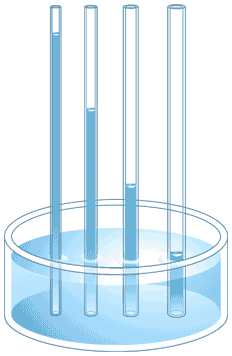
What is the term for water's ability to defy gravity and climb up a tube?
Capillary Action
Specific Heat
Universal Solvent
Magic

Water's cohesive tension on its surface that forms a "film" and causes the belly flop.
Surface adhesion
Surface stickiness
Surface Tension
Cohesion


