
 Worksheets
Energy from Natural Resources
Total questions: 72
Worksheet time: 53mins

inexhaustible

inexhaustible
What are the 3 main fossil fuels?
Coal, Oil, and nuclear fuel
Coal, Oil, and Natural Gas
Electricity, Gas, Petroleum
Coal, Oil, Non-renewable Resources
Which of these is classified as a renewable resource?
Natural gas
Minerals
Plants
Crude oil
A resource that cannot replenish itself is...
Renewable
Non-renewable
Things found in nature and used by living things are ......
nonrenewable resources
natural resources
man made resources
renewable resources
What 2 ways to determine if our use of a natural resource is sustainable or not?
1. How quickly it's used
2. How quickly it's replenished
1. How quickly it's replenished
2. It's impact on Earth
1. How quickly it's used
2. How much we rely on it
1. How quickly it's replenished
2. If it's important to you
The study of how humans interact with the environment
environmental science
biology
ecology
physics

Wind energy is
Inconsistent
Consistent
Uniformly available
Not uniformly available
Oil-rich countries in the Middle East cover about 4% of Earth’s total land area but possess about 48% of the world’s known oil reserves. What is the main reason for the high concentration of reserves in this part of the world?
geological processes
population growth
technology advancements
weather conditions

Soil erosion is the wearing down of soil. This map provides data on the rate of soil erosion in the United States for a given year. What trend does the map show?
Soil erosion rates are high across the United States.
Soil erosion rates are low across the United States.
Soil erosion rates are uniform across the United States.
Soil erosion rates vary across the United States.

The dots on the map represent deep, underground hydrothermal resources in the United States. Why do more hydrothermal resources exist in the western regions of the United States?
Geological processes contributed to the formation of vents in that region
Western states experience more wildfires than eastern states.
The western region has far fewer trees, leading to higher wind production.
Lack of groundwater and extended drought has reduced the number of vents.

A team of conservation scientists worked on the project shown in the image. Why is this project necessary at this location?
Soil erosion rates are high.
Droughts are common.
Deforestation is problematic.
Metal ore is not readily available.

These images were taken from a satellite above western Brazil. Figure 1 shows a Brazilian forest in the year 2000. Figure 2 shows the same area in 2012. The light-colored areas are bare land with few trees. The dark-colored areas are thick forests. Which resource is most affected by the activity in the images?
Natural Gas
Oil
Soil
Wind
What is true about nonrenewable resources?
They are formed by geologic processes.
They are no longer being formed on Earth today.
They are formed more quickly than humans use them.
I am not sure

Clay is a type of soil that is used in art, construction, and as medicine. It is mined from clay deposits in the ground, which typically take thousands of years to form.
Is clay a renewable or nonrenewable resource?
renewable
Nonrenewable
I am not sure
Earth’s natural resources are evenly distributed across the planet.
True
False
I am not sure

Jute is a long, soft fiber that is used to make clothing and other textiles. It is harvested from the jute plant, which takes about four months to grow.
Is jute a renewable or nonrenewable resource?
renewable
nonrenewable
I am not sure
A _______ Resource cannot be replenished in our lifetime
renewable
nonrenewable
natural
manmade
Examples of renewable energy
Wind
Coal
Oil
Solar
Examples of nonrenewable resources
Oil
Petroleum
Natural Gas
Coal
Clean energy is energy that does not release:
pollutants
steam
energy
heat
What type of energy is harnessed from moving water pushing turbines?
solar energy
hydropower
geothermal energy
wind energy
What type of energy comes from heat within the Earth?
hydropower
solar energy
geothermal energy
wind energy
What is energy from plants and animals?
biofuel
solar energy
glucose
geothermal energy
What type of energy is created from splitting atoms to make heat to turn turbines to make electricity?
Nuclear energy
Solar Energy
Geothermal energy
Wind energy
Which of the following is not considered 'clean'?
nuclear energy
solar energy
burning biomass
geothermal energy
What are fossil fuels formed from?
geothermal energy
remains of ancient plants and animals
old plants only
radioactive elements
Which fossil fuel is a liquid formed from the remains of ancient marine organisms?
coal
oil
natural gas
nuclear power
What do you call anything harmful put into our environment?
pollution
petroleum
fossil fuel
greenhouse gas
When wind, water, or gravity transports soil and sediment from one place to another.
Soil Conservation
Desertification
Erosion
Salinization
Burning fossil fuels results in (Choose ALL that apply):
Increased greenhouse effect
Decreased rain pH
Increased rain pH
Sustainable energy
which of the following are renewable resources?
coal, oil, biofuel
trees, animals, water
coal, oil, petroleum
oxygen, soil, fossil fuels
All of the following are renewable energy options except
wind
solar
geothermal
fossil fuels
hydro
Which of the following is a direct effect of recycling?
More water is polluted.
Less coal and gas are used.
Less trash goes into landfills.
More energy comes from power plants.
This natural resource produces oxygen and removes carbon dioxide from the atmosphere.
air
topsoil
trees
water

Why do we need to conserve water?
It is an unlimited resource.
It is a limited resource.
There is a lot of water.
There is no need to conserve water.
there will be an increase in environmental pollution
There will be an increase in nitrogen levels in the atmosphere.
There will be a decrease in water pollution.
There will be an increase in the number of strong hurricanes

The diagram shows the movement of water on Earth.
What part of the water cycle is represented by number 1?
transpiration
infiltration
evaporation
condensation
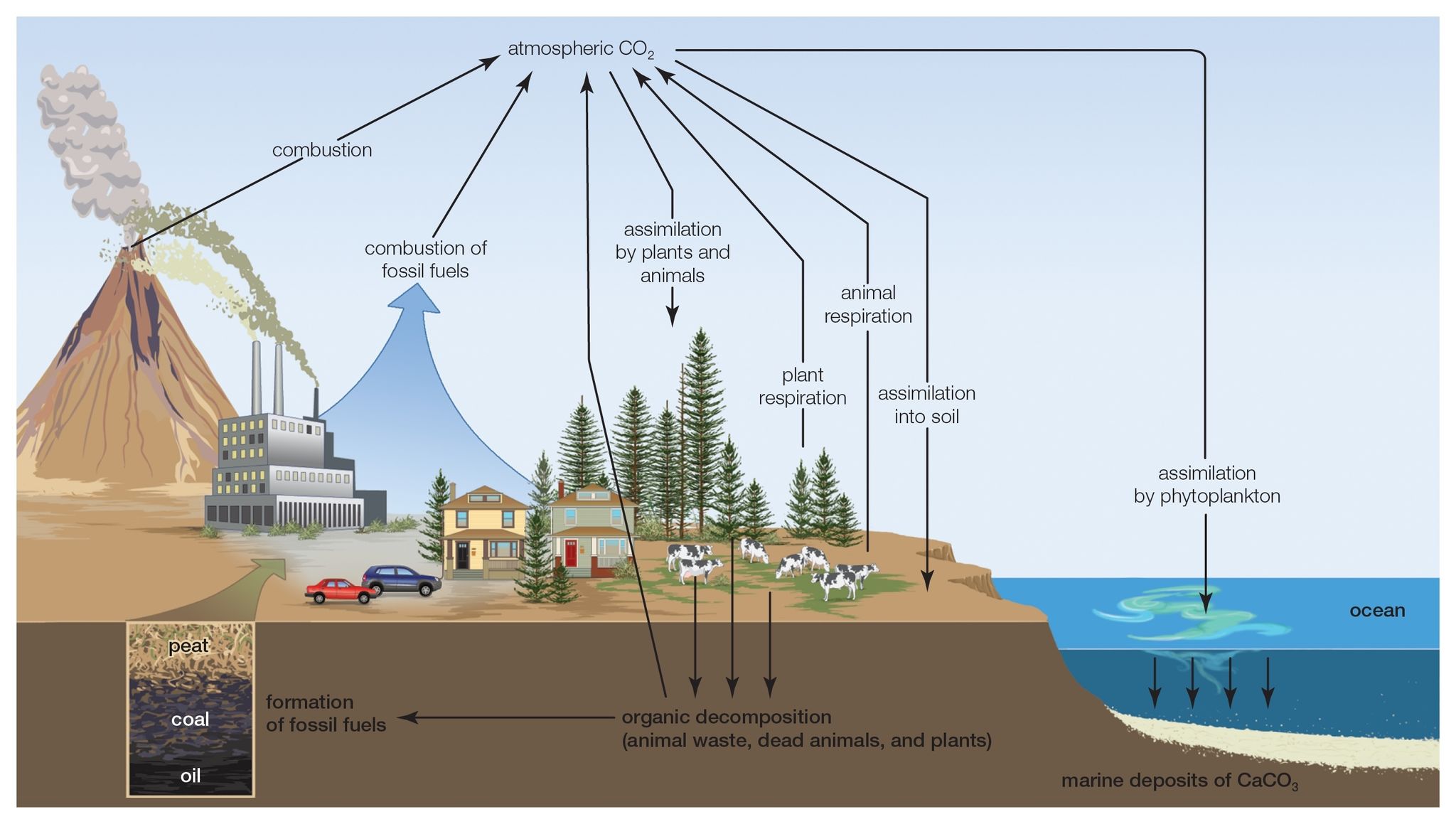
Which of the following is correct?
There is as much carbon on earth as when it was formed
Carbon is being created whenever it is recycled
Carbon is lost every time it is recycled
Carbon changes to different forms and is never recovered
Which one that can improve your sustainable lifestyle?
always buy bottle water
do not want to use public transportation
taking longer showers
recycle and reuse

recycle
to process waste in order to make new material
to use less amount
to NOT process waste
What does RECYCLING mean?
throw away
give things to other people
make new things out of old ones
using things again and again


Carlos uses trees to make paper. He wants his children to also have trees to make paper. How can he make using paper SUSTAINABLE?
recycle the paper when he's done
by planting new trees as he cuts down old trees
By buying paper from other countries
cut ALL the trees to make ALL the paper
Maria has two chickens. What choice is UNSUSTAINABLE?
Eating one chicken tonight
Eating one egg each day
Raising baby chickens
Buying more chickens
In general, it is more SUSTAINABLE to use_________resources.
Renewable
Nonrenewable
Which answer is NOT a sustainable thing you can do right now?

Use a re-usable water bottle

Buy clothes from second-hand stores

Ride your bike instead of driving

Eating a hamburger every day
The process by which wind, water, ice or gravity transport soil, rocks, and sediments from one location to another.
Weathering
Erosion
Deposition
What type of erosion is dominant in places that are dry with small sediment such as deserts, sea shores and semi-arid regions?
wind erosion
water erosion
mass wasting
glacier erosion
Which is a MAJOR cause of acid rain?
spraying pesticides on crops
burning fossil fuels for energy
dumping sewage in rivers
using Nuclear power stations
True or false. Acid rain created in one area can cause problems in other nearby area
true
false
Acid rain has a pH LESS than
6
7
8
3
Acid rain can damage
Drinking water sources
Aquatic (water) life
Architecture / buildings
All options are correct

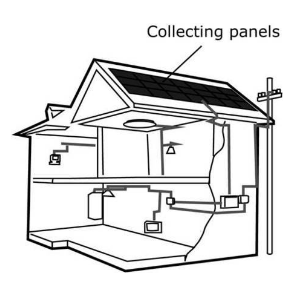
Which alternative energy source does this house use?
can be in all 3 states of matter
is important to all life
is renewed through the water cycle
can evaporate

