
 Worksheets
Types of Chemical Reactions (short version)
Total questions: 21
Worksheet time: 12mins
What reaction has the following general formula:
A + CD --> C + AD
Synthesis
Decomposition
Single Replacement
Double Replacement
Combustion
What reaction has the following general formula:
AB --> A + B
Synthesis
Decomposition
Single Replacement
Double Replacement
Combustion
Identify the following chemical reaction.
Pb + FeSO4 ----> PbSO4 + Fe
Synthesis (or combination)
Decomposition
Single replacement
Double replacement
Identify the following chemical reaction.
3 HBr + 1 Al(OH)3 ----> 3 H2O + 1 AlBr3
Synthesis (or combination)
Decomposition
Single replacement
Double replacement
Identify the following chemical reaction.
2 NaBr + 1 Ca(OH)2 ----> 1 CaBr2 + 2 NaOH
Synthesis (or combination)
Decomposition
Single replacement
Double replacement
Which type of chemical reaction has two or more reactants to make one product?
combustion
single replacement
double replacement
synthesis
decomposition
What reaction has the following general formula:
AB + CD --> CB + AD
Synthesis
Decomposition
Single Replacement
Double Replacement
Combustion
What reaction has the following general formula:
A + B --> AB
Synthesis
Decomposition
Single Replacement
Double Replacement
Combustion
Which chemical reaction always starts with a hydrocarbon that reacts with oxygen and produces carbon dioxide and water?
Decomposition
Synthesis
Combustion
Single Replacement
Which phrase describes what happens to atoms in a chemical reaction?
never lost or gained, just rearranged
sometimes lost, never rearranged
sometimes lost, gained, or rearranged
lost or gained, never rearranged
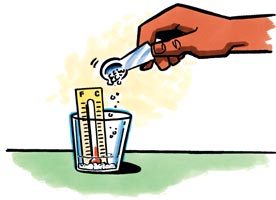
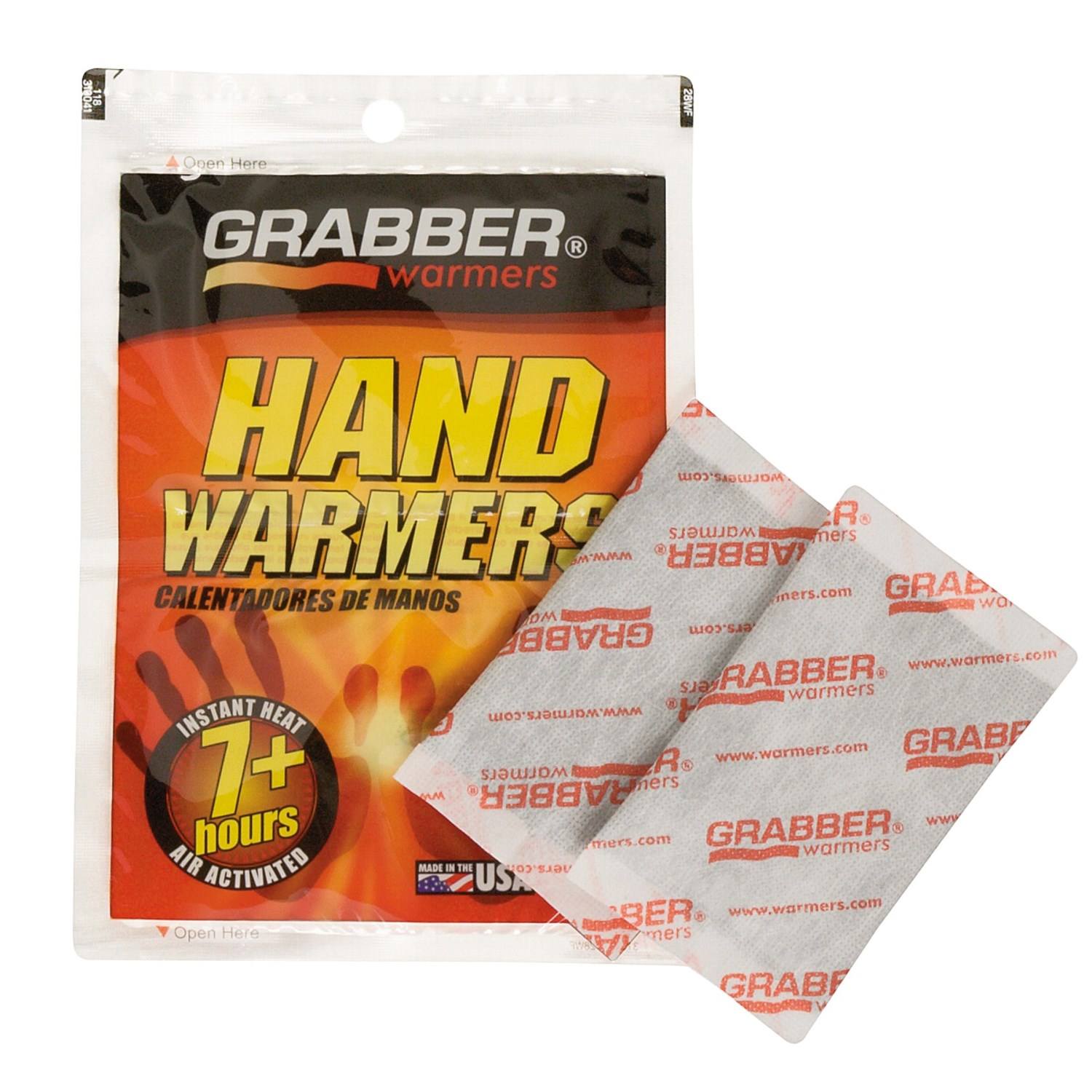
What type of reaction occurs in a hand warmer?
exothermic
endothermic
How does increasing temperature generally affect the rate of a chemical reaction?
It decreases the reaction rate
It increases the reaction rate
It has no effect
It slows down the formation of products
Which of the following explains why an increase in temperature speeds up a reaction?
Molecules move slower and collide less often
There is a decrease in activation energy
Particles move faster and collide more frequently
The reactants change into different products
Why does increasing the concentration of reactants generally speed up a reaction?
It increases the frequency of collisions between molecules
It lowers the activation energy
It changes the products formed
It absorbs more energy
A student grinds a solid reactant into a fine powder before reacting it with a liquid. How will this affect the reaction rate?
The reaction rate will decrease
The reaction rate will increase
The reaction will stop completely
The reaction rate will remain unchanged

This graph shows an
endothermic reaction
exothermic reaction

This graph shows an
endothermic reaction
exothermic reaction

