wayground logo

Free Printable Worksheets

NEW

Font size

S
M
L
XL
Worksheets

Module 2 Review

Total questions: 33

Worksheet time: 57mins

Name
Class
Date
1.
Seismographs detect and record_______ waves
a)
sound
b)
light
c)
seismic
d)
radio
2.
What is the vocabulary word for the movement on the surface of the Earth resulting from underground movement between two plates?
a)
An Earthquake
b)
Shaking Earth
c)
Volcano
3.
What is the outermost layer of the Earth called?
a)
Core
b)
Mantle
c)
Crust
4.
What are the puzzle pieces of the Earth's surface called?
a)
Tectonic plates
b)
Puzzles
c)
Earthquakes
5.
What occurs when two plates move, bump or slide past each other?
a)
An Earthquake
b)
Nothing
c)
Movement
6.

What is a volcano?

a)

A weak spot in Earth’s crust where magma can come to the surface.

b)

A mix of rocks, minerals, gases, and water from the mantle.

c)

Hot semifluid rock that becomes solid rock as it cools off.

d)

A special kind of mountain.

7.

What is magma?

a)

Hot semifluid rock that becomes solid rock as it cools off.

b)

A mix of rocks, minerals, gases, and water from the mantle.

c)

A weak spot in Earth’s crust where magma can come to the surface.

d)

Hardened rock.

8.

What is lava?

a)

A weak spot in Earth’s crust where magma can come to the surface.

b)

A mix of rocks, minerals, gases, and water from the mantle.

c)

Hot semifluid rock that becomes solid rock as it cools off.

d)

A really hot part of the mantle.

9.

What is an active volcano?

a)

A volcano that has erupted at least once in the last 10,000 years.

b)

A volcano that hasn’t erupted in the last 10,000 years, but could still erupt.

c)

A volcano that should never erupt again.
10.

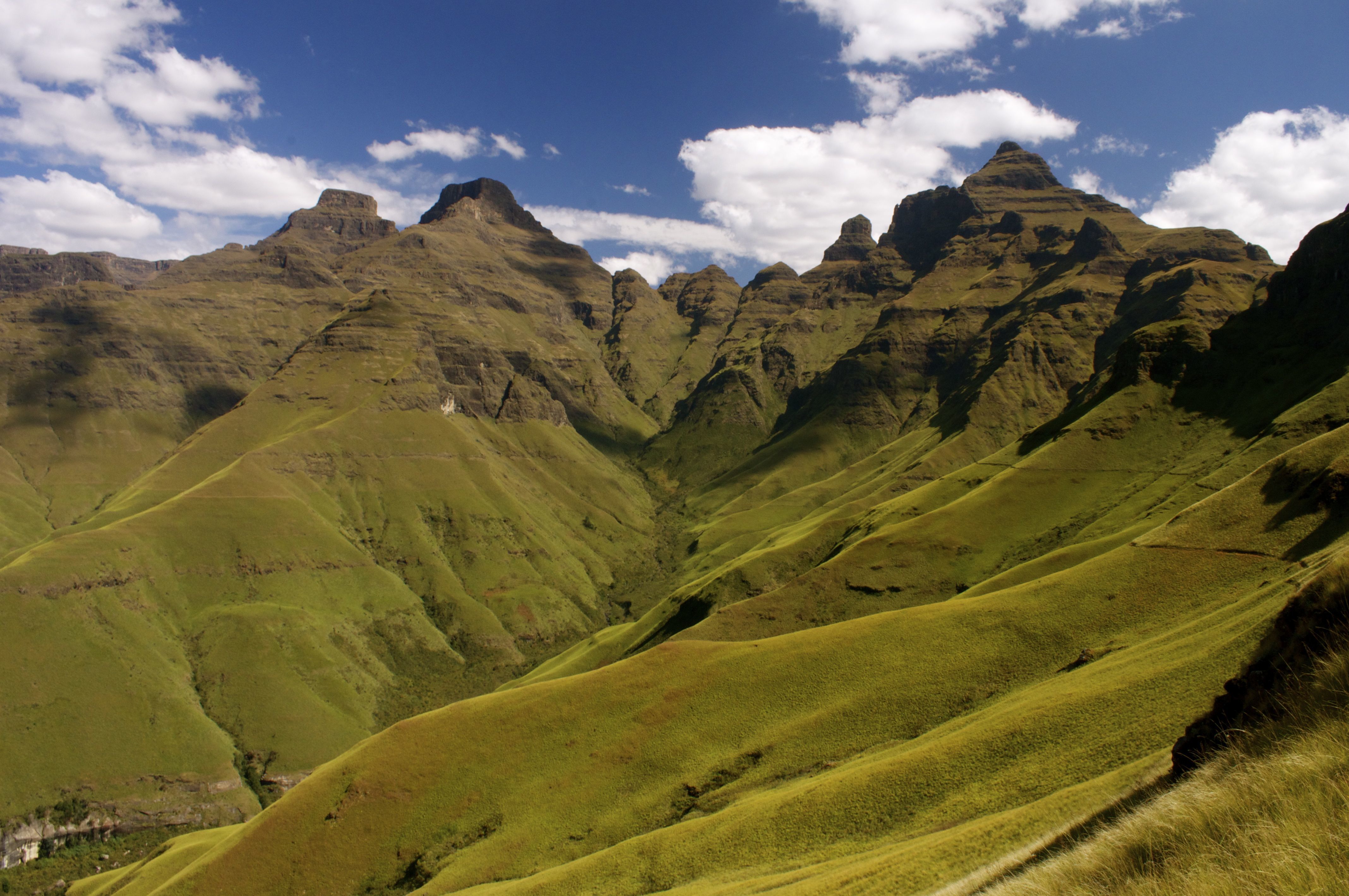
What is an extinct volcano?

a)

A volcano that has erupted at least once in the last 10,000 years.

b)

A volcano that hasn’t erupted in the last 10,000 years, but could still erupt.

c)

A volcano that should never erupt again.

11.
This sphere includes the continents, the ocean floor, all the rocks on the surface, and all of the sand in the deserts. 
a)
Hydrosphere 
b)
Biosphere 
c)
Atmosphere 
d)
Geosphere 
12.
Composed of all the water on or near the earth
a)
Hydrosphere 
b)
Biosphere 
c)
Atmosphere 
d)
Geosphere 
13.
This sphere is composed of all the living things 
a)
Hydrosphere 
b)
Biosphere 
c)
Atmosphere 
d)
Geosphere 
14.
Body of air surrounding our planet. 
a)
Hydrosphere 
b)
Biosphere 
c)
Atmosphere 
d)
Geosphere 
15.
Geo = 
a)
Earth
b)
Sphere
c)
Life
d)
Water
16.
Hydro = 
a)
Sphere
b)
Earth
c)
Life
d)
Water
17.
This is part of the....
a)
Geosphere
b)
Atmosphere
c)
Biosphere
d)
Hydrosphere
18.
This is part of the....
a)
Geosphere
b)
Biosphere
c)
Hydrosphere
d)
Atmosphere
19.

This is part of the....

a)

Geosphere

b)

Atmosphere

c)

Hydrosphere

d)

Biosphere

20.

This is part of the....

a)

Geosphere

b)

Atmosphere

c)

Biosphere

d)

Hydrosphere

21.

This is part of the....

a)

Hydrosphere and Atmosphere

b)

Biosphere

c)

Biosphere and Geosphere

d)

Geosphere & Atmosphere

22.
When volcanoes erupt, dust and ash particles spread through much of the air blocking the sun.  Which two spheres are interacting? 
a)
Hydrosphere and atmosphere 
b)
Geosphere and atmosphere 
c)
Biosphere and atmosphere 
d)
Atmosphere and atmosphere 
23.
When a plants takes carbon dioxide from the air which two spheres are interacting? 
a)
Biosphere and atmosphere 
b)
Geosphere and atmosphere 
c)
Hydrosphere and atmosphere 
d)
Atmosphere and atmosphere 
24.

Which of the following is found in the earths Geosphere

a)

Soil

b)

Rocks

c)

Minerals

d)

All of the Above

25.
Which of these is the largest source of salt water?
a)
Rivers
b)
Lakes
c)
Oceans
d)
Streams
26.

What makes up most of the water on Earth?

a)

Salt water

b)

Fresh water

27.

Freshwater makes up how much of the Earth's water supply?

a)

97%

b)

75%

c)

25%

d)

3%

28.

Saltwater makes up how much of the Earth's water supply?

a)

97%

b)

75%

c)

25%

d)

3%

29.
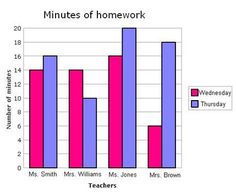
Which day had more minutes of homework?
a)
Wednesday
b)
Thursday
c)
Friday
d)
Ms. Jones
30.
How many students take the bus to school?
a)
35
b)
20
c)
10
d)
15
31.
The graph below shows the number of sunny days and rainy days in a city during four months.

Based on the graph,how many more sunny days than rainy days did this city have during the months of April, May, and June?
a)
21
b)
56
c)
26
d)
20
32.

Volcanoes and earthquakes tend to occur near what?

a)

mountains

b)

islands

c)

plate boundaries

d)

fault lines

33.

Earthquakes can cause damage to buildings built by humans. At the present time, the solution that science can provide to this problem is that humans can–

a)

design buildings that will be damaged less by an earthquake

b)

stop an earthquake from happening before it occurs

c)

reduce the strength of the very strongest earthquakes

d)

predict the exact time and location of all earthquakes