
Font size
 Worksheets
CUA Unit 4 Review (Complete at least 3 Times!)
Total questions: 123
Worksheet time: 2hrs 43mins

During the moon phases shown in the image Earth will experience a -
Spring Tide
Neap Tide

During the moon phases shown in the image Earth will experience a -
Spring Tide
Neap Tide

During the moon phase shown in the image Earth will experience a -
Spring Tide
Neap Tide

During the moon phase shown in the image Earth will experience a -
Spring Tide
Neap Tide

During the moon phase shown in the image Earth will experience a -
Spring Tide
Neap Tide

During the moon phase shown in the image Earth will experience a -
Spring Tide
Neap Tide
During which moon phases will Earth experience the strongest, or greatest difference between high and low tides?
First Quarter and Full Moon
First Quarter and Last Quarter
New Moon and Full Moon
New Moon and Last Quarter
During which moon phases will Earth experience the weakest, or least difference between high and low tides?
First Quarter and Full Moon
First Quarter and Last Quarter
New Moon and Full Moon
New Moon and Last Quarter
Neap tides occur when the Earth, Sun and Moon are
At a 90 degree angle
In a straight line
Spring tides occur when the Earth, Sun and Moon are
At a 90 degree angle
In a straight line
Which diagram shows the arrangement of the Earth, Sun and Moon during a Neap Tide?


Which diagram shows the arrangement of the Earth, Sun and Moon during a Spring Tide?


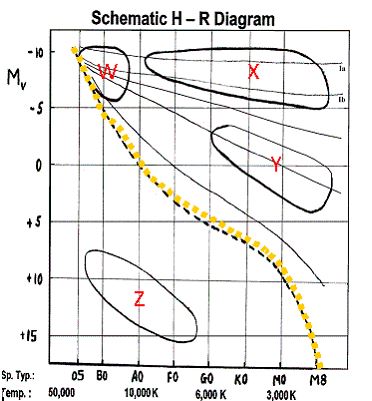


Stars produce light and heat through (a) fusion. In this process, two lighter elements are combined with extreme force to produce a heavier atom.

Stars are composed of which two elements?
hydrogen and helium
hydrogen and oxygen
helium and oxygen
iron and zinc
The _________ _____________ ____________ is the most current and widely accepted scientific theory for the formation of the universe.
Big Bang Theory
Theory of Evolution
Kinetic Theory of Gases
Theory of Relativity
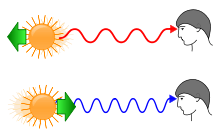
Which of the following indicates galaxies and stars are moving away from each other?
red shift
blue shift
green shift
Which of the following indicates galaxies and stars are moving closer to each other?
red shift
blue shift
green shift
True or False:
The elements that a star is made of can be determined using the color and wavelengths that the star gives off.
True
False
True or False:
Doppler shift can be used as evidence for the expansion of the universe.
True
False
The _______ is composed of everything in existence, including planets, solar systems, and galaxies.
Galaxy
Universe
Solar System
Planet
A group of celestial bodies that includes a central star and all of the objects held in orbit around it...
Galaxy
Universe
Solar System
Planet
A massive, gravitationally-bound system of stars, dust, gas, and other objects...
Galaxy
Universe
Solar System
Planet
The fundamental force of attraction that all objects with mass exert on each other...
nuclear fusion
big bang theory
Doppler effect
gravity
A change in wavelength caused by the movement of an object away or toward an observer...
nuclear fusion
big bang theory
Doppler effect
gravity
The theory proposing that the universe began as an extremely hot and dense body of matter that expanded rapidly afterward to form the known universe...
nuclear fusion
big bang theory
Doppler effect
gravity

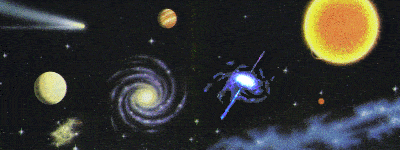
Which description is considered most accurate regarding what actually happened during the Big Bang?
Two galaxies collided causing an immense explosion as stars crashed into one another
All of what would become the universe was concentrated in a single small point, or singularity, which rapidly expanded into what is now stars, planets, galaxies, matter, and energy.
All matter emerged from a massive black hole at the center of the universe.
Parts of the sun were ripped off by massive internal explosions and were thrown into space where they cooled to become other things, like plants, comets, and other galaxies.
What instrument has allowed us to look deep into space to observe things far away that give us hints to the past?
The Hubble telescope
The Eiffel Tower
Binkley's barometer
The Smith Space Balloon
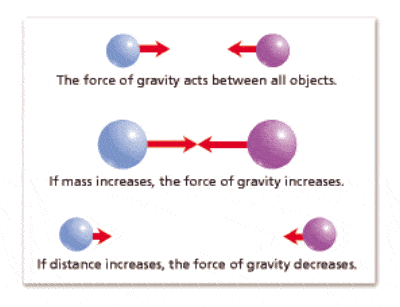
Two factors effecting the strength of gravity between 2 objects are...
weight and mass
distance and weight
mass and matter
mass and distance
A(n) _____ is the curved path of an object around a point/object in space.
orbit
rotation
revolution
phase
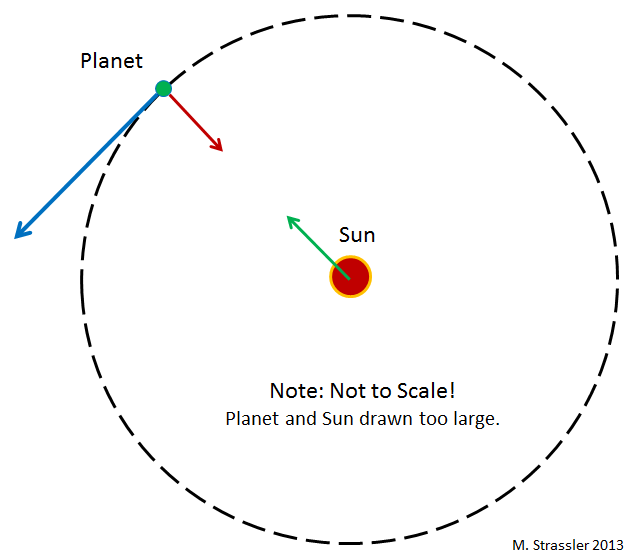
What prevents planets from drifting off into space and keeps it in the planets in our Solar System?
Gravity
Weight
Friction
Forward Motion
What prevents planets from pulled into and crash into the Sun?
Gravity
Weight
Friction
Inertia (Forward Motion)
Which of the following is required for planets to stay in orbit around the Sun? (choose all that apply)
Gravity
Weight
Friction
Inertia (Forward Motion)
What is true about the distance between a planet and the sun and the planet’s revolution around the Sun?
The closer the planet is to the sun, the slower it orbits.
The farther the planet is to the sun, the faster it orbits.
The farther the planet is to the sun, the brighter the sun is.
The closer the planet is to the sun, the faster it orbits.
A planet with a large orbit has...
a short day
a long day
a long year
a short year
A planet with a short orbit has...
a short day
a long day
a long year
a short year
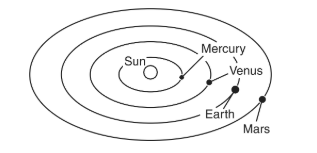
Which planet will take the least amount of time to revolve around the Sun?
Mercury
Venus
Earth
Mars
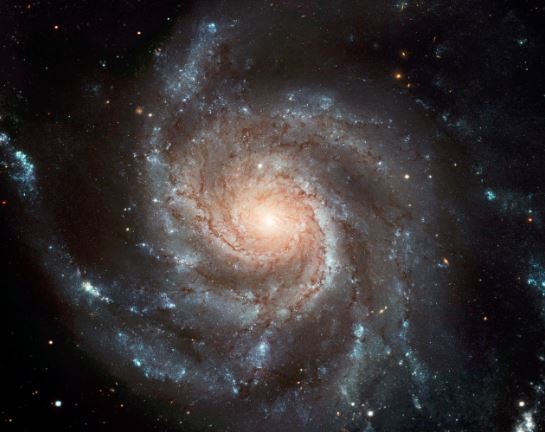
Without gravity, the stars, planets and all objects in the universe would _______.
continue to orbit each other
move in a random direction
move in a straight line
stop moving
What would happen to Earth if the Sun's gravity dissappeared?
Earth would continue to orbit in our Solar System normally.
Earth would sit motionless and not moving.
Earth would drift off in space because nothing would hold it in the Solar System.
Earth would move toward the Sun and eventually crash into it.
What would happen to Earth if its forward motion stopped?
Earth would continue to orbit in our Solar System normally.
Earth would sit motionless and not moving.
Earth would drift off in space because nothing would hold it in the Solar System.
Earth would move toward the Sun and eventually crash into it.
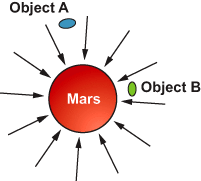
Here is a model of the gravitational force of Mars. Objects A and B have the same mass but are different distances from Mars. Which statement explains how the gravitational force affects the two objects?
Object A and B will be affected equally by the gravitational force.
Object B will be more affected by the gravitational force because it is closer to Mars than Object A.
Object A will be more affected by the gravitational force because it is farther from Mars than Object B.
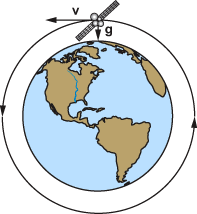
The satellite is orbiting Earth in the direction shown and is pulled toward Earth by gravity. What would happen if Earth's gravity suddenly disappeared?
The satellite would fall to Earth.
The satellite would stop moving.
The satellite would continue to orbit Earth.
The satellite would move into space in a straight line.
Observe the path of Voyager 2 satellite . Why did the route of Voyager 2 change, without firing its thrusters, as it passed Jupiter?
Gravitational force between Jupiter and Voyager 2 pulled it into a new route.
Solar winds pushed Voyager 2 into a new path.
Jupiter blocked the sun’s gravitational pull on Voyager 2.
The gravity of Jupiter caused Voyager 2 to become its satellite.
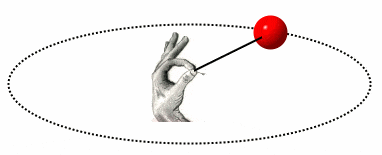
Do planets affect the sun? Why?
No. The Sun pulls on the planets and keep them in orbit.
Yes. Sun pulls on planets; planets pull on Sun.
How does changing the distance between objects affect the force of gravity?
Decreasing distance increases gravity
Increasing distance increases gravity
Mr. Deem knows, but he's not telling
Distance does not affect gravity
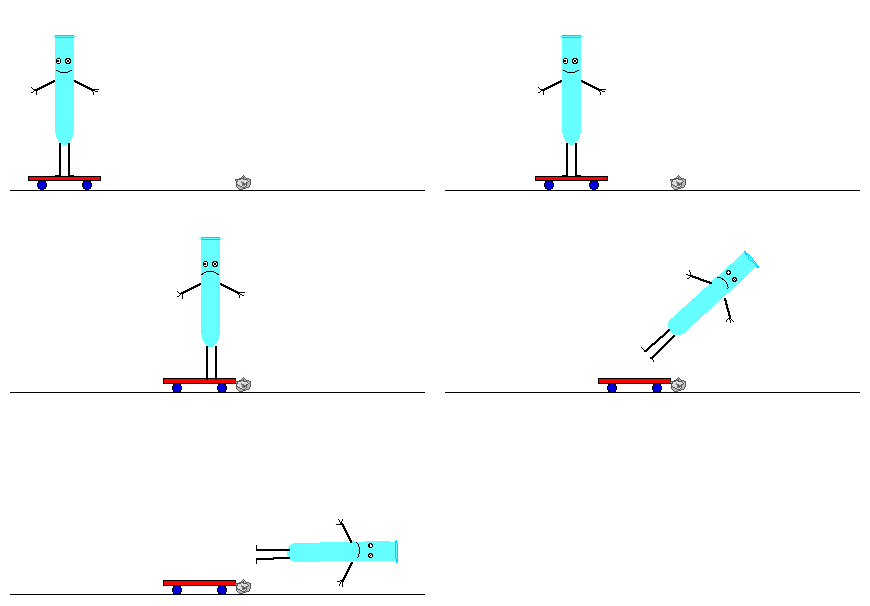
Match the term: The tendency of an object to resist a change in its motion
acceleration
inertia
mass
frame of reference
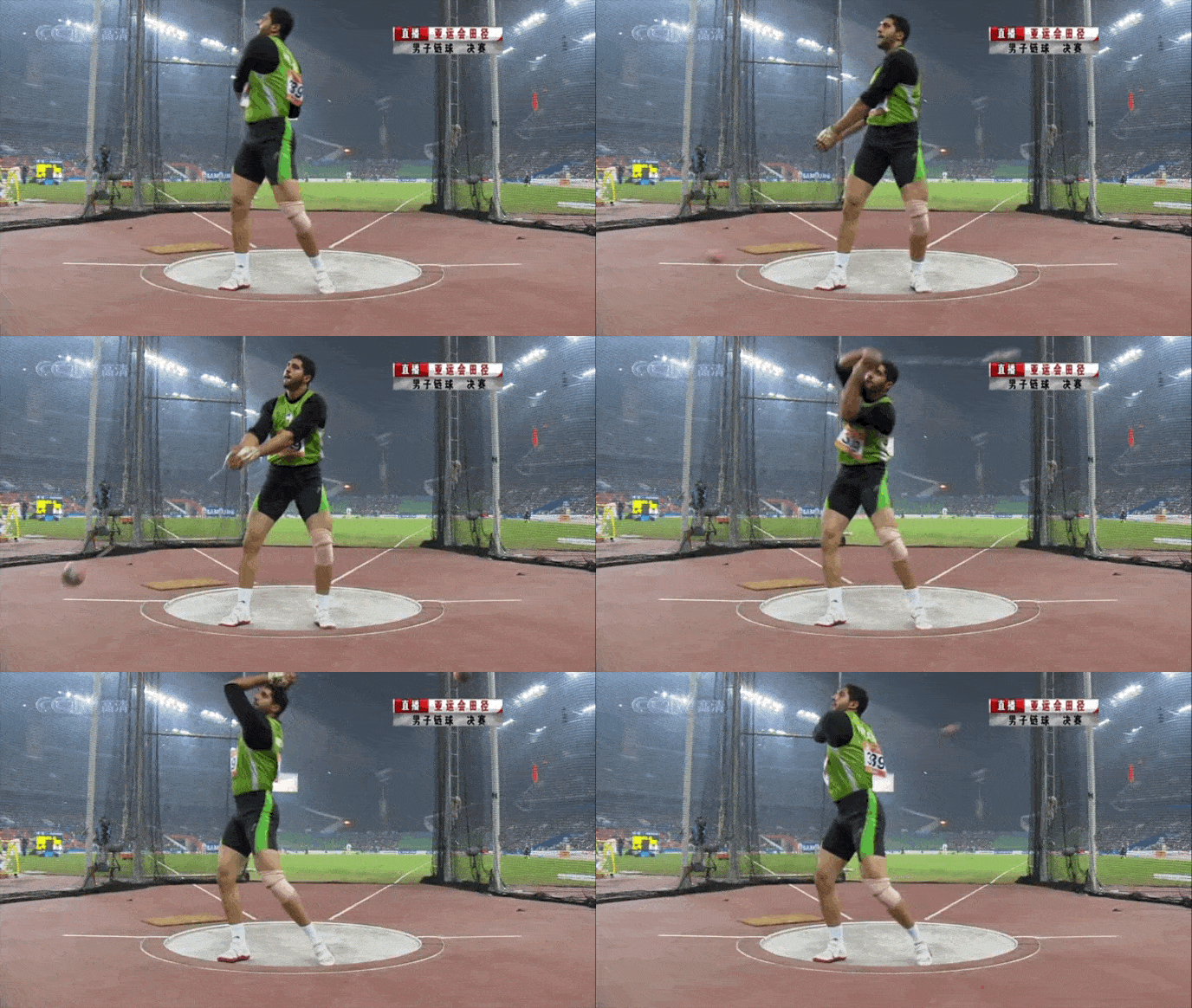
Suppose that this person left go of the chain. As soon as he releases the chain the balls inertia would....
make the ball immediately stop and fall straight to the ground.
keep the ball moving in a circle around him.
result in the ball flying off in a straight line away from the person.
either a, b, or c -- depending on whether the person continues to push it
Which of the following best describes the formation of the solar system?
The sun ejected rocky material which later went on to form the planets.
A rotating disk of gas and dust was drawn together by the force of gravity.
One very large planetary body broke apart into several smaller planets.
Several stars of different masses cooled and formed the planets and the sun.
As distance between objects increases, the pull of gravity...
increases
decreases
Stays the same
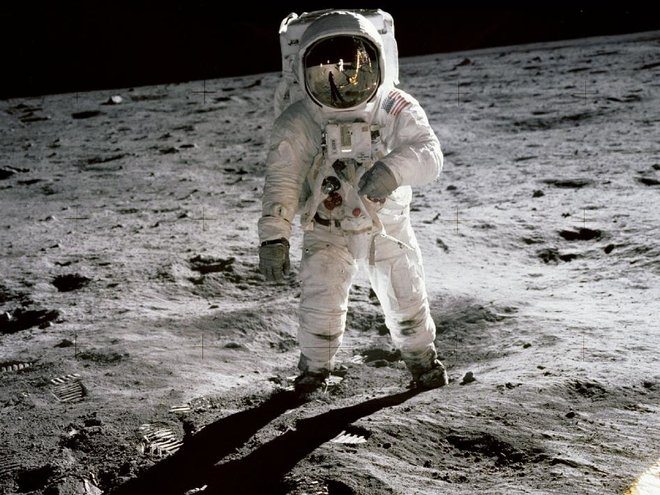
You travel to the Moon. Which of the following is true? (choose ALL that are true)
Your mass stays the same
Your weight stays the same
Your mass is different
Your weight is different
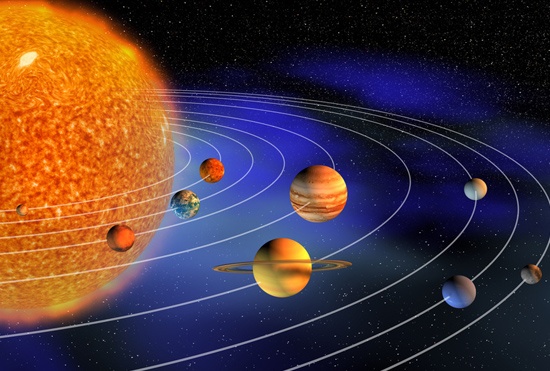
What is weight?
how much fat is on your body
how strong you are
how strongly your body is being pulled down by gravity
when you have to stand in line
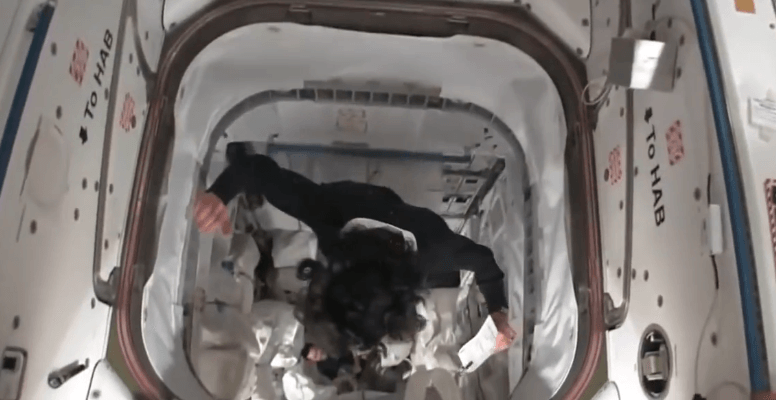
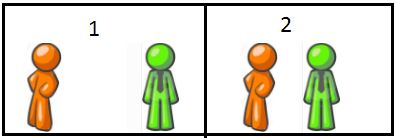
More mass equals:
less gravity
less distance
more gravity
more distance
Less mass equals:
less gravity
less distance
more gravity
more distance
A person's mass on Earth would be __________ when they go to the moon.
More
Less
The same
A person's weight on Earth will be ____________ compared to when they travel to the moon.
More
Lrss
The same
Objects weigh less on the moon than they do on Earth because the moon has less ___________.
mass
gravity
nass and gravity

Based on these spectra, which Galaxy is moving at the fastest speed away from the Milky Way?
Según estos espectros, ¿qué galaxia se está alejando a mayor velocidad de la Vía Láctea?
Galaxy B
Galaxy C
Galaxy D

The absorption lines in the spectrum for Galaxy A are _____ when compared to the lines for the Milky Way.
Las líneas de absorción en el espectro de la Galaxia A son _____ en comparación con las líneas de la Vía Láctea.
red-shifted
blue-shifted

The absorption lines in the spectrum for Galaxy B are _____ when compared to the lines for the Milky Way.
Las líneas de absorción en el espectro de la Galaxia B son _____ en comparación con las líneas de la Vía Láctea.
red-shifted
blue-shifted

What happens to the frequency of light waves emitted from a star as the star moves away from us?
¿Qué sucede con la frecuencia de las ondas de luz emitidas por una estrella cuando la estrella se aleja de nosotros?
frequency increases
frequency decreases
What happens to the frequency of light waves emitted from a star as the star moves toward us?
¿Qué sucede con la frecuencia de las ondas de luz emitidas por una estrella cuando la estrella se mueve hacia nosotros?
frequency increases
frequency decreases
An object moving toward us will appear more ____.
Un objeto que se mueva hacia nosotros aparecerá más ____.
red
blue

The spectral lines for the Distant Galaxy are ___, indicating it is moving ___ us.
Las líneas espectrales de la galaxia distante son ___, lo que indica que se mueve ___ hacia nosotros.
red-shifted, toward
red-shifted, away from
blue-shifted, toward
blue-shifted, away from
The spectral lines for the Galaxy in the Local Group are ___, indicating it is moving ___ us.
Las líneas espectrales de la Galaxia en el Grupo Local son ___, lo que indica que se mueve ___ hacia nosotros.
red-shifted, toward
red-shifted, away from
blue-shifted, toward
blue-shifted, away from

A theory that says the universe began as a small point that expanded rapidly about 13.7 billion years ago.
Big Bang Theory
Singularity Theory
Galaxy Theory

Light can change color due to the Doppler Effect.
True
False
A collection of stars and gas
Variable Star
Galaxy
RR Lyrae Variable

What spiral galaxy do we live in?
Andromeda Galaxy
Dwarf Galaxy Saggitarius
Milky Way Galaxy
Snickers Galaxy
Which type of space tool collects visible light and separates it into bands of color?
spectroscope
telescope
Seismograph
Space probe

The first major optical space telescope to be put into space was the
Hubble Telescope
Mir
James Webb Space Telescope
Voyager

Unmanned space vehicles that take instruments into space to collect data are called
Satellite
Space Shuttle
Rocket
Space Probe

A telescope that uses a curved mirror to gather and focus light from distant objects is called a ____________
reflecting telescope
refracting telescope
spectroscope
optical looking device
All of the following are benefits of unmanned space crafts EXCEPT
instruments can be sent to places humans cannot go
not required to carry luggage (oxygen, water, food)
it can overcome any harsh atmospheric conditions
Analysis time is delayed

_______are daily changes in ocean water.
Waters
Tides
Colors
Earths

The difference in gravitational force is called _________.
Tidal Force
Fun Tides
Tidal waters
Ocean Force

The combined gravitational forces between the sun, moon, and earth result in different ______ _______.
ocean waves
tidal ranges
sea level
sun rays

The _____ _____ is the difference between the levels of ocean water at high tides and low tides. That range depends on the sun-Earth-moon;s position.
ocean waves
mountain level
sea level
tidal range

