wayground logo

Free Printable Worksheets

Font size

S
M
L
XL
Worksheets

FINAL Chemistry REVIEW 12/13/22

Total questions: 228

Worksheet time: 19hrs 0mins

Name
Class
Date
1.

Which of the following is a data table?

a)
b)
c)
2.

Which data below matches the data presented in the graph?

a)

Jan 4 cm

Mar 5 cm

May 14 cm

b)

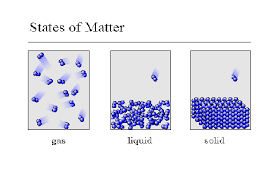
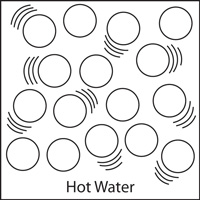
Jan 4 cm

Mar 5 cm

May 13 cm

c)

Jan 5 cm

Mar 6 cm

May 14 cm

d)

Jan 4 cm

Mar 5 cm

May 5 cm

3.

Examine the line graph below. If the population of Centerville continues to increase at the same rate, what will the population be in the year 2010?

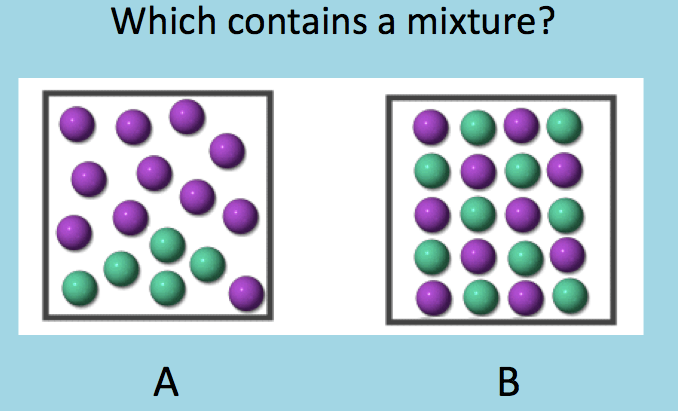
a)

16,000 people

b)

6500 people

c)

9500 people

d)

8000 people

4.

Joseph counted all of the different trees in the woods near his house. He made a graph showing his results. Which of the following conclusions can Joseph draw from his graph?

a)

There are more elms than oaks in the woods near his house.

b)

Cedars are the tallest trees in the woods near his house.

c)

There are 95 trees in the woods near his house.

d)

Maple trees are not able to grow in the woods near his house.

5.

Examine the graph. Which variable is the dependent variable?

a)

population (in thousands)

b)

year

6.

What is the best definition of a conclusion?

a)

a written description of events that occurred during an experiment

b)

an act of recognizing and noting an occurrence by using the senses

c)

a possible explanation of a scientific question based on observation

d)

an explanation that uses data to support or reject a hypothesis

7.

The one factor that a scientist changes during an experiment.

a)

Controlled Variable

b)

Dependent Variable

c)

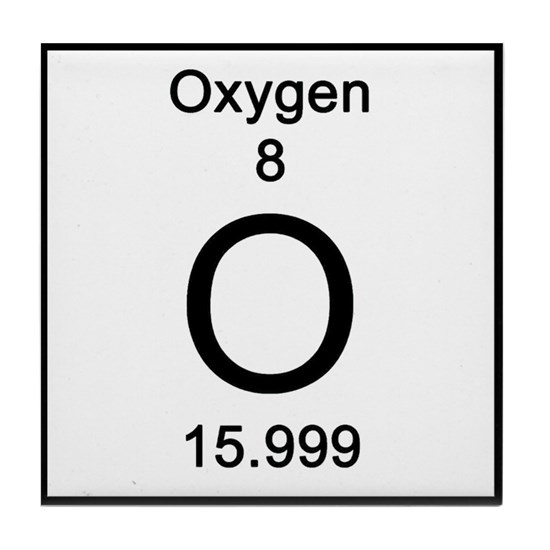
Independent Variable

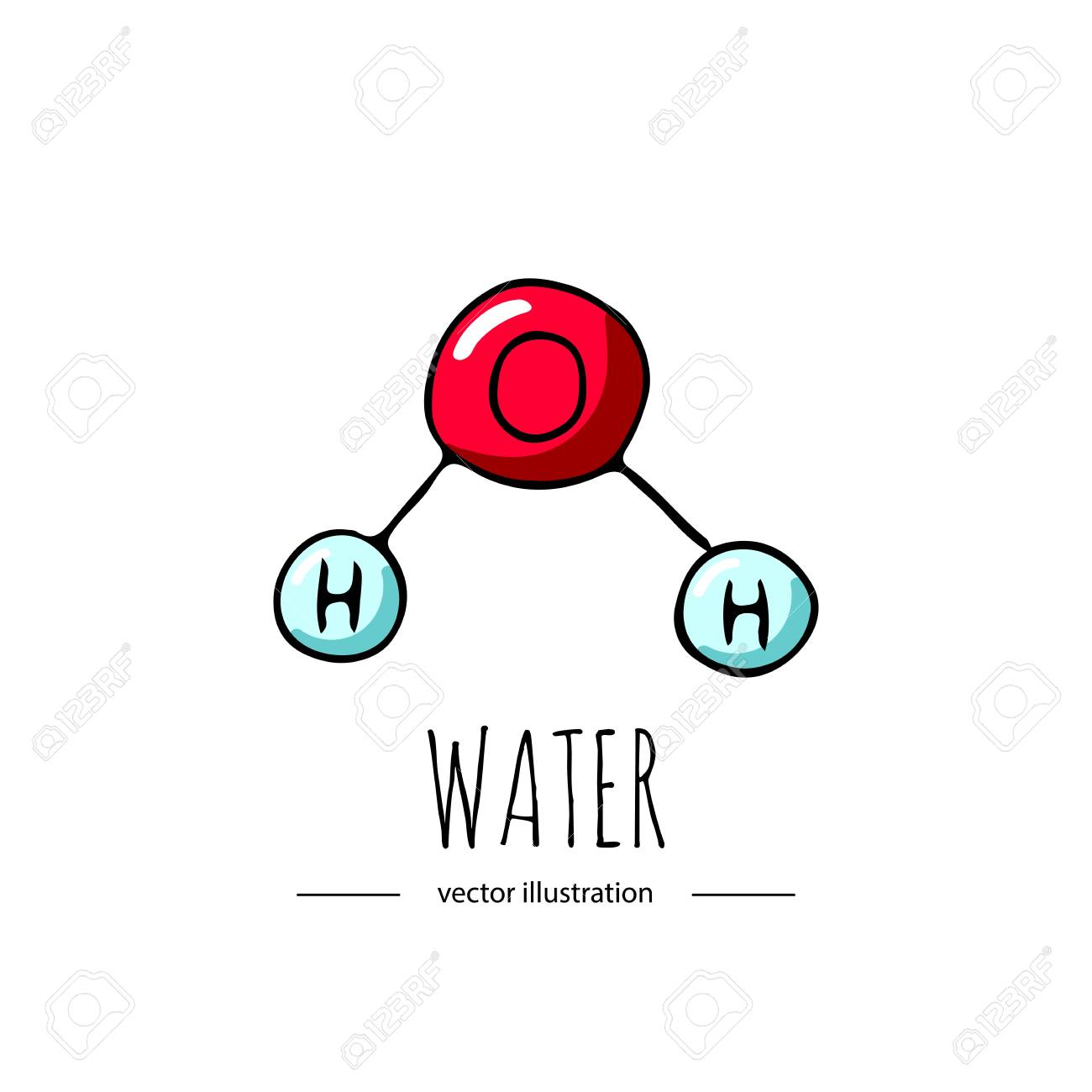
8.

The variable that is measured.

a)

Controlled Variable

b)

Dependent Variable

c)

Independent Variable

9.

The factors that stay the same or are constant throughout the experiment.

a)

Controlled Variable

b)

Dependent Variable

c)

Independent Variable

10.
Walker is testing which fertilizer will grow the tallest grass.  The height of the grown grass is the __ variable.
a)
constant (same)
b)
independent (changes)
c)
dependent (measured)
11.
Khaleel is testing how the use of stress balls during testing affects a student's test score.  The students' average test scores who used the stress balls is the __ variable.
a)
dependent (measured)
b)
constant (same)
c)
independent (changes)
12.

Using the information in the chart, what could you infer about the about of Arctic Sea Ice coverage in May of 2020

a)

It will continue to be lower than average.

b)

It will be higher than 2019

c)

It will be back to the median between 1981 and 2010

d)

It will be higher than the 1981-2010 median.

13.
A scientist performs an experiment to see if acids have an effect on the health of a particular type of plant. Three sets of plants were treated with acidic solutions of known pH while the control set was treated with a solution of neutral pH 7.Which is the best conclusion for this experiment?
a)
Acid has no effect on the health of this type of plant.
b)
B. High acidity is helpful to this type of plant.
c)
C. Low acidity is harmful to this type of plant.
d)
High acidity is harmful to this type of plant.
14.
The graph below shows atmospheric carbon dioxide levels since the year 1880.Which of the following conclusions can be drawn from this graph
a)
 Atmospheric carbon dioxide levels are responsible for global temperature change.
b)
 Atmospheric carbon dioxide levels have been rising at about the same rate for the past century.
c)
Atmospheric carbon dioxide levels have remained the same over the past century.
d)
 Atmospheric carbon dioxide levels have been rising at an increasingly higher rate as the past century has progressed.
15.
A research group has discovered that damselflies, a type of dragonfly, are being infected by a particular type of aquatic protozoan. Both young and adult damselflies are not directly infected by the protozoan but contract the infection from the prey they eat. The graph shows the percentage of adult damselflies infected by protozoans during the summer and early fal
a)
Infection in embanked ponds increased during the sampling period.
b)
Protozoans were more common in creek-fed ponds than embanked ponds.
c)
Protozoans reproduce more quickly in embanked ponds than creek-fed ponds.
d)
Infection in creed-fed ponds remained constant throughout the sampling period.
16.
In an investigation into the uptake of a protein by cells, scientists immersed two cell types in solutions of this protein. The investigation was carried out at two different temperatures and the percentage of the protein taken up by the two cell types was recorded over 10 minutes. The data was presented in a table, as shown above. Which one of the following conclusions is supported by the data?
a)
The rate of uptake of this protein at 25 °C is not affected by cell type.
b)
The percentage of this protein taken up by Cell type 1 is not affected by temperature.
c)
The rate of uptake of this protein by Cell type 2 is faster at 37 °C than at 25 °C.
d)
If the experiment continued for another 10 minutes, the percentage of this protein taken up by Cell type 1 would increase.
17.
What is the general order of the steps of the scientific methods:
a)
question, experiment, hypothesis, analyze, results, conclusion, communicate results.
b)
question, hypothesis, experiment, analyze results, conclusion, communicate results
c)
question, hypothesis, experiment, analyze results, communicate results, conclusion
d)
all of the above
18.

Sally placed a thermometer in a cup of water. She recorded the temperature every five minutes.

What is the best claim based on this data?

a)

A. The water gained heat.

b)

B. The water lost heat.

c)

C. The water lost mass.

d)

D. The water gained cold.

19.

In the graph to the right, what is the population of deer at the carrying capacity of the environment?

a)

3

b)

7

c)

70

d)

40

20.

According to the graph shown, what effect did the brown tree snake have on the birds in Guam?

a)

The snakes had no effect on the bird populations.

b)

The snakes caused a decline in the number of bird populations.

c)

The snakes formed a mutualistic relationship with the birds.

d)

The snakes caused an increase in the number of bird populations.

21.
A scientist collected the following data on algal growth during an experiment:
Which of the following conclusions could be drawn from the data? 
a)
Algae multiply most rapidly at 35°C.
b)
Algae multiply most slowly at 20°C.
c)
Algae multiply most slowly at 10°C.
d)
Algae multiply most rapidly at 20°C.
22.
What is this graph showing you?
a)
The worlds population is staying the same.
b)
The worlds population is going down (decreasing).
c)
The worlds population was growing but now is decreasing.
d)
The worlds population has been growing and will continue to grow. 
23.
When experimenting with the growth of a plant, a scientist uses three (of the same type of) plants, two different fertilizers, equal light, and equal water. What type of variable is the fertilizer?
a)
Dependent
b)
Independent
c)
Control
d)
Constant
24.

The scientific method can best be described as

a)

data recorded as measurements

b)

a logical explanation to a question or situation based on past knowledge and experience

c)

cyclical process including asking questions, making inferences, developing hypotheses, gathering data and drawing conclusions that leads to additional questions

d)

analysis of data that will support, fail to support or contradict a hypothesis

25.

A student wants to conduct an experiment to test the effects of different colors of light on the growth of aquatic plants. She will use red, blue, green and purple lights in different aquariums and will measure the growth of the aquatic plant Elodea over 6 weeks. Which of the following is true about the experiment?

a)

The different colors of the lights is the dependent variable

b)

The growth of the Elodea is the dependent variable.

c)

The different colors of the lights is the controlled variable.

d)

Both the different colors of the lights and the growth of the Elodea are controlled variables
26.
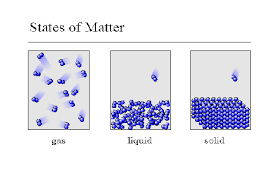
At higher temperatures
a)
particles in an object have less energy
b)
particles in an object move faster
c)
a gas contracts
27.
A gas
a)
has a definite shape but no definite volume
b)
has a definite volume but no definite shape
c)
has fast-moving particles
28.
Particles (molecules) in a ______________________ have more energy than the other states of matter.
a)
gas
b)
solid
c)
liquid
29.
The speed of the molecules determines the _____.
a)
volume
b)
density
c)
pressure
d)
temperature
30.

Particles of a liquid

a)

are tightly packed together and stay in a fixed position.

b)

are free to move around one another but still touch.

31.

Solid to Gas

a)

Deposition

b)

Sublimation

c)

Evaporation

32.
What is matter?
a)
Anything that has mass and volume
b)
The shape of an object
c)
How much an object weighs
d)
The pull of objects on one another
33.
Volume is.....
a)
the weight of an object
b)
the gravity of an object
c)
how much space an object takes up
d)
measured with a balance scale
34.
Which state of matter has a definite shape?
a)
Gas
b)
Solid
c)
Liquid
d)
Plasma
35.

Sally placed a thermometer in a cup of water. She recorded the temperature every five minutes.

What is the best claim based on this data?

a)

A. The water gained heat.

b)

B. The water lost heat.

c)

C. The water lost mass.

d)

D. The water gained cold.

36.
Which types of particles have the strongest attractive forces between them?
a)
solids
b)
liquids
c)
gases
37.

This explains the behavior of solids, liquids and gases and is based on the concept that particles of matter are always in motion.

a)

ideal gas law

b)

atomic theory

c)

kinetic molecular theory

d)

Newton's 1st Law of Motion

38.

Which contains only elements?

a)

A

b)

B

c)

C

d)

D

39.

Which contains a mixture? (Choose all)

a)

A

b)

B

40.

Which is a heterogeneous mixture? (Choose all)

a)

1

b)

2

c)

3

d)

4

41.
A mixture that appears to be evenly mixed throughout:
a)
an atom
b)
a compound
c)
a homogeneous mixture
d)
a heterogeneous mixture
42.
A pure substance...
a)
is an element or a compound
b)
is an element or a mixture
c)
is a compound or a mixture
d)
is a mixture
43.
DIFFERENT kinds of atoms chemically combined to form a substance are
a)
Mixture
b)
Element
c)
Compound
d)
Substance
44.
You are eating a pizza. What type of mixture are you consuming?
a)
homogeneous
b)
heterogeneous
c)
pure substance
d)
The Periodic Table
45.
Salt is a(n)
a)
element
b)
compound
c)
mixture
46.
Which of the following is an element?
a)
Sugar
b)
Salt
c)
Water
d)
Oxygen
47.
Of these mixtures, which one is a solution?
a)
A
b)
B
c)
C
d)
D
48.
A pure substance that cannot be broken down into other substances by chemical or physical means. 
a)
compound          
b)
atom
c)
mixture 
d)
element
49.
Boron
a)
Bo
b)
B
c)
BO
d)
Bn
50.
Zinc
a)
Zc
b)
Zi
c)
Zk
d)
Zn
51.
Hydrogen
a)
H
b)
Hy
c)
Hi
d)
HH
52.

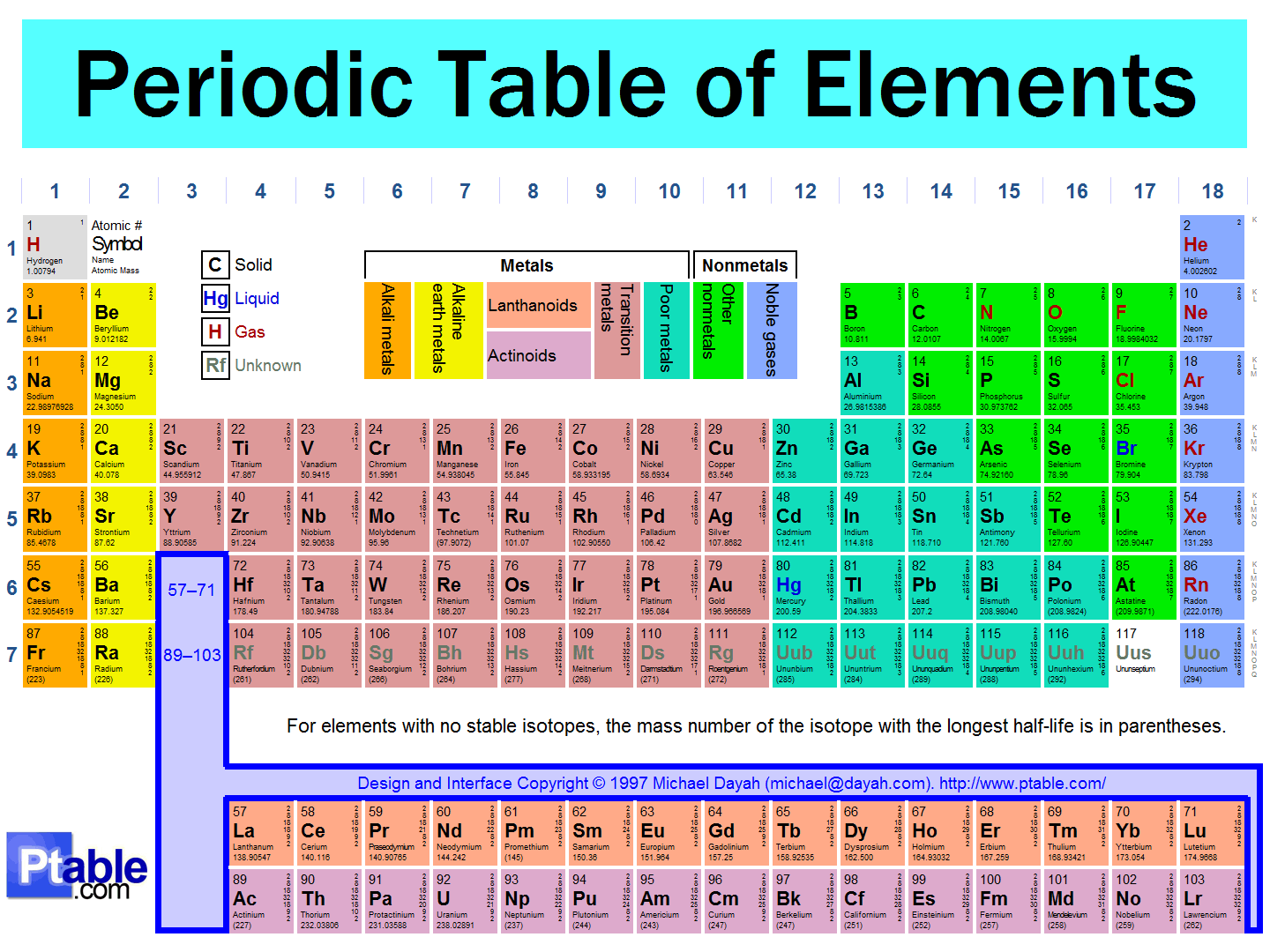
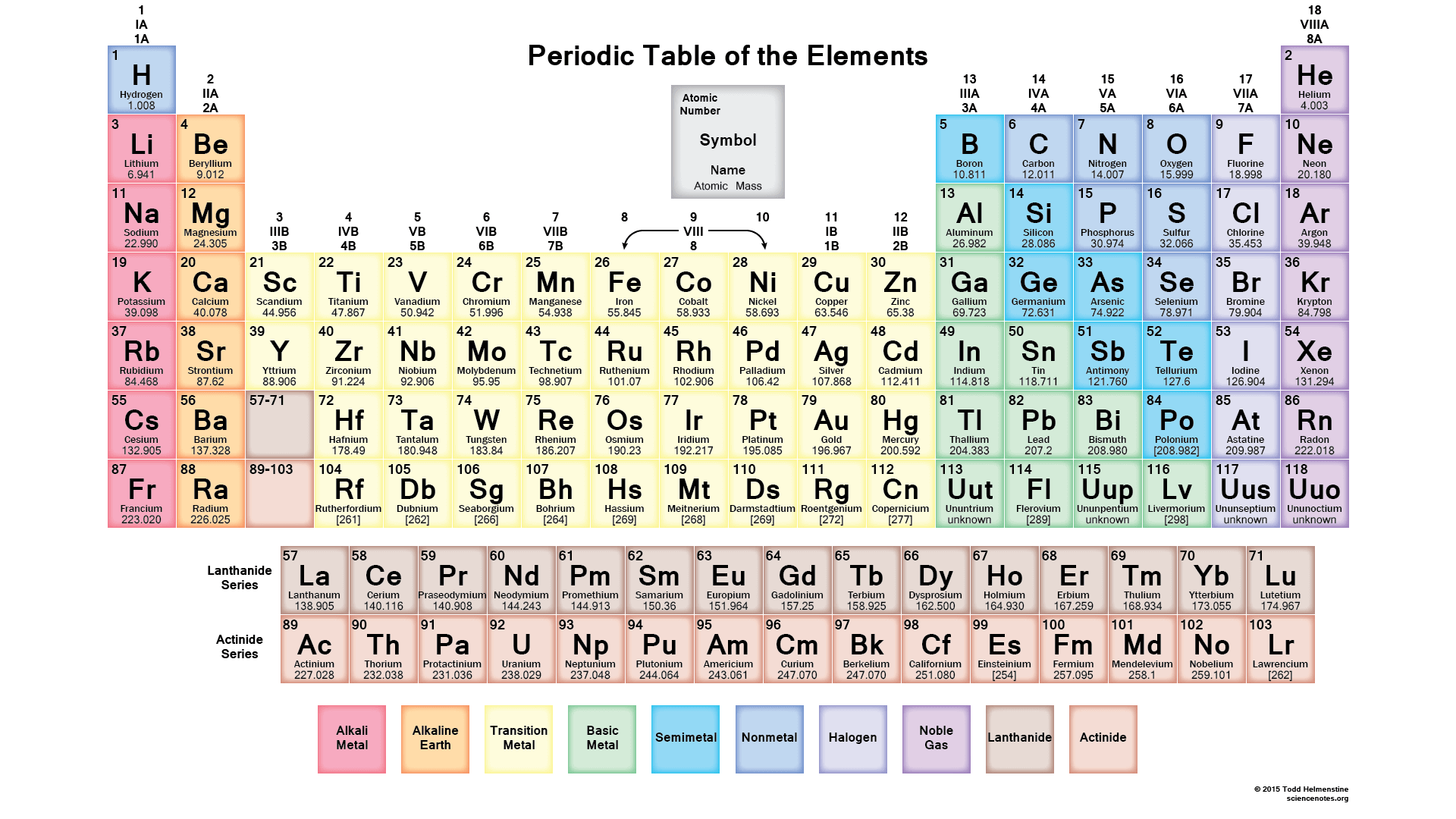
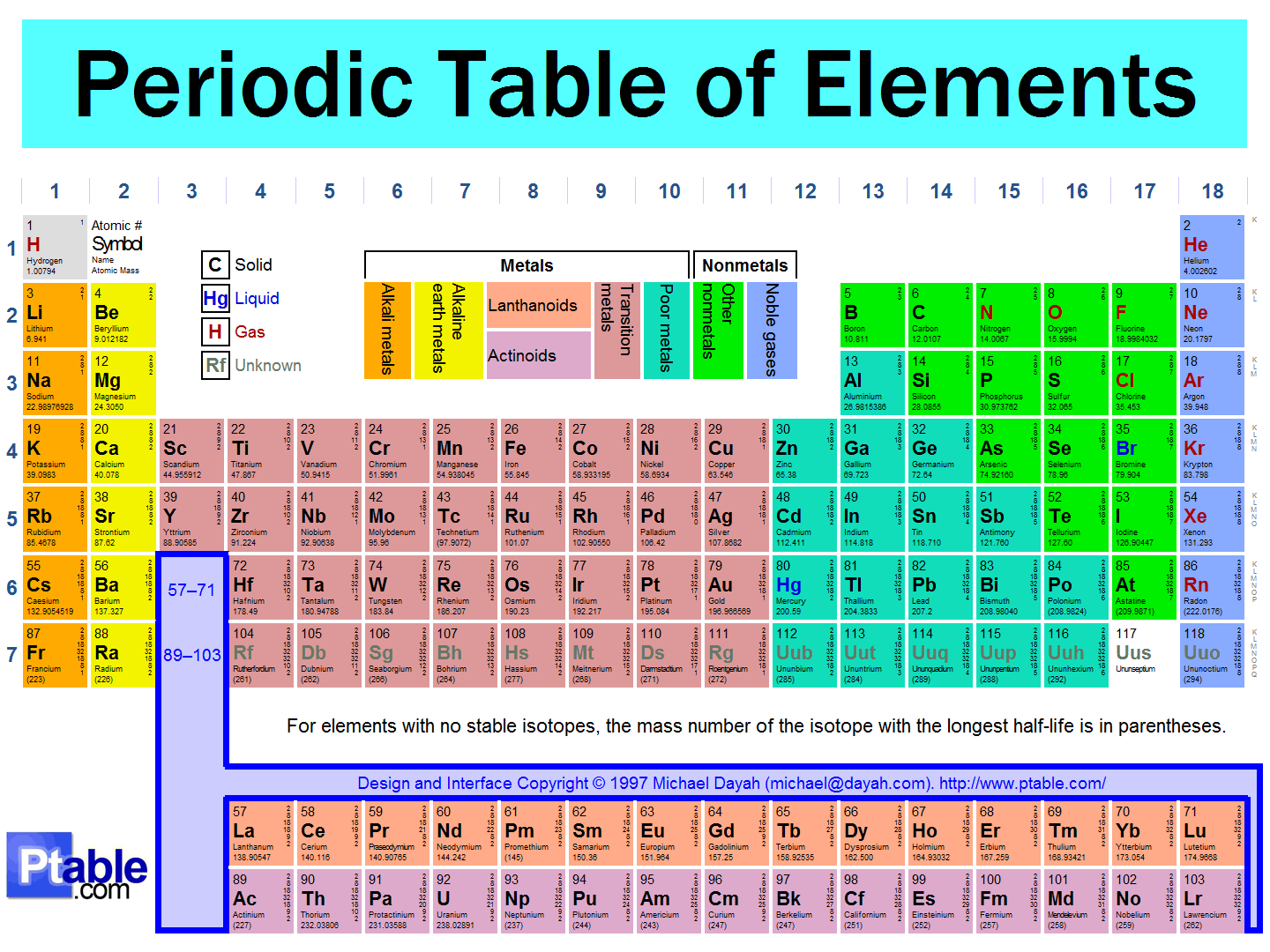
What are the horizontal rows on the periodic table called?

a)

periods

b)

groups

c)

metals

d)

nonmetals

e)

metalloids

53.
How many significant figures does the following number have: 0.002040
a)
6
b)
4
c)
3
d)
2
54.
How many significant figures does the following number have: 0.998005
a)
9
b)
10
c)
6
d)
5
55.
How many significant figures does the following number have: 100.00210
a)
7
b)
5
c)
10
d)
8
56.
Round 0.010229 to four sig figs
a)
1022
b)
1023
c)
0.01023
d)
0.01022
57.
Round 1047.78 to three sig figs
a)
104
b)
105
c)
1050
d)
1050.00
58.

What is the measurement 1042 Liters rounded to 2 significant figures?

a)

1040 L

b)

1.1 x 10³ L

c)

1.0 x 10³ L

d)

1050 L

59.
What is 0.658 rounded to 1 significant figure?
a)
0
b)
0.66
c)
0.6
d)
0.658
60.
Determine the number of Significant Figures in 10-L.
a)
4
b)
3
c)
2
d)
1
61.
Determine the number of Significant Figures in 13410000-m.
a)
4
b)
3
c)
2
d)
1
62.
calculate the following to the correct number of sig figs.
0.00401  x  2.00  x  501
a)
4.02
b)
4
c)
4.0
d)
4.0180
63.
calculate the following to the correct number of sig figs.
32.451 - 21.5
a)
11.0
b)
10.951
c)
11
d)
10.95
64.

The attendance for the basketball game was estimated to be 15,000 people but 12,500 people attended. What was the percent error?

a)

16.67%

b)

20%

c)

2500%

d)

80%

65.
Jessie estimates the weight of her cat to be 8 pounds.  The actual weight of the cat was 10 pounds.  Find the percent error.  
a)
15%
b)
20%
c)
25%
d)
30%
66.
What is the formula for density?
a)
density = mass x volume
b)
density = mass / volume
c)
density = mass + volume
d)
density = mass - volume
67.
A student knows the mass of an object. What other variable does the student need to know to calculate the object's density?
a)
Color
b)
Weight
c)
Volume
d)
Length
68.

Convert

100oC100^oC  to Kelvin

a)

373 K373\ K  

b)

273 K273\ K  

c)

212 K212\ K  

d)

0 K0\ K  

69.

Convert

450 K450\ K  to Celsius

a)

723oC723^oC  

b)

277oC277^oC  

c)

177 oC177\ ^oC  

d)

623oC623^oC  

70.
How would you write 564,000,000 in scientific notation?
a)
5.64 x 10⁻⁷
b)
5.64 x 10⁶
c)
5.64 x 10⁸
d)
56.4 x 10⁷
71.
How would you write 0.0005 in scientific notation?
a)
50 x 105
b)
5 x 10⁴
c)
5 x 10³
d)
.5 x 103
72.
What is 9.3 x 10⁻³ in standard form? 
a)
.093
b)
.0093
c)
.00093
d)
.000093
73.
Convert the following:
0.25 meters to centimeters
a)
25 cm
b)
0.25 cm
c)
2.5 cm
d)
250 cm
74.
Convert the following:
9.8 grams to kilograms
a)
0.0098 kg
b)
0.98 kg
c)
0.098 kg
d)
9.8 kg
75.
Convert the following: 
35 milliseconds to seconds
a)
0.035 seconds
b)
0.35 seconds
c)
3.5 seconds
d)
0.0035 seconds
76.
Convert the following:
4.2 deciliters to liters
a)
0.42 Liters
b)
4.2 Liters
c)
42 Liters
d)
0.042 Liters
77.
Convert the following:
8.1 cm converted into nanometers
a)
8.1 x 10⁷ nm
b)
8.1 x 10⁹ nm
c)
8.1 x 10¹¹ nm
d)
8.1 x 10⁻⁷ nm
78.
Convert the following:
0.46 mL to microliters (μm)
a)
4.6 x 102 μm
b)
4.6 x 10⁻² μm
79.

[check all that apply] Pure substances include:

a)

Elements

b)

Homogeneous Mixtures

c)

Compounds

d)

Heterogeneous Mixtures

80.

Oxygen is a

a)

Element

b)

Compound

81.

Water (H2O) is a

a)

Element

b)

Compound

82.

[check all that apply] Mixtures are

a)

chemically combined

b)

composed of two or more types of matter that can be present in varying amounts

c)

One or more elements chemically combined

d)

can be separated by physical changes

83.

Salt (NaCl) is

a)

Mixture

b)

Compound

84.

Saltwater is

a)

Mixture

b)

Compound

85.

Chicken noodle soup is

a)

Homogeneous mixture

b)

Heterogeneous mixture

86.

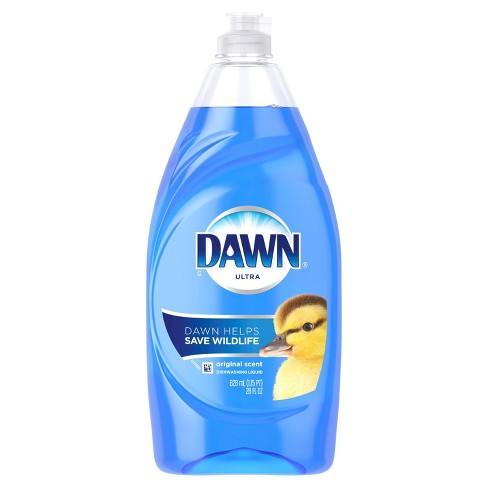
A bottle of dishwashing detergent contains a clear, viscous liquid. The label has a long list of ingredients, including water, sodium lauryl sulfate, fragrance, and Blue dye #5.

What can you infer about the material in the bottle from this label and the appearance of the liquid?

a)

It is a pure substance.

b)

It is a compound.

c)

It is a heterogeneous mixture.

d)

It is a homogeneous mixture.

87.
The positive particles of an atom are 
a)
electrons 
b)
positrons 
c)
neutrons 
d)
protons 
88.
all matter is made of what 
a)
energy 
b)
atoms 
c)
electrons 
d)
compounds 
89.
the central region of an atom where its neutrons and protons are is its 
a)
nucleus 
b)
electron cloud
c)
core 
d)
center 
90.
an atom with atomic number 6 would have how many protons 
a)
6
b)
12
c)
3
d)
cannot be determined 
91.
Particles in an atom that are neutral and have no charge are 
a)
negatrons 
b)
electrons 
c)
neutrons 
d)
protons 
92.
An atoms overall charge is 
a)
positive 
b)
depends on its mood 
c)
neutral 
d)
negative 
93.
True or False? Neutrons have a negative charge
a)
True
b)
False
94.
What is the atomic number for an element with three protons?
a)
2
b)
1
c)
3
d)
6
95.
An atom's mass number equals the number of...
a)
protons plus the number of electrons
b)
protons plus the number of neutrons
c)
protons
d)
neutrons
96.
Which statement about the atomic nucleus is correct?
a)
The nucleus is made of protons and neutrons and has a negative charge
b)
The nucleus is made of protons and neutrons and has a positive charge
c)
The nucleus is made of electrons and has a positive charge
d)
The nucleus is made of electrons and has a negative charge
97.
Which statement best describes an electron?
a)
Smaller mass than a proton and a negative charge
b)
Smaller mass than a proton and a positive charge
c)
Greater mass than a proton and a negative charge
d)
Greater mass than a proton and a positive charge
98.
A particle that moves around the nucleus is a(n)...
a)
Proton
b)
Neutron
c)
Electron
d)
Quark
99.
Atoms have no electric charge because they...
a)
have an equal number of charged and non charged particles
b)
have neutrons in their nuclei
c)
have an equal number of electrons and protons
d)
have an equal number of neutrons and protons
100.
Most of the mass in an atom is concentrated in the...
a)
electrons
b)
nucleus
c)
protons
d)
empty space
101.
What does the nucleus consist of?
a)
Protons + Electrons
b)
Neutrons + Electrons
c)
Atoms
d)
Protons + Neutrons
102.
What is the smallest?
a)
worm
b)
molecule
c)
galaxy
d)
atom
103.
What charge does a Proton have?
a)
Negative
b)
Positive
c)
Neutral
d)
Contrated
104.
What charge does an Electron have?
a)
Negative
b)
Positive
c)
Neutral
d)
Complicated
105.
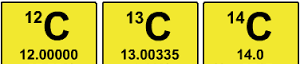
What do these isotopes of carbon all have in common?
a)
neutrons & mass number
b)
atomic number and neutrons
c)
atomic number and electrons
d)
protons, atomic number, and mass number
106.
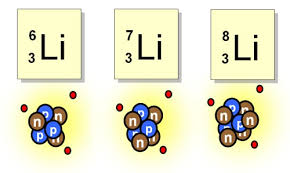
How many neutrons does the isotope of lithium have?
a)
8
b)
3
c)
4
d)
5
107.
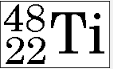
How many protons does this isotope of titanium have?
a)
48
b)
22
c)
26
d)
70
108.
which atom has  4 neutrons?
a)
Li-6
b)
Li-7
c)
Li-8
d)
they have the same # of neutrons
109.
How many neutrons in C-14?
a)
6
b)
7
c)
14
d)
8
110.

Isotopes of an element have a different number of...

a)

Protons

b)

Neutrons

c)

Electrons

d)

Mass

111.

76 protons and 114 neutrons

a)

Osmium-114

b)

Osmium-76

c)

Osmium-190

d)

Osmium-190.23

112.

Which is the correct symbol for Fluorine-18?

a)
b)
c)
d)
113.
An element has two naturally occurring isotopes. One is 10.013 amu and is 19.9% abundant. The other is 11.01 amu and is 80.1% abundant. What is the average atomic mass? What element is it?
a)
9.012, Beryllium
b)
12.011, Carbon
c)
6.941, Lithium
d)
10.812, Boron
114.
4.35% of all X atoms have a mass of 39.946 amu. 83.79% have a mass of 41.941 amu, 9.50% have a mass of 42.941 amu, and 2.36% have a mass of 43.939 amu. What is the average atomic mass of atom X?
a)
41.97 amu
b)
42.19 amu
c)
10.43 amu
d)
40.04 amu
115.
Which scientist developed the atomic theory?
a)
JJ Thomson
b)
Ernest Rutherford
c)
John Dalton
d)
James Chadwick
116.
James Chadwick discovered the ________.
a)
proton
b)
neutron
c)
electron
d)
nucleus
117.
What did Thomson discover?
a)
electron
b)
proton
c)
neutron
d)
electron cloud
118.

He claimed that matter was made of small, hard particles that he called “atomos.”

a)

Democritis

b)

Dalton

c)

Moseley

d)

Einstein

119.
The scientist responsible for "discovering" the nucleus is:
a)
Bohr
b)
Rutherford
c)
Schroedinger
d)
Einstein
120.

John Dalton stated:

a)

Atoms are tiny, invisible particles.

b)

Atoms of one element are all the same.

c)

Atoms of different elements are different.

d)

Compounds form by combining atoms.

e)

All of the statements listed.

121.
1.  What is the shape of an s orbital?
a)
sphere
b)
dumbbell
c)
double dumbbell
d)
TOO COMPLEX TO KNOW IT.
122.
What is the shape of a p orbital?
a)
sphere
b)
it's just too complex to thing about it
c)
dumbbell
d)
I don't know this stuff.
123.
How many electrons can each p orbital hold?
a)
6
b)
3
c)
2
d)
4
124.
How many d orbitals are there in a given sublevel?
a)
1
b)
3
c)
5
d)
7
125.
How many p orbitals are there in a sublevel?
a)
2
b)
1
c)
4
d)
3
126.
How likely is it that an electron occupying a p or a d orbital would be found very near an atom’s nucleus? 
a)
likely...that's where you find it
b)
not likely
c)
not likely, but there is a f orbital near the nucleus
d)
what's near the orbital
127.
How many electrons can the d sublevel hold?
a)
8
b)
10
c)
2
d)
4
128.
Which is associated with more energy? 
a)
2p
b)
2s
c)
3p
d)
1s
129.

How is a photon different from matter?

a)

A photon has no mass and travels at the speed of light.

b)

A photon has mass and travels at the speed of light.

c)

A proton has no mass and travels at the speed of light.

d)

A proton has mass and travels at the speed of light.

130.
The arrows pointing down represents...
a)
photon absorption
b)
proton emission
c)
electron absorption
d)
electron transition
131.
Light is emitted when electrons ...
a)
jump from high to low 
b)
jump from low to high 
c)
either of these
d)
none of these
132.
As the energy level increases the difference in the energy level ...
a)
increases
b)
decreases
c)
stays the same
d)
none of these
133.

Each element produces its own pattern of emission spectra lines because each element has its own distinct

a)

Speed of light

b)

Electron configuration

c)

Number of neutrons

d)

None of these

134.

The color of emitted light with the LONGEST wavelength is

a)

violet

b)

green

c)

red

d)

indigo

135.

The color of emitted light with the SHORTEST wavelength is

a)

violet

b)

green

c)

red

d)

indigo

136.

The color of emitted light with the HIGHEST frequency is

a)

violet

b)

green

c)

red

d)

indigo

137.

The color of emitted light with the LOWEST frequency is

a)

violet

b)

green

c)

red

d)

indigo

138.
The wavelength of light is related to which of the following properties?
a)
Color
b)
Frequency
c)
Color AND frequency
d)
Neither color NOR frequency
139.
All electromagnetic waves have the same...
a)
frequency
b)
speed
c)
wavelength
d)
energy
140.
What is the number of wave cycles that pass a given point per unit of time
a)
crest
b)
wavelength
c)
frequency
d)
amplitude
141.

What is the speed of light?

a)

3.0x10⁸ ms

b)

3.0x10⁸ m/s

c)

6.626x10⁻³⁴ Js

d)

6.626x10⁻³⁴ J/s

142.

The frequency of violet light is 7.5x10¹⁴ Hz. What is its wavelength?

a)

4.0x10⁻⁷ m

b)

4.0x10⁷ m

c)

2.25x10²³m

d)

2.25x10²³ Hz

143.

If short wavelength has more ENERGY than long wavelength, which color Lightsaber is the most dangerous, or powerful?

a)

Red

b)

Orange

c)

Blue

d)

Green

144.
Violet light has a wavelength of
4.10 x 10⁻¹²  m. What is the frequency?
a)
1.23 x 10^ -3 Hz
b)
7.31 x 10^ 19 Hz
c)
1.37 x 10^12 Hz
d)
3.0 x 10^ 8 Hz
145.

What is Planck's Constant?

a)

6.63x10⁻³⁴ Js

b)

6.63x10⁻³⁴ J/s

c)

3.0x10⁸ ms

d)

3.0x10⁸ m/s

146.

Ground state means that an electron is...

a)

at its lowest possible potential energy

b)

in the first shell of an atom

c)

laying low for the weekend

d)

removed from an atom

147.

In order to go from ground state to an excited state, an electron must

a)

emit energy

b)

absorb energy

c)

rotate

d)

wiggle

148.

Violet light has a wavelength of 4.10 x 10⁻¹² m. What is the frequency?

a)

1.23 x 10 -3 Hz

b)

7.31 x 10¹⁹ Hz

c)

1.37 x 10¹² Hz

d)

3.0 x 10⁸ Hz

149.

Solve this problems using the equation: C = λ x ν

A microwave oven emits radiation at a wavelength of 5.00 x 10⁻¹cm. What is the frequency of this radiation?

(Convert to m first).

a)

6.67 x 10⁻⁷ Hz

b)

2.00 Hz

c)

1.50 x 10⁶ Hz

d)

6.00 x 10¹⁰ Hz

150.

What atom matches this electron configuration?

1s2 2s2 2p6 3s2

a)

Neon

b)

Potassium

c)

Aluminum

d)

Magnesium

151.
Which is the electron configuration for an oxygen atom?
a)
1s22s22p63s23p64s2
b)
1s22s22p4
c)
1s22s22p6
d)
1s22s22p63s23p6
152.
What is the maximum number of electrons that an orbital can have?
a)
1 electron
b)
2 electrons
c)
3 electrons
d)
4 electrons
153.

How many electrons can the first principle energy level N=1 hold?

a)

1

b)

2

c)

8

d)

0

154.
Which element is pictured?
a)
neon
b)
fluorine
c)
magnesium
d)
argon
155.

How many orbitals total can the principle energy level N= 4 have?

a)

18 orbitals

b)

32 orbitals

c)

8 orbitals

d)

16 orbitals

156.

How many electrons can a d orbital hold

a)

14

b)

6

c)

2

d)

10

157.
There are 4 different types of subshells s,p,d,f
a)
true
b)
false
158.

Electrons occupy orbitals of lowest energy first is part of what electron configuration rule?

a)

Hund’s Rule

b)

Aufbau Principle

c)

Pauli Exclusion Principle

d)

Mr Serena's Principle

159.
What is the noble gas configuration for phosphorus?
a)
[Ar] 3p5
b)
[He] 3s2 3p5
c)
[Ne] 3s2 3p3
d)
[Na] 3s2 3p5
160.

What does Pauli exclusion principle state ?

a)

states that each electron occupies the lowest energy orbital available

b)

states that a maximum of two electrons can occupy a single atomic orbital, but only if the electrons have opposite spins

c)

states that single electrons electrons with the same spin must occupy each-energy orbital before additional electrons with opposite spins can occupy the same orbitals

d)

States that a maximum of one electron can occupy a single atomic orbital

161.

What does Hund's rule state?

a)

States that single electrons must fill only one orbital at a time before moving on

b)

states that each electron occupies the lowest energy orbital available

c)

states that a maximum of two electrons can occupy a single atomic orbital, but if only if the electrons have opposite spins

d)

States that single electrons with the same spin must occupy each energy orbital before additional electrons with opposite spins can occupy the same orbitals

162.

A street sign has light has a wavelength of 2.43x10^ -22. calculate its energy.

a)

9.0x10^33 Hertz

b)

8.2x10^ - 4 J

c)

8.2x10^ 4 J

d)

9.1x10^ -22 m

163.

The vertical (up and down) columns in the Periodic Table are called

a)

groups

b)

towers

c)

periods

d)

atomic numbers

164.
Sodium (Na) is found in period 
a)
3
b)
2
c)
4
d)
1
165.
Sodium (Na) is found in group 
a)
1
b)
2
c)
3
d)
4
166.

The horizontal (side to side) rows in the Periodic Table are called

a)

groups

b)

families

c)

periods

d)

atomic numbers

167.

What are valence electrons?

a)

Any of an atom's electrons

b)

Electrons located on the first energy level

c)

Electrons not attached to any atom

d)

electrons located on the outer energy level

168.

What category is silicon (Si) a part of?

a)

Metal

b)

Nonmetal

c)

Metalloid

d)

Halogens

169.

What is group name of the most reactive metals?

a)

Noble gases

b)

Halogens

c)

Alkali metals

d)

Alkaline earth metals

170.

Why are halogens so reactive?

a)

They want to get rid of their only valance electron

b)

They only need one more electron

c)

They are non reactive, they have a full shell

d)

They don't need electrons

171.

How many valence electrons does a carbon atom have?

a)

8

b)

4

c)

2

d)

6

172.
Which group of the periodic table is composed of inert (not reactive)  gases?
a)
alkali metals
b)
alkaline earth metals
c)
halogens
d)
noble gases
173.

Which is a halogen?

a)

fluorine

b)

Helium

c)

Oxygen

d)

Neptune

174.

Which is an alkali metal?

a)

Magnesium

b)

Iron

c)

lithium

d)

Europium

175.

Which element is a transition metal?

a)

helium

b)

chlorine

c)

lithium

d)

copper

176.

Mendeleev first ordered the periodic table of elements by increasing

a)

atomic number

b)

atomic mass

c)

atomic symbol

d)

atomic weight

177.

Which of the following will have a larger radius than potassium?

a)

Gallium

b)

Aluminum

c)

Magnesium

d)

cesium

178.

Which of the following will have a lower ionization energy than Sodium (Na)?

a)

Helium (He)

b)

potassium (K)

c)

Calcium (Ca)

d)

Magnesium (Mg)

179.
Electronegativity is...
a)
the ability of an atom to attract/ accept electrons
b)
the ability of an atom to lose electrons
c)
the energy required to remove an electron from a specific atom
d)
how easy it is to make friends. 
180.
Ionization energy is...
a)
the energy required to add an electron to a specific atom
b)
how much energy it takes to remove an electron from an atom
c)
the energy required to shield the outer electrons from the nucleus
d)
a measure of the ability of an atom to attract electrons
181.

Electronegativity __________ from left to right within a period and __________ from top to bottom within a group.

a)

decreases, increases

b)

increases, decreases

c)

increases, increases

d)

stays the same, increases

182.
Which statement correctly and completely identifies a trend?
a)
Atomic radius decreases across a period and increases down a group.
b)
Electronegativity decreases across a period and decreases down a group.
c)
Ionization energy increases across a period and increases down a group.
d)
Ionic radius increases across a period and increases down a group.
183.
The Periodic Table of the Elements is useful for revealing patterns and trends in the elements. Which statement accurately describes a pattern in the size of atomic radii in the Periodic Table of the Elements?
a)
Atomic radii decrease from left to right across a period and decrease from top to bottom in a group.
b)
Atomic radii increase from left to right across a period and increase from top to bottom in a group.
c)
Atomic radii decrease from left to right across a period and increase from top to bottom in a group.
d)
Atomic radii increase from left to right across a period and decrease from top to bottom in a group.
184.
Fluorine, chlorine, bromine, and iodine all have the same number of valence electrons and have a tendency to gain electrons. Which element has the greatest ionization energy and electronegativity?
a)
fluorine
b)
chlorine 
c)
bromine 
d)
iodine 
185.
Based on their locations in the periodic table, which element has chemical properties most similar to those of calcium, Ca?
a)
beryllium, Be
b)
potassium, K
c)
titanium, Ti
d)
yttrium, Y
186.
Ions are: 
a)
atoms with a positive or negative charge
b)
atoms with no charge
c)
atoms with ONLY a positive charge
d)
atoms with ONLY a negative charge
187.
Cations are
a)
positive
b)
negative
c)
neutral
d)
nonmetals
188.
If an atom gains an electron to become an ion, it is a(n)....
a)
cation
b)
anion
c)
noble gas
d)
metal
189.
Name that Ion
Li+
a)
copper (III)
b)
lithium
c)
ladmium
d)
iodine
190.
Will Magnesium gain or lose electrons to become stable?
a)
gain
b)
lose
c)
neither
191.

Name the ion.... Ca2+

a)

Calcium ion

b)

Calcide ion

c)

Calcium (II) ion

d)

Calciumide ion

192.
Nitrogen will ____ valence electrons when forming an ionic bond.
a)
gain 1
b)
lose 1
c)
gain 3
d)
lose 3
193.
Ionic bonds consist of the ____ of valence electrons.
a)
sharing
b)
transfer
194.
Ionic bonds form between metals and ____.
a)
metalloids
b)
metals
c)
nonmetals
195.
In chemical compounds, covalent bonds form when
a)
the electronegativity difference between two atoms is very large.
b)
electrons are completely transferred between two metals.
c)
pairs of electrons are shared between two nonmetal atoms.
d)
two nonmetal atoms are attracted to each other by opposite charges.
196.

Is carbon considered a metal or a non-metal?

a)

metal

b)

other

c)

other v2

d)

nonmetal

197.

How are ionic bonds formed?

a)

When atoms share an electron

b)

when oppositely charged ions bind together by an electrostatic force of attraction.

c)

when same charged ions bind together by an electrostatic force of attraction

d)

When one atom takes a neutron and proton

198.
How many Valence Electrons are on Oxygen
a)
2
b)
7
c)
6
d)
1
199.

A bond between a metal and a nonmetal is called a(n)

a)

covalent bond

b)

ionic bond

c)

metallic bond

d)

transfer bond

200.

A bond between a nonmetal and a nonmetal is called a(n)

a)

covalent bond

b)

ionic bond

c)

metallic bond

d)

transfer bond

201.

Identify the following compound as ionic or covalent: MgO

a)

ionic

b)

covalent

202.

Identify the following compound as ionic or covalent: SO2

a)

ionic

b)

covalent

203.
What is it called if there are three-pairs of electrons being shared?
a)
Triple bond
b)
Bond length
c)
Tribond
d)
Chocolate Mousse
204.
Which of the following is the correct Lewis dot structure for the molecule fluorine (F2)?
a)
A
b)
B
c)
C
d)
D
205.
How many electrons are shared in a double bond?
a)
2
b)
4
c)
6
d)
8
206.

Which is the correct structure for NH3?

Pictures correspond with a-d.

a)

Option A.

b)

Option B.

c)

Option C.

d)

Option D.

207.

Which of the following is the correct LD Diagram for Hydrogen Cyanide, HCN?

a)

A

b)

B

c)

C

d)

D

208.
What is the ionic compound formed between Ba and P?
a)
Ba2P3
b)
Ba3P2
c)
BaP
d)
Ba2P2
209.

What is sugar?

a)

element

b)

molecular compound

c)

ionic compound

d)

proton

210.

Zinc fluoride

a)

ZnF2

b)

Zn2F

c)

ZnF

d)

Zn2F4

211.

Write the correct formula for Sodium Chloride.

a)

SC

b)

SCl

c)

NaCl2

d)

NaCl

212.
What is the ionic compound formed between Ca and Br?
a)
CaBr
b)
CaBr2
c)
Ca2Br
d)
Ca2Br
213.
Why are alloys generally used to make everyday objects?
a)
Alloys are often stronger and less active than pure metals.
b)
Alloys have higher melting point than pure metals.
c)
Alloys are less expensive to produce than pure metals.
d)
Alloys have ionic bonds instead of metallic bonds.
214.
Which of the following is NOT a property of a metal?
a)
ductile
b)
good electrical conductor
c)
good thermal insulator
d)
malleable
215.
An attraction between a positive metal ion and surrounding electrons is a(n) ____________bond.
a)
metallic
b)
ionic
216.
Metals are used in electrical wires because they have a high ____________conductivity. 
a)
 electrical
b)
thermal
217.
Which of the following molecular shapes would have a bond angle of 180 Degrees?
a)
Bent
b)
Trigonal Planar
c)
Tetrahedral
d)
Linear
218.
What molecular shape is the structure shown here? (H2O)
a)
tetrahedral
b)
trigonal planar
c)
bent
d)
trigonal pyramidal
219.
N2
a)
Polar 
b)
Nonpolar 
220.

Non polar covalent bond is equal sharing of electron. Polar covelent bond is

a)

unequal sharing of electrons

b)

different distribution of electrons

c)

presence of hydrogen bonding

d)

presence of polar atoms

221.

Polarity of a molecule is determined by

a)

shape and charge

b)

symmetry/asymmetry of molecule and difference in EN value

c)

difference in EN value and size

d)

difference in EN value and charges

222.

Which is the correct description about van der Waals' forces?

a)

They are the weakest of the intermolecular forces arising from instantaneous dipole - induced dipole interactions.

b)

They are the strongest of the intermolecular forces arising from dipole - dipole interactions.

223.
What explains the very high melting and boiling point of water
a)
Strong dipole-dipole bonds between water molecules
b)
Strong hydrogen bonds between water molecules
c)
Dispersion forces which are present in all molecules
d)
Asymmetrical shape of the polar bonds.
224.
Hydrogen bonding occurs when hydrogen is bonded to N, O, or F.  Which of the following has hydrogen bonding?
a)
CBr4
b)
NO2
c)
H2S
d)
NH3
225.

Which molecule is polar and exhibits Hydrogen bonding?

a)

H2

b)

CO2

c)

NH4

d)

H2O

226.

________________________ have the strongest intermolecular forces of attraction.

a)

Dipole- Dipole

b)

Dispersion

c)

Hydrogen Bonds

d)

Nuclear bonds

227.
Which of these is the strongest?
a)
hydrogen bonding
b)
dipole-dipole forces
c)
London dispersion forces
d)
ionic bonding
228.

Which intermolecular force is present in all molecules and is caused by the random motion of electrons?

a)

dispersion forces

b)

dipole-dipole forces

c)

hydrogen bonding

d)

none of the above