
 Worksheets
Lewis structures VSEPR IMF POLARTITY
Total questions: 50
Worksheet time: 35mins
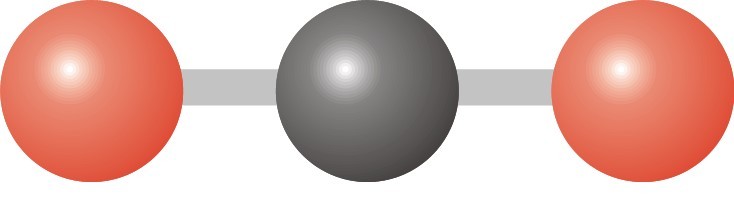
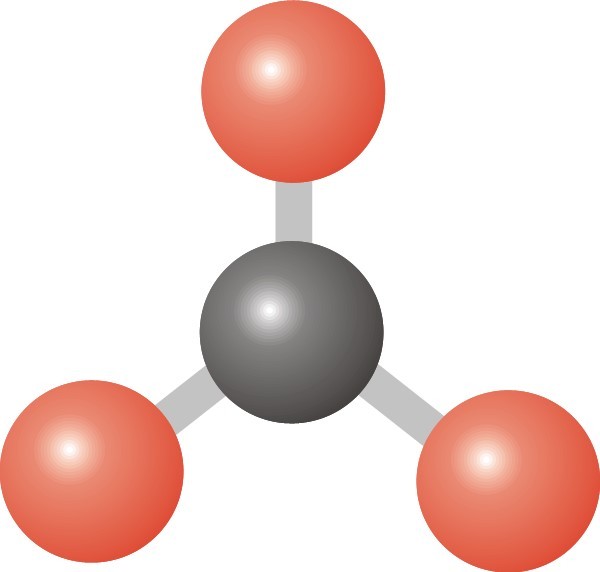
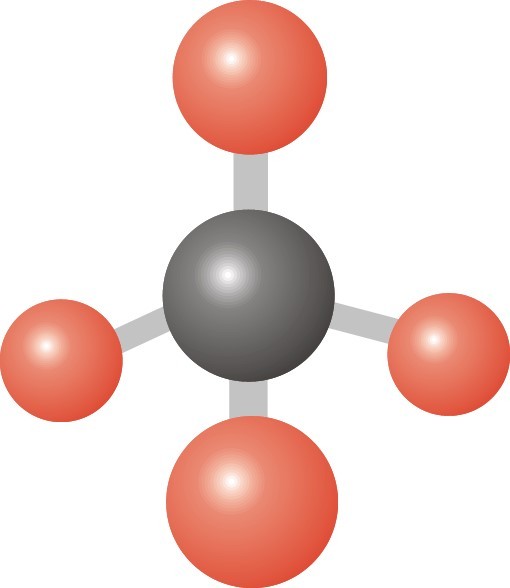
What shape would PH3 have?
Trigonal Planar
Trigonal pyramidal
Bent
Linear
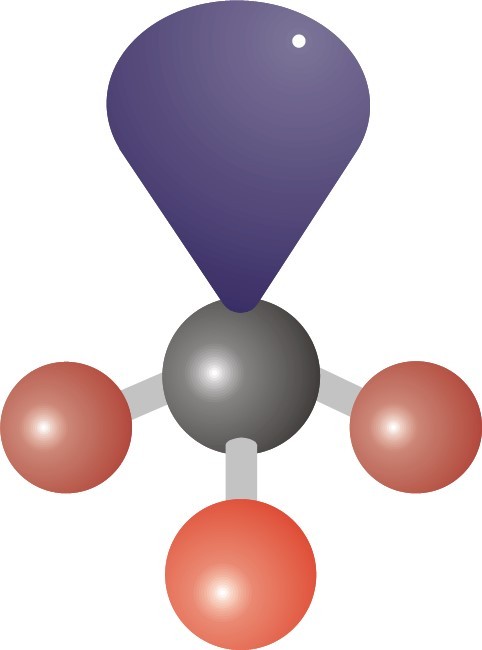
Is this molecule polar?
No
Yes
Is this molecule polar?
Yes
No

What shape would this have?
Trigonal planar
Pyramidal
Tetrahedral
Bent

Trigonal planar
Trigonal pyramidal
Tetrahedral
Linear
Bent

What is the molecular geometry/shape of a molecule with 3 shared pairs and 0 unshared pairs?
Linear
Trigonal Planar
Trigonal Pyramidal
Tetrahedral
Bent

What is the molecular geometry/shape of this molecule
Linear
Trigonal Planar
Trigonal Pyramidal
Tetrahedral
Bent

What is the molecular geometry/shape of this molecule
Linear
Trigonal Planar
Trigonal Pyramidal
Tetrahedral
What IMF are present
Dipole Dipole
London Dispersion Forces
Hydrogen Bonding

What IMF are present
Dipole Dipole
London Dispersion Forces
Hydrogen Bonding

What IMF are present
Dipole Dipole
London Dispersion Forces
Hydrogen Bonding

What IMF are present
Dipole Dipole
London Dispersion Forces
Hydrogen Bonding

What IMF are present
Dipole Dipole
London Dispersion Forces
Hydrogen Bonding

What is the molecular geometry/shape of this molecule
Linear
Trigonal Planar
Trigonal Pyramidal
Tetrahedral
Bent

What is the molecular geometry/shape of this molecule
Linear
Trigonal Planar
Trigonal Pyramidal
Tetrahedral
Bent

What is the molecular geometry/shape of this molecule
Linear
Trigonal Planar
Trigonal Pyramidal
Tetrahedral
Bent

Is this molecule polar?
Yes
No

Is this a valid Lewis Structure?
Yes
No

What is the molecular geometry/shape of this molecule
Linear
Trigonal Planar
Trigonal Pyramidal
Tetrahedral
Bent

What is the molecular geometry/shape of this molecule
Linear
Trigonal Planar
Trigonal Pyramidal
Tetrahedral
Bent
Which of the following factors plays an important role in the identification of specific intermolecular forces in a molecule? Select all
N2
HCl
Chlorine is a gas at STP, while bromine is a liquid at STP. Which statement correctly explains these observations?
Bromine has weaker intermolecular forces than Chlorine does
Bromine has greater molecular polarity than Chlorine does
Bromine has weaker molecular polarity than Chlorine does
Bromine has stronger intermolecular forces than Chlorine does

What are the 2 Intermolecular forces for: NH3
London dispersion Forces
Dipole dipole
Hydrogen bonding
Ions
Which substance would have the weakest intermolecular forces of attraction?
CH4
NaCl
H2O
MgF2
Which of the following will NOT have hydrogen bonding?


Does NH3 or PH3 have a higher boiling point?
(Hint: identify the types of IMF's present for each)
NH3 because it has the strongest IMF's
PH3 because it has the strongest IMF's
NH3 because it has the weakest IMF's
PH3 because it has the weakest IMF's
The strength of temporary dipoles (LDF):

Which type of IMF is responsible for the attraction pictured above?
Dipole-Dipole Interaction
Ion-Dipole Interaction
Hydrogen Bonds
Covalent Bond
Ionic Bond

Which type of IMF is responsible for the attraction pictured above?
Dipole-Dipole Interaction
Ion-Dipole Interaction
Hydrogen Bonds
Covalent Bond
Ionic Bond
Which of the following is the correct, balanced half -reaction for the oxidation of Cu to Cu+2?
Cu ⟶ Cu+2
Cu + 2 e- ⟶ Cu+2
Cu - 2e- ⟶ Cu+2
Cu ⟶ Cu+2 + 2 e-
Fe + 3e- →Fe what charge should be here
+3
-3
0
-1
Based on your knowledge of ioninc bonding what will Aluminum do in order to lower it's energy and become more stable?
Gain 3 electrons and become Al+3
Lose 3 electrons and become Al+3
Gain 5 electrons and become Al+3
Nothing it is stable as Al0
Based on your knowledge of ioninc bonding what will Oxygen do in order to lower it's energy and become more stable?
Gain 2 electrons and become O-2
Lose 2 electrons and become O-2
Lose 6 electrons and become O-2
Nothing it is stable as O0
What process is needed to make the stable for of Li
Oxidation
Reduction
What process is needed to make the stable for of Cl
Oxidation
Reduction
The overall reaction in an electrochemical cell is
Zn(s) + Cu2+(aq) → Zn2+(aq) + Cu(s)
As the reaction in this cell takes place, the
mass of the Zn(s) electrode decreases
Zn2+(aq) concentration remains the same
mass of the Cu(s) electrode decreases
Cu2+(aq) concentration remains the same

A diagram of a chemical cell and an equation are shown below.
Pb(s) + Cu2+(aq) → Pb2+(aq) + Cu(s)
When the switch is closed, electrons will flow from
the Pb(s) to the Cu(s)
the Cu(s) to the Pb(s)
the Pb2+(aq) to the Pb(s)
the Cu2+(aq) to the Cu(s)
A diagram of a chemical cell and an equation are shown below.
Pb(s) + Cu2+(aq) → Pb2+(aq) + Cu(s)
When the switch is closed, which of the following are true
select all true answers
The Pb electrode gains mass the Cu electrode loses mass
The Cu electrode gains mass the Pb electrode loses mass
Anions move out the left side of salt bride and Cations out the right side
Cations move out the left side of salt bride and Anions out the right side

