
 Worksheets
Hand Sewing Tools and Rules
Total questions: 45
Worksheet time: 26mins

Sewing/Fabric Shears
Pinking/Fancy Shears
Thread Scissors/Shears

It's ok to leave pins/needles/trash on the floor & desk tops for Ms. Z. & the custodians to pick up.
Yes, of course.
Absolutely not!

When you set your scissors down, make sure that you
put them on the sewing machine so you don't lose them.
leave them open so they will be easier to pick up again.
close them so the sharp edges can't cut someone.
set them on your chair so you know where they are.
When not using, keep all sewing tools in __________
alphabetical order
a pile on the table
your sewing container
the back of the classroom
When passing scissors/shears to someone, you should offer the other person the _________
sharp end
handle
neither option
both options
When using a seam ripper, rip the seam
away from you
up and to the right
towards you
it really doesn't matter
Pins should not be put in your mouth or skin because:
They are dirty
You could swallow them
They probably were on the floor at one time
All of the above
Fabric shears should be used for:
Paper only
Fabric only
Paper and fabric
Anything you need them for


This tool is used to measure crafts/fabric/people


A flexible measuring device in taking body measurements.
sewing gauge
L-square
tape measure
french curve
This is a very useful tool for measuring straight seamlines and general measuring purposes.
L-square
Ruler
Tape measure
Sewing gauge


tomato with an extension
emery bag to sharpen needles
strawberry to make the pin cushion pretty

marking/fabric pencil


thing of thread
spool of nylon
spool of thread

What is the name/purpose of this?
Fabric Marker/It helps you mark a hem, or measure a smaller amount.
Straight Edge/It helps you make a place a button on a piece of fabric.
Thimble/It protects your fingers when hand sewing.
Rotary Cutter/It is used to cut small circles of fabric.
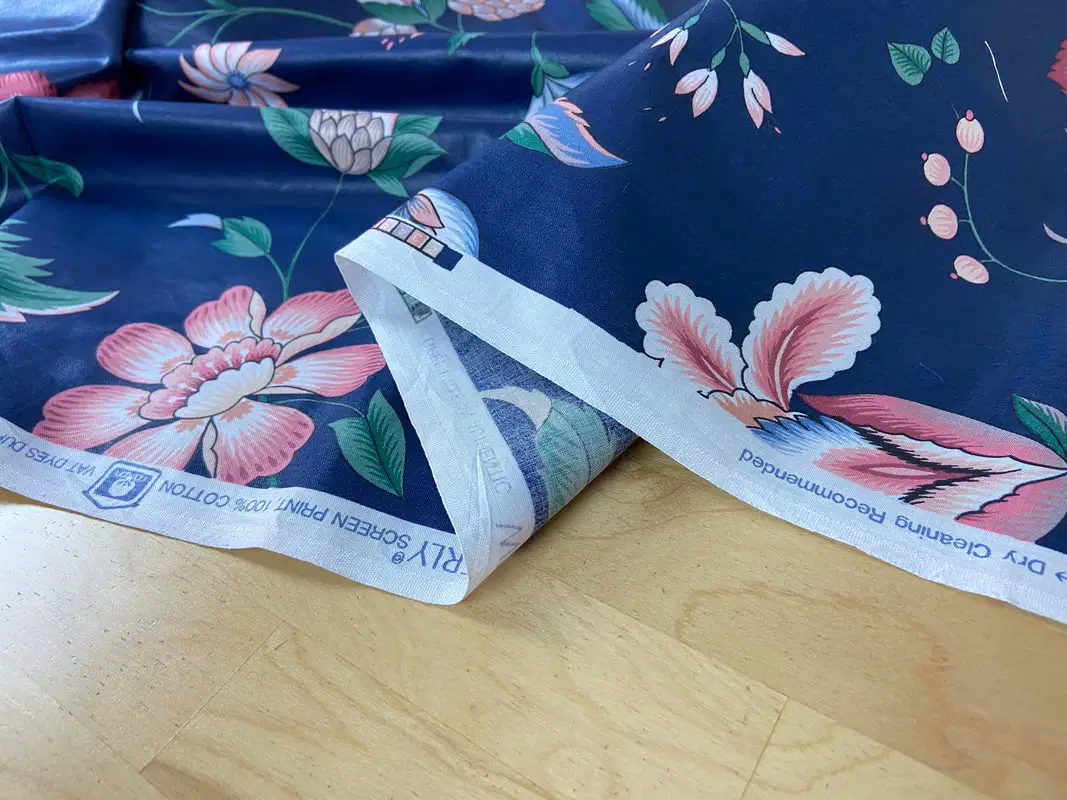
The factory finished edge of a fabric
grain of fabric
pattern markings
selvage end
press end

The back stitch can be used as a more secure option to sew items together.
True
False

How long is the thread used when completing hand sewing stitches?
The length of your desk.
The length of your arm or to across your chest.
Twice the length of a worksheet.
Three times the length of a worksheet.
Always keep straight pins in the _________
original package
pin cushion
plastic wrap
none of the above
A running stitch is generally used as a rapid repair option...until you can fix it with a more sturdy option later.
Also, it can be used to gather all material if pulled tightly.
True
False


String that is used to hold pieces of fabric together
thread
seam ripper
thimble
pin cushion
tape measure

What does this sewing tool do?
Measures how far your seam is from the edge of the fabric
Measures how big buttons are
Rips out sewing mistakes
Measures your level of sewing skills
Which picture shows the stitch where you keep going back into the end of the previous stitch?


Which picture shows a running stitch?


What is the purpose of sewing? (Choose all that apply).
To attach two or more pieces of fabric together to create something.
To help the environment
To repair an item.
To add creative decorative elements to your project.
What is the name of the material used to crochet?
Yarn
Floss
Thread
What is the name of the first knot created to hold your chain?
Slipknot
Angler's Loop
Bowline
The main first step to all crochet is the chain.
True
False
One of the main reasons your crocheted project may bow, curl, or lose it's shape is inconsistent stitches.
You must _____ your yarn-based project throughout/at the end to ensure its shape remains consistent.
BLOCK
pull
pitch
fold

