wayground logo

Free Printable Worksheets

Font size

S
M
L
XL
Worksheets

US II Final Review

Total questions: 112

Worksheet time: 1hrs 17mins

Name
Class
Date
1.

What did the 14th amendment accomplish?

a)

Freedom of religion

b)

Grants citizenship and equal protection

c)

Made slavery illegal

d)

Guarantees voting rights

2.

What did the 15th amendment accomplish?

a)

Grants citizenship & equal protection

b)

Right to bear arms

c)

Bans slavery

d)

Guarantees voting rights

3.

These were used to take away the rights of African Americans in the South after the Civil War.

a)

Amendments

b)

White Codes

c)

Black Codes

d)

Civil Rights

4.

This group used fear & violence to prevent African Americans from voting in the South following Reconstruction

a)

Black Codes

b)

Ku Klux Klan

c)

Radical Republicans

d)

Carpetbaggers

5.

Agricultural & economic practice where a land owner allows a tenant farmer to work his land for a share of his crop

a)

sustenance farming

b)

sharecropping

c)

carpetbagger

d)

slavery

6.
Which is the best description of Reconstruction?
a)
rebuilding the US after a big earthquake
b)
a period of rebuilding in the US after the Revolutionary War
c)
a period of rebuilding in the US after the Civil War
d)
unfair treatment of African Americans after the Civil War
7.
Which of these amendments gives citizens the right to vote regardless of race, color or previous condition of servitude?
a)
13th Amendment
b)
14th Amendment
c)
15th Amendment
d)
18th Amendment
8.
The 13th Amendment ...
a)
banned slavery
b)
grants voting rights
c)
grants citizenship and equal protection
d)
restores Confederate rights
9.
Abraham Lincoln believed...
a)
African Americans needed Constitutional Amendments to guarantee voting rights
b)
in the southern cause
c)
southern states should have to prove their loyalty after the war
d)
preservation of the Union was more important than punishing the south
10.
Laws passed by southern states soon after the Compromise of 1877.  These laws legalized segregation whites and blacks to use separate facilities. 
a)
Jim Crow Laws
b)
Black Codes
c)
Freedman's Bureau
d)
Reconstruction
11.

Sharecropping was like a new form of slavery, because farmers were always ________________.

a)

in debt to the landowners

b)

debt free from the landowners.

c)

making lots of money from the landowners.

d)

forced to work certain hours.

12.

Who was the US president after Lincoln was assassinated?

a)

Andrew Jackson

b)

Andrew Johnson

c)

Henry Clay

d)

Ulysses S. Grant

13.

Which of the following best defines the term Reconstruction?

a)

The amendment that outlawed slavery

b)

The time period (1865-1877) when former confederate states were reintegrated into the country.

c)

The amendment that guaranteed citizenship to newly freed enslaved people and gave them equal protection.

d)

Strict states laws passed after the Civil War.

14.

These Northerners saw the reconstruction South as a chance to get rich quickly by seizing political office now barred from the old order.

a)

Carpetbaggers

b)

Scalawags

c)

Confederates

d)

Colfax Massacre

15.

These southern whites allied themselves with the northerners, and took advantage of the political openings to get rich quick.

a)

Carpetbaggers

b)

Scalawags

c)

Confederates

d)

Colfax Massare

16.

What connected the east coast and west coast of the United States?

a)

Manifest Destiny

b)

Transcontinental Railroad

c)

19th Amendment

d)

Erie Canal

17.

When a company controls a market; also called a Trust.

a)

Monopoly

b)

Vertical Integration

c)

Horizontal Integration

d)

Bessemer Process

18.

What does laisse-faire mean when it comes to the economy or big businesses?

a)

The government protects the worker

b)

The government stays out as much as possible

c)

The government helps the businesses

d)

The government tries to compete with the businesses

19.

Which of these men made his fortune from oil refining?

a)

J.P. Morgan

b)

Cornelius Vanderbilt

c)

Andrew Carnegie

d)

John D. Rockefeller

20.
What word means the change from farming to factories in a society?
a)
capitalism
b)
agriculture
c)
industrialization
d)
factors of production
21.
Why did support for socialism grow in Europe and the US in the 1800s?
a)
to protect workers from abuses
b)
to lower taxes on businesses
c)
to abolish labor unions
d)
to encourage more entrepreneurs
22.
What tactic was most commonly used by labor unions to pressure owners to improve pay and working conditions?
a)
strikes
b)
terrorism
c)
assassinations
d)
revolution
23.
What important historical period was caused by these factors?
a)
World War I
b)
the Enlightenment
c)
the Age of Absolutism
d)
the Industrial Revolution
24.
This period during the 1870s to 1900 is known for it's rise of railroads, big business, industrialization and social problems in the United States.
a)
World War I
b)
Progressive Era
c)
Gilded age
d)
Roaring Twenties
25.
During the Gilded age, workers came together to work for better pay, working conditions, and less hours. Leaders such as Samuel Gompers help led many of this workers in....
a)
Philanthropy
b)
Labor Unions
c)
Political Bosses
d)
Credit Unions
26.
The innovation of this transportation help open up the national market? 
a)
boats
b)
railroads
c)
autombils 
d)
horse drawn carriages 
27.
Because of the expansion to the west,  what effects did the creation of railroads cause for the Great Plains? 
a)
movement of Native americans and animals and erosin of soil
b)
death of Native Americans
c)
movement of only buffalo
d)
railroad robberies 
28.

A period of time when products go from home-made to machine made in factories.

a)

agricutlure

b)

industrialization

c)

mathamatics

d)

environmentalism

29.

What is the rapid growth of cities called?
a)
Moving
b)
colonization
c)
inflation
d)
urbanization
30.
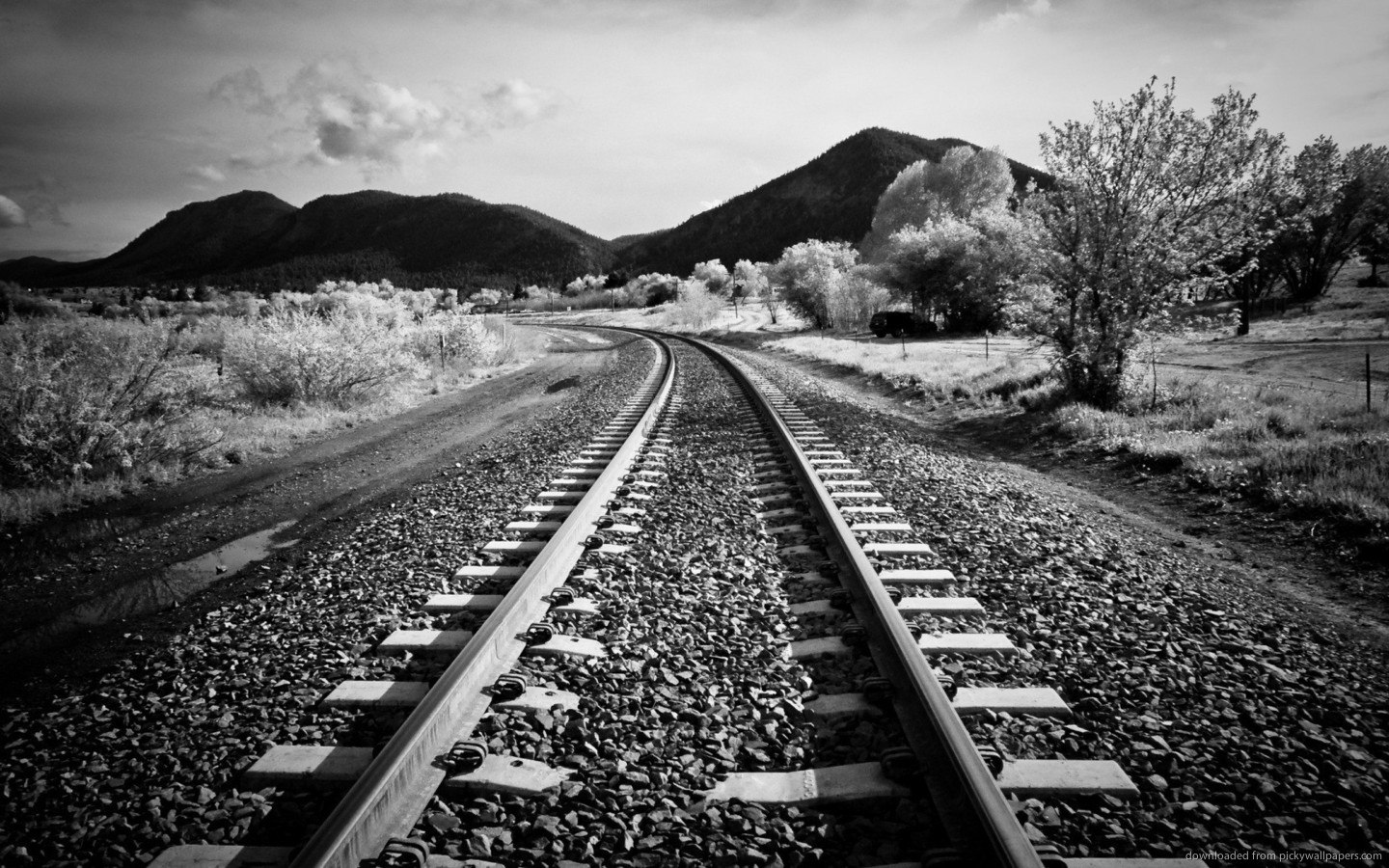
Why were railroads so important during this time?
a)
they moved goods more quickly and less expensively over greater distances
b)
they were fun to ride on to go visit family in other states
c)
people could ride on railroads to get to their jobs in another city
31.
Which was NOT a reason for immigration to the U.S. in the 1880s (i.e. Gilded Age)?
a)
Lots of jobs
b)
Escaping persecution
c)
Good working conditions
d)
Escaping poverty
32.
Which is a reason people came to America?
a)
Baseball
b)
Colleges
c)
Job opportunities
d)
Vacation
33.

multi-family apartments, usually dark, crowded, and barely meeting minimal living standards

a)

tenure

b)

tenement

c)

skyscraper

d)

graft

34.

Why did labor unions first form?

a)

To protect the rights of business owners

b)

To protect the rights of workers

c)

To protect the rights of customers

d)

All of the above

35.
The growth of cities is:
a)
Immigration
b)
Urbanization
c)
Depersonalization
d)
Materialization
36.
Cities grew because of all these except:
a)
Immgration
b)
Jobs
c)
Railroads
d)
Farming
37.

Which of the following is a characteristic of the Gilded Age?

a)

people began moving to rural areas to farm acres of cotton and grain

b)

the political process was opened up to citizens of different ethnicities and social class

c)

America expanded westward to accomplish its goal of Manifest Destiny

d)

the government passed favorable laws to help the growth of big business

38.

The Gilded Age is infamous for

a)

paying workers high salaries

b)

promoting women and African Americans to positions of leadership

c)

businessmen bribing government officials

d)

the rapid advancements in the field of science

39.

What did Native Americans use the Buffalo for?

a)

Food

b)

Shelter

c)

Clothing

d)

All of the above

40.

Which group used violence and fear tactics to prevent non-whites from voting?

a)

Al-Quida

b)

Ku Klux Klan

c)

White Knights of Labor

d)

Bull-Moose Party

41.

What is another name for trust?

a)

Belief

b)

Banking

c)

Anti-Trust

d)

Monopoly

42.

What are the characteristics of the Progressive Era?

a)

Expand the Democratic Process

b)

Social Justice

c)

Correct issues with Industrialization and Urbanization

d)

All the above

43.

Reforms in big business are characteristic of what era?

a)

Gilded Age

b)

Progressive Era

c)

New Deal

d)

Roaring 20s

44.

What are Jim Crow Laws?

a)

A legal basis for discrimination against African Americans

b)

Laws put in place to manage immigration

c)

Legislation to support farmers in the West

d)

A set of trusts that controlled most of the railroads

45.

What were journalists called that investigated and wrote about the issues in society during the progressive era?

a)

Reporters

b)

Muckrakers

c)

Yellow Journalists

d)

Paparazzi

46.

Which social reformer opened the Hull House (Settlement Homes)?

a)

Rosa Parks

b)

Ida B Wells

c)

Jane Addams

d)

Helen Jackson

47.

Which figure was a major civil rights activist?

a)

Woodrow Wilson

b)

W.E.B. DuBois'

c)

Andrew Jackson

d)

JEB Stewart

48.

What was a problem in the tenements?

a)

police raids

b)

not enough people to live there

c)

bad food

d)

overcrowding

49.

What happened when states began to make child labor illegal?

a)

kids began to attend school

b)

mothers had to quit work to take care of their kids

c)

kids protested because they wanted the pay

d)

lots of kids began to live on the streets

50.

Why did people live in the cities? (choose all that apply)

a)

it was a much safer place to live

b)

there were many entertainment options

c)

there were many jobs available

d)

immigrants would stay in the cities for work when they got to America

e)

the homes tended to be nicer and larger

51.

Why did many children in the 1900s not attend school?

a)

there weren't enough schools for all the kids

b)

schools were too expensive for most families

c)

many kids were working to help support the family

d)

the teachers were very mean to the children

52.
In which country did the Industrial Revolution begin?
a)
The United States
b)
England
c)
France
d)
Germany
53.
What product was first made using machines in factories?
a)
Steel
b)
textiles
c)
locomotives
d)
flying shuttles
54.
Mass production led to:
a)
Products being more superior in quality
b)
goods became less expensive
c)
laborers received higher wages
d)
industries moved to rural areas
55.

The term laissez-faire roughly translates to mean

a)

leave alone

b)

resist

c)

freedom

d)

control

56.

Karl Marx spelled out how he believed that workers should rise up against factory owners, outlining the basic principles of

a)

capitalism

b)

socialism

c)

communism

d)

command economies

57.
Why were railroads so important during this time?
a)
they moved goods more quickly and less expensively over greater distances
b)
they were fun to ride on to go visit family in other states
c)
people could ride on railroads to get to their jobs in another city
58.
The Industrial Revolution happening during the _____ and the ____.
a)
1700s, 1800s
b)
1800s, 1900s
c)
1900s, 2000s
d)
1500s, 1600s
59.
Which innovation  allowed factories to be built anywhere?
a)
flying shuttle
b)
spinning jenny
c)

tractors

d)
steam engine
60.
the way that a society or nation produces and distributes goods and services
a)
textile
b)
economy
c)
technology
d)
industrialization
61.
The policy of building up strong armed forces and weapons to prepare for war is known as
a)
Imperialism
b)
Isolationism
c)
Militarism
d)
Nationalism
62.
Who was the American President during WWI? 
a)
George Washington
b)
Woodrow Wilson
c)
Franklin Roosevelt
d)
Teddy 
63.
What is an agreement among nations to defend one another?
a)
World War I
b)
nationalism
c)
alliance
d)
isolationism
64.
Since the fighting in WWI was so fierce, what did the soldiers soon begin fighting from?
a)
The air
b)
The seas
c)
trenches
d)
bases
65.
What was the name of the British steamship that the Germans torpedoed which killed 100 US citizens?
a)
Lusitania
b)
Prince William
c)
King George
d)
Queen Anne
66.
What did Germany send to Mexico that offered to help them win land back from the United States if Mexico would start a war with the US?
a)
The Zimmerman Telegram
b)
The Outlandish Letter
c)
The Surprising Phone Call
67.
What was the main reason the U.S. decided to enter the war on the Allied side?
a)
Germany's unrestricted submarine attacks
b)
Germany's attempt to get Mexico involved in the war
c)
Germany's sinking of the Lusitania
68.
What new weapon of WWI was feared because it burned lungs and blinded eyes if a soldier came into contact with it?
a)
poison water
b)
poison food
c)
poison gas
69.
How did many Americans react to the Zimmermann Telegram?
a)
They became concerned about Russian expansion
b)
They wanted to avoid membership in the League of Nations.
c)
They wanted to fire Zimmermann
d)
They were outraged over a possible German-Mexican alliance.
70.
The Red Scare in the US after the War was a fear of _______.
a)
Fascists
b)
Communists
c)
Anarchists
d)
Foreigners
71.

Which was NOT a cause of World War I?

a)

Militarism

b)

Alliances

c)

Industrialization

d)

Nationalism

72.

Which country was NOT part of the Allies?

a)

Great Britain

b)

France

c)

United States

d)

Germany

73.

Which country was NOT part of the Central Powers?

a)

Germany

b)

Austria-Hungary

c)

Ottoman Empire

d)

United States

74.

Who killed Archduke Franz Ferdinand to start WWI?

a)

Karl Marx

b)

Gavrilo Princip

c)

Vladimir Lenin

d)

Lee Harvey Oswald

75.

______ is where neither side can gain an advantage.

a)

Stalemate

b)

Total War

c)

Propaganda

d)

No Man's Land

76.

Where did the soldiers of the Western Front in WWI live, fight, and die?

a)

Trenches

b)

Bunkers

c)

No Man's Land

d)

Ships

77.

The area between the trenches was known as what?

a)

No Man's Land

b)

Stalemate

c)

No Go Zone

d)

The Bad Place

78.

Which weapon was NOT used during WWI?

a)

Nuclear Bombs

b)

Machine Guns

c)

Poison Gas

d)

Submarines

79.

Which groups of people joined the workplace in large numbers during WWI?

a)

Women

b)

The Elderly

c)

Children

d)

Robots

80.

Who sank the Lusitania with a U-Boat?

a)

Germans

b)

Austrians

c)

Hungarians

d)

Italians

81.

With the Zimmerman Note, Germany tried to get this country to attack the United States.

a)

Mexico

b)

Canada

c)

Russia

d)

Brazil

82.

This peace treaty made Germany take the blame for the war and pay $30 billion in reparations.

a)

Treaty of Versailles

b)

Peace of Westphalia

c)

Paris Accords

d)

Armistice Treaty

83.

This person, along with Hearst, created the New York Newspaper Wars of the 1890s.

a)

Joseph Pulitzer

b)

Nellie Bly

c)

Charles Foster Kane

d)

William Henderson

84.

What event in U.S. history is synonymous with William Randolph Hearst and Yellow Journalism?

a)

The Spanish-American War

b)

The Civil War

c)

The New York Mafia Wars

d)

World War I

85.
 _______________ believed in moral responsibility in regards to foreign policy.
a)
President Taft
b)
President Wilson
c)
President Roosevelt
d)
President Lincoln
86.
_________ is where journalists exaggerated the facts of a story which meant more profits for newspapers
a)
Muckraking 
b)
Yellow Journalism
c)
Open Door Journalism
d)
Foraker Act
87.

Extending power by expanding into territories or controlling other nations is called-

a)

Isolationism

b)

Collective Security

c)

Internationalism

d)

Imperialism

88.

Teddy Roosevelt' s foreign policy of showing military might is called-

a)

Dollar Diplomacy

b)

Moral Diplomacy

c)

Armed Diplomacy

d)

Big Stick Diplomacy

89.
 What was the United States warship called that exploded killing over 200 American sailors?
a)
USS Michigan
b)
USS Maine
c)
USS Missouri
d)
USS Maritime 
90.
Which of the following American Presidents was a firm supporter of Imperialism?
a)
Woodrow Wilson
b)
Teddy Roosevelt
c)
William Howard Taft
d)
Grover Cleveland
91.
What was a result of the US helping Panama gain independence?
a)
Panama gave the US the Statue of Liberty
b)
Panama created a national holiday to honor the US
c)
Panama refused to join Simon Bolivar's war against the US
d)
The US was allowed to build the Panama Canal
92.

This type of diplomacy made popular by Taft suggested we use our $$$ to influence world events

a)

Money Matters

b)

Dollar Diplomacy

c)

Economic Policing

d)

Moral Diplomacy

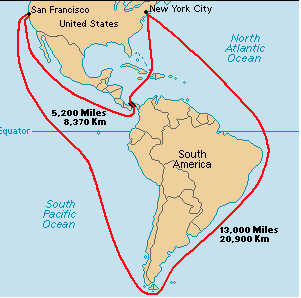
93.
What does this map support?
a)
US fought the Spanish navy in Atlantic and Pacific
b)
Spanish-American War led to new US territories
c)
America became a colonial power in South America by surrounding it
d)
Panama Canal is critical to US trade
94.

Which event in American History vaults the Mafia into relevance?

a)

The Great Depression

b)

Prohibition

c)

The Stock Market Crash

d)

World War I

95.

In the end Al Capone was put in prison for which crime?

a)

Murder

b)

Money Laundering

c)

Tax Evasion

d)

Extortion

96.
Some historians believe what contributing factor helped set the stage for World War II?
a)
Treaty of Paris
b)
Treaty of Versailles
c)
giving Germany funds 
97.
What position of power politically did Adolf Hitler rise to in Germany?
a)
President
b)
Emperor
c)
King
d)
Chancellor
98.
Which country was first invaded by Germany?
a)
France
b)
Sudentland 
c)
Belgium
d)
Poland
99.
Leader of Germany during World War II.
a)
Mussolini
b)
Stalin
c)
Roosevelt
d)
Hitler
100.
What was the time period where Adolf Hitler had 6 million Jews killed because he wanted a pure Aryan Race?
a)
Holocaust
b)
Reign of Terror
c)
Middle Passage
d)
Rwanda Genocide
101.
Means prejudice and hatred of the Jews.
a)
Racism
b)
Anti-Semitism
102.
Josef Menegle did majority of his experiments in which concentration camp?
a)
Chelmno
b)
Auschwitz
c)
Treblinka
d)
Sobibor
103.
Trials used to convict criminals who were in charge of the Holocaust.
a)
Nuremberg Trials
b)
Scopes Trials
104.
What happened September 11, 1938 when Adolf order the Jewish businesses and synagogues to be destroyed?
a)
Lieben
b)
Schmerzhaft
c)
Kristallnacht
d)
Glucklich
105.
What was the plan that Adolf and his advisors came up with to get rid of the Jews or anyone who resisted?
a)
Final Solution
b)
Starve them
c)
Beat them
d)
Killed them
106.
What did Jewish people in Nazi controlled areas have to wear to identify them as Jews?
a)
a yellow star of David
b)
a sign that said Jew
c)
Black clothes
d)
A yellow cross
107.
By the end of the Holocaust, over __________ Jews had been killed? 
a)
2 Million
b)
4 Million
c)
6 Million
d)
8 Million
108.
The Holocaust occurred during which war?
a)
World War I
b)
Civil War
c)
World War II
d)
Cold War
109.
What does the term genocide mean?
a)
the killing of all the pets in a country
b)
The murder of all the children in a country
c)
The murder of a particular gender of people like all the males
d)
the deliberate killing of a large group of people, especially those of a particular ethnic group or nation.
110.
What was a concentration camp?
a)
a place where large numbers of people, especially political prisoners or members of persecuted minorities, are deliberately imprisoned 
b)
A place where prisoners of war are placed
c)
A camp where people go to do work for the government
d)
A camp for students that have a hard time focusing on school
111.
Certain sections of cities were set aside to imprison Jews, these sections were called
a)
apartments
b)
projects
c)
ghettos
d)
government housing
112.
What was the name of the largest death camp located in Poland?
a)
Auschwitz
b)
Bergen-Belsen
c)
Belzec
d)
Treblinka