
 Worksheets
OC - WH - Exam 1 (Sem. 1/Q. 1/ 2024)
Total questions: 115
Worksheet time: 58mins

What event divides the Early Bronze Age and the Bronze Age proper?
The 4.2-kiloyear event
The fall of the Western Roman Empire
The rise of the Indo-Aryans
The invention of the wheel

Which trade route connected the western and eastern parts of Eurasia during Classical Antiquity?
The Silk Road
The Spice Route
The Incense Route
The Amber Road
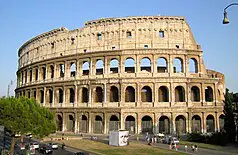
What event marked the end of Classical Antiquity around the year 500 CE?
The start of the Renaissance
The discovery of the Americas
The fall of the Western Roman Empire
The rise of the Mongol Empire
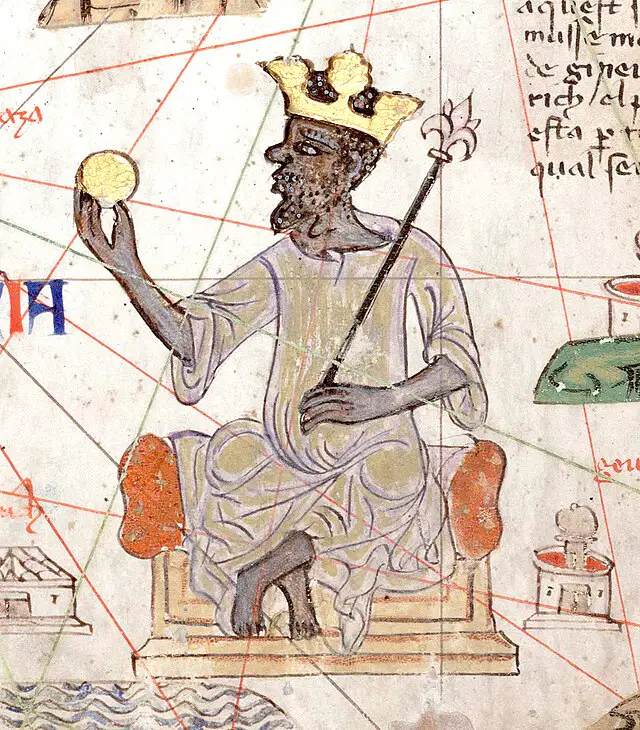
Who was the ruler of the Mali Empire known as the richest person ever in all of world history?
Genghis Khan
Alexander the Great
Julius Caesar
Mansa Musa
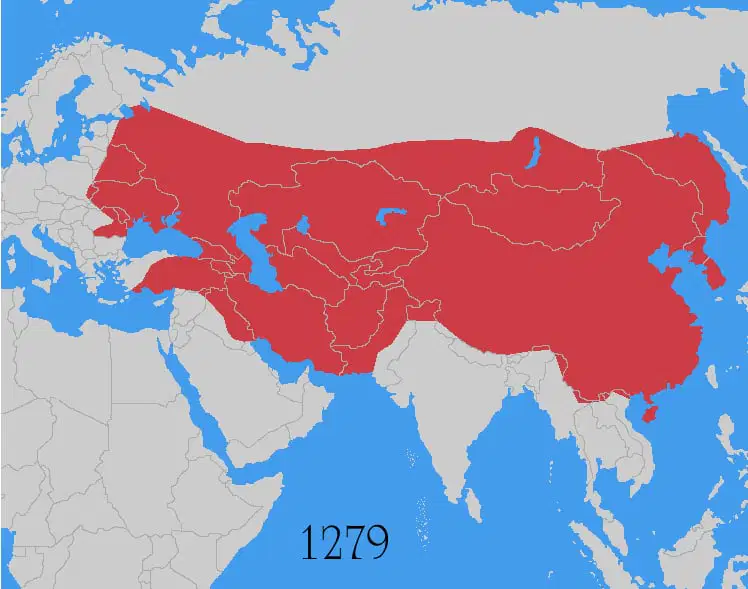
Which empire was the largest land empire of all time?
The British Empire
The Ottoman Empire
The Roman Empire
The Mongol Empire

What are the three common factors involved in the transitions between historical time periods?
Technological advances, economic changes, and political reforms
Religious movements, cultural shifts, and scientific discoveries
Climate events, mass migrations, and pandemics
Wars, treaties, and alliances
How many books are there in the Bible?
66
39
27
72
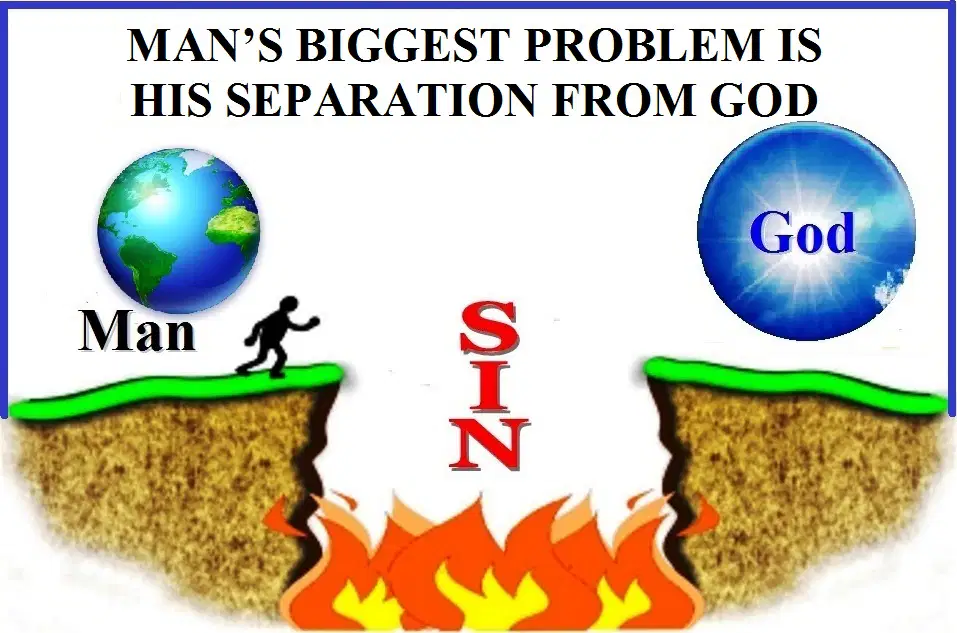
What event caused the separation between God and mankind?
The global flood
The fall of man
The tower of Babel
The exile to Babylon
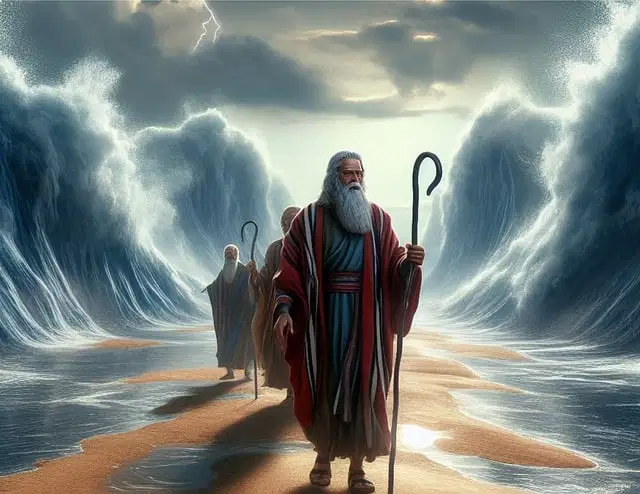
Who led the Israelites out of Egypt?
Aaron
Moses
Joshua
Caleb

Which king built the first temple in Jerusalem?
Saul
Hezekiah
Solomon
David
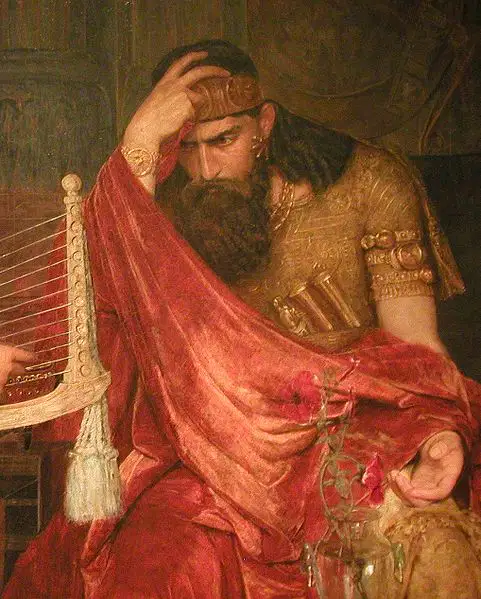
Who was the first king of Israel?
David
Samuel
Solomon
Saul

Which empire conquered the kingdom of Judah?
Persian Empire
Babylonian Empire
Roman Empire
Assyrian Empire

Who allowed the Israelites to return to Jerusalem and rebuild the temple?
Nebuchadnezzar
Herod the Great
Cyrus the Great
Alexander the Great

Who is considered the fulfillment of God's plan to reconcile humanity?
Jesus of Nazareth
John the Baptist
Moses
David
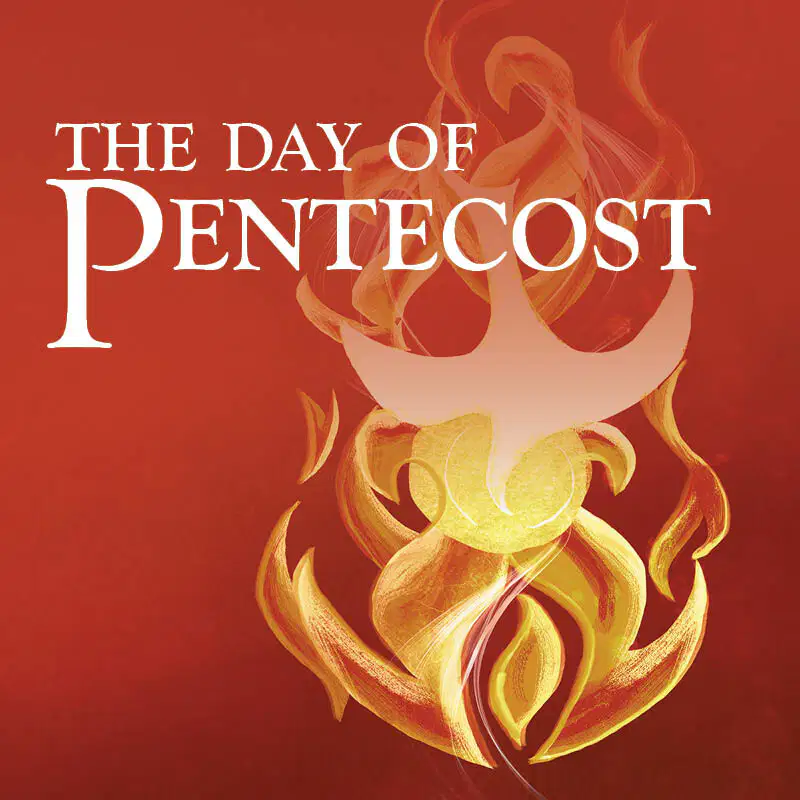
What significant event happened at Pentecost?
The sending of the Holy Spirit
The giving of the law
The building of the temple
Jesus' resurrection
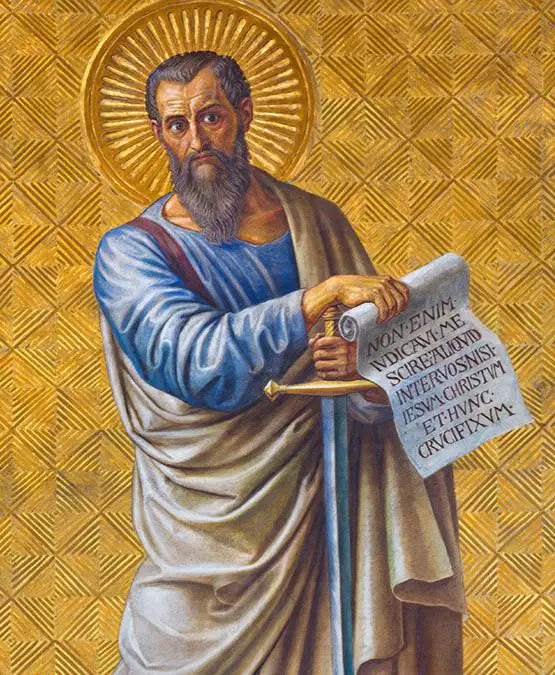
Who was the apostle that advanced the gospel message to the capital of the Roman Empire?
John
James
Paul
Peter

What is the Christian hope for all who believe?
Reincarnation
Nirvana
Rebirth as a higher being
Eternal life with God

What is the era we are currently in according to the video?
The Kingdom Age
The Church Age
The Age of Law
The Old Covenant
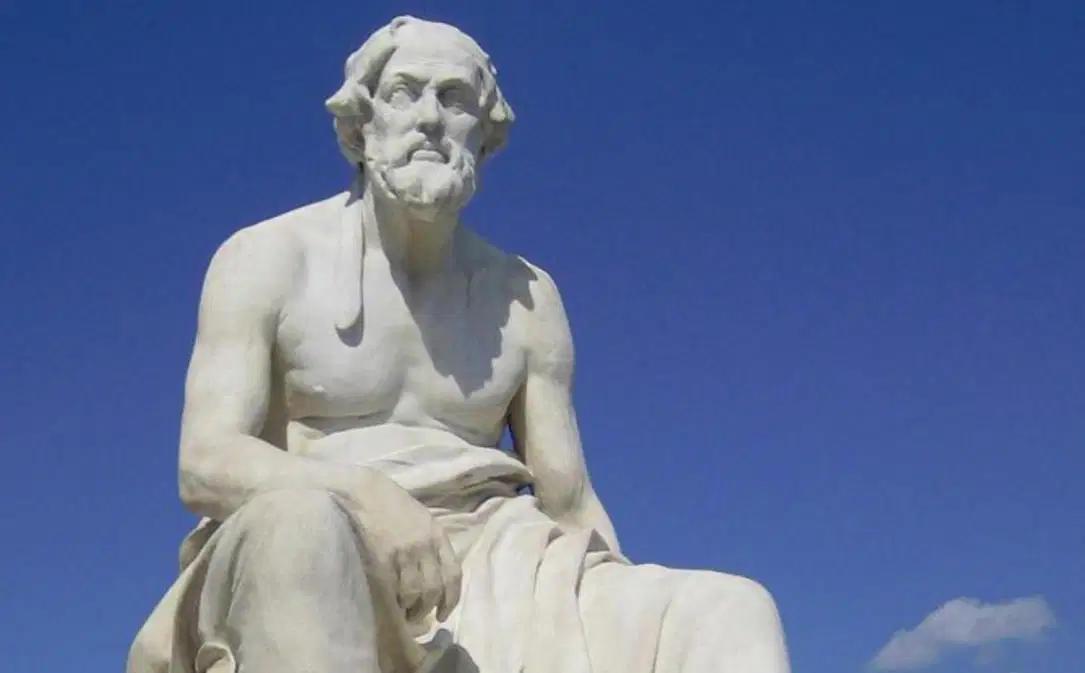
Who is considered the first historian according to the historian narrator (Victor Davis Hanson)?
Herodotus
Thucydides
Plato
Aristotle

What did Thucydides hope his work would achieve?
Be forgotten in history
Become a bestseller
Help future generations understand his time
Win the applause of the moment

What does Victor Davis Hanson suggest about the historian's ability to predict the future?
Historians have a crystal ball
Historians can predict the future accurately
Historians provide an invaluable guide, but not a crystal ball
Historians should not study the past

What is the danger of assuming history will repeat itself exactly?
It always does
It sometimes does
It is unpredictable
It never does

What is one example given of the dangers of appeasing enemies?
The Greek city-state's coddling of the Macedonian king Philip II
The Roman Empire's expansion
The American Civil War
The Industrial Revolution
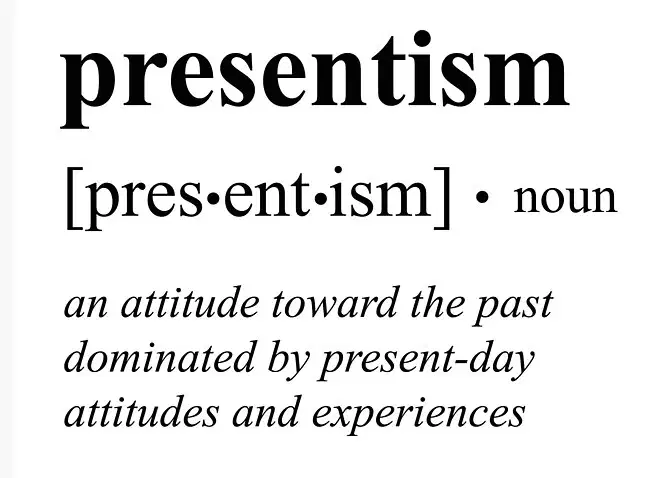
What is 'presentism' as described in the clip?
The study of the present
The belief that the present is the most prosperous period in history
The study of the future
The belief that history is irrelevant

What does Victor Davis Hanson suggest about applying contemporary standards to the past?
It is always accurate
It is neither fair nor wise
It is necessary
It is fair and wise

An example of the wrong-thinking of "presentism" is the story of American settlers on the Oregon Trail in the 1840s. While you may look at the events and see them as brutish and outdated, you may also look with awe and humility at which fact?
The settlers show a superior ability of survival than we do today.
The settlers were illiterate and ignorant.
The settlers demonstrated they were inferior to us in modern days in all aspects.
The settlers appear to have been sub-human

How does an analysis of our contemporary society dealing with the COVID-19 pandemic versus H1N1 Flu outbreak in 1918 demonstrate that past humans were sometimes as or more capable than us in recent times?
It doesn't. We had such a superior response to COVID than they did with H1N1 flu.
They experienced much more death and the outbreak was much worse than COVID-19 and yet the EFFECTIVELY dealt with it and overcame it.
It just shows that back then the virus wasn't as powerful
We are just smarter and more effective in today's world.

What does Hanson suggest about human nature?
It gets worse over time
It is unpredictable
It remains the same over time
It improves with technology
What does the study of history teach us about making judgments?
To always judge by modern standards
To value caution over certainty
To be certain about who is good and bad
To ignore historical figures

What is one of the many tragedies of history according to the text that we in current times should learn from?
That history is always positive
That history is irrelevant
That good efforts always lead to good outcomes
That complex men like Julius Caesar, Robert E. Lee, and Napoleon did some good things but led to bad outcomes
Which of the following best summarizes the lesson from the quote, "The past is not DEAD, in fact, it is not even PAST?
History is something we need to be knowledgeable about because it HELPS US in the present.
History is just stories with little or no value to today.
Even though we are far more superior and have what we need to excel in today, history has some interesting stories.
The present should be our focus because history has very little value.
What is the meaning of the Hebrew word 'resheet' from which Genesis is derived?
Creation
Beginning
Story
World

How is the book of Genesis primarily structured?
Into three main parts
As a continuous narrative
Into two main parts
As a collection of poems

What is the focus of Genesis chapters 1 through 11?
The laws of Moses
The story of God and the whole world
The life of Jesus
The history of Israel
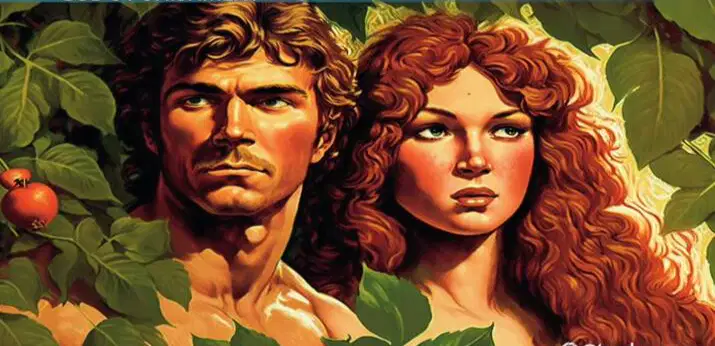
Who are the first human characters introduced in Genesis?
Abraham and Sarah
Adam and Eve
Noah and his family
Cain and Abel

What does the tree of the knowledge of good and evil represent?
A symbol of wisdom
A test of obedience
A choice to define good and evil
A source of eternal life

What is the core biblical explanation for the concept of sin?
The desire to call the shots myself
The feeling of guilt
The act of disobedience
The punishment from God
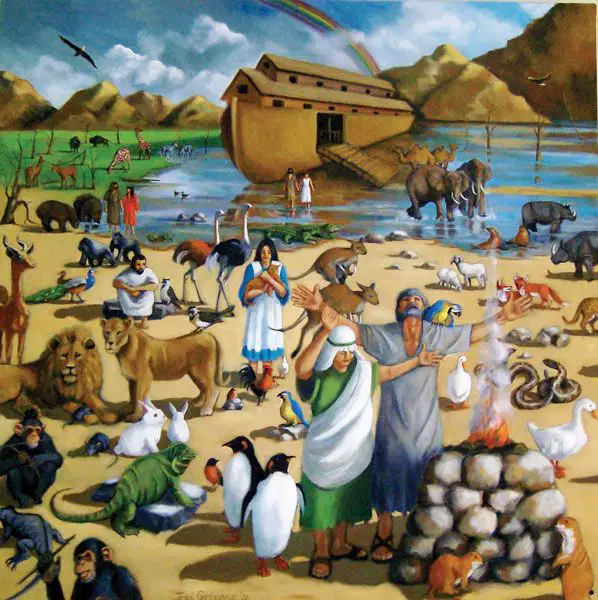
What is the significance of the flood story in Genesis?
It is a story of revenge
It begins with God's sadness and grief
It shows God's anger
It is a tale of human triumph

Who is chosen by God to preserve humanity during the flood?
Noah
Moses
Abraham
Adam
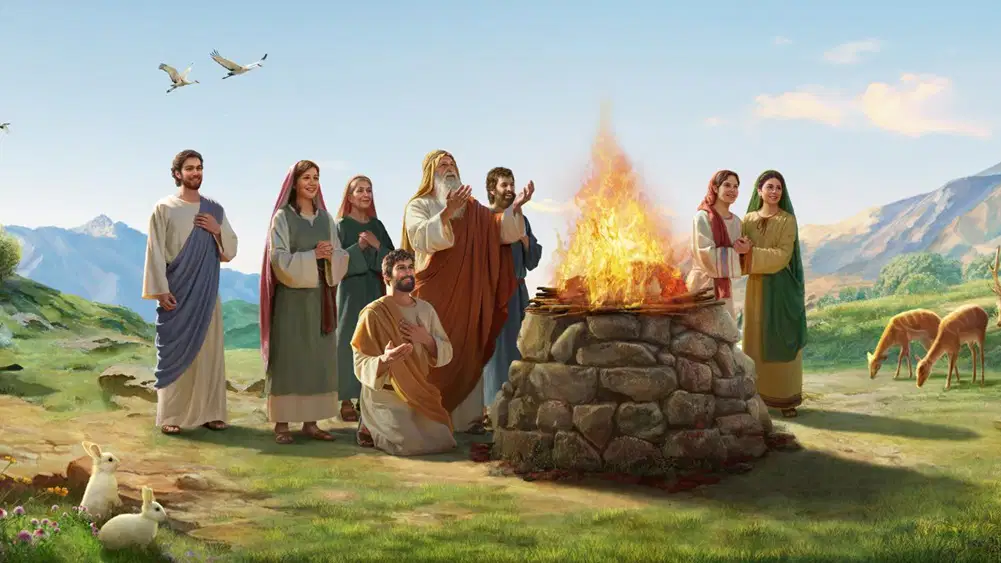
What happens to Noah after the flood?
He plants a vineyard and gets drunk
He ascends to heaven
He becomes a king
He builds a city

What is the main theme of the Tower of Babel story?
The unity of humanity
The invention of the wheel
The consequences of human pride
The building of a great city

What does the story of the Tower of Babel illustrate?
The need for leadership
The danger of human autonomy from God
The importance of language
The power of technology
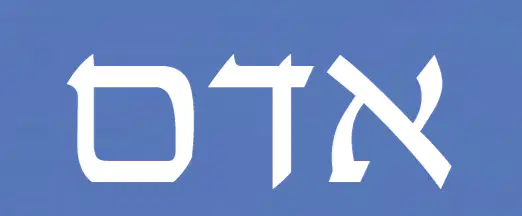
What is the Hebrew word for 'humanity' as mentioned in Genesis?
Eve
Cain
Adam
Noah

What is the Hebrew word for 'life' as mentioned in Genesis?
Cain
Noah
Adam
Eve

What is the ultimate question left by the stories in Genesis 3 through 11?
How can we achieve peace?
Will humanity ever learn?
Is there any hope for humanity?
What is the meaning of life?

What begins in the very next story after the Tower of Babel?
The life of Jesus
The journey of the Israelites
The mission of God to rescue and restore his world
The story of Moses
What foundational story is told in the first chapters of Exodus?
The creation of the world
The birth of Jesus
God rescuing the Israelites from Pharaoh
The fall of Jericho
What does God invite the nation of Israel to enter into at Mount Sinai?
A new land
A battle
A festival
A covenant relationship
What are the basic terms of the covenant known as?
The Beatitudes
The Ten Commandments
The Proverbs
The Psalms
What is the tabernacle described as?
A portable Eden
A fortress
A palace
A marketplace
What idol do the Israelites create while Moses is on the mountain?
A golden calf
A wooden lion
A bronze eagle
A silver serpent
How does God describe His own character to Moses?
Merciful and gracious
Indifferent and distant
Vengeful and wrathful
Joyful and carefree
What is the Ark of the Covenant described as?
A symbol of war
A golden box
A stone tablet
A silver chalice
What does Moses do to intercede for the Israelites after they sin?
He builds a new altar
He leaves the mountain
He offers a sacrifice
He appeals to God's character
What is the main conflict at the end of the book of Exodus?
Israel's sin threatening the covenant
A plague among the people
A war with neighboring nations
A famine in the land
What is the significance of the tabernacle's construction?
It is a place for trade
It marks the end of the journey
It symbolizes God's presence with Israel
It represents a new kingdom
How many total commands are given to ancient Israel in the Torah?
50
10
100
613
What is the primary purpose of the Torah according to the text?
To provide a list of punishments
To create new kinds of people who can love God and others
To establish a government
To record historical events
What does the word 'Torah' usually translate to in English?
The story
The prophecy
The law
The command
What is the pattern seen in the Torah regarding laws and Israel's behavior?
Laws are never broken
Israel rebels after laws are given
Laws are irrelevant to the story
Israel always follows the laws
What does Moses say is the problem with Israel's ability to follow God's laws?
They don't understand the laws
Their hearts are hard
They lack resources
The laws are too complex
According to the prophets, what is needed for Israel to obey the law?
A new leader
More laws
Transformed hearts
Better education
What did Jesus say fulfills all the laws in the Torah?
Building temples
Regular sacrifices
Love for God and others
Strict adherence to rituals
How did Jesus demonstrate the fulfillment of the law?
By overthrowing governments
By isolating himself
Through acts of compassion and mercy
By writing new laws
What did Jesus promise to send to help his followers fulfill the law?
Wealth and prosperity
A powerful army
God's Spirit
A new set of rules
According to the Apostle Paul, who fulfills the law?
The one who sacrifices
The one who loves
The one who prays
The one who fasts
Who are considered the Patriarchs in the biblical narrative?
Peter, Paul, and John
David, Solomon, and Saul
Moses, Aaron, and Joshua
Abraham, Isaac, and Jacob
What was Abraham's original name?
Adonai
Abimelech
Aharon
Abram
Which event is associated with Abraham's willingness to sacrifice his son?
Mount Zion
Mount Moriah
Mount Sinai
Mount Carmel
Who was Abraham's first son?
Ishmael
Isaac
Joseph
Jacob
What was the name of the land to which God called Abraham?
Assyria
Babylon
Egypt
Canaan
Who was the mother of Isaac?
Hagar
Rebekah
Sarah
Rachel
What was Jacob's name changed to?
Israel
Judah
Joseph
Benjamin
Which of Jacob's sons rose to great power in Egypt?
Judah
Levi
Reuben
Joseph
How many sons did Jacob have?
Twelve
Eight
Ten
Fourteen
What happened to the Hebrew nation while living in Egypt?
They built the pyramids
They conquered Egypt
They were exiled to Babylon
They became slaves
The Bible and the Timeline of World History - Which of these great civilizations were NOT in proximity with the Old Testament Israelites?
Egyptians
Assyrians
Persians
Han Dynasty

The Bible and the Timeline of World History - Which of the following great civilizations interacted with the Jews (located in modern-day Israel) during the Classical Antiquity Age?
The Romans
The Kush
The Han Dynasty
The Gupta Empire

The Bible and the Timeline of World History - Which of the following civilizations DID NOT conquer the Jewish people during Old Testament times (Bronze Age - Classical Antiquity).
Assyrians
Romans
Egyptians
Chinese (Zhou Dynasty)
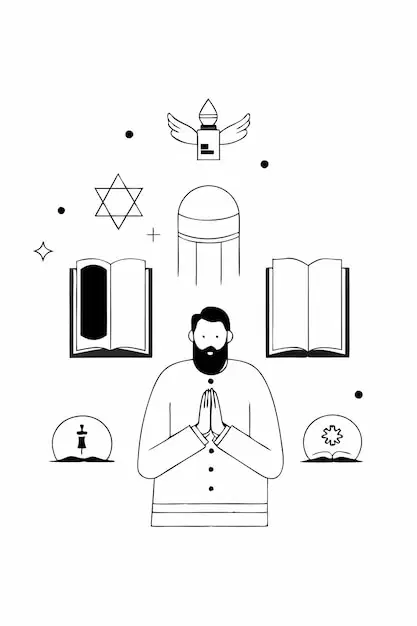
The Bible and World History Timeline - Which of the following IMPORTANT religious books was NOT written (in part) during the Classical Antiquity Age?
Old Testament Writings - Sacred Jewish texts
Sacred Hindu texts - Vedas, Upanishads.
Sacred Buddhist Texts
The Quran - Sacred Islamic texts
What is the main event in the first half of the book of Exodus?
Moses leading Israel out of slavery from Egypt
The creation of the world
The building of the Tower of Babel
The story of Joseph and his brothers
What significant event happens in the second half of the book of Exodus?
The Ten Commandments are given to Israel
The Israelites build the Ark of the Covenant
The Israelites conquer Canaan
Moses parts the Red Sea
Who is the king of Egypt that enslaves the Israelites?
Pharaoh
Caesar
Nebuchadnezzar
Herod
How does Moses first encounter God?
In a temple
On a mountain
In a dream
Through a burning bush
What is the first plague that God sends to Egypt?
Frogs
Locusts
Darkness
Turning water into blood
What is the purpose of the Passover meal?
To honor the Egyptian gods
To mark the beginning of a new year
To commemorate God's justice and mercy
To celebrate the harvest
What happens to Pharaoh and his army at the Red Sea?
They retreat back to Egypt
They make peace with the Israelites
They are destroyed
They capture the Israelites
What is the first song of worship in the Bible about?
Celebrating the creation of the world
Honoring the birth of Moses
Praising God for redeeming Israel
Thanking God for the harvest
What does the word 'redemption' mean in the context of Exodus?
To purchase a slave's freedom
To build a sacred tent
To conquer a land
To write a new law
What question arises as the Israelites wander in the desert?
When will they return to Egypt?
Where is the promised land?
Who will lead them now?
What were they saved for?
How many commandments are there in total in the Torah?
100
50
10
613
What is the primary purpose of the Torah according to the text?
To provide a list of laws
To tell a story about God's creation of a new kind of people
To serve as a historical document
To predict the future
What does the word 'Torah' usually translate to in English?
The story
The command
The prophecy
The law
What is the main issue with the Israelites following the laws?
They didn't understand the laws
Their hearts were hard
They were not educated
The laws were too many
Who did God choose to bless all nations through his family?
Isaac
Abraham
Jacob
Moses
What did Jesus say was the fulfillment of the law?
To follow all 613 commandments
To love God and love others
To worship regularly
To offer sacrifices
What did the prophets say was necessary for Israel to obey the law?
A new leader
Transformed hearts
A new temple
More laws
What did Jesus demonstrate through his actions?
The true nature of God
The importance of rituals
The need for more laws
The power of miracles
According to the text, what is the default setting of human hearts?
Aligned with God's law
Indifferent
Neutral
Opposed to God's law
What did Jesus promise to send to help his followers fulfill the law?
God's Spirit
A new set of commandments
A written guide
A new prophet
What was the Era of Judges in Israel?
A time when Israel was led by kings
A time when Israel was led by divinely appointed leaders called Judges
A time when Israel had no leaders
A time when Israel was ruled by foreign powers
What was the purpose of the lesson on the shift from Judges to Kings in Israel?
To understand the geography of Israel
To learn about the economic systems of ancient Israel
To understand the significance of leadership in shaping Israel's history and its relationship with God
To study the dietary habits of ancient Israelites
During what timeframe did the Period of Judges occur?
1500 – 1200 BCE
1350 – 1050 BCE
1000 – 800 BCE
800 – 600 BCE
What is the cycle described in the Book of Judges?
Peace → War → Peace
Sin → Oppression → Deliverance → Peace
Prosperity → Decline → Prosperity
Unity → Division → Unity
What was a consequence of not having a permanent leader in Israel?
Economic prosperity
Cultural renaissance
Chaos and moral decay
Technological advancement
What increased the instability in Israel leading to the demand for a king?
Economic growth
Continuous tribal conflicts and external threats
Peaceful relations with neighbors
Abundance of resources
What did the elders of Israel ask Samuel to do?
Build a temple
Appoint a king like all the nations
Lead them into battle
Divide the land among the tribes
What was the state of Israel during the Period of Judges?
A centralized kingdom
A loose confederation of 12 tribes
A unified empire
A colony of Egypt
What was the context for the transition to kingship in Israel?
Economic prosperity
Increasing instability and demand for centralized leadership
Peaceful relations with neighbors
Technological advancement
What was a consequence of establishing a monarchy in Israel?
Decreased taxes
Increased trade
Heavy taxes and conscription for armies
Improved education
What was significant about David's reign?
He expanded the kingdom
He established Jerusalem as the capital
He built the first temple
He conquered Egypt
What did the Davidic Covenant promise?
Eternal peace
David’s lineage would last forever
Wealth and prosperity
Victory in battles
What does the period of Judges and Kings demonstrate about Israel?
Economic growth
Struggle to balance earthly leadership with divine authority
Military expansion
Cultural development
What did David achieve after Saul's failure?
He expanded the kingdom
He was anointed as king
He built a temple
He conquered Egypt
What was David considered as a model king?
For his wealth
For his military conquests
For being “after God’s own heart”
For his architectural achievements

