
 Worksheets
RTL V Dative case practice
Total questions: 50
Worksheet time: 26mins
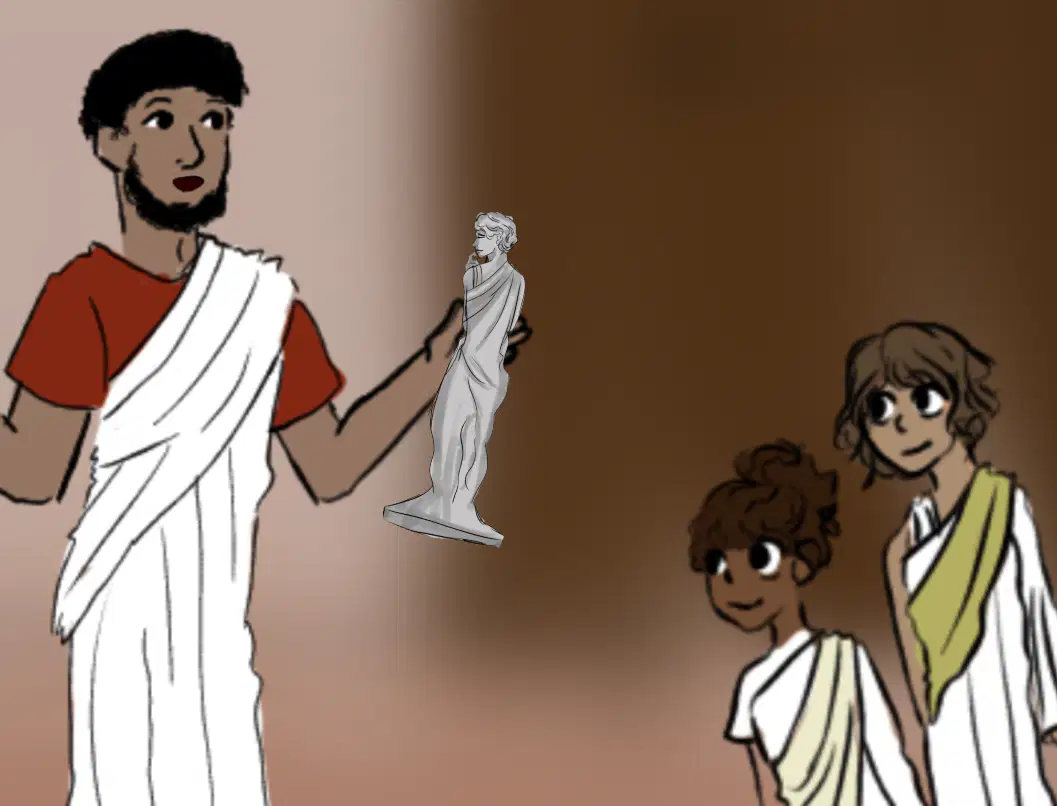
Galba puellīs statuam dat.
Match the following
Galba
nominative
puellīs
dative
statuam
accusative
dat
verb
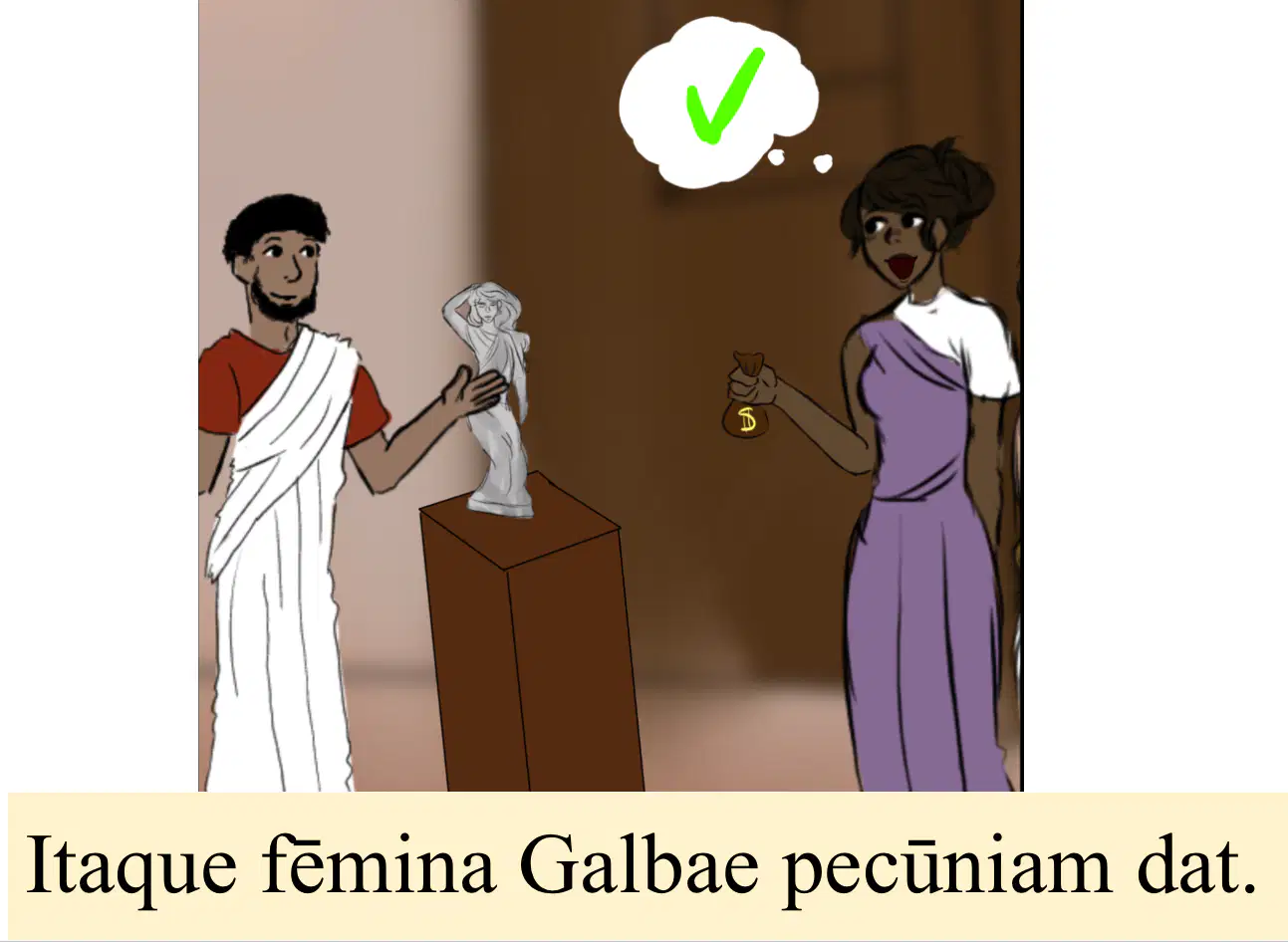
fēmina Galbae pecūniam dat.
Match the following
fēmina
nominative
Galbae
dative
pecūniam
accusative
dat
verb

tabernam puellae amant.
Match the following (be careful! Look at endings)
tabernam
accusative
puellae
nominative plural
amant
verb
magistra discipulae sellam dēmōnstrat.
Match the following
magistra
nominative
discipulae
dative
sellam
accusative
dēmōnstrat
verb
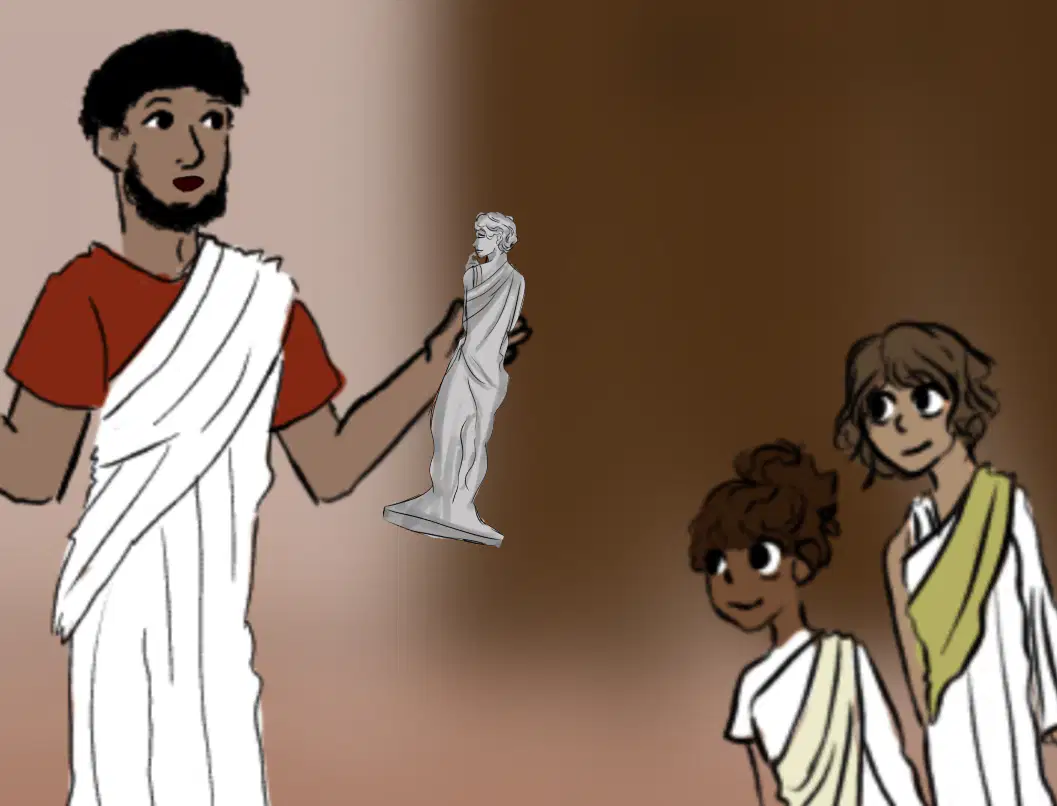
Galba gives a statue to the girls.
Galba _____ statuam dat.
puellīs
puella
puellās
puellārum

The woman gives money to Galba.
fēmina ____ pecūniam dat.
Galbae
Galbam
Galba
galbārum

The girls love the shop. (Be careful! Choose the ending that shows "shop" as the accusative direct object)
_____ puellae amant.
tabernam
taberna
tabernārum
The lady in charge shows the mansion to the maids.
domina _____ vīllam dēmōnstrat.
Choose the ending that shows the maids as the plural dative indirect object.
ancillīs
ancillam
ancillārum
The teacher shows a chair to the student.
magistra _____ sellam dēmōnstrat.
Choose the ending that shows the student as the dative indirect object.
discipulae
discipula
discipulam

Galba Claudiae parvam statuam dēmōnstrat.
Match the following
Claudiae
dative
parvam statuam
accusative
dēmōnstrat
verb
Galba
nominative
Singular and Nominative case ending = do-er of the action = subject
-a
-am
-ae
-īs
Plural and Nominative case ending = do-er of the action = subject
-a
-am
-ae
-īs
Singular and Accusative case ending = receiver of the action = direct object
-a
-am
-ae
-īs
Plural and Accusative case ending = receiver of the action = direct object
-as
-ābus
-ās
-īs
Plural and Genitive case ending = possession: “of or belonging to”
-a
-am
-ae
-ārum
Plural and Dative case endings = indirect object to or for.
-is/-abus
-am/-is
-ārum/-as
-īs/-ābus
Singular and Dative case ending = indirect object to or for.
-ae
-am
-ārum
-īs

"It is Galba's shop"
Match the following
Galbae
genitive
taberna
nominative
est
verb

Taberna est plēna statu___ et amphor___.
-am
-a
-ae
-ās
-ārum

Galba magn__ tabern__ habet.
(a)

Which Latin sentence describes the picture?
Galba puellās fābulās saepe nārrat.
Galba puellae fābulās saepe nārrat.
Galba puellīs fābulās saepe nārrat.
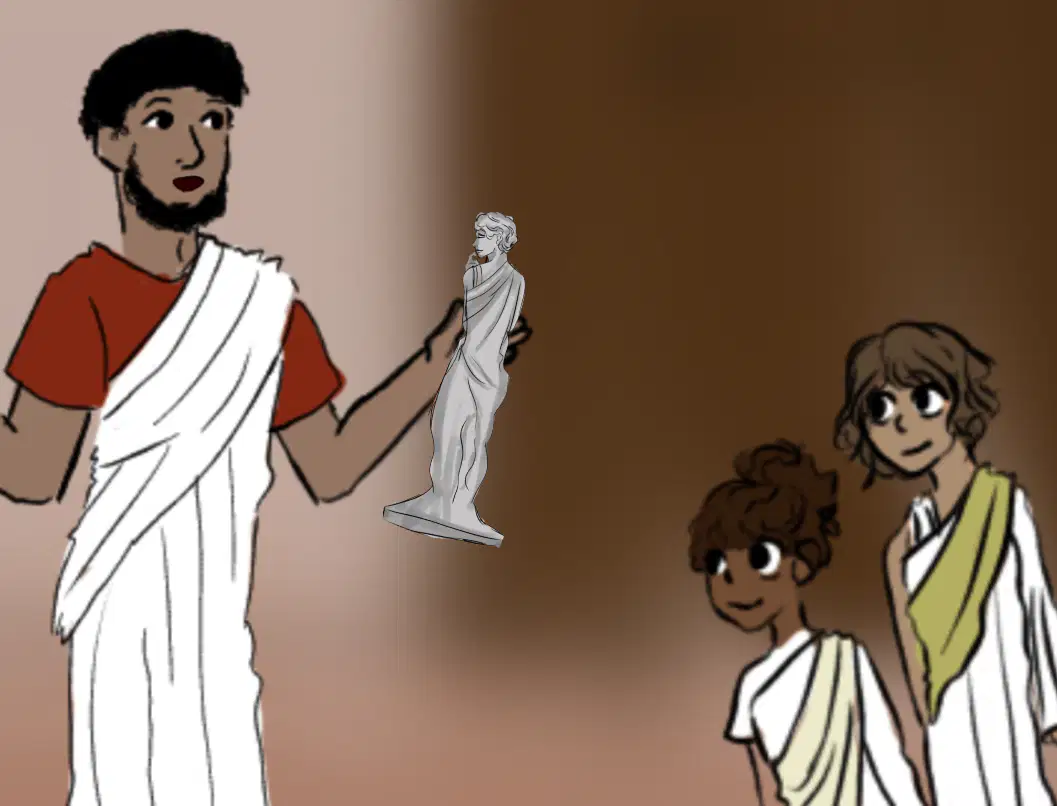
Which Latin sentence describes the picture?
Interdum Galba fīliāe Tulliae parvam statuam dat.
Interdum Galba fīliābus Tulliae parvam statuam dat.
Interdum Galba fīliās Tulliae parvam statuam dat.

Which Latin sentence describes the picture?
Tullia fīliīs vocat.
Tullia fīliās vocat.
Tullia fīliae vocat.

Which Latin sentence describes the picture?
Tum Galba fēminīs Rōmānīs amphoram dēmōnstrat.
Tum Galba fēminas Rōmānas amphoram dēmōnstrat.
Tum Galba fēminarum Rōmānam amphoram dēmōnstrat.

Respondē Latīnē, quaesō:
cui Camilla pecūniam dat?
Camilla Galba pecūniam dat.
Camilla Galbae pecūniam dat.
Camillae Galba pecūniam dat.
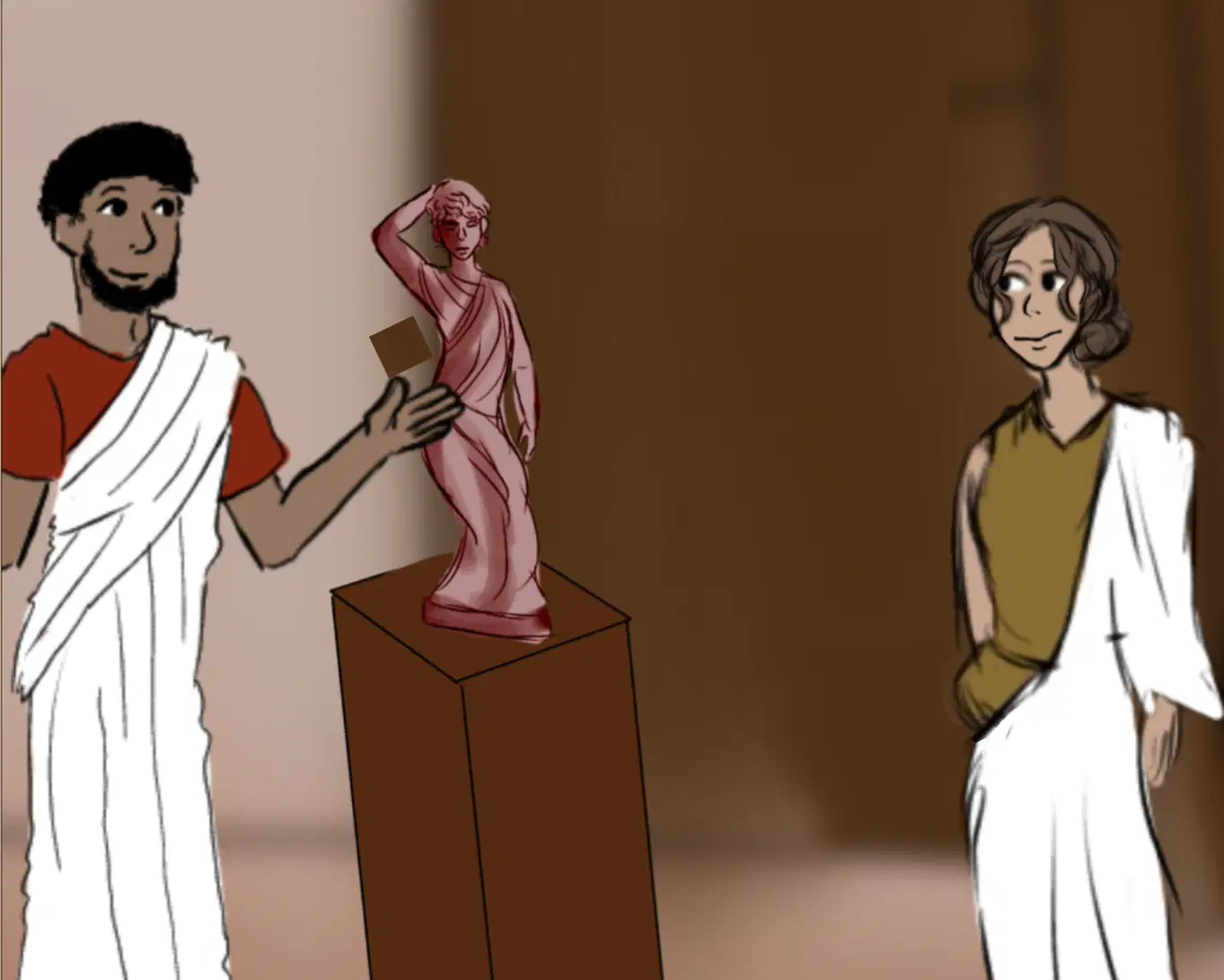
Respondē Latīnē, quaesō.
cui Galba rubram Diānae statuam dēmōnstrat.
Galba Camillae rubram Diānae statuam dēmōnstrat.
Galba Camillam rubram Diānae statuam dēmōnstrat.
Galbae Camillas rubram Diānae statuam dēmōnstrat.

Respondē Latīnē, quaesō:
quibus Galba amphoram dēmōnstrat?
Galba fīliae Tulliae amphoram dēmōnstrat.
Galba fīliās Tulliae amphoram dēmōnstrat.
Galba fīliābus Tulliae amphoram dēmōnstrat.

Respondē Latīnē, quaesō:
quibus Galba fābulās nārrat?
Galba fābulās saepe nārrat.
Galba puellīs fābulās nārrat.
Galba puellae fābulās nārrat.

money, wealth
via
pecūnia
itaque
nārrat

jar, vase
rubra
fābula
taberna
amphora

gives
dat
videt
nārrat
dēsīderat

shows, points out
laudat
cūrat
intrat
dēmōnstrat

longs for, wants, desires
dat
tum
nārrat
dēsīderat

story
taberna
interdum
amphora
fābula

hodiē
laudat
itaque
tum

sometimes
taberna
interdum
amphora
fābula

enters, goes into
laudat
cūrat
intrat
dēmōnstrat

and so, therefore
hodiē
vocat
itaque
tum

tells
dat
tum
nārrat
dēsīderat

then
spectat
videt
tum
via

sees
fābula
videt
laudat
dēsīderat

calls, summons
vocat
cūrat
intrat
dēmōnstrat

looks at, watches
spectat
interdum
pecūnia
cūrat

shop
amphora
taberna
lūna
rubra

goddess
domina
dea
silva
discipula
and
et
est
tum
sed

has
habet
vīta
ambulat
amat
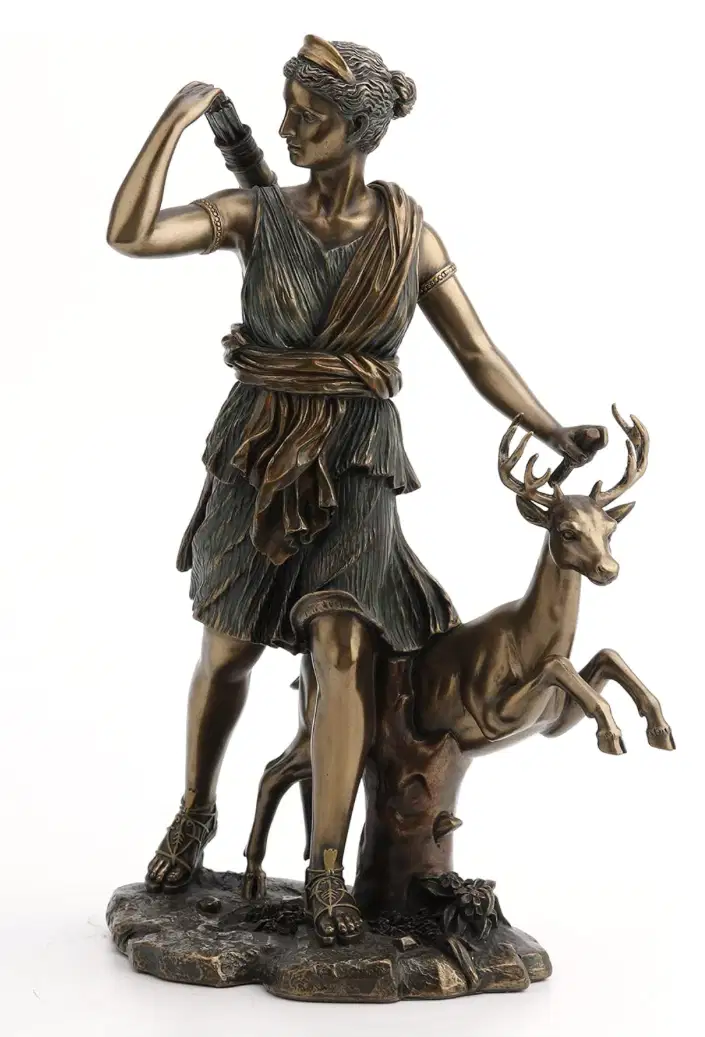
goddess of the moon and the hunt
Camilla
Minerva
Diāna

Quis est?
(a)

Quis est?
(a)

