
 Worksheets
Unit 6.6 Review
Total questions: 50
Worksheet time: 51mins
(7.MS-LS2-1) An organism that is killed and eaten by another organism
Predator
Competition
Prey
Adaptation
(7.MS-LS2-1) Hawks and owls eat the same type of food and struggle with one another to get their food. What is this an example of?
Competition
Symbiosis
Biotic factor
Population
(7.MS-LS2-1) The specific environment in which all the biotic and abiotic factors in an area interact.
Ecosystem
Organism
Biome
Community
(7.MS-LS2-1) Hawks and brown bears live together in the same habitat. There will be competition between the hawks and the brown bears only if which of the following is true?
Brown bears hibernate during the winter while hawks remain active.
Both brown bears and hawks feed on the same species of fish.
Pesticides in the fish population affect hawks’ eggs and decrease their population.
Both Shanna and Savanna feed on the same species of snakes.
(7.MS-LS2-1) An increase in which of the following factors is likely to contribute to competition between two members of the same species living in a certain habitat?
Available food resources
Annual snowfall
Population of the species
Overall size of the habitat

(7.MS-LS2-1) The population of deer in a certain area is monitored over a period of six years. The data is represented in the graph provided. Which of the following is the most likely explanation for the change in population in 2009?
Wild dogs, which prey on deer, were being hunted more than usual.
Humans introduced grazing animals that feed on the same plants as the deer.
Snowfall in the previous spring was higher than the yearly average.
More insects that pollinate flowering plants move into the ecosystem.
(7.MS-LS2-1) Competition becomes more important as the number of individuals ______ or the availability of resources _________.
increases, decreases
decreases, increases
increases, increases
decreases, decreases
(7.MS-LS2-1) Two species of fish live in the same pond. Which of the following would increase competition between these two species of fish?
Habitat temperature increases.
Number of food plants the fish eat increases.
Population of birds that eat the fish increases.
Water level in the pond decreases.
(7.MS-LS2-2) People can swallow the eggs of tapeworms in unclean water or food. Tapeworms can live inside the digestive system of humans. There they grow and feed off the food the person eats. As a result, the person does not receive proper nourishment and becomes ill. What kind of relationship exists between humans and tapeworms?
predation
mutualism
parasitism
Competition
(7.MS-LS2-2) A plant called the bullhorn acacia has swollen thorns with hollow spaces inside. A certain species of ant lays eggs inside these thorns. The ants feed from the nectar of the acacia without harming it.
The ants protect the acacia from insects that want to eat its leaves or bark. What type of relationship exists between the plant and the ants?
mimicry
parasitism
predation
mutualism
(7.MS-LS2-2) Spanish moss grows on the branches of oak trees. The moss benefits from being up high and the tree is neither helped nor harmed. What type of relationship exists between these organisms?
parasitism
competition
mutualism
commensalism
(7.MS.LS2-2) Large reef fish have a mutualistic relationship with cleaner fish. This means that as a result of the relationship ___________________.
one fish is hurt
both fish benefit
one fish benefits
neither fish benefits
(7.MS-LS2-2) Which interaction between species is most responsible for affecting the amount of environmental supplies available to any given species/organism?
competition
predator-prey relationships
symbiotic relationships
interactions between species do not affect the amount of environmental supplies available to a species/organism
(7.MS-LS2-2) Bees feed on the nectar produced in flowers. (7.MS-LS2-2) As they feed, pollen in the flower sticks to the bees. When a bee moves on to feed at another flower, some of the pollen is carried with it. Flowers are then able to reproduce. What type of relationship is this an example of?
parasitism
competition
mutualism
commensalism
(7.MS-LS2-4) What is an example of an abiotic factor?
Panda
Butterfly
Turtle
Weather
(7.MS-LS2-4) What is an example of a biotic factor?
skunk
soil
rocks
water
(7.MS-LS2-4) Which is the correct order of tropic levels?
Primary Consumer, Primary Producer, Secondary Consumer, Tertiary Consumer
Tertiary Consumer, Primary Consumer, Secondary Consumer, Primary Producer
Primary Producer, Primary Consumer, Secondary Consumer, Tertiary Consumer
Quaternary Consumer, Tertiary Consumer, Secondary Consumer, Primary Producer
(7.MS-LS2-4) In a Kentucky pond ecosystem, an alligator snapping turtle has no predators. This makes him a _______.
Primary consumer
Secondary consumer
Tertiary consumer
Decomposer

(7.MS-LS2-4) Which of the following would be the most likely effect, if there were a sudden increase in the cricket population?
There would be a decrease in the small bird population.
There would be a decrease in the mice population.
There would be a decrease in the grass/flowers population.
There would be an increase in the grass/flowers population.

Which of the following is a producer? (MS-LS2-3)
lion
caterpillar
green plants
rabbit

Which organism consumes the snake? (MS-LS2-3)
frog
green plants
hawk
rabbit

Which organism is a primary consumer? (MS-LS2-3)
rabbit
green plants
lion
snake

Most of the energy for this ecosystem most likely comes from. (MS-LS2-3)
green plants
sun
wind
tertiary consumers
Which of the following is not a biotic factor in an ecosystem? (MS-LS2-3)
plants
animals
insects
air

Which of the following is a secondary consumer in the food web? (MS-LS2-3)
mice
birds
insects
oak trees

If all of the mice were to go extinct which of the following would be true? (MS-LS2-3)
there would be an increase in the number of snakes
there would be a decrease in the number of insects
there would be a decrease in the number of hawks
there would be an increase in the number of raccoons

If pesticides were to prevent hawks from reproducing what else would be true? (MS-LS2-3)
There would also be a decrease in the mice population
There would also be an increase in the oak tree population
There would also be an increase in the snake population
There would also be a decrease in the raccoon population

Which of the following organisms get the most energy from the insects? (MS-LS2-3)
bird
raccoon
hawk
oak trees

Which of the following is a food chain that can be made out of the web above? (MS-LS2-3)
hawk> snake> owl> insects
oak tree> snake> mouse> raccoon
oak tree > insects> raccoon> hawks
oak tree > mice > snakes > hawks
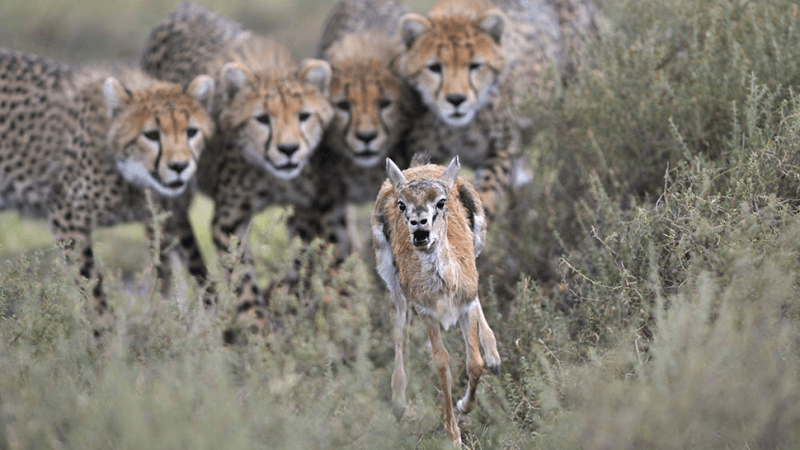
Hawks and owls eat the same type of food and struggle with one another to get their food. What is this an example of?
Competition
Biotic factor
Symbiosis
Population

Two or more interacting individuals of the same species located in the same area.
Population
Community
Ecosystem
The YMCA
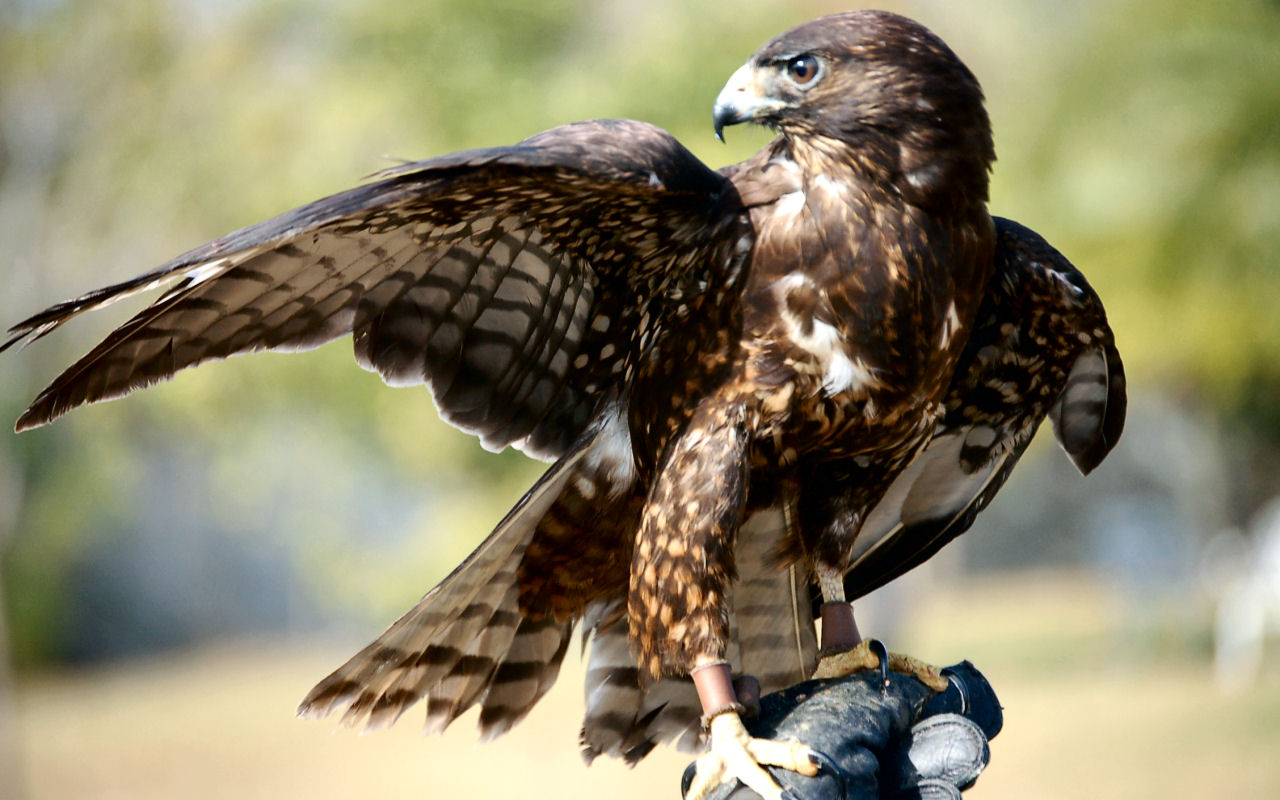
Hawks and brown bears live together in the same habitat. There will be competition between the hawks and the brown bears only if which of the following is true?
Brown bears hibernate during the winter while hawks remain active.
Pesticides in the fish population affect hawks’ eggs and decrease their population.
Both brown bears and hawks feed on the same species of fish.
Both Shanna and Savanna feed on the same species of snakes.
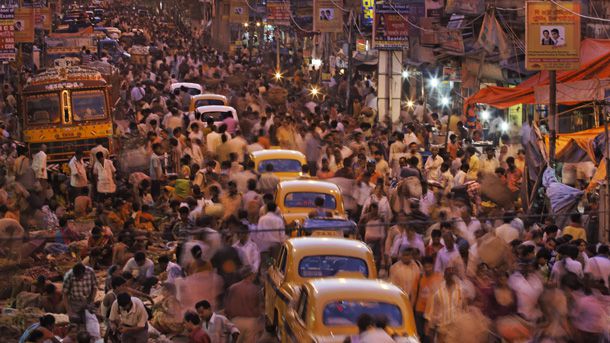
An increase in which of the following factors is likely to contribute to competition between two members of the same species living in a certain habitat?
Available food resources
Population of the species
Annual snowfall
Overall size of the habitat

A student wants to investigate competition between two organisms. For the investigation, it is most important that the student should choose organisms that –
reproduce at a faster rate.
are both active during the night.
have the different adaptations.
require the same resources.
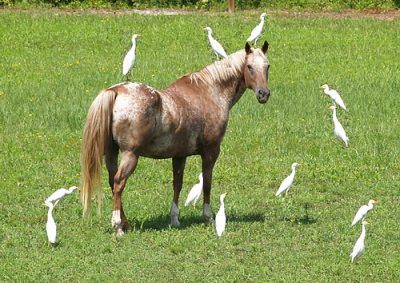
Competition becomes more important as the number of individuals ______ or the availability of resources _________.
increases, decreases
increases, increases
decreases, increases
decreases, decreases
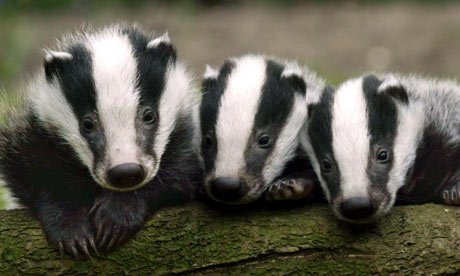
In an ecosystem, what do organisms and populations with similar needs compete over?
food
water
shelter
all of the above
The milkweed plant serves an important role in the life cycle of the monarch butterfly. Adult monarchs lay their eggs on milkweed, and then caterpillars eat that same plant during their development. Based on the relationship between monarchs and milkweed, which of the following trends would be predicted when looking at data on the populations of these two organisms?
A decrease in the milkweed population will cause a decrease in the monarch butterfly population.
When the milkweed population decreases, the monarch butterfly population stays the same.
A decrease in the milkweed population will cause the monarch population to increase.
When the monarch population increases, the milkweed population stays the same.
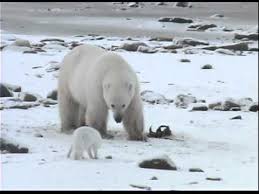
Two arctic fox are fighting with a polar bear for a sea lion carcass. One fox distracts the bear while the other eats. What type of limiting factor is the polar bear?
Predator-Prey Relationships
Competition
Herbivory Effect
Weather

Characteristics that a good solution MUST meet
Constraint
Criteria
Characteristics that a good solution SHOULD meet
Constraint
Criteria


What year is the lion population the highest
1920
1990
2000
2020

1920
2000
1960
1900
A flea feeds on a mouse's blood to the mouse's harm.
commensalism
parasitism
mutualism

