
 Worksheets
CNS vs PNS
Total questions: 50
Worksheet time: 28mins
The job of the somatic nervous system is to control breathing and the respiratory system.
True
False
What is NOT part of the peripheral nervous system (PNS)?
axons
sensory receptors
spinal cord
motor neurons
When your sympathetic nervous system is very active, which of the following would happen?
heart rate decreases
sweat increases
immune system response increases
digestion increases
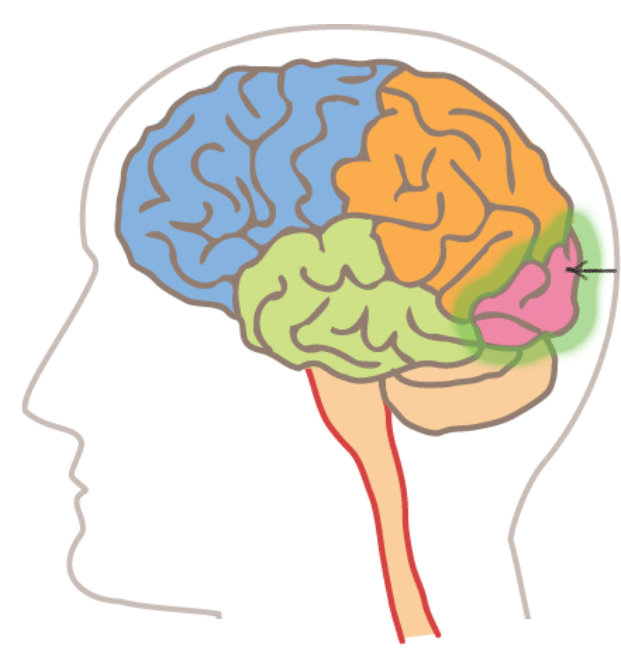
Identify the lobe of the brain highlighted.
Frontal lobe
Parietal lobe
Occipital lobe
Temporal lobe
The center of visual perception
Frontal lobe
Parietal lobe
Occipital lobe
Temporal lobe
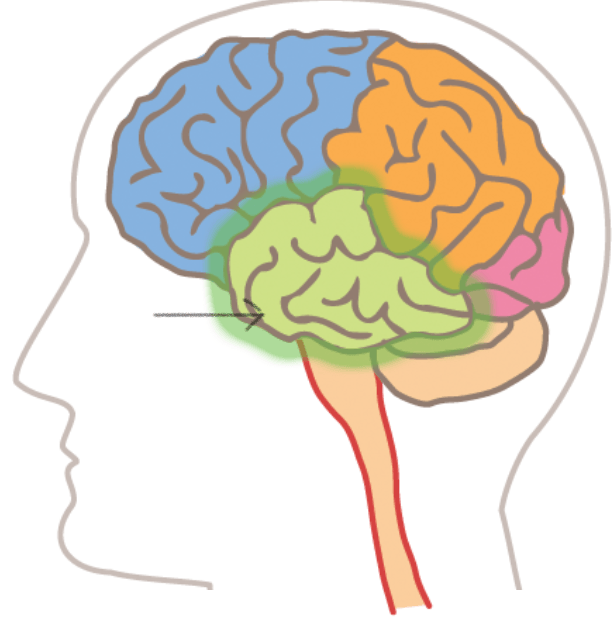
Identify the lobe of the brain highlighted.
Frontal lobe
Parietal lobe
Occipital lobe
Temporal lobe
Processes hearing, language and helps us identify faces.
Frontal lobe
Parietal lobe
Occipital lobe
Temporal lobe
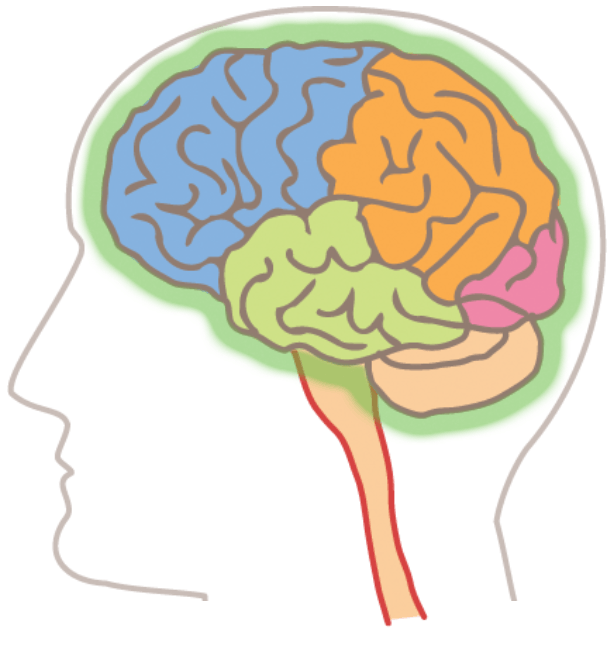
Identify the area of the brain highlighted.
Frontal lobe
Cerebrum
Cerebellum
Hypothalamus
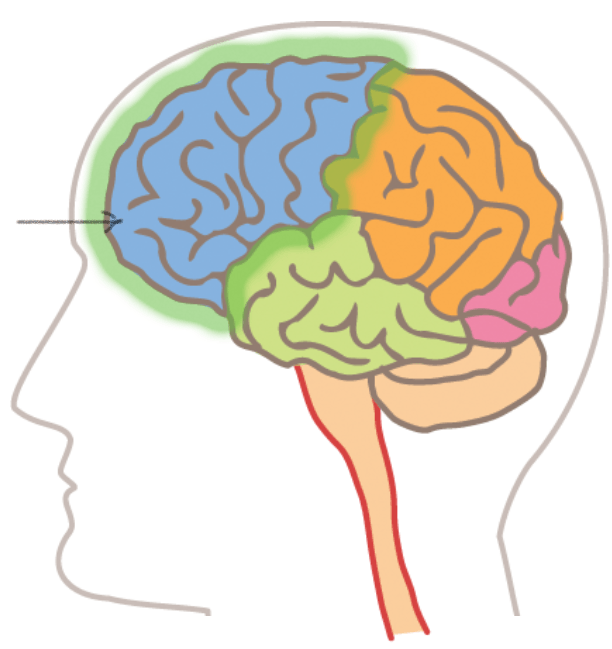
Identify the area of the brain highlighted.
Frontal lobe
Parietal lobe
Cerebellum
Cerebrum
Functions include initiating voluntary movement, working memory, personality, and higher cognitive functions such as decision-making and judgment.
Frontal lobe
Parietal lobe
Occipital lobe
Temporal lobe
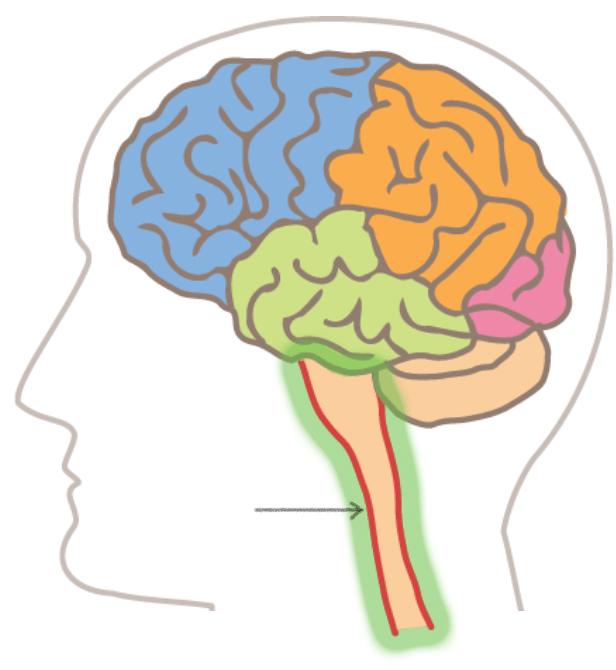
Identify the area of the brain highlighted.
Brain stem
Cerebellum
Spine
Medulla oblongata
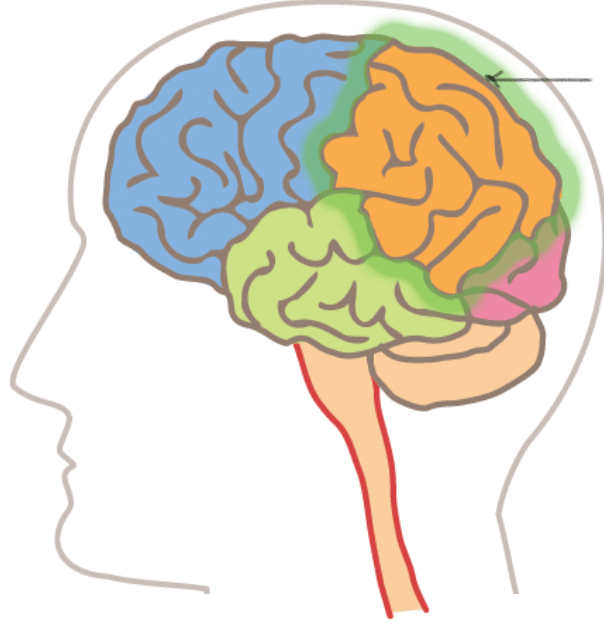
Identify the area of the brain highlighted.
Cerebellum
Parietal lobe
Brain stem
Temporal lobe
Responsible for integrating sensory information, including touch, temperature, pressure and pain.
Frontal lobe
Parietal lobe
Occipital lobe
Temporal lobe

This part of the the brain is an area last to develop. It is responsible for analyzing information making good decisions.
Parietal
Temporal
Occipital
Frontal

Which lobe of the brain will recognize places?
Frontal
Parietal
Temporal
Occipital
Which part of our brain do we rely on for problem solving?
Parietal
Temporal
Occipital
Frontal

Which part of the brain allows us to recall or remember information?
Frontal
Parietal
Temporal
Occipital

Damage to the brain at the ____ lobe may cause visual problems.
Parietal
Frontal
Temporal
Occipital

Which lobe of the brain do we rely on to understand our location in directions?
Frontal
Occipital
Parietal
Temporal

Damage to the _____ lobe may affect our ability to hear sounds.
Parietal
Frontal
Occiptial
Temporal

Which part of our brain do we rely on for problem solving?
Parietal
Temporal
Occipital
Frontal

This lobe of the brain controls our sense of smell.
brain stem
cerebellum
frontal
parietal
This part of your brain controls your heart beat and how you digest food.
cerebellum
frontal lobe
parietal lobe
brain stem
This part of your brain controls your body's sense of hot and cold.
temporal lobe
occipital lobe
parietal lobe
frontal lobe


The part of the brain that is used for functions such a memory, problem-solving, emotions, etc.
Frontal Lobe
Temporal Lobe
Parietal Lobe
Occipital Lobe
Hemisphere of the brain that is most associated with artistic abilities
Left
Right

Identify the part of the brain highlighted in the image
Cerebellum
Cerebrum
Brain stem
Hypothalamus
Relay center for sensory impulses to cerebral cortex. Also involved in memory.
Thalamus
Hypothalamus
Limbic system
Midbrain
Myelinated fibres of the tract forms –
White matter
Grey matter
White and grey matter
Red matter
How many layers does the meninges consist of?
1
2
3
4
What would a left-brained dominant person be like?
Messy and unorganized
Remembers faces
Logical and analytical
Emotional
This structure is part of the diencephalon and serves as the sensory traffic controller. It routes all the incoming sensory information to the appropriate place.
Thalamus
Hypothalamus
Pineal gland
Brainstem
What is the watery liquid that bathes the brain and spinal cord and helps protect them?
CNS
PNS
CSF
CPS

