
 Worksheets
Biology Revision
Total questions: 49
Worksheet time: 28mins
What makes up around 55% of the blood?
Plasma
Red Blood Cells
White Blood Cells
Platelets
What carries oxygen around the body?
Plasma
Red Blood Cells
Platelets
White Blood Cells
Which of the following is NOT a type of blood vessel?
Artery
Capillary
Vein
Ventricle
What is the function (job) of the platelets?
To form clots (i.e. scabs) when you have cuts and grazes.
To transport oxygen to the muscles
To carry dissolved sugars.
To produce antibodies
What is the function (job) of the white blood cells?
To transport oxygen around the body.
To carry dissolved sugars.
To clot and cover wounds like cuts and grazes.
To release antibodies to help destroy infections.
What is the function (job) of the plasma?
To release antibodies to fight infections.
To transport oxygen around the body.
To carry dissolved nutrients and sugars.
To transport oxygen around the body.
What is the function (job) of the red blood cells?
To transport oxygen around the body and to the muscles.
To release antibodies to fight infections.
To carry dissolved nutrients and sugars.
To clot and form scabs if there is a wound on the body.
Which blood vessels take blood TO the heart?
Veins
Arteries
Capillaries
Which blood vessels take blood AWAY from the heart?
Veins
Arteries
Capillaries
Which is the smallest of the 3 blood vessels?
Veins
Arteries
Capillaries
What type of blood do the arteries usually carry?
Oxygenated Blood
Deoxygenated Blood
Which blood vessel has valves to prevent the back-flow of blood?
Veins
Arteries
Capillaries
The thickest and strongest blood vessel is the
vein
artery
capillary
both veins and capillaries
The blood vessel that has the largest diameter is
vein
artery
capillary
What are the three main components of the circulatory system?
brain, lungs, heart
blood, brain, lungs
blood vessels, stomach, heart
heart, blood, blood vessels

Which type of blood vessel has thinner walls?
artery
vein
Your heart is an involuntary muscle that is always working.
True
False
Which of the following are chambers of the heart?
Valves
Atrium and ventricle
Arteries and veins
Sinoatrial nerve
Blood clots can cause a heart attack
True
False
The pulmonary artery is the artery that carries the blood to your heart from your lungs.
True
False

Which is NOT a function of the blood
Transports blood cells
Breaks down urea
Carries carbon dioxide to the lungs
Carries soluble products of digestion

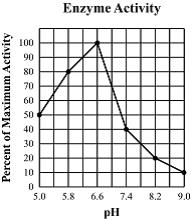
Which part of the digestive system had a low pH to help the enzymes with low optimum pH level
Mouth
Large Intesine
Small Intestine
Stomach
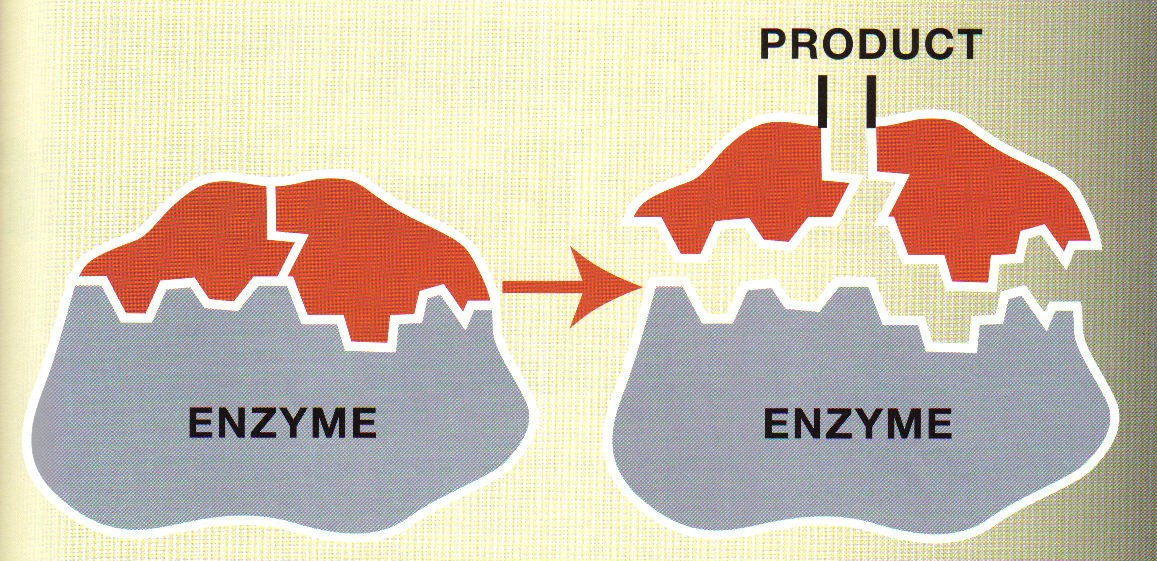
Which one of these statements about enzymes isn't true.
The active site on the enzyme has a specfic shape to only fit one substrate.
When the temperature around the enzyme is above it's optimum temperature, the enzyme will start to denature.
Enzymes can speed up reactions. Examples can be breaking down molecules, or putting molecules together.
When a enzyme is in a pH that is not in it's optimum pH range, it will die.
Denaturing is when the enzyme, and it's active site, change shape.
Cornary heart disease (CHD) is when arteries on the heart become blocked with fatty deposits. What isn't a signifcant factor that increases the chance CHD.
Blood Chloesterol Levels
Genetics
Diet and Exercise
Testerone Levels

What treatment for Coronary Heart Disease does this picture show?
Stent
Statin
Heart Transplant
By-Pass
Protease breaks down (a) molecules.
Lipase breaks down (a) molecules.
Amylase breaks down (a) molecules.
What are the products of aerobic respiration?
glucose and carbon dioxide
glucose and water
carbon dioxide and water
oxygen and water
Where in the body does respiration occur?
In the heart
In all living cells
In the muscles
In the lungs
Which of the following is NOT a use of the energy released in respiration
breaking down large molecules into smaller ones
muscle contraction
active transport
maintaining a steady body temperature
True or false: cells need oxygen to release large amounts of energy
True
False

