
 Worksheets
plants,animals and their adaptation
Total questions: 100
Worksheet time: 1hrs 14mins

An adaptation that helps a cactus live in the desert is its
wide, flat leaves to catch water
bright green color
thin, spiny needles
tall stems
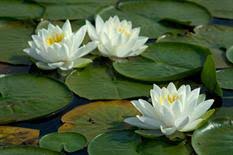
Water lilies live in lakes and ponds. It is an example of
Free floating plant
Fixed plant
Submerged plant
What is it called when a plant or animal has a trait that helps it survive in a specific environment?
instinct
mimicry
camouflage
adaptation
Which of the following adaptations best explains how pine trees are able to prevent water loss or damage from freezing temperatures?
Pine trees have thick bark
Pine cones produce seeds.
Pine tree roots go deep underground.
Pine needles are thin and have a wax coating.
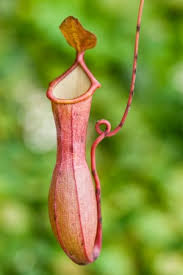
Identify the picture
sundew
Venus flytrap
pitcher plant
Why does the carnivorous plant eat bugs?
Soil in the swamps has few nutrients.
Soil in the pond has few fish.
Soil in the swimming pool has few plants.
The trees that remain almost green throughout the year
Terrestrial
Aquatic
Deciduous
Evergreen
One example of trees that bear cones with seeds
Rubber
Fir
Coffee
Leaves of underwater plants do not have stomata. One example of such a plant is....
Lotus
Hyacinth
Hydrilla
Water lettuce
Mangrove trees have this feature
Stilt roots
Breathing roots
Both 1 and 2
None
_____________ grow in desert.
mesquite bush
cactus
pine
both Mesquite bush and cactus
The trees that look green throughout the year is called (a) trees.
The tree that shed its leaves in winter is _______________.
cedar
spruce
oak
mesquite bush
Trees growing in the (a) have lots of spreading branches.
(a) trees grow in marshy places.
Plants that grow in water is called (a) plants.
Choose the fixed plants.
duckweed and lettuce
hydrilla and tape grass
water lily and lotus
all the given
___________ do not have stomata.
underwater plants
floating plants
fixed plants
All the given
The plants that eat insects are called (a) plants.
Mould is a living thing but cannot make its own food because______________
It has chlorophyll
It does not have chlorophyll.
Both the given options
None of the given
1) Which plant needs to eat insects to survive?
Underwater plants
Desert plants
Carnivorous plants
All of these
2) Which of the following is an adaptation of desert plants?
The leaves are very soft.
The leaves are mouths and traps.
The stem is thick , fleshy and holds water.
The leaves have air space inside.
3) Which of the following is an adaptation of aquatic plants?
The stems have air space.
The leaves are thin
The stem is thick.
Have spines on stems.
4) Why do plants need to adapt?
to survive
to protect
both (a) and (b)
none
5) What is terres trial plant?
(a) plant grown on land
(b) plant grow in water
(c) both (a) and (b)
6) Tall, straight and needle – like leaves bearing plant grows on ___________. (d) none of these
(a) mountain
(b) plains
(c) deserts
(d) all of these
7)Pine, fir, deodar and spruce are good example of __________.
Ornamental plant
Conifers
Aquatic plants
cactus
8) They shed their leaves in winter to protect themselves from cold weather.
(a) conifers
(b) deciduous
(c) evergreen
(d) none of these
9) __________ tree never shed their leaves.
(a) conifers
(b) deciduous
(c) evergreen
(d) none of these
10 ) Which tree grows in marshy area?
(a) Mango
(b) Mangrove
(c) pine
(d) water lettuce
Bears are able to survive in winter months because they do which of the following?
Migration
hibernation
Mimicry
Camouflage
What does an eagle’s sharp beak help it to do?
Run from predators
Catch its prey
Hide from predators
Migrate
Which of these is an example of physical adaptation?
A shivering cat
A desert
A parrot walking
A duck's webbed feet
What kind of behavior is a parrot showing when it says its own name?
Learned
Basic
Suitable
Instinctive
How would being able to change colors help an animal to survive?
It will help him find food.
It would make it so the babies could recognize their mom by her color.
It won't help at all.
It would be more difficult for its enemy to find him, so he could live longer.
What is not the example of behavioral adaptation?
Hibernation
Migration
Camouflage
instinct
Which of these is an example of instinctive behavior?
A Shivering cat
A dolphin catching a ball
A horse pulling a cart
A bird talking

Camouflaged is an animal that look like the things around it. Camouflaged is an animal that look like the things around it.
In a tree
On a beach
Under water
In deserts
When a living thing copies the appearance of another living thing as a means of protection?
Mimicry
Mockery
A behavioral adaptation
Natural selection
The colours and patterns on a turtle shell help it blend in with the forest floor. This is an example of ___________.
Migration
Hibernation
Mimicry
Camouflage

Adaption: birds flying south for the winter
What is the process by which plants make their own food?
metamorphosis
photosynthesis
cooking
photography
What things must plants have in order to make food?
Oxygen, sunlight, carbon dioxide
water, sunlight, oxygen
leaves, roots, stems, petals
carbon dioxide, water, sunlight
What food do plants make?
sugar (glucose)
oxygen
seeds
carbon dioxide
Photosynthesis is
captures energy from sunlight
the process in which plants make food
tiny structures in a plant cell
the substance that makes plants green
What is the substance that makes plants green and captures energy from the sun?
cells
leaves
water
chlorophyll
What part of the plant takes in water and nutrients from the soil?
leaves
roots
stem
petals
What part of the plant helps catch sunlight to make food?
leaves
roots
stem
petals
What is the waste product that is produced from photosynthesis?
oxygen
carbon dioxide
dirt
sugar
Why would we die if all the plants in the world died?
there would not be carbon dioxide for us to breathe
plants are pretty and we would not have them to look at
plants produce oxygen, and there would be no more oxygen for us to breathe
we would not have any more sugar
Which of these are not needed for photosynthesis
Sunlight
Carbon Dioxide
Oxygen
Water
Through which part does carbon dioxide enter the leaf?
Stomata
Vein
Root
Flower
What is the sorce of energy plants use for photosynthesis?
oxygen
carbon dioxide
sunlight
water
Why do some plants consume insects?
they are evil plants
they need additional nutrients
they dislike flies
they can't complete photosynthesis
What do plants get from the soil?
nutrients
food
bugs
sunlight
What are stomata?
parts of the flower that make food
bumps on the roots of a plant that eat soil
tiny mouths on the undersides of leaves
rough patches on leaves that protect plants from being eaten
Write in one word:
The process by which plants make food in leaves.
(a)
Write in one word:
Tiny openings on the underside of leaves which help a plant to breathe.
(a)
Write in one word:
The green substance in leaves that helps them absorb sunlight.
(a)
Write in one word:
The food made by plants.
(a)
Write in one word:
The stored food of plants.
(a)
Write in one word:
Plants that depend on other green plants for food.
(a)
Write in one word:
Plants that eat insects.
(a)
Fill in the blanks:
The (a) of a plant absorb water from the soil.
Fill in the blanks:
The (a) on leaves take in air.
Fill in the blanks:
Plants take in __________________________ and give out _______________ during photosynthesis.
(a)
Fill in the blanks:
The green substance in leaves is called (a) .
Fill in the blanks:
The extra food in plants is stored in the form of (a) .

Which part of the plant is this?
roots
stem
leaves
flower

Which part of the plant is this?
roots
stem
leaves
flower

Which part of the plant is this?
roots
stem
leaves
flower

Which part of the plant is this?
roots
stem
leaves
flower

Which part of the plant is this?
roots
stem
leaves
fruit

Which part of the plant is this?
roots
stem
seeds
fruit
What gives leaves a green colour?
(a)
How is food from leaves transported to other parts?
(a)

Plants are living; they survive, grow, adapt and reproduce.
Las plantas viven; sobreviven, crecen, se adaptan y se reproducen.
True
Cierto
False
falso
Plants need four things to survive:
Las plantas necesitan cuatro cosas para sobrevivir:
water, stomata, air, leaves
agua, estomas, aire, hojas
water, light, soil, air
agua, luz, suelo, aire
water, stomata, light, soil
agua, estomas, luz, suelo
water, leaves, fruit, soil
agua, hojas, fruta, suelo

What is the purpose of the roots?
¿Cuál es el propósito de las raíces?
To attract pollinators to the leaves
Atraer polinizadores a las hojas.
To help the stomata breath
Para ayudar a los estomas a respirar
to carry water and nutrients
para llevar agua y nutrientes
to carry water and carbon dioxide
para llevar agua y dióxido de carbono

Why are the flowers important to the plant?
¿Por qué las flores son importantes para la planta?
They are very pretty
Ellos son muy bonitos
They support the stomata
Ellos apoyan los estomas
They attract pollinators
Ellos atraen a los polinizadores
They support the leaves
Ellos sostienen las hojas

Where do plants get their water from?
¿De dónde obtienen el agua las plantas?
leaves
hojas
sun
Dom
rain
lluvia
stems
tallos

Where do plants get their light from?
¿De dónde obtienen las plantas su luz?
(a)

How do plants clean the air?
¿Cómo limpian el aire las plantas?
They take in oxygen and release carbon dioxide
Ellos toman oxígeno y liberan dióxido de carbono.
They take in carbon dioxide and release oxygen
Ellos toman dióxido de carbono y liberan oxígeno
They take in dirty air and the sun cleans it
Ellos toman aire sucio y el sol lo limpia.
They take in carbon dioxide and release stomata
Ellos toman dióxido de carbono y liberan estomas
Plants are producers and can make their own food.
Las plantas son productoras y pueden producir su propio alimento.
True
Cierto
False
Falso

What is the food making process called?
¿Cómo se llama el proceso de elaboración de alimentos?
food
comida
chlorophyll
clorofila
photosynthesis
fotosíntesis
carbon dioxide
dióxido de carbono
During photosynthesis plants release _____ into the air.
Durante la fotosíntesis, las plantas liberan _____ al aire.
(a)
What causes a plant to get their green color?
¿Qué hace que una planta adquiera su color verde?
photosynthesis
fotosíntesis
pollinators
polinizadores
chlorophyll
clorofila
carbon dioxide
dióxido de carbono

What is the purpose of the leaves?
¿Cuál es el propósito de las hojas?
They catch sunlight for photosynthesis
Ellos atrapan la luz del sol para la fotosíntesis
They hold up the plant
Ellos sostienen la planta
They look pretty
Ellos se ven bonitos
They have no purpose
Ellos no tienen proposito
Plants could survive without the sun.
Las plantas podrían sobrevivir sin el sol.
True
Cierto
False
Falso
What are stomata?
¿Qué son los estomas?
Part of the roots
Parte de las raices
Part of the flower petal
Parte del pétalo de la flor
A hole or opening on the leaf of a plant
Un agujero o abertura en la hoja de una planta.
Part of the pollen
Parte del polen
Plants and animals are dependent on each other.
Las plantas y los animales dependen unos de otros.
True
Cierto
False
Falso

