
Font size
 Worksheets
Ancient China
Total questions: 55
Worksheet time: 30mins


Which ancient Chinese philosophy believed strict laws and harsh punishments would lead to proper behavior?
Daoism
Confucianism
Shintoism
Legalism
What barrier separates China from India?
The Gobi Desert
The Taklamakan Desert
The Himalaya Mountains
The Great Wall


What Chinese philosophy says people should live in harmony with nature?
Legalism
Buddhism
Daoism
Christianity
What famous teacher was the founder of Confucianism?
Lu Bang
Hanfeizi
Confucius
This should be easy. It is named after the guy who started it!

China is on what continent?
Antarctica
Asia
Australia
North America
Some Ancient Chinese inventions are:
pennies, weather and socks
silk, kites, and fireworks
Thermometer and grass
Water

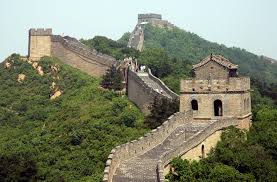
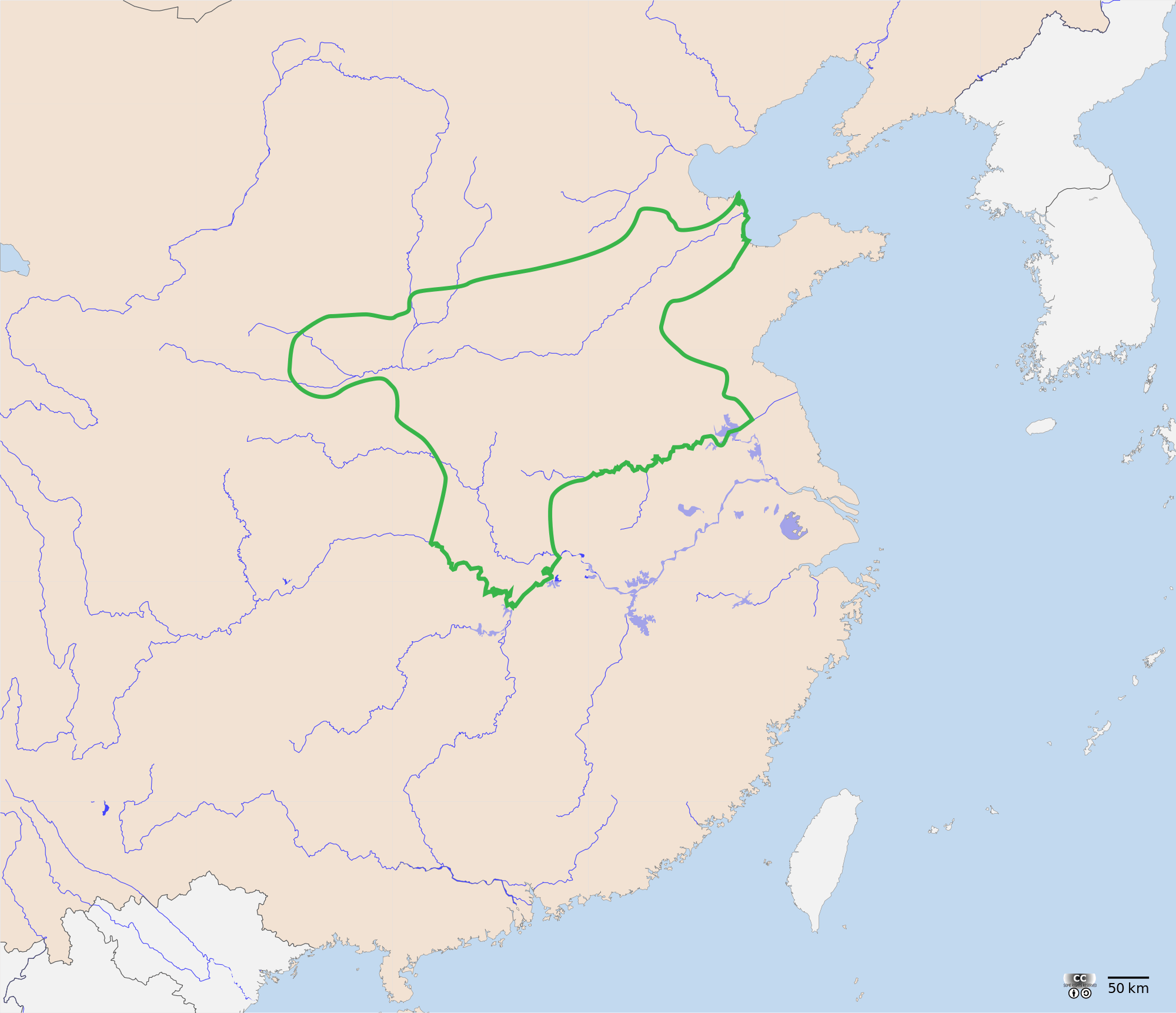
How did geography affect the development of Chinese culture?
Long coastlines made access to trade possible.
Flat land made travel easy.
Great Wall of China made travel along the top easier for traders.
Tall mountains and deserts isolated China from other nations.

What is a NATURAL BARRIER?
A Man made wall that separates people
A wall or a door that separates you from others
a desert, mountain, or ocean that separates pieces of land
None of the above
Which of the following is NOT one of China's natural barriers?
The Himalayan Mountains
The Pacific Ocean
The Rocky Mountains
The Gobi Desert
What is a dynasty?
A series of rulers from the same family
A series of rulers from the same continent
A series of rulers from the same country
A series of rulers
What was the purpose of the Great Wall of China
To look really cool.
To protect their civilization from invasions
To make others notice how great they are.
None of the above
What was the Silk Road?
A road made of silk
A road where you could find silk
A network of trade routes
A road in Ancient China
Which river is not part of the great 3 rivers that flow through China
Yellow River (Huang He)
Euphrates River
Yangtze River
Xi River
Which river is called "China's sorrow"?
Yellow River (Huang He)
The Yangtze River
Xi Jiang
Tigris River
Which of these is not an achievement of the Zhou dynasty?
The Great Wall of China
Built Roads
Expanded trade.
Invented the crossbow
What two things do the analects of Confucius teach?
People should follow the path and be one with nature.
People should have good conduct and moral judgement.
There are opposing forces of light and dark.
The government had a duty to set an example of right conduct.
Which of these are in the five relationships Confucius teaches?
friend and friend
Husband and wife
old and young
Parent and child
Ruler and subject
What is an accomplishment of the Qin Dynasty?
Made standardized money in the form of a coin.
Organized the empire into military districts.
Connected parts of the Great Wall of China.
All of the above
The ancient civilizations of China, Mesopotamia, and Egypt all developed...
because they were all surrounded by mountains.
because rivers deposited silt suitable for farming.
because of serious droughts that happened around them.
because of vast deserts that attracted settlers.
Why was The Silk Road important?
it was a military route.
it was a trade route that connected China with other civilizations.
it enabled silk made in the west to be brought to China.
it was the trade route followed by Christopher Columbus.
On which continent is China located?
Africa
South America
Asia
Europe
What are the two major rivers found in China? Hint: These were important rivers to the ancient Chinese civilizations.
Yellow River and Yangtze River
Ying-Yang River and Yangtze River
Yong-Yang River and Yellow River
Red River and Yellow River
What were the rulers of Ancient China called?
Emperors
Lords
Noblemen
Pharaohs
Which dynasty is the shortest existing dynasty?
Qin
Zhou
Han
Shang
How were oracle bones used?
to predict the future
to teach students how to write
to record laws and official decrees
to pass down dynastic history

What is located at Letter B?
North China Plain
Tibetan Plateau
Gobi Desert
HImalayas

What is located at Letter C?
Himalayas
Tibetan Plateau
the Great Wall
North China Plain

What is located at Letter E?
Chiang Jang River
Huang River
Gobi Desert
Tibetan Plateau

Letter G on the map is...
Huang River (Yellow River)
Chang Jiang River (Yangtze River)
Huang River Valley
Xi River
Letter I on the map is...
Gobi Desert
Tibetan Plateau
Taklamakan Desert
Himalaya Moutains
The Chinese philosophy that is based on respect, and treating others the way you want to be treated, as well as behaving a certain way that leads to moral character is........
Feudalism
Confucianism
Taoism
Legalism

