wayground logo

Free Printable Worksheets

Font size

S
M
L
XL
Worksheets

Panther Paw 2.14

Total questions: 46

Worksheet time: 1hrs 12mins

Name
Class
Date
1.

The smallest level of organization is ​ (a)   and the biggest level is ​ (b)  

Choose from the below words
the cell
the biosphere
the tissue
the organism
the community
2.

The microorganism responsible for nitrogen fixation is ​ (a)  

Choose from the below words
the nitrogen fixing bacteria
the atmospheric carbon
the atmospheric nitrogen
the decomposers
the denitrifying bacteria
3.

The continuous movement of carbon among the abiotic environment and living things.

a)

nutrient cycle

b)

carbon cycle

c)

nitrogen cycle

d)

water cycle

4.

The reduction of oxidized forms of nitrogen (nitrates), ultimately resulting in molecular nitrogen.

a)

ammonification

b)

denitrification

c)

nitrification

d)

nitrogen fixation

5.

A family of plants including beans, alfalfa, and peas, most of which harbor symbiotic, nitrogen-fixing bacteria in nodules in their roots.

a)

producers

b)

legumes

c)

prokaryotes

d)

tubers

6.

Bacterial action that results in the combination of atmospheric nitrogen with other elements; making nitrogen available for use by plants.

a)

ammonificaiton

b)

denitrification

c)

nitrification

d)

nitrogen fixation

7.
When humans burn fossil fuels, most of the carbon quickly enters the                       as carbon dioxide.
a)
Water
b)
Atmosphere
c)
Sun
d)
Air
8.

Which two processes play a major role in the carbon cycle?

a)

Respiration and mitosis

b)

Mitosis and homeostasis

c)

Homeostasis and photosynthesis

d)

Respiration and photosynthesis

9.
Cattle egrets forage (feed) in fields among cattle. The egret gets easy access to flying insects stirred up by the cattle, and the cattle don't care if they are there or not.
a)
mutualism
b)
commensalism
c)
competition
d)
parasitism
10.
Which symbols best describe parasitism?
a)
+,+
b)
+,-
c)
+,0
d)
-,0
11.
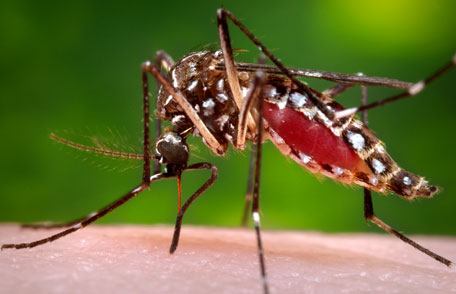
When a mosquito bites you, you are the __________ and the mosquito is the  ____________.
a)
host, hostess
b)
parasite, host
c)
host, parasite
d)
prey, predator
12.
Which symbols best describe mutualism?
a)
+,+
b)
+,-
c)
+,0
d)
-,0
13.

Mutualism is when....

a)

Both organisms involved in the relationship benefit

b)

One organism in the relationship benefits the other isn't harmed or benefitted

c)

One organism in the relationship benefits and the other is harmed

d)

Both organisms are harmed.

14.

Draw an arrow toward the parasite

15.

Symbiosis means:

a)

relationship

b)

sharing

c)

helping

d)

harming

16.

competition means:

a)

Living on or in another organism at that organisms expense

b)

consuming another organism

c)

getting a benefit from another organism without harming or helping it

d)

getting a benefit from another organism while helping it

e)

belonging in the same niche with limited resources

17.

Match what examples go with the correct relationship

18.
All living things are composed of cells. 
a)
True
b)
False
19.
Temperature and sunlight would be examples of ____________ factors within an environment.
a)
biotic
b)
abiotic
20.

Match the following

a)

Cells

1.

All living things are made of one or more

b)

DNA

2.

All living things have genetic material.

c)

Reproduce

3.

All living things have offspring

d)

Grow

4.

All living thing increase in size, develop and die

21.

Match the response to the stimulus.

a)
1.

shiver to generate warmth

b)
2.

drink water

c)
3.

sweat to cool off

d)
4.

eat

22.
Inherited trait that helps an organism survive is a(n) __________.
a)
Fossil
b)
Adaptation
c)
Ancestor
d)
Natural selection
23.
This scientist came up with the idea of natural selection.
a)
Jean Baptiste Lamarck
b)
Gregor Mendel
c)
Charles Darwin
d)
Thomas Malthus
24.
Survival of the fittest or when favorable adaptations reproduce faster is called what?
a)
Evolution
b)
Adaptation
c)
Natural selection
d)
Fossilization
25.
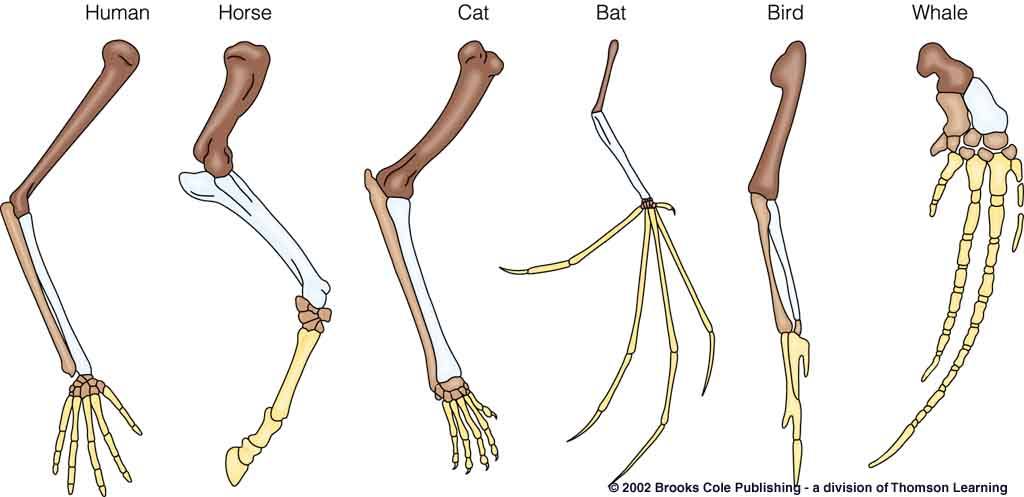
Structures with the same parts have different functions; suggests that organisms share a common ancestry
a)
vestigial structures
b)
homologous structures
c)
adaptive radiation
d)
fossil
26.
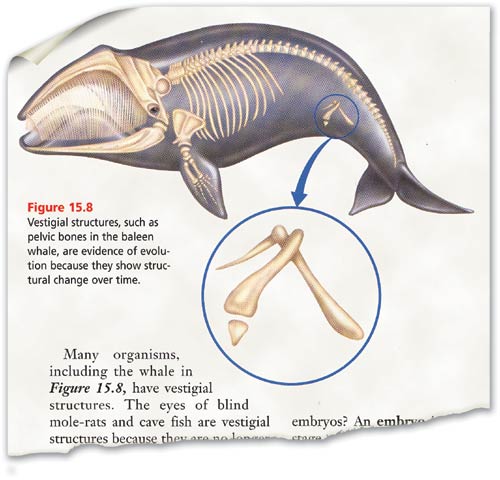
Which of the following is an example of a vestigial structure?
a)
the wings of a red-tailed hawk
b)
the hind limbs of a house cat
c)
the fins of sharks
d)
the tailbone of a human
27.
The diagram shows fossils in different rock layers. Which of these statements about the age of these fossils is most likely correct?
a)
Fossil A and C are the same age
b)
Fossil B is older than fossil C
c)
Fossils A is older than fossil B
d)
Fossil D is older than fossil C
28.
Comparing human hemoglobin of chimpanzees, horses, kangaroos, and chickens, reveal that humans have the fewest amino acid differences with 
a)
Kangaroos
b)
Horses
c)
chickens
d)
chimpanzees
29.
According to the law of superposition, which layer is the youngest?
a)
A
b)
B
c)
C
30.
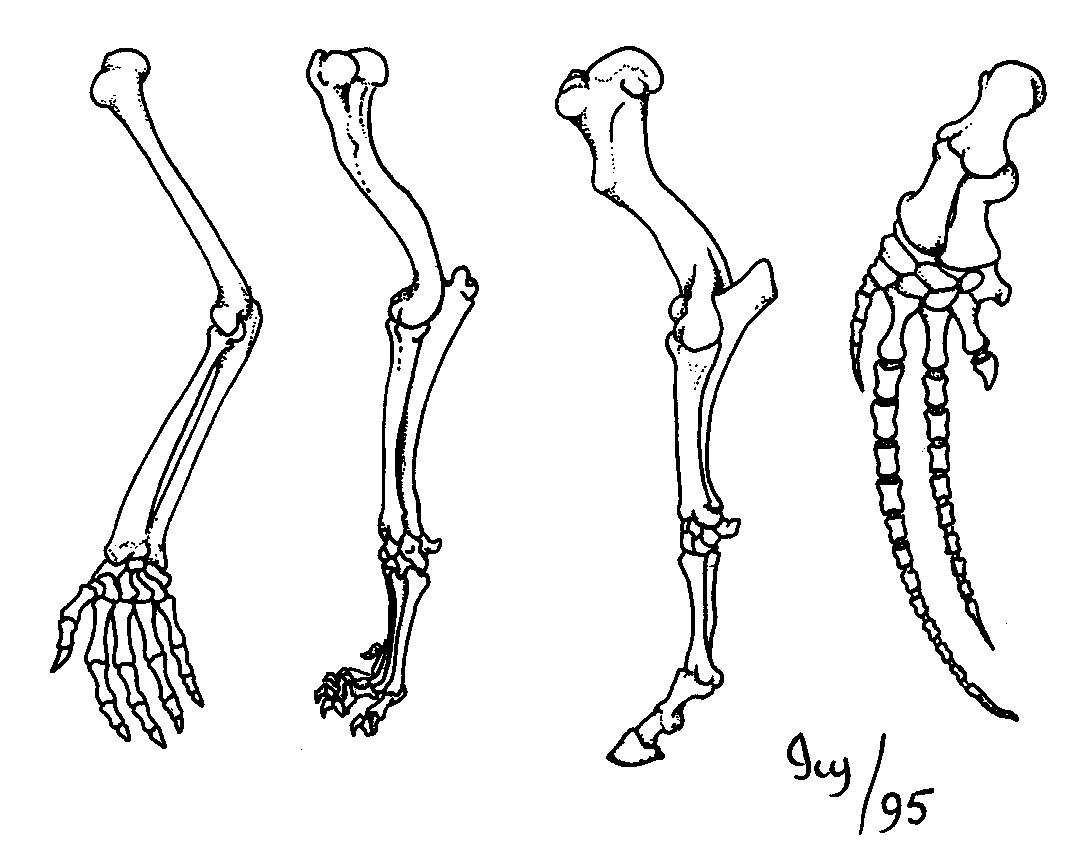
The structures shown are_________
a)
homologous
b)
heterologous
c)
analogous
d)
vestigial
31.

Which biomolecule is a source of quick energy for cells?

a)

carbohydrates

b)

lipids

c)

proteins

d)

nucleic acids

32.

Which biomolecule is involved in long term energy storage?

a)

carbohydrates

b)

lipids

c)

proteins

d)

nucleic acids

33.

Which biomolecule plays a role in muscle development and repair?

a)

carbohydrates

b)

lipids

c)

proteins

d)

nucleic acids

34.

DNA and RNA belong to this biomolecule group.

a)

carbohydrates

b)

lipids

c)

proteins

d)

nucleic acids

35.

Which of these is NOT a lipid

a)

fats

b)

oils

c)

amino acids

d)

waxes

36.

Glucose, Lactose, and Sucrose all end in -ose. This means they are sugars...which group of biomolecules do they belong to?

a)

carbohydrates

b)

lipids

c)

proteins

d)

nucleic acids

37.

What is the monomer of a carbohydrate?

a)

Monosaccharide

b)

Amino acid

c)

Triglyceride

d)

Nucleotide

38.
What are the four biological molecules?
a)
proteins, carbohydrates, lipids, nucleic acids
b)
A, T, C, G
c)
water, air, earth, and fire
d)
Joe, Nick, and Kevin Jonas
39.
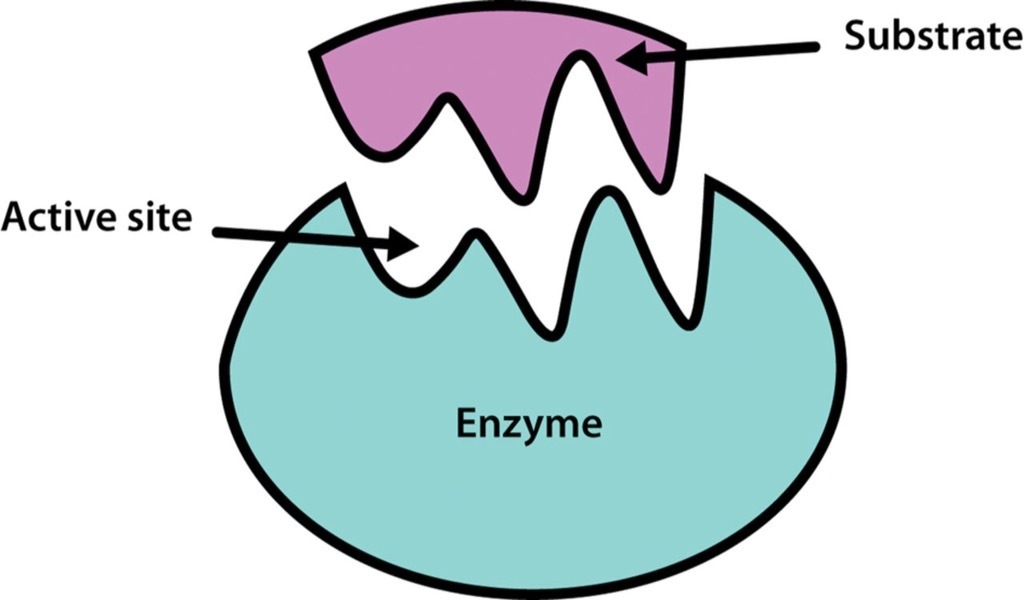
What biomolecule do enzymes belong to? 
a)
Carbohydrate
b)
Lipid
c)
Nucleic Acid
d)
Protein
40.
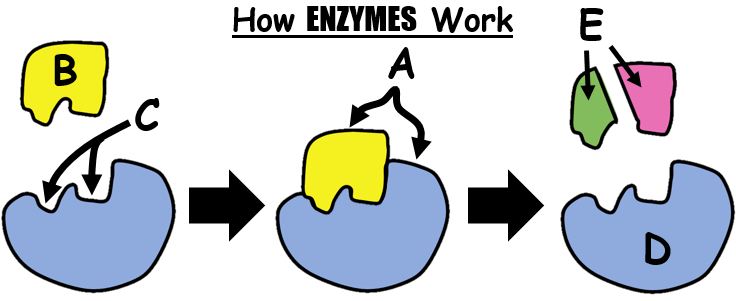
What is being represented by the letter B in the image?
a)
Substrate
b)
Enzyme
c)
Substrate
d)
Product
41.
What is being represented by the letter A in the image?
a)
Substrate
b)
Enzyme
c)
Product
d)
Complex
42.
If an enzyme becomes over heated what effect, if any, will the heat have on the enzymatic activity? 
a)
The enzyme will not store much chemical energy.
b)
The enzyme will not be able to catalyze reactions.
c)
The enzyme will lose its net electrical charge.
d)
The enzyme will lose stored genetic information.
43.
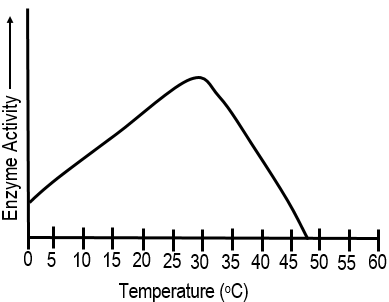
Based on the graph, what is the optimal temperature for this enzyme? 
a)
15oC
b)
40oC
c)
30oC
d)
35oC
44.
In the diagram, what is letter A? 
a)
product
b)
substrate
c)
enzyme-substrate complex
d)
active site
45.
Enzymes will make a reaction go _______ and use ______ energy.
a)
faster, less
b)
faster, more
c)
slower, less
d)
slower, more
46.
Every enzyme has a optimal temperature and pH. True or False?
a)
True 
b)
False