
 Worksheets
Photosynthesis
Total questions: 47
Worksheet time: 32mins
What part of the plant soaks up water for photosynthesis?
roots
petals
leaf
stem
What is the food manufacturing process in plants?
respiration
chlorophyll
glucose
photosynthesis
What creates the green color in plants?
chlorophyll
clorox
chemical
chromosomes

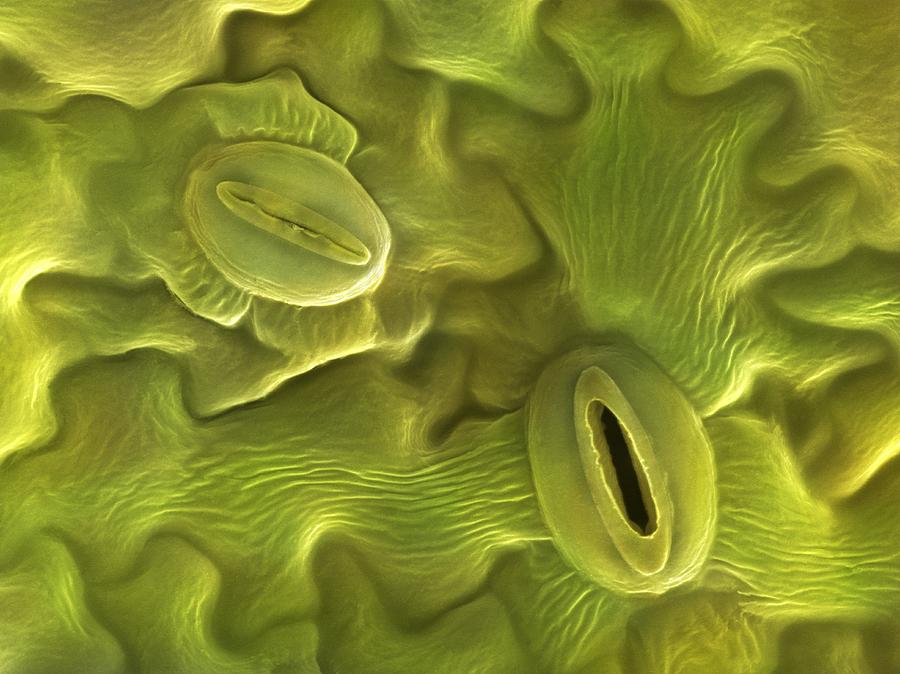
The openings that are found in the leaves of plants are called:
Stomata
Chlorophyll
Xylem
Chloroplast
The reactants to photosynthesis are...
glucose and oxygen
carbon dioxide and water
The products of photosynthesis are...
glucose and oxygen
carbon dioxide and water
The plant tissue that carries food DOWNWARD from the leaves to the rest of the plant is the ______.
What is transpiration?
Excess water being released from the aerial parts of plants in the form of water vapor
Excess sugar being released from the leave
The way a plant makes its food
When the plant uses sugar for energy
Which part of a plant works as its “nostrils”?
stoma
guard cells
chloroplasts
all of the above
What do plants do with sugar?
release it through their stoma
eat it for energy
convert it to oxygen
convert it into water

An organism that cannot make its own food.
autobot
heterotroph
autotroph
heterobot

Location inside of a plant cell where the process of photosynthesis occurs.
nodules
stomata
chloroplasts
chlorophyll

According to Julius Von Sachs, glucose is made in green parts of plants and is stored as ____________
starch
fructose
glycogen
The organisms that undergo photosynthesis are called
saprophytes
parasites
autotrophs
___________ is used to test for the presence of starch -- if starch is present, the colour would turn _____________.
Iodine, brown
Iodine, blue-black
Chlorophyll, brown
Chlorophyll, blue-black

An experiment was conducted to investigate photosynthesis. What are the variables that need to be controlled in this experiment?
Presence of carbon dioxide gas
Presence of water
Presence of light
Presence of hydrogen gas
Presence of chlorophyll

An experiment was conducted to investigate photosynthesis. Which variable isn't changed in this experiment?
Presence of carbon dioxide gas
Presence of water
Presence of light
Presence of chlorophyll
An experiment was conducted to investigate photosynthesis. Which are the variables that need to be controlled in this experiment?
Presence of carbon monoxide gas
Presence of water
Presence of carbon dioxide gas
Presence of chlorophyll
Amount of light received

An experiment was conducted to investigate photosynthesis. Which variable isn't changed in this experiment?
Presence of carbon dioxide gas
Presence of water
Presence of light
Presence of chlorophyll

An experiment was conducted to investigate photosynthesis. Which variables need to be controlled in this experiment?
Presence of carbon dioxide gas
Presence of dust
Amount of light received
Volume of water used for the plants
Which of the following is true about the part of the leaf that was not covered by black paper when it is tested with iodine at the end of the experiment?
It turns blue-black
It turns brown
No change in colour
It turns red

Which of the following is true about the part of the leaf that is green in colour when it is tested with iodine at the end of the experiment?
It turns blue-black
It turns blue
No change in colour
It turns brown

When the leaf from pot X is tested with iodine at the end of the experiment it.... (Choose the best answer -- hint: soda lime absorbs carbon dioxide from the air.)
turns blue-black because there is no starch in the leaf.
turns blue-black because there is starch in the leaf.
does not show any change in colour because there is starch in the leaf.
does not show any change in colour because there is no starch in the leaf.

The image shows a leaf before (left) and after (right) a starch test was done on it. Before the starch test, part of the leaf was covered with some black paper while it was still growing on a live plant.
Explain why the results turned out like this. (2 answers)
the part covered by the black paper did not receive light.
the part covered by the black paper received more light.
starch was detected at the part covered by the black paper
starch was not detected at the part covered by the black paper
When a starch test is done on this leaf, no change in colour was observed on the yellow parts of the leaf because... (2 answers)
there is starch there
there is no starch there
there is no chlorophyll there for photosynthesis to take place
there is chlorophyll there for photosynthesis to take place
The starch test results of this experiment shows the leaf from plant P turning blue-black while the leaf from plant Q had no changes in colour. Why is this? (2 answers)
There was starch in the leaf from plant P.
There was starch in the leaf from plant Q.
Plant P did not have carbon dioxide to do photosynthesis
Plant Q did not have carbon dioxide to do photosynthesis

Recall the main function of a xylem cell.
To transport nutrients to different parts of a plant.
To make energy for the plant via photosynthesis.
To transport carbon dioxide to the leaves for photosynthessis.
To transport water to different parts of plant.

Recall what is dissolved in the water in the xylem.
Glucose
Amino acids
Mineral ions
Starch

Recall the main function of a phloem cell.
To transport nutrients to different parts of a plant.
To transport water to different parts of a plant.
To make energy for the plant via photosynthesis.
To provide structural support to a plant.
What are the functions of the roots? (Select two answers)
Absorbing Water and Minerals
Attracting Insects
Anchoring the Plant
Performing Photosynthesis
Making Nectar
What does the Xylem transport?
Water and Minerals
Glucose
Blood
Chlorophyll
What does the Phloem transport?
Water and Minerals
Glucose
Blood
Chlorophyll
Which is BIDIRECTIONAL? (transports both ways around a plant)
Xylem
Phloem
What is water used for in the leaves of the plant?
Drinking
Respiration
Photosynthesis
Transport
Starch
Glucose
Phloem tubes transport substances..
From the roots to the stem and leaves
From the leaves to the rest of the plant
How does water enter a plant?
through the stomata
through the roots
by active transport in root hair cells
by osmosis in root hair cells

