
 Worksheets
Unit 4 Study Guide
Total questions: 75
Worksheet time: 46mins
Shays' Rebellion represented...
a success of the Articles of Confederation
a failure of the Articles of Confederation
The main cause for many of the rules in the Articles of Confederation was that the delegates at the Continental Congress...
did not want to give the states too much power because they'd proven they were willing to rebel against a government.
wanted to create a government that was identical to England's government.
were concerned about giving the central government too much power because the King had used his power unfairly.
wanted to unify the states together, which included creating one army and one type of currency.
Who was the president under the articles?
George Washington
Each governor voted on a president
The most senior Senator
There wasn't one
Under the Articles of Confederation, the government could
sign treaties and create taxes
declare war and create taxes
sign treaties and declare war
none of the above
How many colonies were there in total?
12
14
13
11

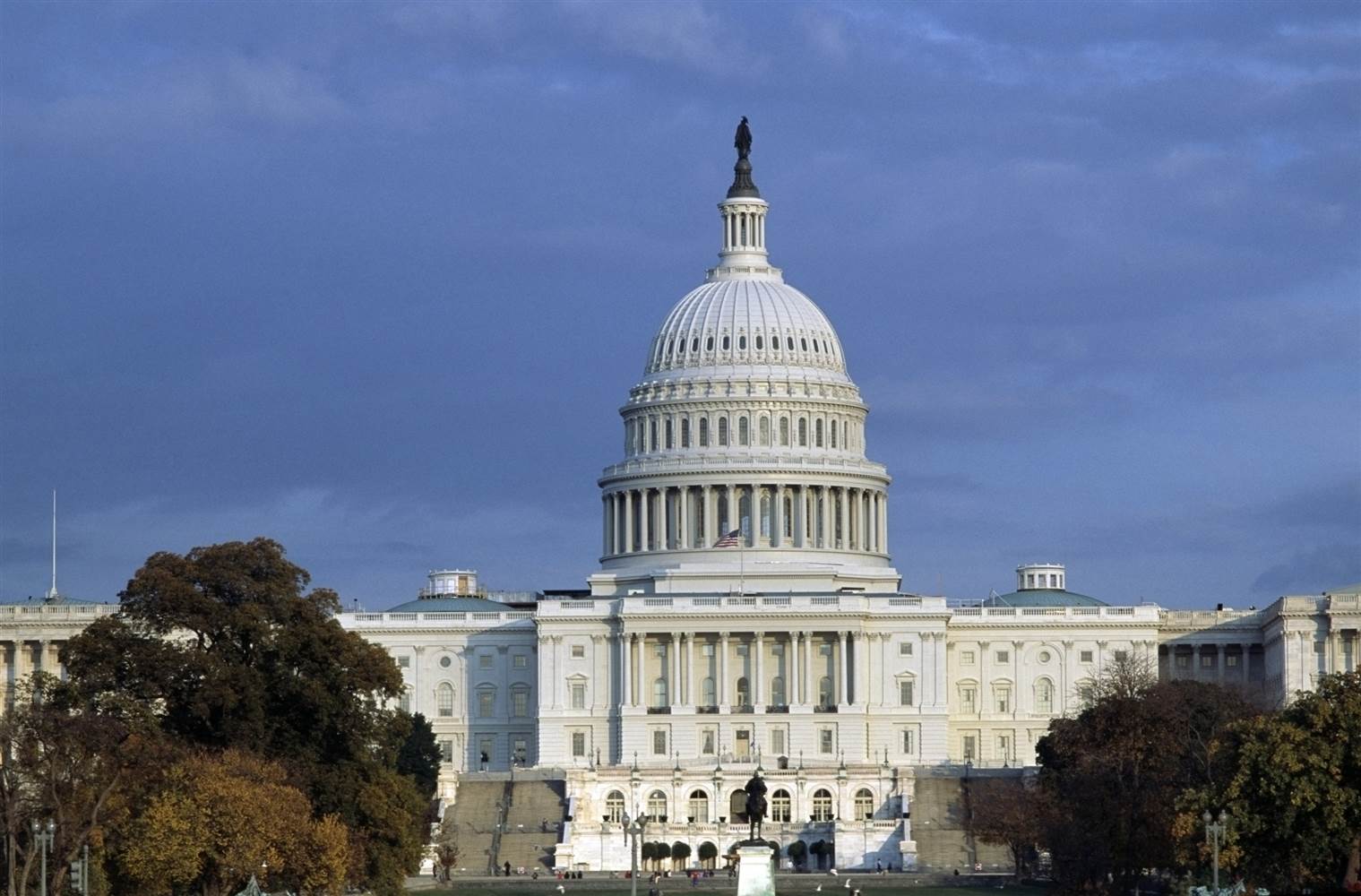
Which of the following GAVE LARGE AND SMALL STATES COMPLETELY EQUAL POWER?
Articles of Confederation
Constitution
Both
Ultimately, the weaknesses of the Articles of Confederation lead to the creation of -
the Treaty of Paris
the Affordable Care Act
the U.S. Constitution
the Declaration of Independence
“The Articles of Confederation have a good foundation and only need to be adjusted, they will work fine.”
Federalist
Anti-Federalists
“A President needs to provide strong leadership for the country.”
Federalist
Anti-Federalists
“We need to make sure the governments’ power is limited and citizens have guaranteed personal freedoms.”
Federalist
Anti-Federalists
“The National Government needs to be stronger in order to function.”
Federalist
Anti-Federalists
“States should have more power than the National government.”
Federalist
Anti-Federalists
“It must be by this time evident to all men…that (the Articles of Confederation) is a system so radically vicious and unsound as to admit….an entire change.”
Federalist
Anti-Federalists
“Our country is too large to have all affairs directed by a single government.”
Federalist
Anti-Federalists
“The powers contained in the constitution….should be used liberally to advance the public good.”
Federalist
Anti-Federalists
"I had rather be a free citizen of the small republic of Massachusetts, than an oppressed subject of the great American empire."
Federalist
Anti-Federalists
“When the government fears the people, there is liberty. When the people fear the government, there is tyranny.”
Federalist
Anti-Federalists
What did Martin believe all people should have?
He believed that everyone should have a home.
He believe that everyone should have a good education.
He believe that everyone should have a car.
He believe that everyone should have equal rights.
What was Martin's famous speech called?
"Everyone Should be Free"
"I Have a Dream"
"Vote, Vote, Vote!"
"Fight Back"
What is one thing Dr. King did to try to change laws?
writing books
fighting
leading marches
An agreement or a settlement of a dispute that is reached by each side making concessions.
Compromise
Federalism
Debt
Petition
Having two branches or chambers
Unicameral
Bicameral
Tricameral
Quadcameral
The division of power between the Federal government and the states
Popular Sovereignty
Checks and Balances
Federalism
Republicanism
People who chose to support the new Constitution were called...
Whigs
Democrats
Republicans
Federalists
The group of people who officially elect the President
Electoral College
Senate
House of Representatives
Supreme Court
The basic principles and laws of a nation or state, that determine the powers and duties of the government
Federalist
Constitution
Ratify
Amendment
A series of essays written to defend the Constitution.
Three-Fifths Compromise
Great Compromise
Federalist Papers
Common Sense
A person who opposed the approval of the Constitution
Tories
Whigs
Federalists
Anti-Federalist
To sign or give formal consent to, to approve
Cede
Nullify
Ratify
Annex
A minor change or addition designed to improve a text, piece of legislation, etc.
Compromise
Nullify
Ratify
Amendment
Why did the southern states want to count their slaves as part of their state's population?
It would give the southern state more representatives in Congress
It would give the southern states less representatives in Congress
It would give the southern states more money in taxes
It would give the southern states more treaties with other states
What did the northern states want to count the slaves for?
for taxes but not population
for population not taxes
voting not citizenship
population but not voting
What did the three-fifths compromise decide?
The three-fifths compromise decided that only three-fifths of the slave population would count towards representation in Congress.
The three-fifths compromise decided that the slaves would only count for taxation not for representation
The three-fifths compromise decided that the slaves would not count for anything
The three-fifths compromise decided that three-fifths of the slaves would count for taxation and representation.
What was decided in the Commerce Compromise?
allowed the importation of slaves until 1807
allowed slavery to continue forever
allowed the slave trade to continue until 1907
allowed the slaves to buy their freedom when they arrived in America
The delegates wanted to create stronger national government in the Constitution. What did they hope to protect under this new Constitution?
Popular sovereignty
limited government
authority of the government
popular voted
Which of the following describes popular sovereignty?
the idea that political power belongs in the hands of the people
document created to protect the rights of citizens
sharing the powers between central and state governments
the idea that political power does not belong in the hands of the people
What is federalism?
sharing of power between the central and state governments
the idea that the power should stay in the hands of the people
the branch of government that make the laws
a document declaring freedom of speech
What do state governments have control over?
jobs that are not specifically assigned to the federal government
control of all the government decisions
jobs that have to do with the citizens of the country
Control of the people's freedom
Which of these are things the STATE government would have control over?
declaring war
signing a treaty
education
settling a dispute between two states
What is the legislative branch responsible for?
proposing and passing laws
making sure the law is carried out
interpreting the laws
making proposals for laws so that the president can approve them
Who makes up the legislative branch?
Congress: Senate and House of Representatives
The president and his cabinet
Groups of people
The national courts and the state governments
Who is part of the executive branch of government?
the president
the national courts
Congress: The Senate and House of Representatives
the local state governments
What is the job of the executive branch?
To make sure the laws are carried out
To propose and pass laws
To interpret the laws
To tell everyone what to do and make all the decisions
Who is part of the judicial branch of government?
the national courts
the president
Congress: The Senate and House of Representatives
all the citizens of the United States
What is the judicial branch responsible for?
writing and passing laws
making sure the laws are carried out
interpreting the laws
telling the people they are all guilty
What are checks and balances?
They are what keeps any branch from having too much power
They are taxes each branch of government has to pay
They are rules that have to be followed
They are laws that no one can break
What does the Supreme Court have the power to do?
To review laws and strike down any law that is unconstitutional
To review laws and put everyone in jail
To make sure the laws are being carried out
To write new laws and get Congress to pass them
When was the final draft of the Constitution completed?
September 1787
January 1787
September 1789
August 1776
How many delegates decided not to sign the Constitution?
3
42
5
10
Congress has the power to pass laws but what can the president do if he disagrees with those laws?
veto or reject it
write a new law and pass it by himself
decide it is unconstitutional
approve it
Which best describes the Great Compromise?
Compromise between the Virginia Plan and New Jersey Plan
Compromise over slavery in the Constitution
Compromise over how the president will be elected
A system of government by the whole population or all eligible members of a state.
Democracy
Monarchy
Oligarchy
Republic
A form of government in which the people hold power, but elect representatives to exercise that power.
Democracy
Monarchy
Oligarchy
Republic
What is the best term to describe the U.S. Government?
Monarchy
Direct democracy
Oligarchy
Democratic republic
Many historians refer to the Constitution as a ___________ document and believe it should be adapted as time goes on.
Living
Static
Archaic
Old
What was the original purpose of the Constitutional Convention?
To rewrite the Declaration of Independence
To rewrite the Articles of Confederation
To rewrite the Treaty of Paris
To elect the first president
According to the Northwest Ordinance of 1787, one section of land in each township was set aside for...
farms
schools
a courthouse
a jail
Choose two reasons why the Northwest Ordinance of 1787 was written.
to tell how a territory could become a state
to make the territory more diverse
to set laws on how the territory was to be governed
to bring peace between the French and the British
How many men did an area need in order to apply for statehood?
5,000
50,000
60,000
6,000
What does the Bill of Rights do?
requires Americans to worship the same God
organizes the federal government
protects the rights of citizens
gives the president the power to declare war
What did the Northwest Ordinance say about slavery?
Ohio needed 60,000 slaves to become a state.
It did not mention slavery.
Slavery was allowed.
Slavery was banned
Which physical features draw the borders of the Northwest Territory?
The Ohio River and the Mississippi River
The Great Miami River and the Ohio River
The Muskingham River and the Mississippi River
The Mississippi River and the Scioto River
Which of the following were reasons why settlers were worried about moving to the Northwest Territory? (choose 3)
the settlers feared higher taxes
the settlers worried about getting sick
the settlers feared bad weather
the settlers were worried about finding available land
the settlers feared Indian attacks
The Slave Trade Compromise occurred during what event?
The Boston Tea Party
The First Continental Congress
The Second Continental Congress
The Constitutional Convention
Which of these was NOT generally one of the priorities of Southern states in the Constitutional Convention?
Protecting the institution of slavery
Promoting strong state governments
Ensuring the power of the federal government to regulate commerce.
Providing for the security and growth of the Southern agricultural economy

